
TLDR
- Hitting is about big feelings they can't bear. Aggression in children always comes from fear or overwhelm. They hit because they're emotionally flooded, not because they're defiant.
- Create safety first, teach second. Skip the lectures in the moment. Help them feel their feelings fully, then do the teaching conversation hours later when both your brains work again.
- Your calm response builds their empathy muscle. When you stay compassionate instead of angry, you model how to handle difficult emotions. That is exactly what they need to learn.
- Daily connection prevents most hitting before it starts. Ten minutes of focused play time every day builds enough trust that kids come to you for help instead of lashing out.
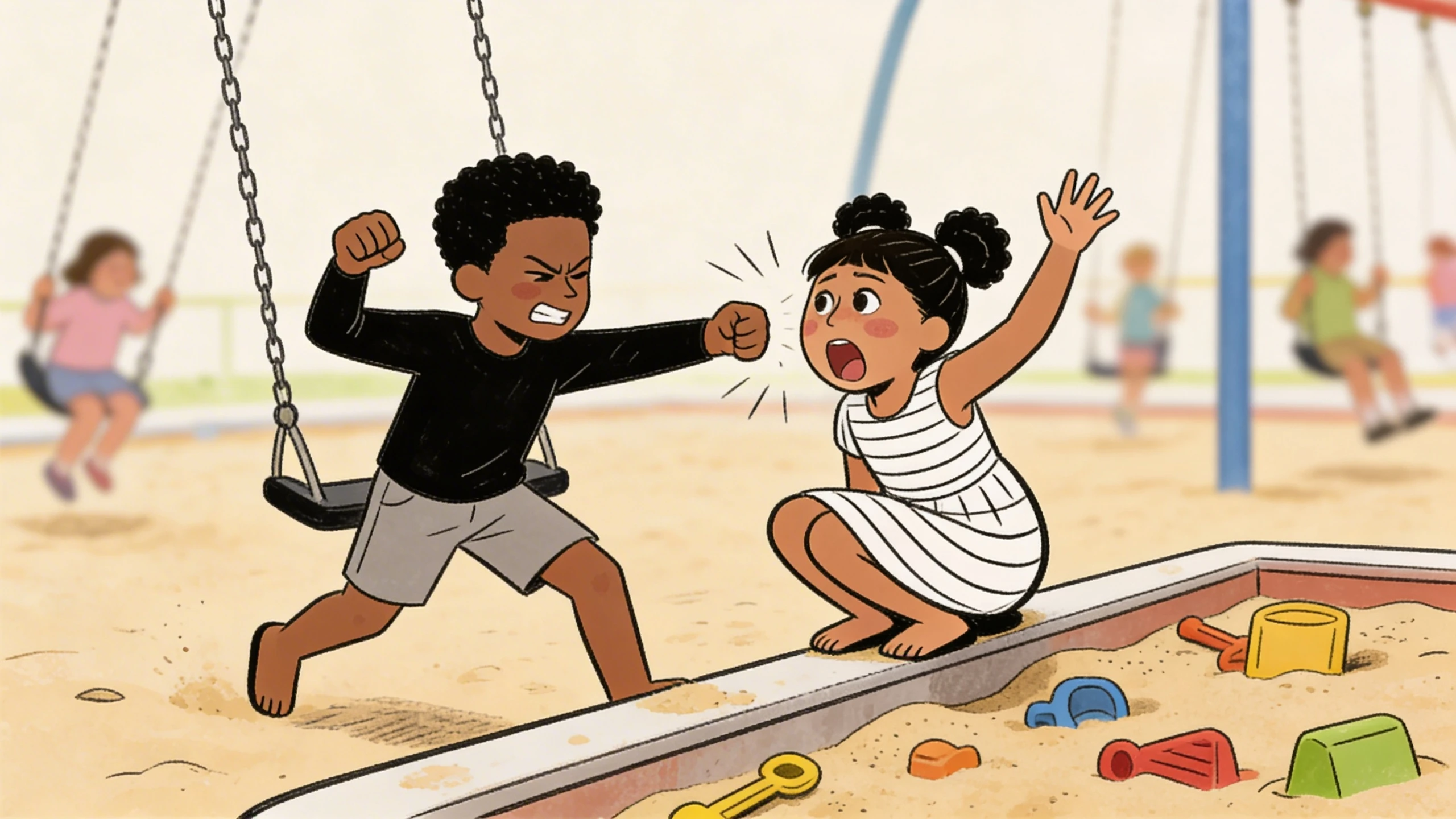
The real reason your kid keeps hitting (and why timeout makes it worse)
Your four-year-old smacks their sibling over a toy truck. You send them to timeout. They comply, serve their time, then hit again an hour later.
The hitting is the symptom, not the problem.
Think about what happens when you get completely overwhelmed at work. Your brain goes offline. You can't think straight. Now imagine being four years old with a brain still under construction, flooded with emotions you don't have words for.
That's what drives hitting. Not defiance. Not "being bad." Pure emotional overwhelm. When we focus on stopping the hitting through punishment, we're trying to fix the smoke alarm instead of putting out the fire. If you want to understand what's really happening when your toddler hits you, the answer is always the same: feelings too big for their body.
Beyond managing each incident
The Beyond Hitting course will build the empathy skills that prevent aggression long-term
You'll shift from bracing for the next hit to watching your child pause and choose differently on their own.
Step one: interrupt without shaming
When hitting happens, get between your child and their target immediately.
Get to their eye level, make gentle contact, and say clearly: "No hitting. Hitting hurts."
Notice what's missing from that script? No "How many times have I told you?" No threats about what happens next.
Firm isn't mean. You can be completely clear about the boundary while staying connected to your child.
Why your natural anger makes this harder
When your kid hits, you feel anger. Underneath that anger is usually fear that something's wrong with your child or that you're failing as a parent.
None of these fears are true, but you need to feel them anyway. Get them out of your system by venting to a friend or writing in a journal. The calmer you can stay in the moment, the safer your child feels. And safety is what they need most to process what's driving the hitting. Learning to manage your own anger is the foundation that makes everything else possible.
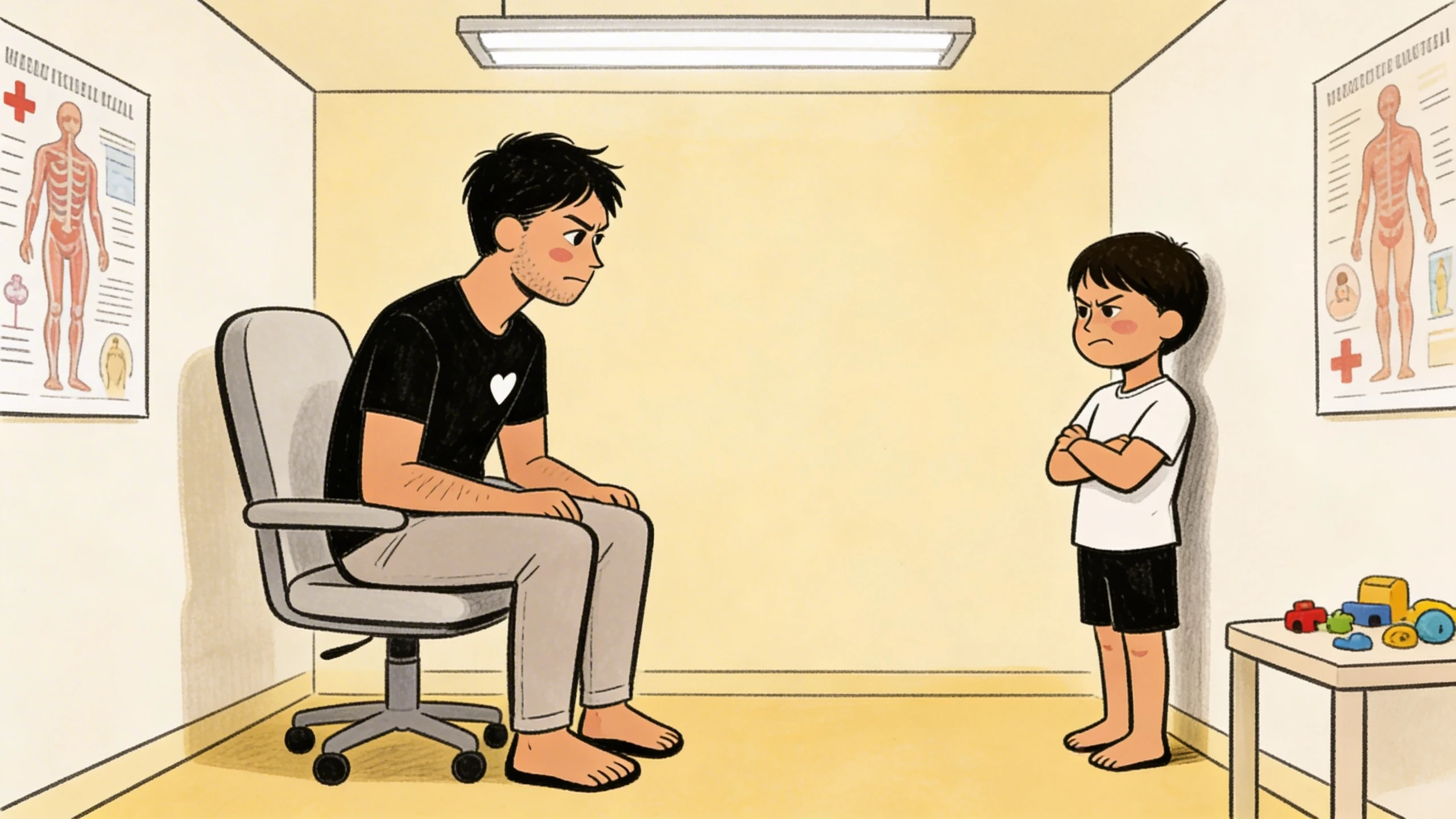
Step two: create safety for the big feelings to come out
This is where most approaches go wrong. We try to teach when kids are emotional. But when humans are upset, learning shuts down completely.
Your child hit because they couldn't bear their feelings. Help them feel those feelings in a safe space instead of piling on more words.
What "helping with feelings" looks like in practice
Remove your child from the situation for privacy. Then stay close, even if they try to run away.
If they bolt, don't chase them down or give up. Follow and position yourself where they can see you. Say: "I won't come any closer than this until you're ready, but I'm right here."
They're not rejecting you when they run. They're trying to regulate how much emotional intensity they can handle.
When the meltdown begins (this is good news)
If your child starts crying hard, celebrate internally. This is exactly what needs to happen.
Those tears are the feelings that were pushing them to hit. Once they feel it fully, it dissolves.
Stay close. Touch them if they'll let you. Say minimal, soothing things: "You're so upset... I'm right here... you're safe." This is emotion coaching at its core: staying present with the feeling instead of trying to fix it.
Don't try to talk them through it. Just be present while they get it all out.
How to support your child through big feelings
- Remove to private spaceTake them away from the situation for privacy, but don't think of it as punishment. You're creating safety.
- Stay physically closeEven if they run, follow and position yourself where they can see you. They need your presence to feel safe.
- Let them regulate distanceIf they move away, say 'I won't come closer until you're ready, but I'm right here' and respect their boundary.
- Support the emotional releaseWhen crying starts, stay present with minimal soothing words. Ten to twenty minutes of hard crying is healing, not harmful.
Step three: reconnect after the storm
After big feelings come out, kids worry whether you still love them. This reconnection phase matters more than anything else.
Once the crying stops, hold them if they'll let you. Tell them you love them no matter what, forever and ever.
You can briefly acknowledge the hitting ("You hit your sister. That hurt her") but then drop it. Their brain isn't fully back online yet. If you lecture now, you'll get a blank stare, which is a defensive wall going up.
Step four: prevent hitting through daily connection
Kids hit the parent they feel safest with. This means they trust you enough to show their worst feelings.
But you can build so much daily connection that hitting becomes less necessary.
The power of special time
Ten minutes every single day. Announce that you're all theirs with no interruptions.
Alternate days between their choice and your choice. On their days, play whatever they want. On your days, choose physical games that get them giggling.
Anything that produces laughter works. Tickle fights, piggyback rides, ridiculous chase games. Giggling releases the same feelings as crying, so more giggles means fewer meltdowns later.
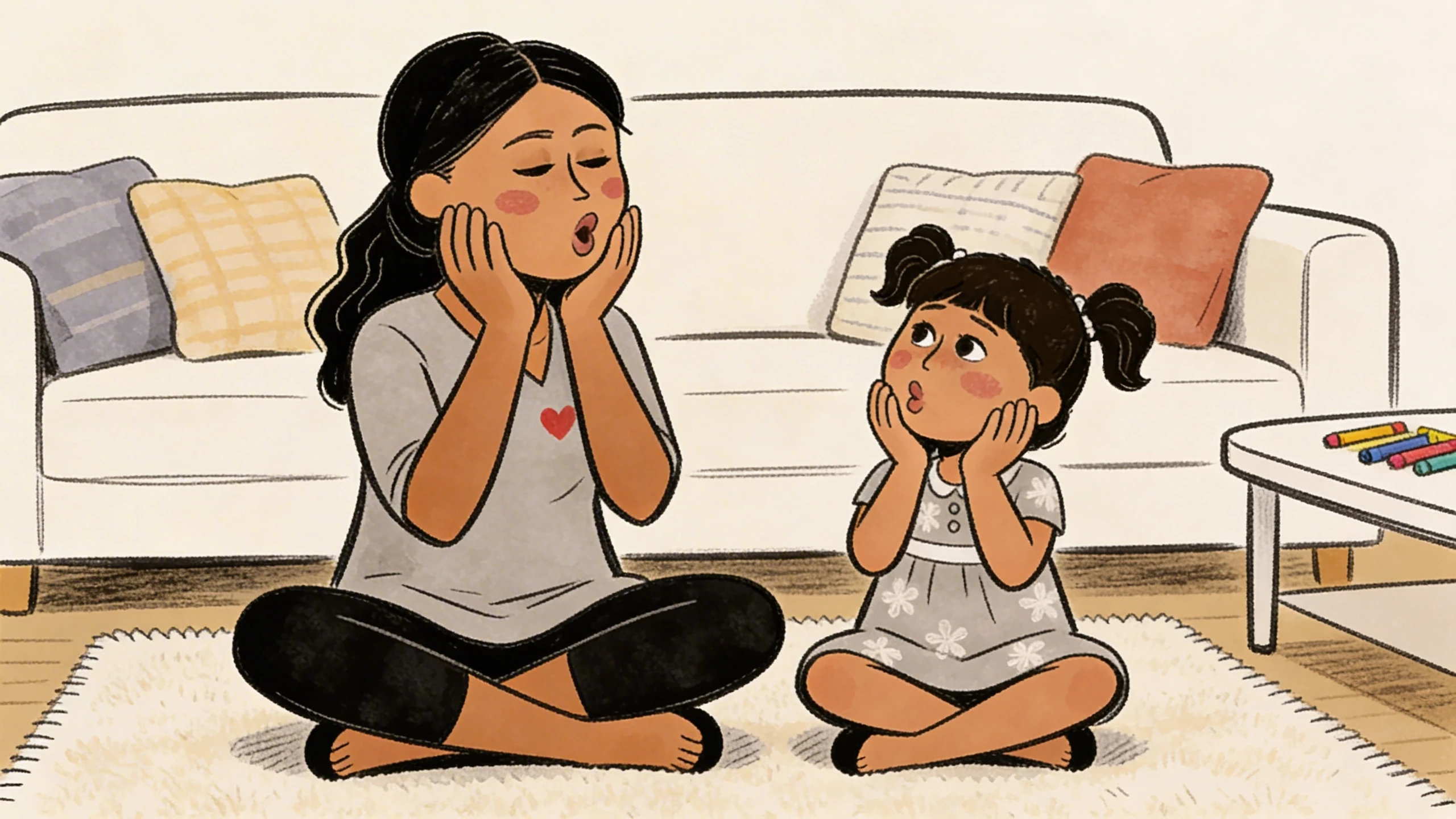
When to teach (hint: not in the moment)
Wait at least two hours after the incident. Everyone needs to be calm, including you.
Your child already knows hitting is wrong. They can't stop themselves in the heat of the moment because their thinking brain goes offline. So teaching is about practicing alternatives, not giving new information.
Start with empathy, not lectures. "Remember when you hit Sam at the park? You must have been so mad to do that."
Then explore alternatives together. "Next time when you get mad, what could you do? Could you call me? Could you walk away?"
Practice with role-play. Grab a stuffed animal and act out the scenario. This builds muscle memory of better responses. The more you practice teaching empathy through everyday moments, the more natural these alternatives become for your child.
Why the "just get tougher" approach backfires
Kids who are punished into compliance don't develop empathy. They develop fear. They stop hitting because they're scared of you, not because they care about others' feelings.
Fear-based compliance works until about age seven. Then you have a bigger, stronger child who simply refuses to go to timeout. You've taught them that might makes right, and now they're mightier than you.
What to expect during the learning process
This isn't an overnight fix. Your child might need daily meltdowns for weeks or even months if they've accumulated a lot of big feelings.
Each meltdown is healing, not a setback. They're emptying out their backpack of stored emotions. The more they trust you to keep them safe during big feelings, the less they'll need to act those feelings out through hitting.
Signs you're on the right track
- Gentler behavior with siblings between incidents
- More physical affection with you
- Coming to you for help before hitting (even if it's not every time yet)
- Shorter recovery time after meltdowns
- More cooperation in general
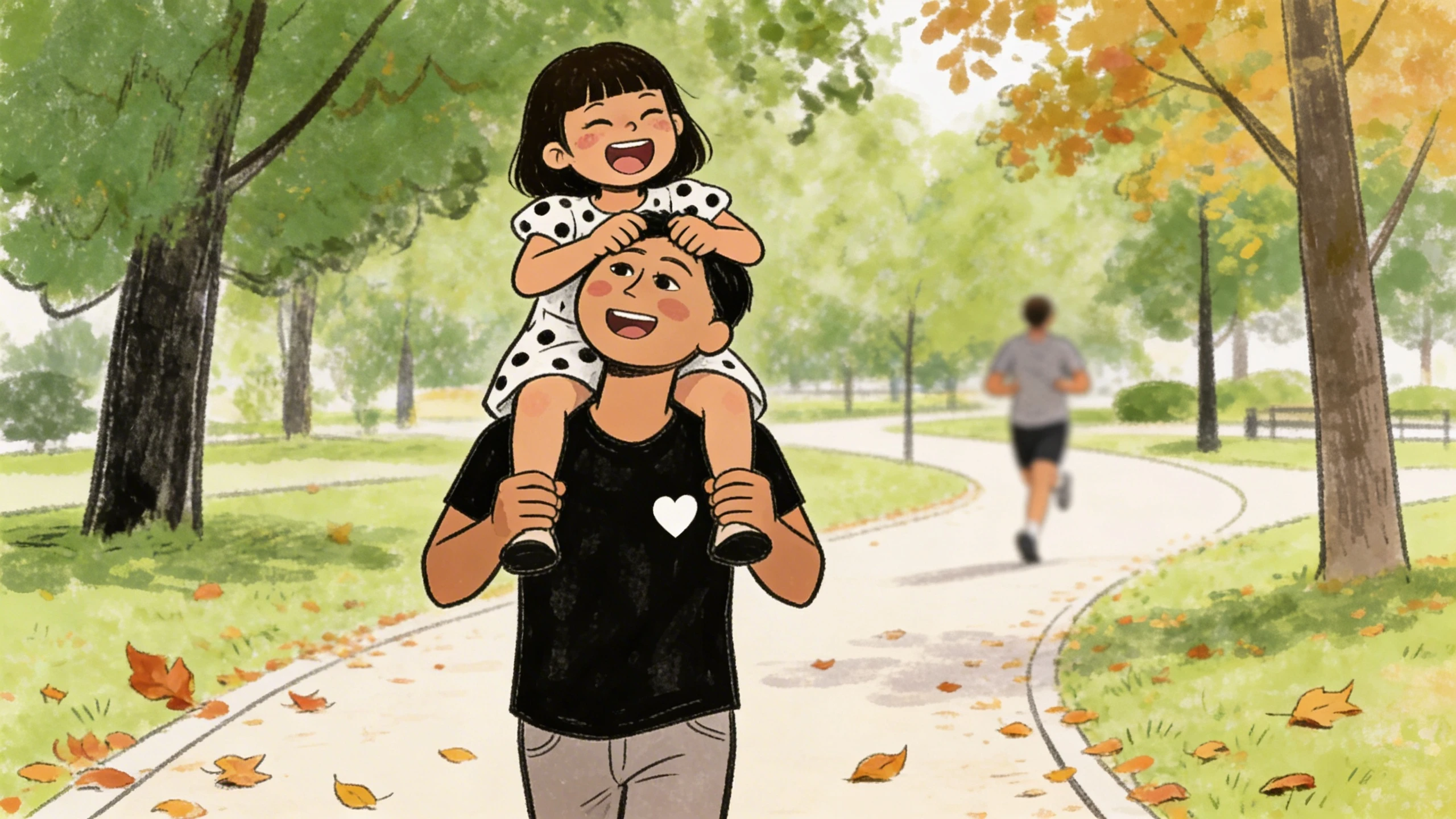
The long game: raising kids who genuinely want to cooperate
Children who learn emotional regulation through connection don't just stop hitting. They develop genuine empathy. They cooperate because they feel connected, not because they're scared.
This approach pays dividends that punishment never could. You're not just stopping hitting. You're building a human who cares about others because they've experienced deep care themselves.
The hitting phase will end. But the trust and connection you build while working through it together will last forever.
FAQ
Step back, protect yourself, and say 'I won't let you hit me, but I'm staying close because you need help with these big feelings.' They're not trying to hurt you. They're trying to release overwhelming emotions.
Follow the same steps but be prepared for longer meltdowns at home later. Interrupting the emotional release to leave often means the feelings come back stronger. Give them privacy to cry in the car if possible.
Yes, this is common and a positive sign. It means your child feels safe enough to show you their biggest feelings instead of stuffing them down. Expect an increase in emotional intensity before you see improvement.
Hitting that seems random usually means your child has accumulated so many unexpressed feelings that they're overflowing. Focus extra attention on daily connection time and be patient as they work through their emotional backlog.
Many parents see small improvements within weeks and significant changes within 2-3 months. Children with bigger emotional backlogs may need longer. Track subtle changes in cooperation and affection, not just hitting frequency.