TLDR
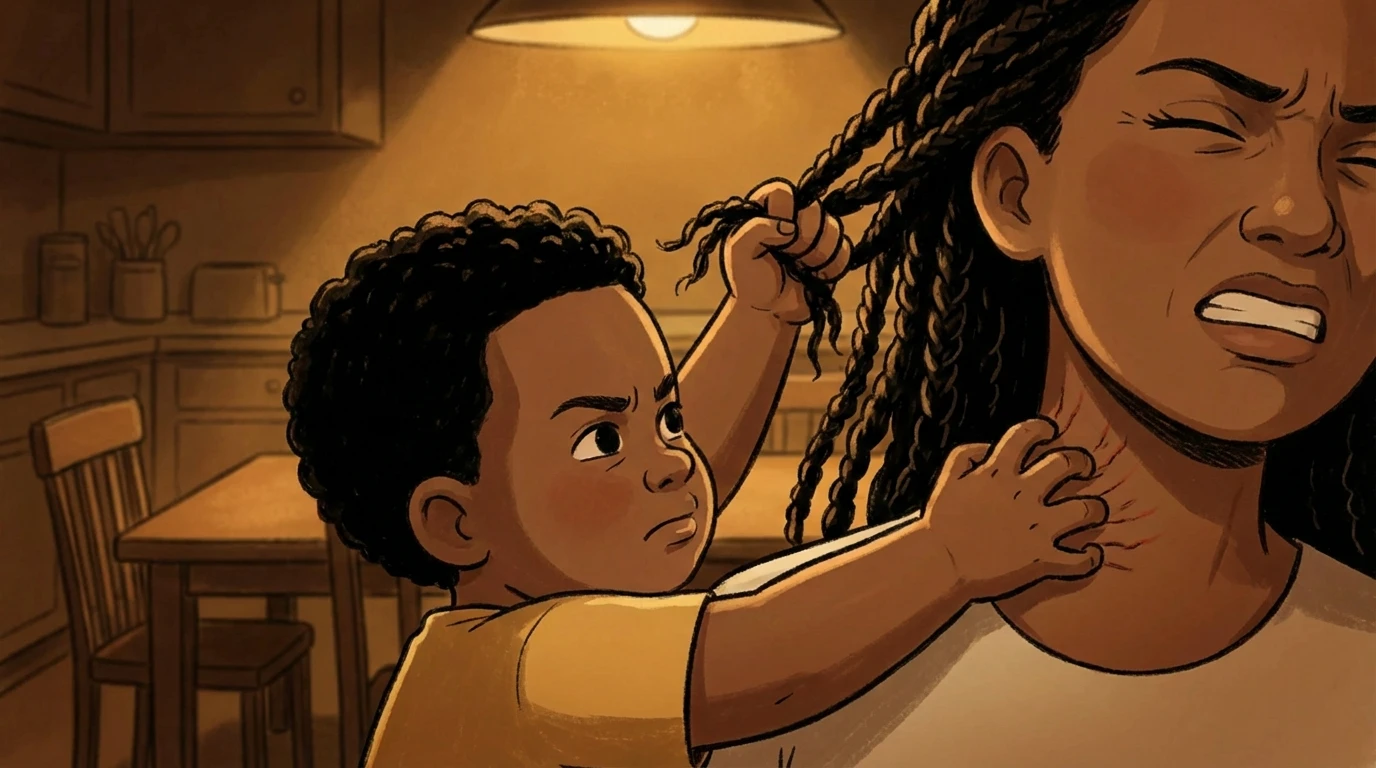
- These behaviors are communication, not cruelty. A toddler who scratches or pulls hair is overwhelmed, seeking sensory input, or bidding for your attention in the only way their developing brain allows.
- Redirect the urge, don't just ban it. Throwing, pulling, and pinching satisfy a physical need. Provide acceptable outlets: balls for throwing, a squeeze ball for pinching, textured toys for hair-pulling replacements.
- Your reaction matters more than your words. A dramatic response teaches your kid that this behavior is the fastest way to get your full attention. Stay boring, stay steady, stay close.
- The crying after you set the limit is the point. When your child cries after being stopped, they are finally releasing the feelings that drove the behavior. Hold space for it.
- Connection before correction works faster than punishment. Kids who feel securely attached have less need to grab, scratch, or throw to get your attention. Fill their cup before it empties.
Why your toddler is doing this
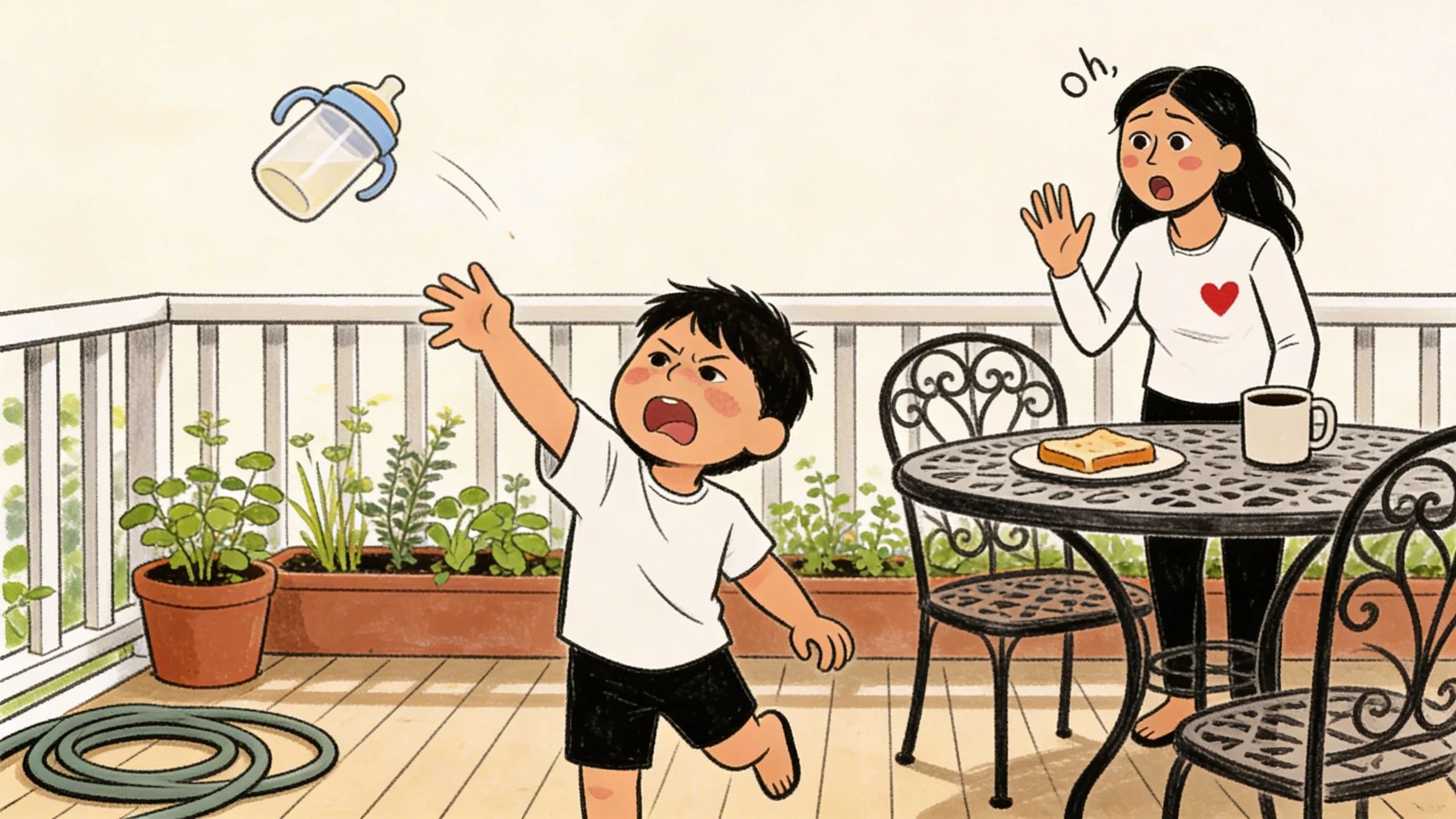
Your 18-month-old just pulled a fistful of your hair while you were reading a bedtime story. Your two-year-old scratched a line across your cheek when you picked them up from daycare. Your toddler pinched another kid at the playground so hard it left a mark.
Toddlers are all body and zero impulse control. The prefrontal cortex, the region responsible for thinking before acting, won't be reliably functional for years. Meanwhile, the emotional centers of the brain run full blast. When your child feels something big, their body does the talking.
These physical behaviors fall into a few distinct categories, and knowing which one you're dealing with changes your response.
Sensory seeking
Some kids pull hair because it feels interesting. Throwing things is cause-and-effect research. Pinching satisfies a tactile need that has nothing to do with anger. A child who pulls your hair while falling asleep has turned it into a comfort object, the same way another child clutches a blanket.
Emotional overflow
When feelings are too big for a toddler's vocabulary, the body handles the overflow. A child who scratches when frustrated is not choosing violence. They cannot choose anything else yet.
A bid for connection
This is the one that trips parents up. Your toddler pulls your hair and then laughs. It looks like they're enjoying hurting you. What's going on: they want your full, undivided attention, and pulling your hair is a guaranteed way to get it.
Scratches down your arm
The Beyond Hitting course will cover pulling, pinching, and throwing too
You'll have one calm sequence for every physical behavior instead of improvising a different reaction each time.
The response that works
Your toddler already knows you don't like it. The flinch, the voice change, the face shift. They know. They just cannot stop themselves. So lecturing won't help. Punishing won't help.
Stop the behavior without drama
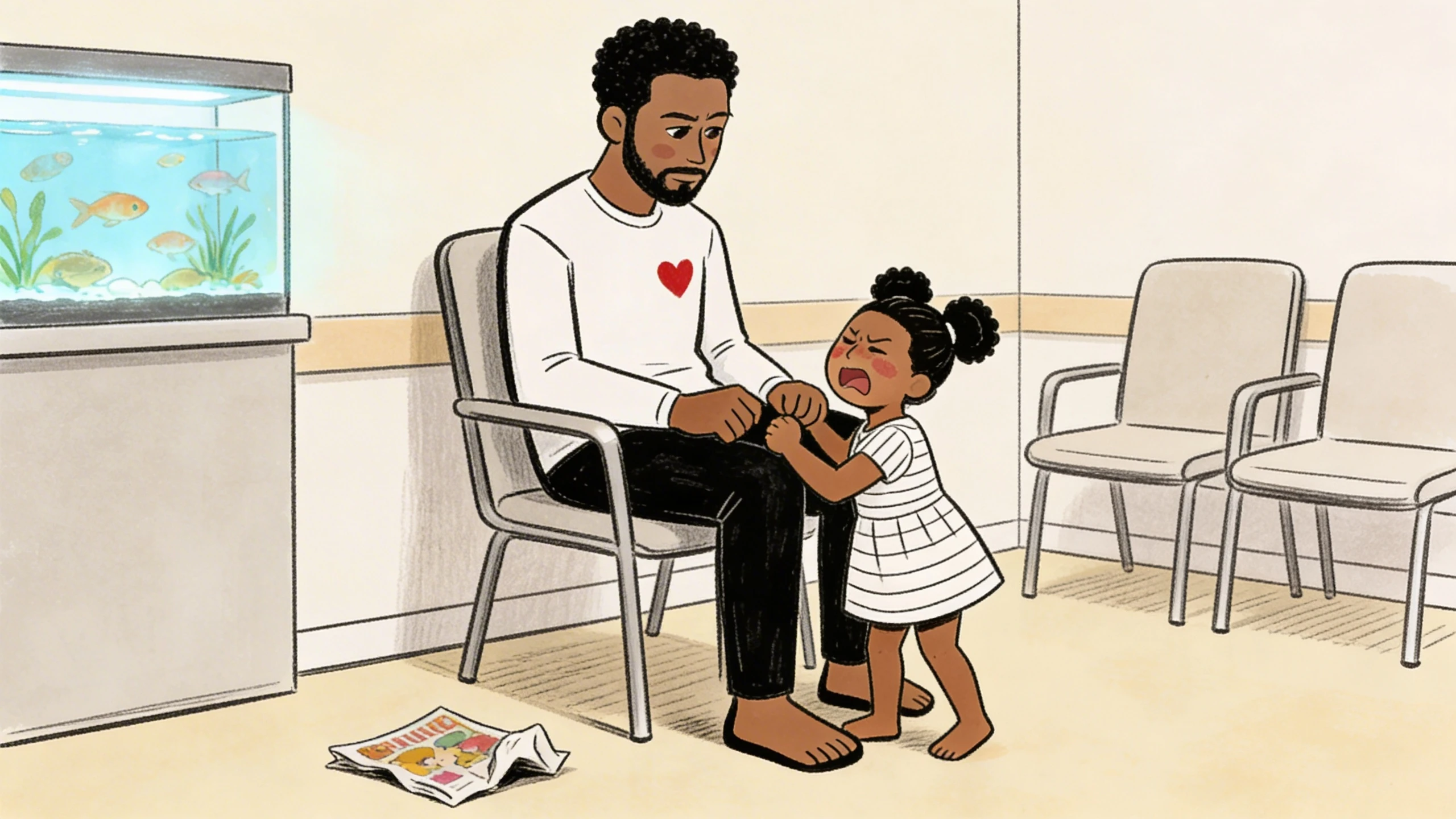
When your child pulls hair, hold their hand. When they scratch, catch their wrist. When they throw something dangerous, move it. Do this calmly, the way you would move a hot pan off the stove. No gasp, no lecture. Boring.
Say it once: "I won't let you pull my hair. That hurts my body." Then stop talking about it. One sentence. Done.
Name what they're feeling
"You're frustrated because your sister took the block." "You want me to pick you up and I'm making dinner." "You're so tired."
You don't need to be exactly right. Just close enough that your child feels seen. When a toddler feels understood, the urgency behind the physical behavior drops. Not immediately, not every time, but consistently over weeks.
Redirect the physical urge
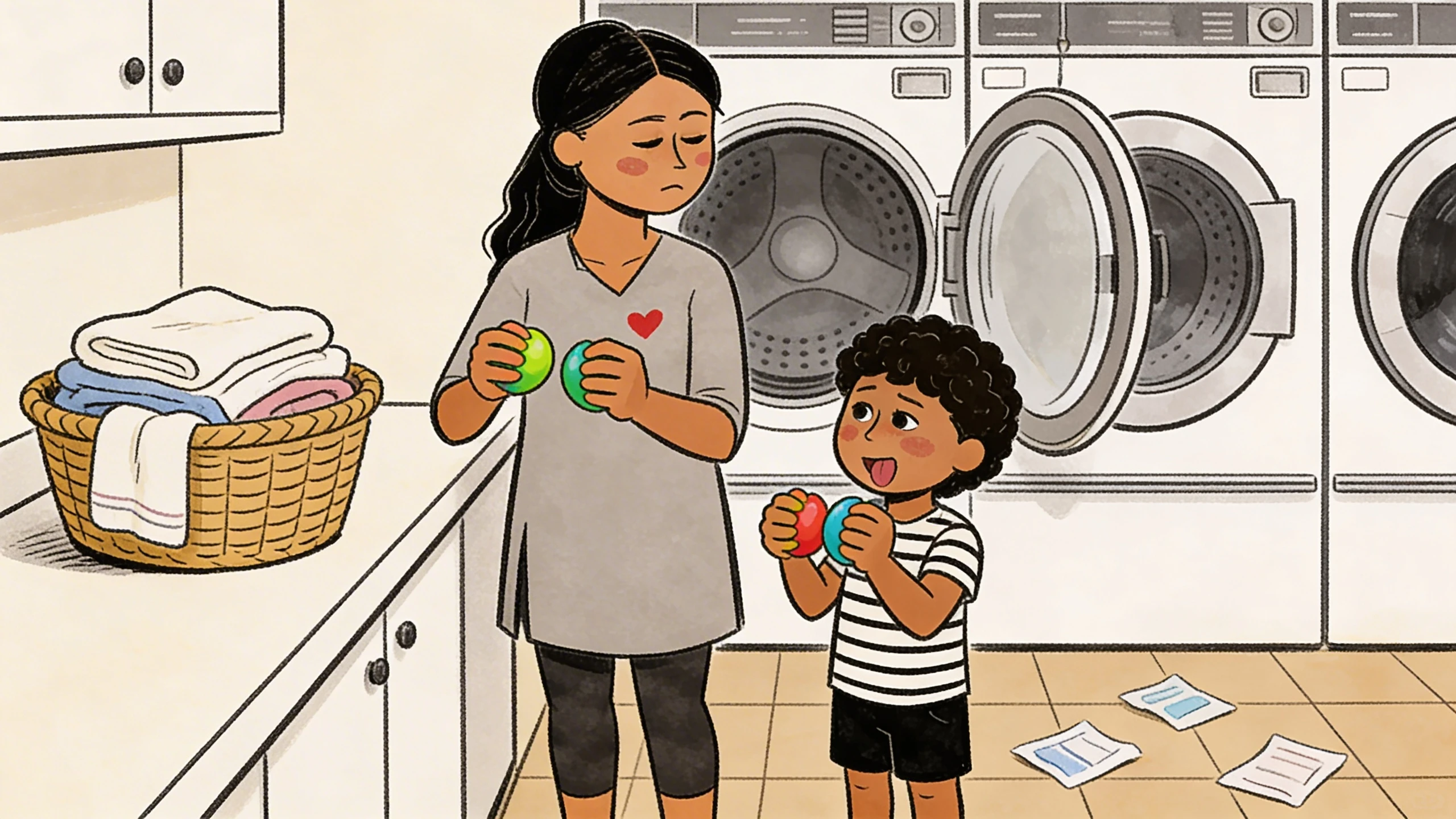
Your child needs to throw. Fine. Not the remote, but a ball. Your child needs to pinch. Fine. Not their playmate's arm, but a squeeze ball. Your child needs to pull something. Fine. Not your hair, but a textured toy.
The urge is legitimate. The target needs to change. When your own frustration rises, remember: the redirect is a replacement for the dangerous version, not a prize for bad behavior.
What to do about specific behaviors
How to respond to hair pulling, scratching, and throwing
- For hair pulling at bedtimeTie your hair back and make it physically unavailable. Introduce a textured lovey or beaded necklace as a replacement. Redirect their hand every time, without anger: 'Hair is not for pulling. Here's your necklace.' Expect several nights of protest before the switch takes hold.
- For scratching during frustrationCatch their hand before it lands. Say 'You're so mad. I won't let you scratch.' Offer an alternative physical release: stomping feet, squeezing a pillow, or pressing palms against a wall. Give them words: 'Say I'm mad instead of using your hands.'
- For throwing everything in sightDesignate a throwing zone. Outside with balls. Stuffed animals into the bathtub. Beanbags at a target. At meals, sit close and remove the plate before the throwing begins. You will learn the warning signs faster than you think.
- For pinching other childrenHover during peer play without apology. Stay within arm's reach. When you see the wind-up, intercept: 'I'm going to help you keep your hands safe.' After, offer a squeeze ball: 'This is for pinching, not people.'
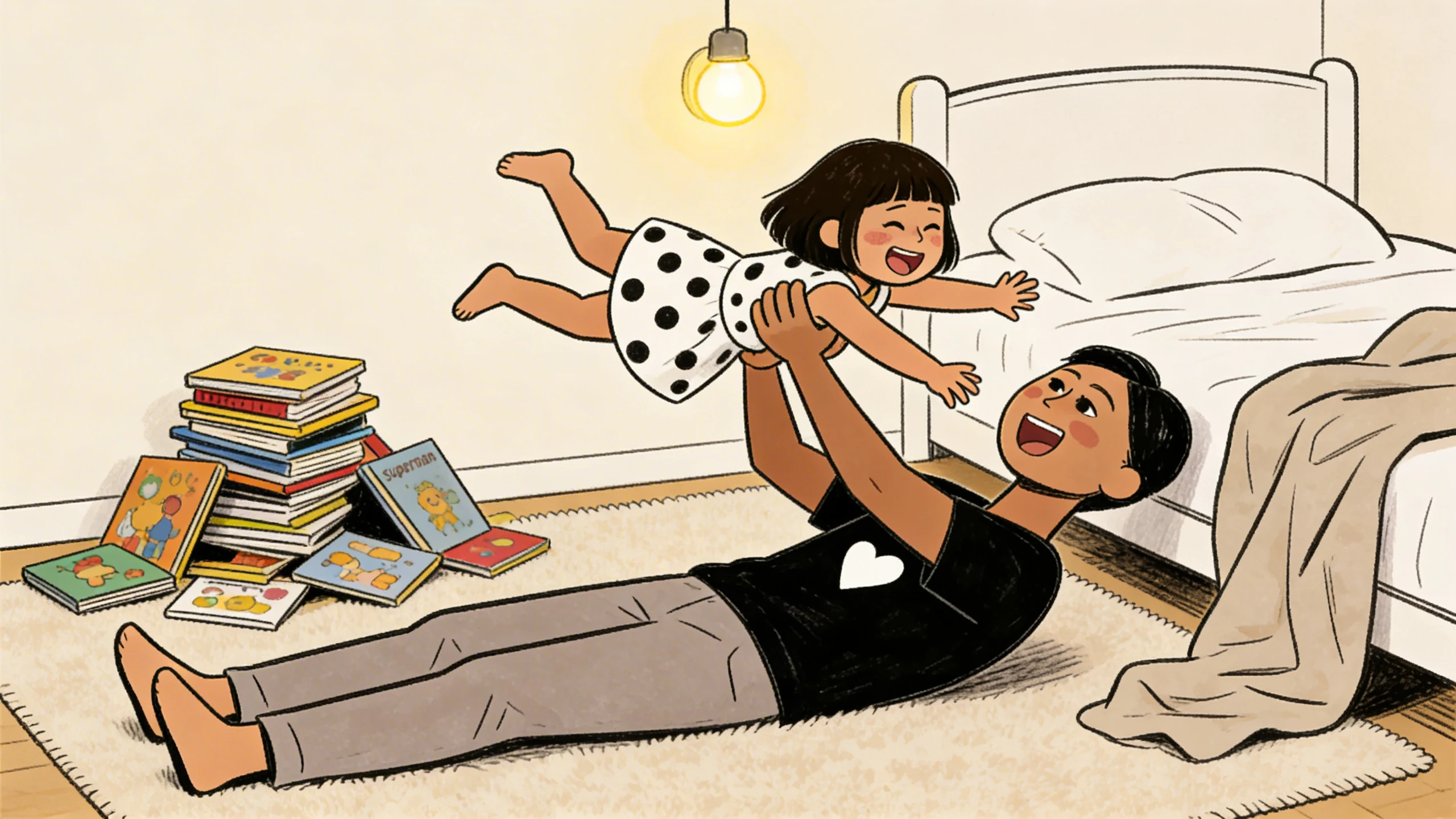
- For laughing while hurting youThis is a connection bid in terrible packaging. Move away briefly, regulate yourself, then come back with physical play: 'Are you out of hugs? Come here, you little tornado.' Roughhousing fills the connection tank faster than a lecture.
When the crying starts (let it happen)
You set the limit. You caught their hand before the scratch landed. And now your toddler is wailing.
Good.
The crying means you did something right. Your child was using the physical behavior to avoid feeling something uncomfortable. Now that the outlet is gone, the feeling has to come out another way.
Stay close. "I know this is hard. You really wanted my hair. I'm right here." They may cry for several days at the same trigger point. They are grieving the loss of a coping strategy. On the other side of that crying is a child who no longer needs to scratch your face to feel okay.
The connection piece you might be missing
If these behaviors are escalating, especially if your child responds to gentle scripts the same way they'd respond to a wall, ask yourself: is their connection tank full?
Fifteen minutes of focused, phone-free, one-on-one time per day reduces attention-seeking physical behaviors faster than any discipline strategy. Not fifteen minutes of being in the same room while you fold laundry. Fifteen minutes on the floor doing whatever ridiculous thing they want. The investment pays dividends in scratches you never receive.
What does NOT work
Saying "be gentle" on repeat. Your toddler hears the words but lacks the impulse control to act on them when emotions spike. Modeling gentle touch during calm moments works better than correcting during heated ones.
Time-outs. Isolating a child who is already overwhelmed teaches them their feelings make them unfit for company. It also creates a power struggle, which is gasoline on the fire for a kid already trying to feel powerful.
Punishing without addressing the need. You can make your child afraid to throw in front of you. They'll throw when you're not looking. The behavior goes underground, the need stays unmet.
Ignoring it. Some behaviors fade with brain development. Hair pulling that's become a comfort habit does not. Scratching that gets a dramatic reaction does not. Active redirection beats passive waiting.
The long game
These behaviors peak between 14 months and three years. That's the window when physical impulse is highest and verbal skill is lowest. As your child's vocabulary grows and their prefrontal cortex matures, the scratching, pulling, pinching, and throwing fade. They found better tools.
Your job right now is to be the bridge between body-based communication and the verbal, regulated communication they're growing toward. Every time you catch a hand, name a feeling, and redirect to a squeeze ball, you are building that bridge.
It doesn't feel like progress when you're washing scratch marks off your neck for the third time today. But it is.
FAQ
Yes. The laughter usually signals a bid for connection, not enjoyment of your pain. They've learned this behavior gets your instant, undivided attention. Reduce the dramatic reaction, move away briefly to regulate, then come back with a playful alternative that fills their connection need.
It works as a last resort if months of consistent redirection haven't helped. But first try making hair physically unavailable with a bun or scarf, and offer a textured replacement. Most children transfer the habit to an acceptable substitute within one to two weeks of consistent practice.
Hover without guilt. Stay within arm's reach and intercept before the pinch lands. Remove your child gently, name the feeling, offer a squeeze ball. If pinching continues, shorten the playdate. Your child is telling you the social situation is overwhelming their coping capacity.
Meeting the underlying need for connection is different from rewarding the behavior. You are not saying 'great job pulling my hair.' You are saying 'you needed me, and here I am, and next time try asking for a hug instead.' The replacement behavior is the key piece.
Talk to your pediatrician if the behaviors intensify after weeks of consistent redirection, if your child seems unaware of causing pain after age three, or if physical aggression is combined with significant speech delays or sensory processing difficulties.