TLDR
- You're the safe person, not the problem. Kids save their biggest emotional releases for the adult they trust most. Being hit by your toddler is, paradoxically, evidence that your relationship is strong.
- Closeness triggers the meltdown. A warm, connected moment can unlock feelings your child has been stuffing down. The snuggle didn't fail. It worked so well your child finally felt safe enough to let the hard stuff out.
- Anger is the top layer. Underneath the hitting is almost always fear or sadness. When you stay steady through the anger, your child can access what's really going on.
- Fear-based discipline makes it worse. Yelling or punishing a child who hits out of insecurity confirms their worst fear: that they're losing you. Compliance through fear is temporary and the fallout is lasting.
- This phase has an expiration date. The intense need for your presence and the hitting that comes with it are developmentally normal and temporary. You will get to finish a conversation with another adult again.

The worst compliment your child will ever give you
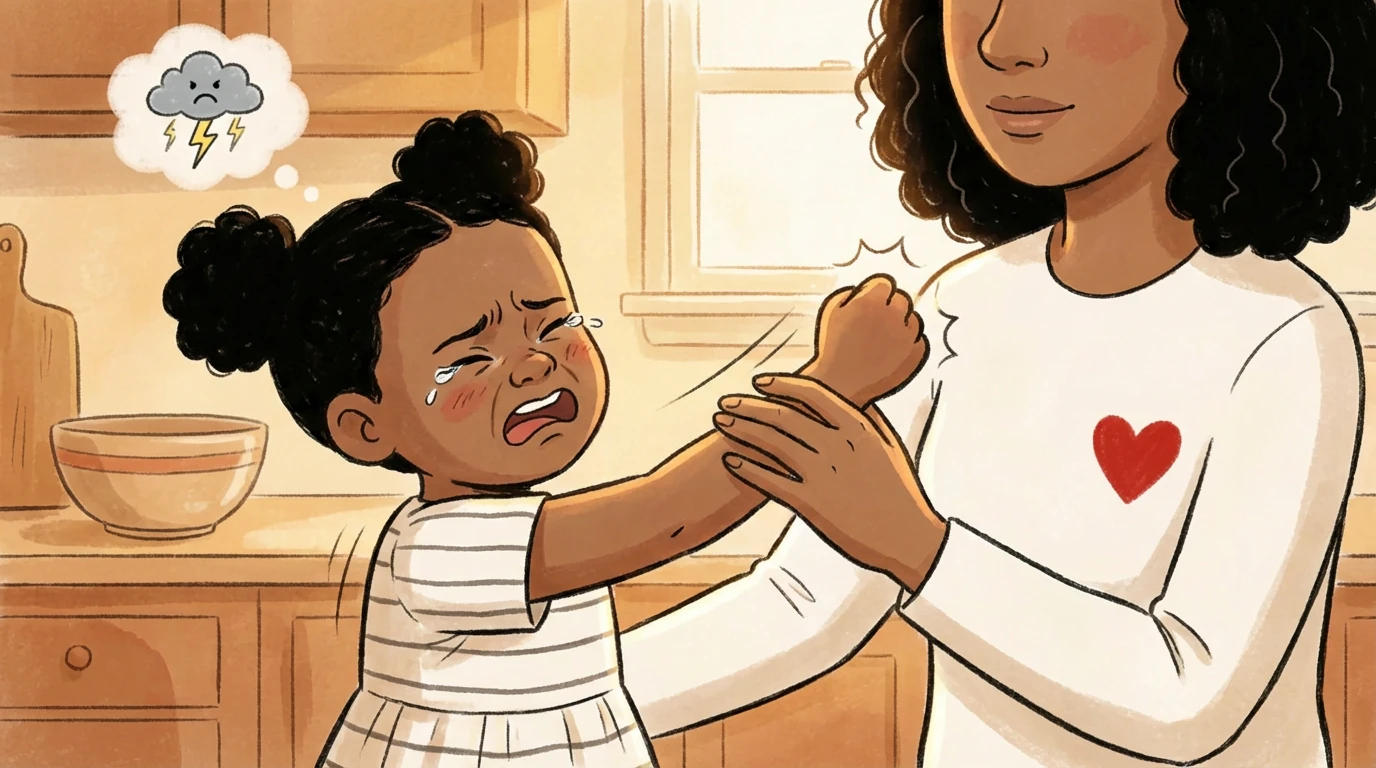
Your kid hauls off and smacks you across the face. You were having a nice moment. Maybe you were snuggling on the couch, maybe you just picked them up from daycare. Then, out of nowhere: whack.
Your first thought is some version of what is wrong with this child followed immediately by what is wrong with me.
Here's what's happening. Your child has been carrying difficult feelings (fear, jealousy, sadness, the whole mess) and stuffing them down because the moment didn't feel safe enough. Then you showed up with your warmth, and their nervous system got the signal: okay, it's safe now. The closeness itself is what cracked open the emotional dam. The hitting is a direct result of it, not a rejection of your connection.
This is why kids who feel securely attached to a parent reserve their worst behavior for that person. You're not the target because you're doing something wrong. You're the target because you're the one person they trust enough to fall apart with.
Only hitting you
The Beyond Hitting course will explain why you're the target
You'll stop taking it personally and start using that trust as the foundation for change.
The emotional backpack (and why it explodes on you)
Think of your child walking around with an invisible backpack full of every feeling they couldn't process in real time. The moment at daycare when another kid grabbed their toy. The new baby getting all the attention. The low-grade anxiety of being two feet tall in a world built for adults.
They can't articulate any of this. So they stuff it in the backpack and keep moving.
What closeness does to a full backpack
When you give your child your full, warm attention, you're unzipping that backpack. The safety of your presence gives them permission to feel everything they've been holding. And because they're two or three or four and don't have the language for "I've been experiencing existential dread about whether you still love me since the baby arrived," it comes out as a fist.
Why anger is just the surface emotion
Anger is the top layer. It's the bodyguard emotion, the one that feels powerful instead of vulnerable. Underneath the hitting is almost always sadness or fear. When you stay steady through the anger (without punishing, without pulling away) your child can access what's really going on. That's when the crying starts. And the crying is the actual healing.

What to do in the three seconds after your child hits you
Your child just hit you. Adrenaline spikes. Every instinct says react. Here's what to do instead.
How to respond when your child hits you
- Block the hit, not the feelingCatch their hand or move your body out of range. Say firmly: 'I won't let you hit me.' No yelling, no lectures. Just the boundary. You're stopping the action while keeping the emotional door open.
- Stay close instead of pulling awayYour gut reaction is to create distance. Override it. Hold their hand, stay at their level. Pulling away confirms their deepest fear: that their big feelings are too much for you.
- Name what you seeSay: 'You seem really angry right now.' Don't say 'that was mean' or 'you hurt me.' Naming the emotion without judgment gives them a word for the chaos inside their body.
- Offer a physical outletTry: 'You can push against my hands to show me how mad you are.' Kids need a physical channel for big feelings. Pushing your palms gives them resistance without anyone getting hurt.
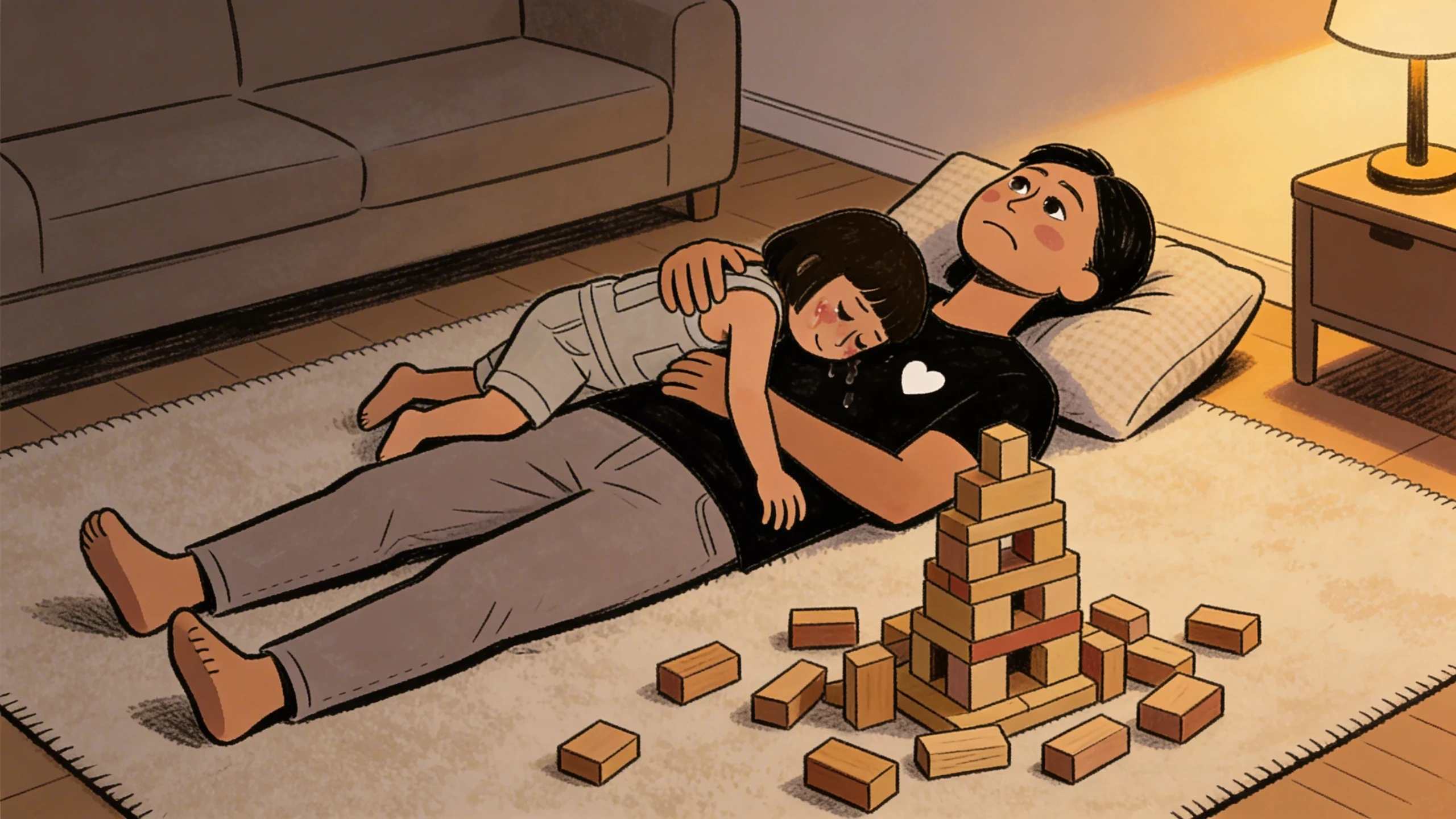
- Listen through the tearsWhen the anger breaks into crying, you've reached the real feeling. Just be there. You don't need to fix it or explain anything. Your presence while they cry is the thing that heals.
Why yelling makes the hitting worse (not better)
Other parents will tell you that your kid "doesn't know who's boss." That a good yell or a sharp consequence will sort this out. It won't.
A child who hits out of insecurity is communicating: "I'm scared I'm losing you." Yelling confirms that fear. You get short-term compliance through intimidation, but you've deepened the underlying problem. The child becomes more anxious, more clingy, more likely to lash out the next time their nervous system sounds the alarm.
Fear works as a motivator exactly as long as you're bigger and scarier than your child. That window closes. The problems that emerge when fear-based control stops working are far harder to handle than toddler hitting. A four-year-old who hits because they're scared is manageable. A twelve-year-old who has internalized the belief that they're bad inside is not.
Teaching them what to do instead of hitting
You can't just remove hitting and leave a void. Your child needs a replacement behavior for the same emotional need.
The magic sentence
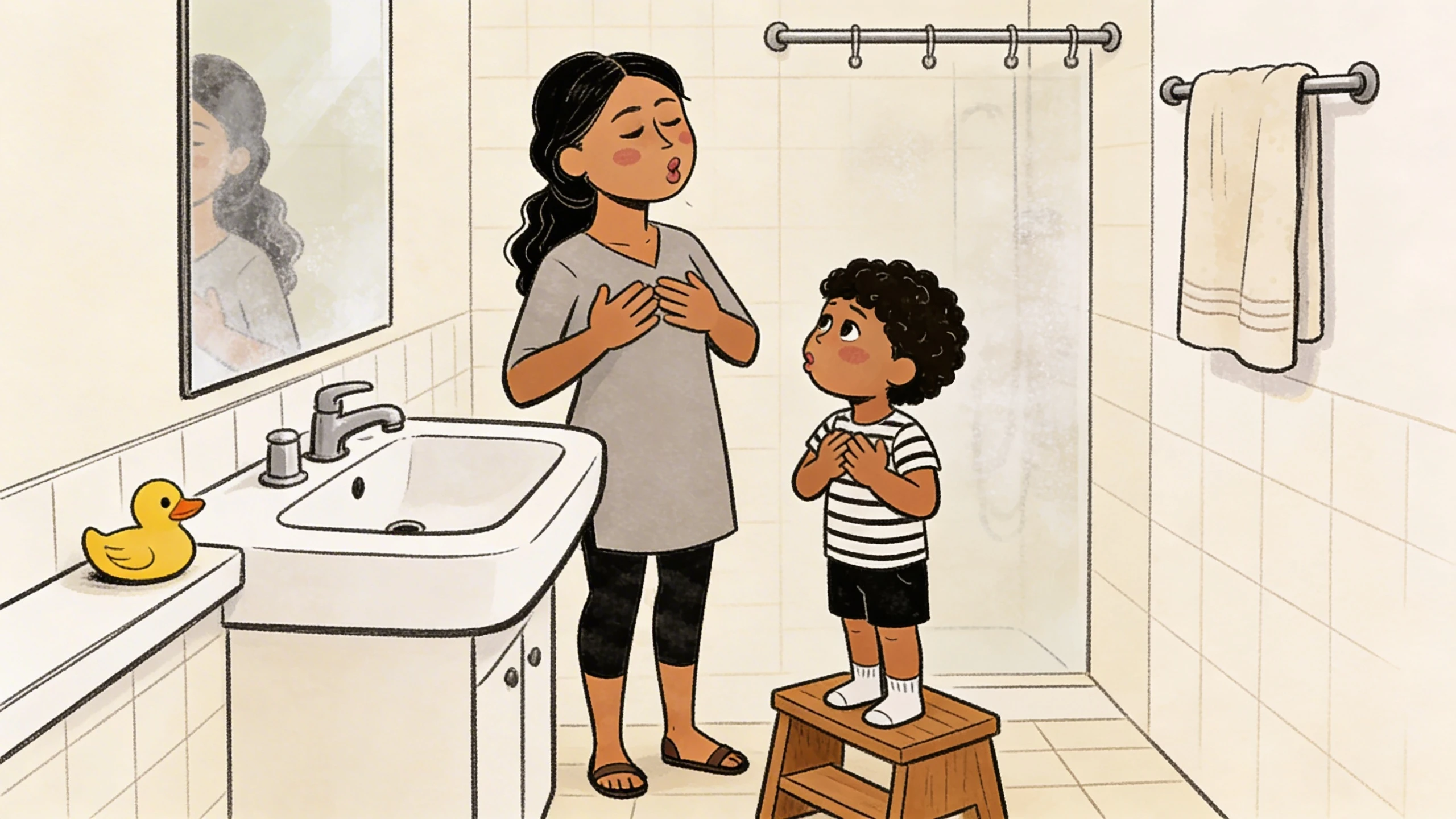
Teach your child this script: "I need you." Or for younger toddlers: "Me need you" (or whatever name they use for you). Practice it during calm moments. Role-play it. Make it a game.
When a child who used to hit starts saying "I need you" instead, that's a complete rewiring of the fear-to-aggression pathway into a fear-to-seek-help pathway. It's the whole ballgame.
Building an emotional vocabulary
As your child's language develops, help them name the feelings before the hitting. "You looked scared when I was talking to that other parent." "Your face got tight right before you hit. I think you were worried I forgot about you."
You're not putting words in their mouth. You're giving them words for something that had no words. Once a feeling has a name, it becomes something a child can bring to you instead of act out. This is how empathy develops and aggression fades over time.
The part nobody talks about: your feelings
Getting hit by your own child hurts. Not just physically (though a toddler palm to the nose is no joke) but emotionally. There's a specific sting to being attacked by the person you love most, the person you've sacrificed sleep and sanity for.
You're allowed to feel hurt. You're allowed to feel angry. You're allowed to have the thought I don't even like you right now. Having the feeling doesn't make you a bad parent. Acting on it by retaliating or withdrawing does.
If getting hit by your child triggers something from your own childhood, pay attention. Those moments when your childhood memories flood back are information, not random. If your reaction feels way too big for a toddler's slap, the intensity is probably coming from your own history, not this moment.
Being kind to yourself about this is what allows you to stay in the game, not optional. You can't keep showing up with steady presence if you're running on empty and beating yourself up.
This phase is temporary (even though it doesn't feel like it)
Right now, it might feel like you can't turn your back for thirty seconds without your child targeting another kid at the playground or socking you in the chin during story time. You might feel like you'll never finish a conversation with another adult.
You will. This intense need for your attention is a developmental phase, not a life sentence. The same child who needs you to be a constant, hovering security blanket at two will be ignoring you at the dinner table at twelve. (You'll miss the neediness. Not the hitting, but the neediness.)
Your job right now is to meet the need, not rush past it. Every time you stay close when they fall apart, every time you block the hit without blocking the feeling, every time you say "I see you're mad and I'm right here," you're building the internal security that makes the hitting stop. Not through fear. Through trust.
FAQ
You're their safest person. Children save their biggest emotional releases for the adult they trust most. Hitting you is a sign of secure attachment, not a sign that you're doing something wrong. They're showing you feelings they wouldn't risk showing anyone else.
Forced apologies don't prevent future hitting. A toddler who says sorry and immediately hits again hasn't processed anything. Focus on the underlying emotion first. Genuine remorse comes naturally once the child feels regulated and reconnected, not from a script performed under pressure.
You're not letting them hit you. You're stopping the hit ('I won't let you hit me') while accepting the feeling behind it. Setting a firm physical boundary while staying emotionally connected teaches that feelings are okay and hitting is not.
Yes. When your attention shifts, your child loses their sense of security and panics. They target smaller kids because it's the fastest way to get you back. The fix is the same: meet the attention need, teach them to say 'I need you,' and leave the playground calmly when hitting happens.
If hitting persists past age five with full language ability, happens regardless of emotional context, targets animals, or comes with a complete lack of remorse even when calm, talk to your pediatrician. For most toddlers and preschoolers, hitting tied to emotional overwhelm is developmentally expected.