TLDR
- Anger is covering something deeper. Underneath the hitting is fear, sadness, or disappointment your child can't tolerate yet. The aggression is a defense mechanism, not a character flaw.
- Punishment makes it worse, not better. Adding shame or consequences to a child already overwhelmed by feelings intensifies the emotional pressure driving the behavior.
- Your biology works against you in the moment. Pain sends you straight into fight-or-flight. You have to calm yourself first or you'll escalate the situation every time.
- Stay present, set the limit, then go under the anger. The sequence matters: acknowledge feelings, hold the boundary on hitting, then help them access the vulnerability beneath the rage.
- Repair and skill-building happen after, not during. Your child cannot absorb a lesson about hitting while emotionally flooded. Teach alternatives once they're calm and connected.

This isn't the toddler version
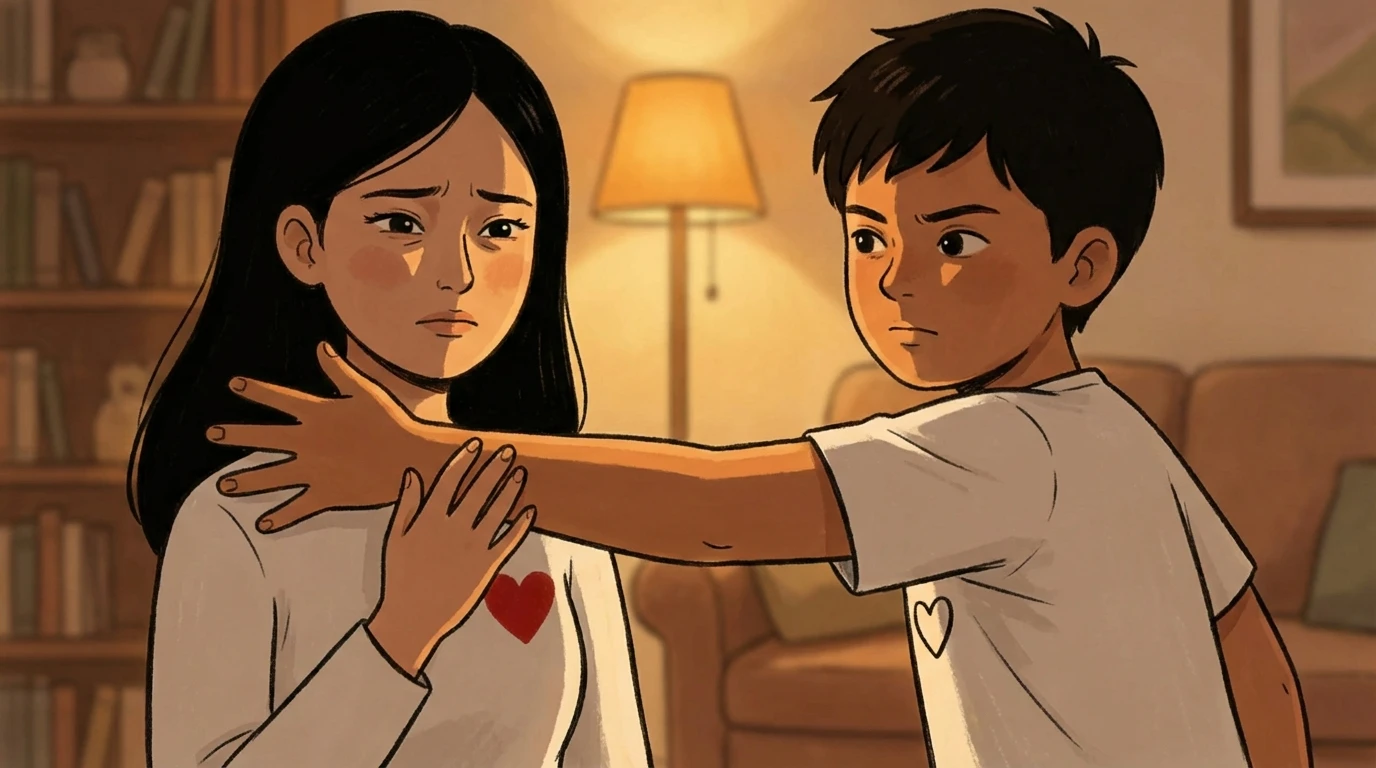
Your kid is five, six, seven, maybe older. They know hitting is wrong. They can tell you, in perfectly articulate sentences, that hitting is wrong. And then they haul off and smack you in the arm because you said no to screen time.
It's maddening. And it hits different when the child doing the hitting is old enough to ride a bike and do long division.
Here's what most parents try first: consequences, time-outs, raising their voice. The standard discipline playbook fails here because it doesn't address what's driving the behavior. If your older child is still having explosive outbursts that seem disproportionate, something bigger is going on underneath.
Too old to still hit
The Beyond Hitting course will show you age-appropriate responses for older kids
You'll replace the freeze-and-absorb pattern with calm boundaries that hold at seven, nine, or twelve.
What's happening in their brain
A child who hits when they're disappointed or told "no" is a child who cannot tolerate the feeling of disappointment. That sounds obvious, but the implications matter.
Most children gradually build the capacity to weather small disappointments without falling apart. Some kids are slower to develop that skill. They're more sensitive, more intense, more persistent. The world overwhelms them more easily.
When a negative feeling surfaces and your child can't bear it, anger takes over as a shield. Anger feels powerful. Sadness and fear feel vulnerable. Your kid would rather fight than cry, because crying feels worse.
Fear you can't always see
Four-year-olds worry about death and abandonment. Five-year-olds absorb tension at school they can't name. Six-year-olds pick up on your stress, your arguments, your exhaustion. Seven-year-olds face social exclusion on the playground and carry it home like a loaded backpack.
None of this shows up with a label. You see a kid punching your leg because you said no to a snack. You don't see the peer rejection at lunch or the creeping worry that you love their sibling more.
The aggression is the pressure valve, not the problem itself.

Why your reaction makes or breaks it
Here's the part nobody warns you about. When your child hits you, pain sends your brain straight into fight-or-flight. Your beloved kid instantly looks like the enemy. You want to yell, grab, lecture, punish. Every cell in your body says make this stop right now.
Any action you take from that state will make things worse. Every time.
The two-minute reset
When you get hit:
- Say "OW. That hurt." (Out loud. Let them see the impact.)
- Say "I need a minute to calm down."
- Walk to another room. Breathe. Count to ten.
In that room, do not rehearse your lecture. Do not mentally list all the reasons your child is becoming a terrible person. Instead, remind yourself: this is a kid who is having a hard time, not giving me a hard time.
If your child is under five or has big abandonment fears, leave the door open. This is harder but necessary.
What your own history has to do with it
If being hit by your child sends you into a rage that feels too big for the moment, pay attention. Many parents carry old wounds about being hurt or dismissed. Your child's fist connects with your arm, but the pain lands somewhere much older. That reaction is worth exploring, even twenty minutes with a journal.
How to respond when your older child hits you
- Name the impact out loudSay 'That hurt me' with your real voice, not a lecture voice. Let them see that hitting has a concrete effect on someone they love. This builds empathy they can't access through reasoning alone.
- Step away and regulate yourselfGo to another room if possible. Breathe. Your calm is a prerequisite for everything that follows. You cannot help your child process emotions while your own nervous system is on fire.
- Return and validate the feelingGet on their level. Say something like 'I see how angry you are. You're so disappointed.' Name the feeling underneath the anger, not just the anger itself.
- Hold the limit clearlySay 'You can be as mad as you want. Hitting is never okay.' Separate the feeling (always allowed) from the action (never allowed). No lectures, no guilt trips.
- Help them get to the tearsStay present and compassionate. If they feel safe enough, anger will soften into sadness or fear. Let the tears come. Hold them if they'll let you. This is where the real processing happens.
- Teach alternatives when calmLater, not during the storm, ask: 'Next time you feel that angry, what could you do instead of hitting?' Let them generate ideas. Stomping, screaming into a pillow, leaving the room to breathe. Practice the plan so their body remembers it.
The script that works
You've calmed down. You go back. Your child is still fuming, or maybe sulking. Here's what to say:
"That really hurt me. I can see how upset you are. I know you're disappointed and angry, and that makes you feel like hitting. Hitting is never okay. You can tell me what you need without hurting me."
Then stop talking. They might yell. They might say something cruel. "You're the worst parent ever."
Do not defend yourself. Do not list everything you do for them. Instead: "You're really angry about this. I hear you."
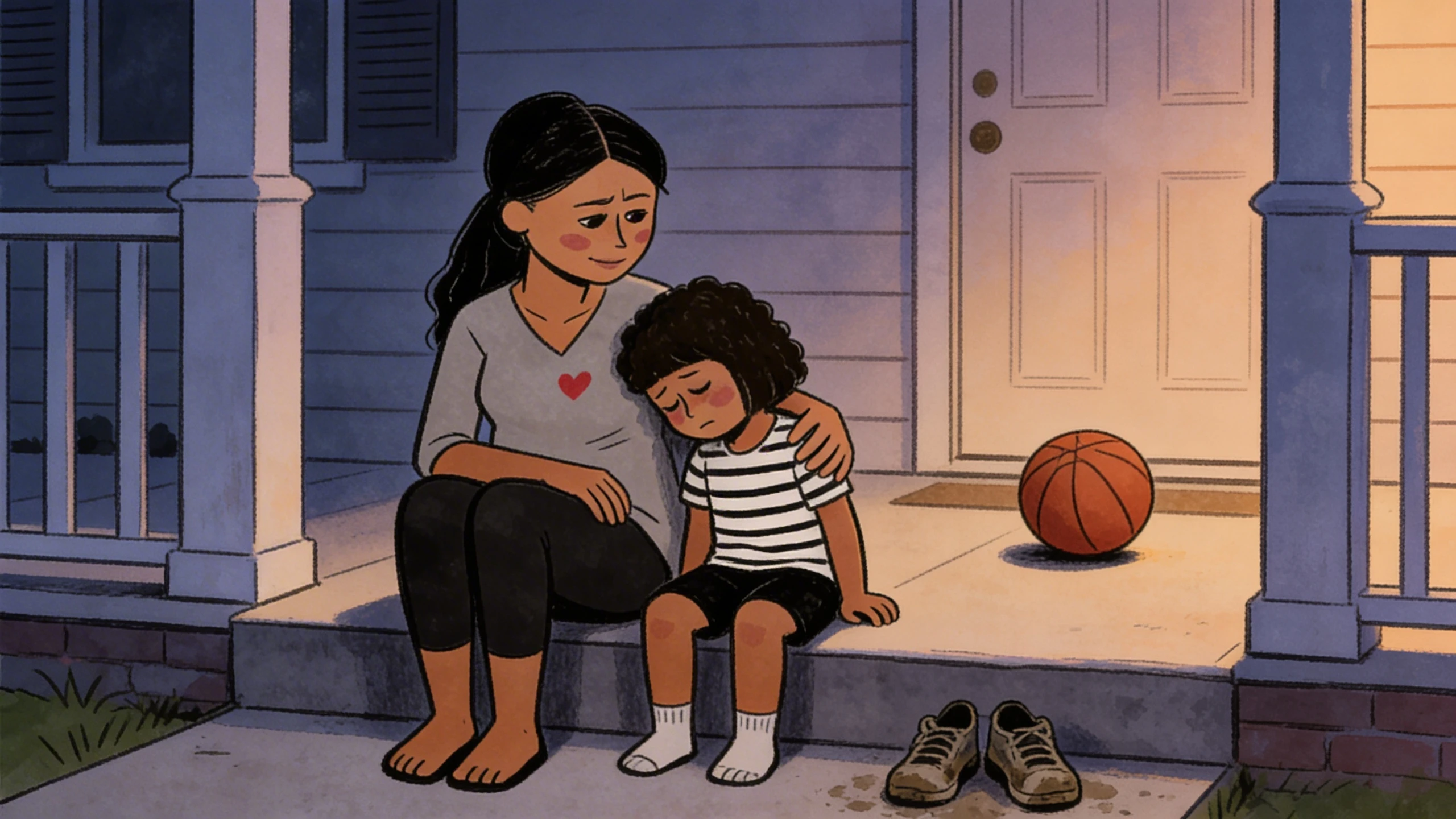
This is agonizing. But when you stay steady, the anger runs out of fuel. Underneath it, your child finds what they were really upset about. Maybe "everyone else gets to go and I'll be the only one left out." Maybe something they can't name yet. When they finally cry, that's the turning point.
When your child seems like they don't care
Some kids hit and then shrug. Smile. Say "it was a joke." This looks like callousness, but the indifference is guilt-induced numbness. They're so anxious about what they just did that they shut down. Don't mistake the mask for the feeling.
If your child can't access their emotions through talking, try play. Grab some stuffed animals and act out a bonking scene. Get your kid laughing. Laughter and tears release the same emotional pressure. Sometimes giggles are the only door that's open.
What doesn't work (and why parents keep trying it)
Time-outs isolate a child who already feels disconnected. They comply out of fear, not understanding.
"Cracking down" with bigger consequences works for a while, then stops. What happens when they're seven and too big to drag to their room? You've trained a child who cooperates only under threat, and the threats stop working.
Demanding immediate apologies asks a dysregulated child to perform remorse they can't feel yet. The apology will mean something later, after they've processed the feelings.
Kids whose parents try standard discipline that isn't landing often need a different approach entirely. Empathic limits pay increasing dividends over time. Love becomes more effective as a motivator, not less.
The long game
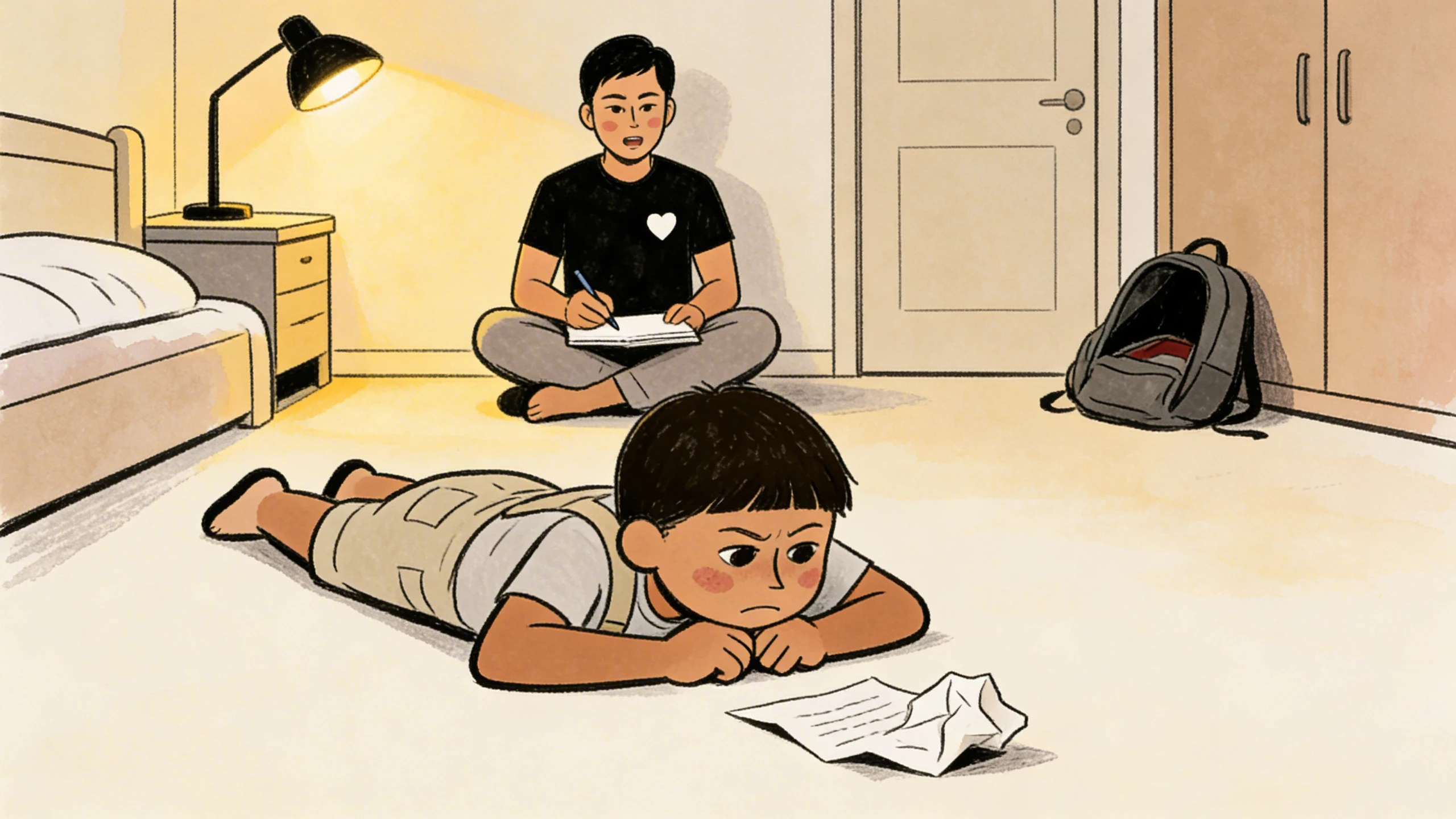
Your child will not stop hitting overnight. They might hit less frequently, then more again, then less. The crying fits might get bigger before they get smaller, because your child is testing whether it's truly safe to show you everything.
Every time you hold the limit without punishing, you're building something. Your child learns that anger is allowed, hitting is not, and you'll be there either way.
Kids who melt down like they haven't outgrown the toddler stage are carrying feelings that haven't had anywhere to go. You're giving those feelings a place. The child who emerges on the other side of a good cry is cooperative, affectionate, and free in a way they weren't ten minutes before.
That version of your kid has been in there the whole time.
FAQ
It's more common than most parents realize. Some children are slower to develop the emotional regulation needed to handle disappointment without lashing out. It doesn't mean something is deeply wrong, but it does mean they need active help building that skill rather than just consequences.
Only if you can do it calmly and gently, never as punishment. Sit down, invite them onto your lap, hold them with their back to you. If you're too angry to be gentle, step away instead. Restraint done in anger makes everything worse.
Children hit the person they feel safest with. Being the target of aggression, paradoxically, often means you're the most trusted relationship. Your child shows you their worst because they trust you won't leave.
Expect gradual improvement over weeks, not days. The crying fits may get bigger at first as your child tests whether it's truly safe to show big feelings. Most families see a meaningful shift within one to two months of consistent practice.
If the aggression is escalating despite consistent empathic limits, if your child is hurting others at school regularly, or if you find yourself unable to stay calm no matter what you try, a family therapist can help identify what's stuck and give you both more support.