TLDR
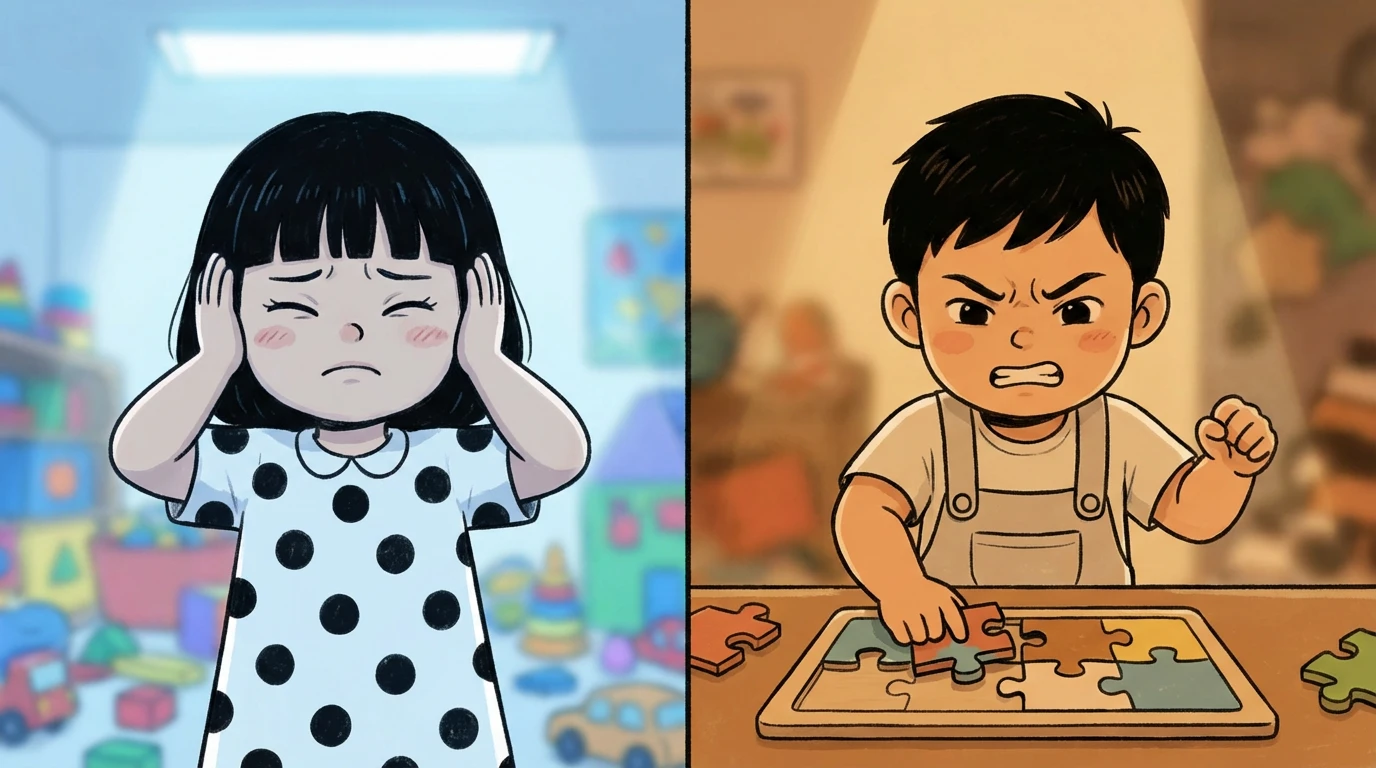
- Sensory aggression follows patterns. It happens after long periods sitting still (seeking input) or in overstimulating environments (avoiding input).
- Frustration aggression has clear triggers. Your child wants a specific thing, can't have it, and hits to communicate that unmet desire.
- Different problems need different solutions. Sensory issues need environmental changes or input redirection. Frustration needs problem-solving and emotional validation.
- Timing tells you everything. Sensory hitting often comes out of nowhere. Frustration hitting happens right after a 'no' or blocked goal.
- Your child's history matters. Kids with sensory patterns hit consistently in similar environments. Kids with frustration patterns hit when specific desires are blocked.

The moment before the hit tells you everything
Your child's fist connects with your thigh. You're standing there wondering if this is because the lights are too bright, the day was too long, or because you said no to the candy bar three seconds ago.
The moment right before the hitting started contains all the information you need. Most parents miss it because they're focused on stopping the behavior instead of understanding what triggered it.
Sensory-driven aggression and frustration-driven aggression look identical in the moment of impact. The difference is in everything that happened in the 30 minutes before that moment.
What sensory-driven aggression looks like
When your child hits because of sensory needs, their nervous system is either completely overwhelmed or desperately seeking input.
The sensory-seeking pattern
Your child has been sitting too long. Maybe it's after school pickup, a long car ride, or three hours inside on a rainy day. Their body is screaming for movement, pressure, or impact.
The progression looks like this: fidgeting → whining → more intense fidgeting → hitting whoever is closest. The hitting serves a biological function - their hands need deep pressure input, and hitting delivers that instantly.
Kids who follow this pattern are usually:
- Naturally high-energy and restless
- Quick to complain about being bored
- Physical in their play (jumping, crashing, wrestling)
- Hitting after periods of forced stillness
When you think about why kids hit in the first place, sensory-seeking makes perfect sense. Their body has a genuine physical need that isn't being met.
The sensory-avoiding pattern
Your child's nervous system is maxed out. The environment has too much input - bright lights, background noise, people talking, music playing, textures touching their skin.
Their body is shouting "make it stop" and hitting becomes the emergency brake. This child often hits and then immediately wants to hide, cover their ears, or leave the room.
Kids who follow this pattern are usually:
- Sensitive to sounds, lights, or textures
- Easily overwhelmed in busy environments
- Needing more downtime than other kids
- Hitting in loud, bright, or crowded spaces
Their nervous system has reached maximum capacity.
If you're wondering whether sensory overload might be behind your child's hitting, pay attention to the environments where it happens most.
Sensory or frustration
The Beyond Hitting course will help you tell the two apart quickly
You'll read your child's body cues and pick the right strategy before the aggression escalates.

What frustration-driven aggression looks like
Frustration-driven aggression happens when your child wants something specific and hits because they can't get it. This is about unmet desires, blocked goals, or being told "no" when they expected "yes."
The frustration pattern
Your child was reaching for something, going somewhere, or trying to do something. You blocked that action or they couldn't complete it themselves. The hitting happens within seconds of the blocked goal.
The progression looks like this: desire → obstacle → immediate emotional reaction → hitting. There's no sensory buildup period. The hitting communicates "I want that thing and you're stopping me."
Kids who follow this pattern are usually:
- Hitting right after hearing "no"
- Hitting when a sibling takes their toy
- Hitting when they can't reach something they want
- Hitting when an activity ends before they're ready
This type of hitting is pure communication. Your child is saying "I'm upset that I can't have what I want, and I don't know how else to tell you that."
The specific triggers
Frustration hitting has identifiable triggers:
- Transition resistance: They don't want to leave the playground, stop watching TV, or get in the car
- Sibling conflicts: Someone took their toy, got the preferred cup, or sat in their spot
- Access blocked: They want a snack you said no to, want to go somewhere you can't go, or want to do something unsafe
- Task difficulty: They can't zip their jacket, can't reach something, or can't make something work
The key difference: frustration hitting always has a clear "I want X but can't have X" story behind it.
How to tell them apart in real time
Ask yourself these diagnostic questions
For sensory-driven hitting:
- Has my child been sitting still for more than 30 minutes?
- Are we in a loud, bright, or overwhelming environment?
- Did whining or fidgeting happen before the hitting?
- Does my child seem to calm down after hitting (like their body got what it needed)?
For frustration-driven hitting:
- Did I just say "no" to something?
- Was my child trying to get/do/have something specific?
- Did the hitting happen within 10 seconds of being blocked?
- Is my child still upset about the thing they couldn't have?
The calming-down pattern tells you everything
Sensory hitters often seem relieved after hitting. Their body got the input it needed (for sensory-seeking) or they removed themselves from overstimulation (for sensory-avoiding). They might even seem surprised by their own behavior.
Frustration hitters stay upset about the original problem. The hitting didn't solve their core issue - they still can't have the thing they wanted. They'll often continue protesting, crying, or trying different strategies to get their desired outcome.
The response strategies are completely different
For sensory-driven hitting
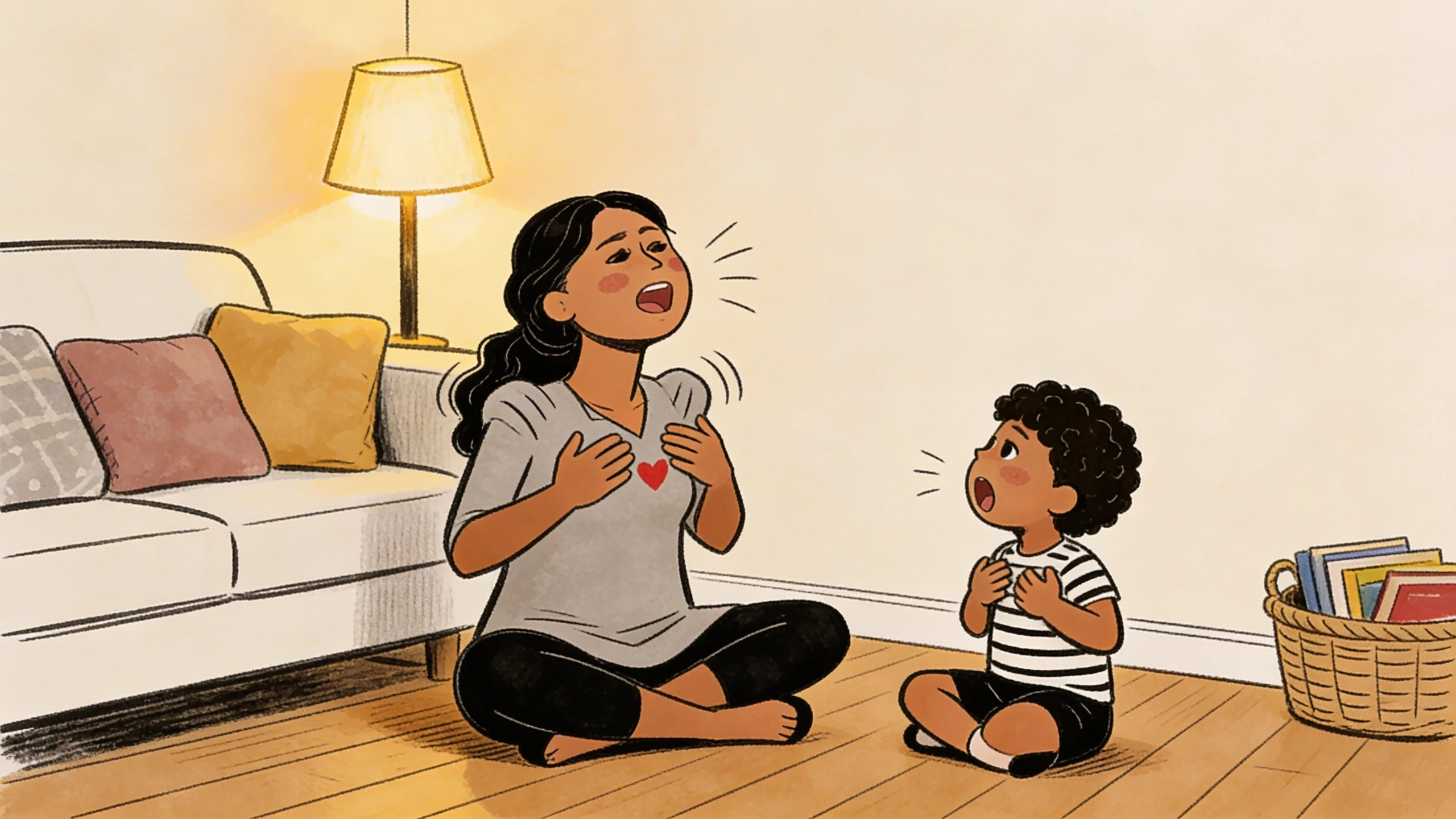
Connect with the underlying need: "Your body has lots of energy from sitting at school all day. Your hands need something to do."
Set a boundary: "I can't let you hit me, but I can help your body get what it needs."
Redirect to sensory input:
- For sensory-seeking: offer jumping, clapping, drumming, or heavy lifting
- For sensory-avoiding: move to a quiet, dim space with minimal stimulation
The goal is giving their nervous system what it needs. When you address the sensory need, the hitting usually stops immediately.
For frustration-driven hitting
Connect with the feeling: "You really wanted that cookie, and you're upset that I said no."
Set a boundary: "I can't let you hit me when you're upset."
Address the underlying desire: Help them problem-solve, offer alternatives, or validate that waiting is hard. Sometimes you'll change your "no" to a "yes" if that makes sense. Other times you'll help them cope with not getting what they wanted.
The goal is helping them express their wants and handle disappointment without hitting.
When the patterns overlap
Some kids hit for multiple reasons in the same meltdown - sensory-overwhelmed AND frustrated about leaving the loud playground.
In these mixed situations:
- Address the sensory need first (move to a calmer environment)
- Once their nervous system settles, address the frustration part
- Don't try to logic through the frustration while they're sensory-overwhelmed
How to identify your child's hitting pattern
- Track the timingWrite down when hitting happens for one week. Note the time of day, how long they've been in the current activity, and what happened in the 30 minutes before.
- Identify the triggerLook for patterns. Does hitting follow long sitting periods, loud environments, or being told 'no' to specific requests?
- Notice what calms themPay attention to what stops the hitting. Do they need movement, quiet space, or help getting what they wanted?
- Test your theoryOnce you think you know the pattern, try preventing it. Offer movement breaks for sensory-seekers or reduce stimulation for sensory-avoiders before hitting starts.
What if you're still not sure?
Some kids have mixed patterns or their needs change depending on the day. That's normal. Start with the most obvious pattern and adjust as you learn more about your child's specific triggers.
If you're seeing hitting patterns that don't fit either category clearly, consider whether ADHD, sensory processing differences, or ASD signs might be influencing your child's behavior.
Your child isn't hitting to be difficult - they're hitting because something in their world isn't working for them.
Remember that physical tantrums often include hitting, but the underlying cause determines what helps your child calm down.

The bigger picture
Understanding whether your child hits for sensory or frustration reasons changes everything about how you respond. You can't solve a sensory problem with logic, and you can't solve a frustration problem with sensory input.
Most parenting advice treats all hitting the same way, but nervous system needs and unmet desires require completely different approaches. Once you know which one you're dealing with, you can help instead of just managing the behavior.
The hitting will decrease when the underlying need gets met consistently. That might take time, but it happens faster when you're addressing the right problem.
FAQ
Yes, absolutely. Many kids hit for different reasons depending on the situation. Track the specific triggers and timing for each incident to see which pattern fits each episode.
Start with the most basic needs: adequate sleep, regular meals, and not too much stimulation. Random hitting often becomes patterned once basic needs are consistently met.
Sensory patterns often improve within days once you address the underlying need. Frustration patterns may take a few weeks as your child learns new ways to communicate their wants.
Never ignore hitting. Always set a boundary about hands being for safe touching. You can investigate the pattern while still stopping the behavior in the moment.
Understanding the reason behind hitting isn't making excuses - it's finding solutions that work. Most people give advice based on what worked for their child's specific triggers, not yours.