TLDR
- You cannot teach a child to manage anger while they are angry. The prefrontal cortex shuts down during fight-or-flight. Save the lesson for later. Your only job mid-meltdown is to be a calm, steady presence.
- Anger is a bodyguard for scarier feelings underneath. Fear, sadness, and hurt hide behind the rage. When kids feel safe enough to cry, the anger dissolves on its own.
- Sending kids to their room teaches them anger is shameful. It suppresses the feeling without processing it. Those stuffed emotions come back bigger and less controlled.
- Coping skills are built during calm, not during chaos. Wait for the snot bubbles to dry, then revisit the moment: name the feeling, brainstorm tools, practice them together.
- Your calm is the most powerful teaching tool you own. Children's nervous systems borrow regulation from yours. If you escalate, they escalate. If you breathe, they eventually breathe.
The "go to your room" problem
Here is what most of us learned about anger as kids: it was not welcome. When we got angry, we got sent away. Anger is dangerous. You are dangerous for feeling it.
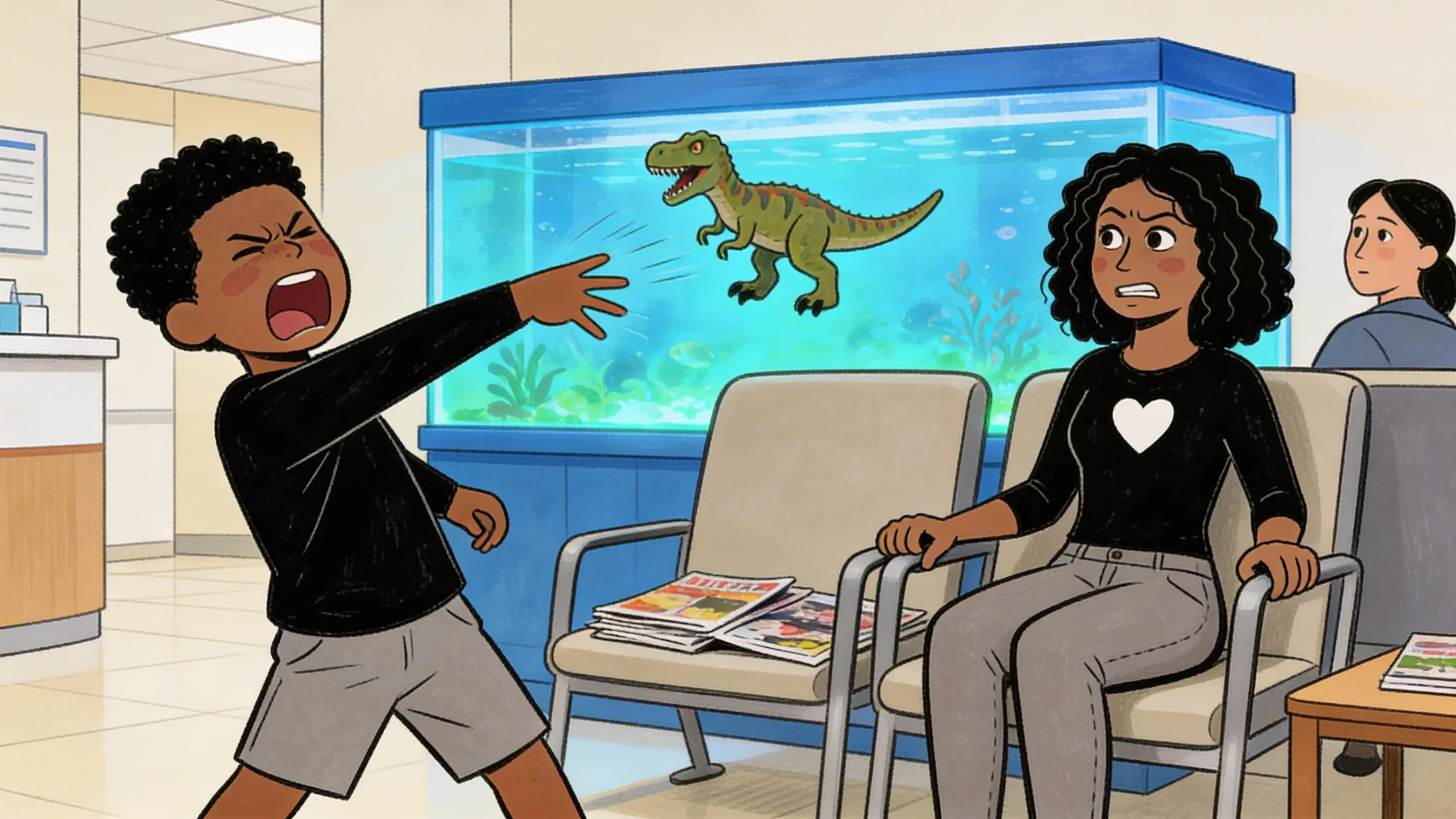
Now your four-year-old just threw a shoe at the dog. Every cell in your body wants to bark, "Go to your room!" Because that is the script you inherited.
Isolation teaches suppression, not regulation. The child calms down by stuffing the feeling somewhere they cannot reach. And stuffed feelings do not stay stuffed. They leak out as anxiety, moodiness, or a hair-trigger temper.
Thrown toys and screaming
The Big Feelings course will teach you to address anger without suppressing it
You'll set the limit on throwing while keeping the feeling welcome, and the outbursts will shorten.
What is happening in your child's brain
When your kid flips into rage mode, their prefrontal cortex goes offline. The fight-or-flight system takes over. Their brain has genuinely entered survival mode.
Reasoning with a screaming child feels like explaining algebra to someone running from a bear. The "bear" is a broken cracker, but their brain cannot calibrate threat levels yet. That wiring is under construction until roughly age seven.
Teaching a coping skill mid-tantrum is uploading software to a computer that has crashed. The single most important rule: teach later.
What "later" looks like
Wait until the wailing has stopped and you have both recovered. This might be ten minutes or two hours. Bedtime works well because children are naturally reflective when winding down.

The four-step teaching sequence
You will repeat this dozens of times. Each repetition lays down a slightly stronger neural pathway until your child reaches for the skill instead of the shoe.
Name what happened
Go back to the specific moment. "Earlier today, when your sister grabbed your fire truck, you got so mad that you shoved her." You are connecting trigger to feeling to behavior. Most kids experience this chain with zero awareness of the links.
Ask what else they could do
"I wonder what you could do instead the next time you feel that mad?" The phrasing matters. "I wonder" invites brainstorming. It gives your child ownership, which is the entire game with small humans who want to do everything "mineself."
Let them pick the tool
A coping skill your child helped choose is far more likely to be used than one you assigned. One kid wants to pound a pillow. Another prefers scribbling furiously on a chalkboard. A third chooses stomping. Let them pick, and have backups for when the preferred tool is unavailable.
Practice it right now
If they said "I could ask you for help," act it out on the spot. You pretend to grab their fire truck, they practice saying "I need help." Physical rehearsal converts abstract ideas into muscle memory.
How to teach anger coping skills to kids
- Wait for genuine calmNo teaching during the meltdown. Watch for normal breathing, dry eyes, and a body that has released its tension. Bedtime is a reliable window.
- Recall the specific eventName the trigger, the feeling, and the behavior: 'You were so mad when the iPad turned off that you threw the remote.' Be factual, not judgmental.
- Brainstorm alternatives togetherAsk 'What could you do next time you feel that mad?' Let your child generate ideas. Suggest options only if they are stuck, and offer choices rather than commands.
- Pick a tool they want to useAngry chalk, pillow pounding, stomping feet, squeezing a ball. The child chooses. Have at least two options so they are not helpless when one is unavailable.
- Rehearse it physicallyAct out the scenario together. You play the trigger, they practice the new response. This converts knowledge into a behavioral pathway their body can access under stress.
- Repeat across weeks, not daysExpect many repetitions before the skill competes with the instinct. Progress over time is the correct metric, not instant behavior change.
What to do during the actual meltdown
You cannot teach during the storm. But you are not helpless. Your job is to be the container.
Stay regulated yourself
Stop. Drop your agenda. Breathe. Your child's nervous system is scanning yours for cues about whether this is an emergency. If you stay steady, you become the signal that says: this is survivable. When you notice your own temper rising, that is your cue to pause, not push harder.
Acknowledge without fixing
You do not need to agree with their reason for being furious. Just let them know you see it. "You are so mad right now. I hear you." Rage does not dissolve until it feels heard.
Set limits without lectures
"You can be as mad as you want. No hitting. Tell me with your words or stomp your feet." The feeling is permitted. The violence is not. Do not demand apologies mid-storm. Do not insist they clean up whatever they threw. First calm. Then connect. Then, much later, teach.
Stay close unless safety requires distance
"I am right here. You are safe." If they shout "go away," move back but do not leave. "I hear you. I am moving back. I will not leave you alone with these big feelings."
If they try to hit you, step back. Hold their wrists if you must. "I see how angry you are. You can push against my hands, but no hurting." Most children, once they feel genuinely heard, stop swinging and start crying. The tears are the breakthrough.
The feelings hiding under the anger
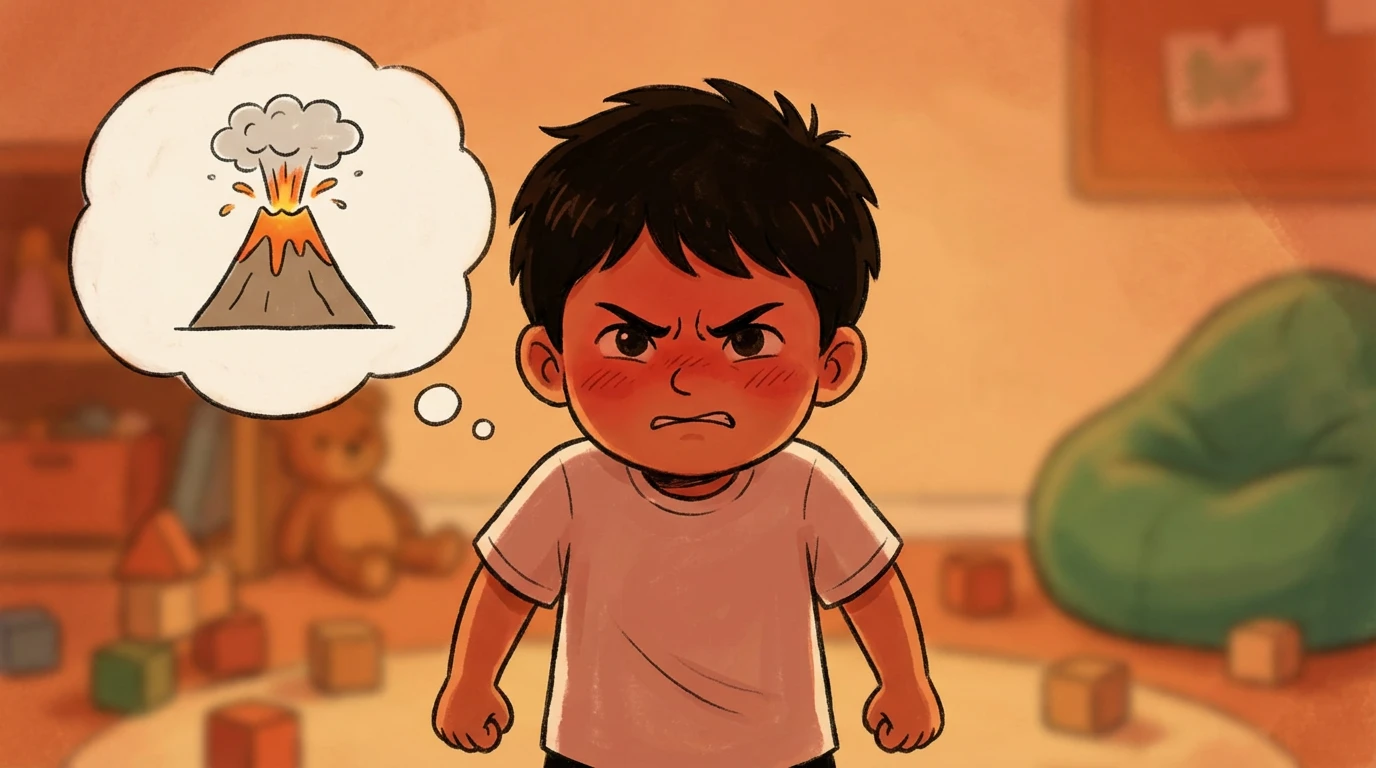
Anger is almost always a bodyguard standing in front of feelings your child cannot face: fear of losing you, sadness they cannot name, hurt they have no words for.
When your empathy meets their wound, the bodyguard steps aside. The tears come. Once a child cries in your arms, those tangled-up feelings start to untangle. You will notice them softer, more cooperative, less rigid afterward.
This is why building a personalized calm-down toolkit matters. Kids who have practiced coping strategies during calm moments can reach for those tools before anger takes the wheel.
What about kids who refuse to talk
Some children go silent when angry. Three reasons: their verbal brain is offline, they lack the vocabulary for what they feel, or past experience taught them that expressing feelings leads to trouble.
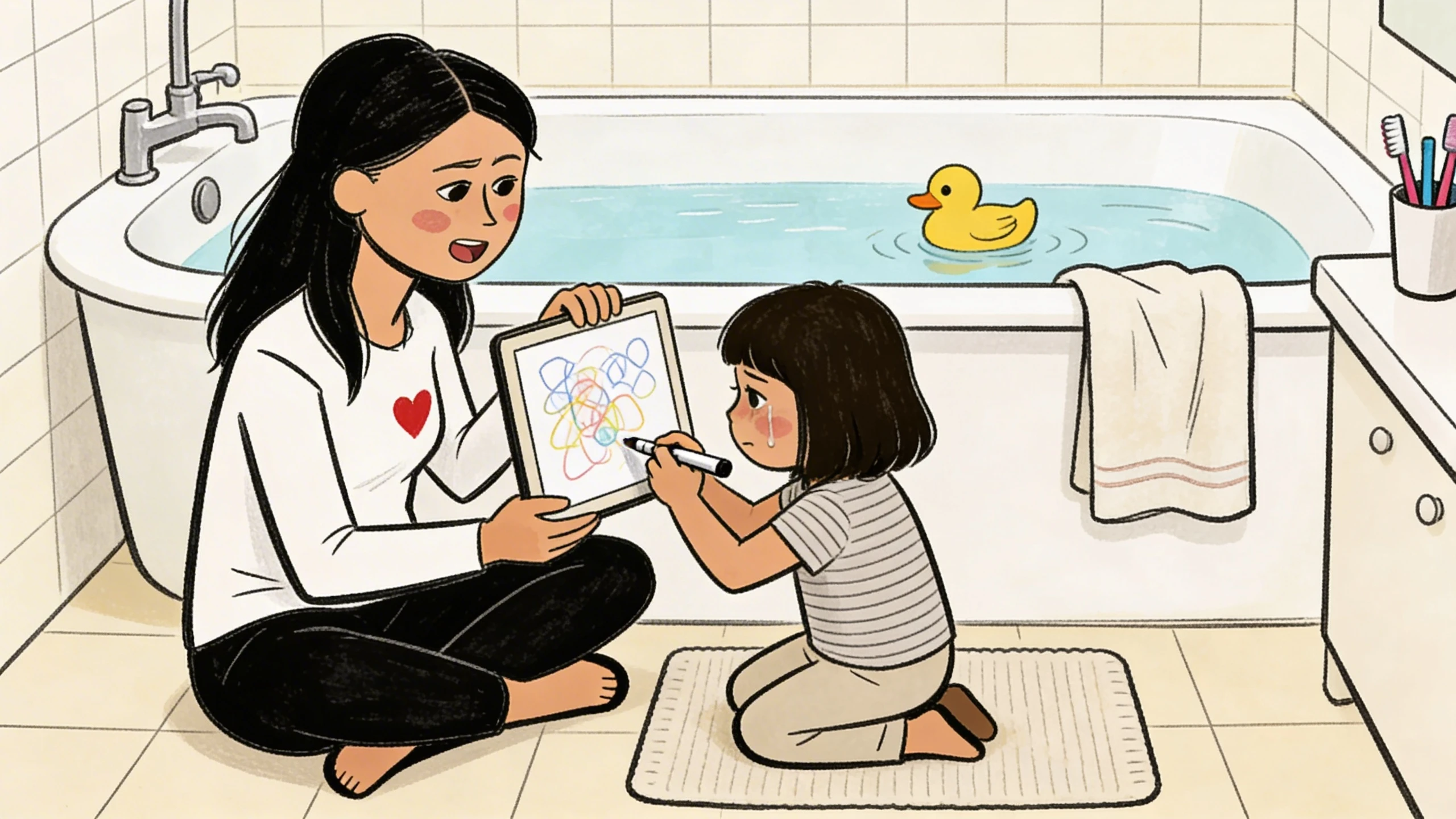
Do not force it. Drawing works. Tearing paper works. Dancing to loud music works. Journaling works for older kids. And when they do open up, creating a calm-down space where they choose their own tools gives them agency over the process.

When to seek outside help
Most childhood anger responds to this approach within weeks. But some kids carry a full backpack of accumulated hurt that keeps spilling over. Watch for: explosive outbursts wildly out of proportion, hitting peers past age six, preoccupation with revenge, or saying they hate themselves.
If you have been consistently offering empathy, holding limits, and teaching coping skills for several months without improvement, seek professional help. Go as a family. A good therapist can help everyone communicate differently.
Understanding why kids hit in the first place helps you tell the difference between developmentally normal aggression and something that needs outside support.
The long game
You will not be calm every time. You will yell. You will send them to their room because you had nothing left.
But every time you take a breath, stay close, let them be angry without punishing them for it, and circle back later to name and practice, you are building something. Neural pathways that did not exist before. A child who learns their feelings are survivable. That they can be furious and still loved. That there are things to do with all that fire besides burn the house down.
That is anger management. It looks like a child who gets angry and knows what to do next.
FAQ
You can begin around age two with simple strategies like stomping feet or squeezing a ball. The four-step teaching sequence works well from about age three onward. Expect slow progress and many repetitions. The brain structures for impulse control develop gradually through childhood.
It can help some kids discharge physical tension, but the real benefit is that the child gets to show you how upset they are. What heals is feeling understood, not hitting something. Offer it as one option among several, and pair it with naming the feeling underneath.
You will probably feel uncomfortable when your child rages. That discomfort is your own childhood programming. Consider working with a therapist to process your relationship with anger so your automatic reactions do not override the approach you want to take.
If you need a moment to regulate yourself, step back and say so: 'I need a minute to calm my body. I will be right back.' Then return. Your child needs to know you will not abandon them with their big feelings, even when those feelings are loud.