TLDR
- Boredom is the raw material for creativity. Unstructured time is where children discover their own interests, build imaginative capacity, and learn to direct their own attention. Without it, they never develop these skills.
- Screens make boredom worse, not better. Electronics produce dopamine hits that make everything else feel flat. Children who rely on screens for entertainment report feeling bored more often, not less.
- Your child needs connection before independence. Five minutes of genuine, phone-free attention fills their emotional tank enough to play alone. Skipping this step guarantees whining.
- Independent play is built gradually, not demanded. You start by playing together, then slowly extract yourself over days and weeks. Telling a child to 'go play' without this scaffolding just makes them feel rejected.
- Simple toys beat fancy ones every time. Blocks, clay, scarves, and cardboard boxes sustain play for years. Battery-operated toys with sounds and lights get abandoned in twenty minutes.
The three words every parent dreads
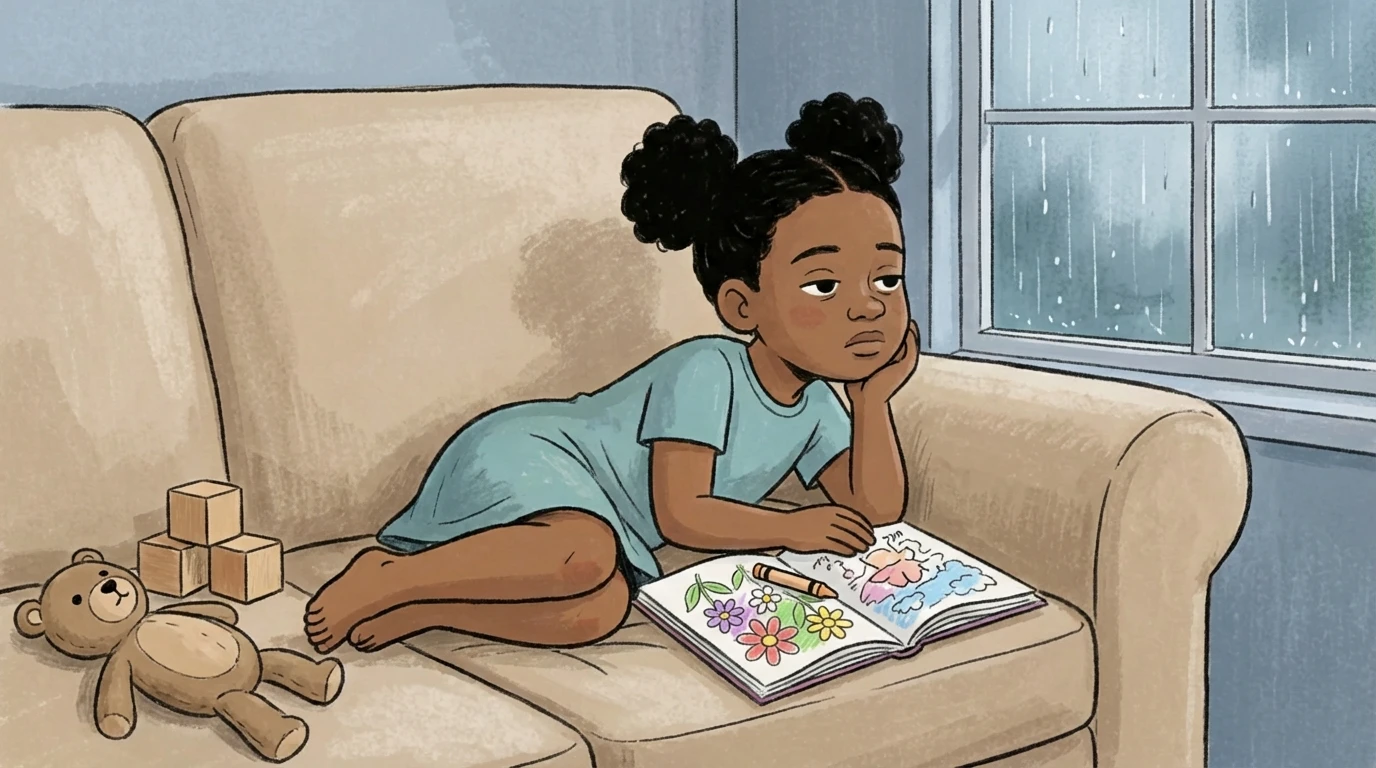
"I'm bored" lands differently than other complaints. When your kid says they're hungry, you feed them. When they say they're tired, you put them to bed. But when they say they're bored, you feel personally indicted. Like you failed to curate a sufficiently stimulating childhood.
So you hand them a screen. Or you start generating activity ideas like a camp counselor being evaluated on Yelp.
The boredom your child is complaining about is one of the most productive states their brain can enter. The part where nothing is happening, and then something does. And you keep interrupting it.
What boredom does for the brain
When children have unstructured time, they are forced to look inward. No adult directing them, no algorithm choosing for them. They have to answer a question most adults struggle with: what do I want to do right now?
This is where self-direction develops. The capacity to identify your own interests, pursue them without external prompting, and tolerate not knowing what comes next. These are the same skills that make teenagers do their homework without nagging and make adults function without micromanagement.
Why "I'm bored" keeps getting louder
If your child says it constantly, there are usually a few things going on:
- Screen dependence. Electronics deliver rapid dopamine rewards that make everything else feel dull. Children who use screens regularly feel bored more often when screens are removed, not less.
- Over-scheduling. When every hour is accounted for, children never practice deciding how to spend open time. Then open time appears and they genuinely do not know what to do with it.
- A need for connection. Sometimes "I'm bored" means "I need you." All children need periodic emotional refueling throughout the day.
Meltdown at nothing to do
The Big Feelings course will teach your child to tolerate boredom
You'll stop filling every gap with entertainment and watch them start generating their own next move.
How to respond (without becoming an entertainment director)
Step one: connect first
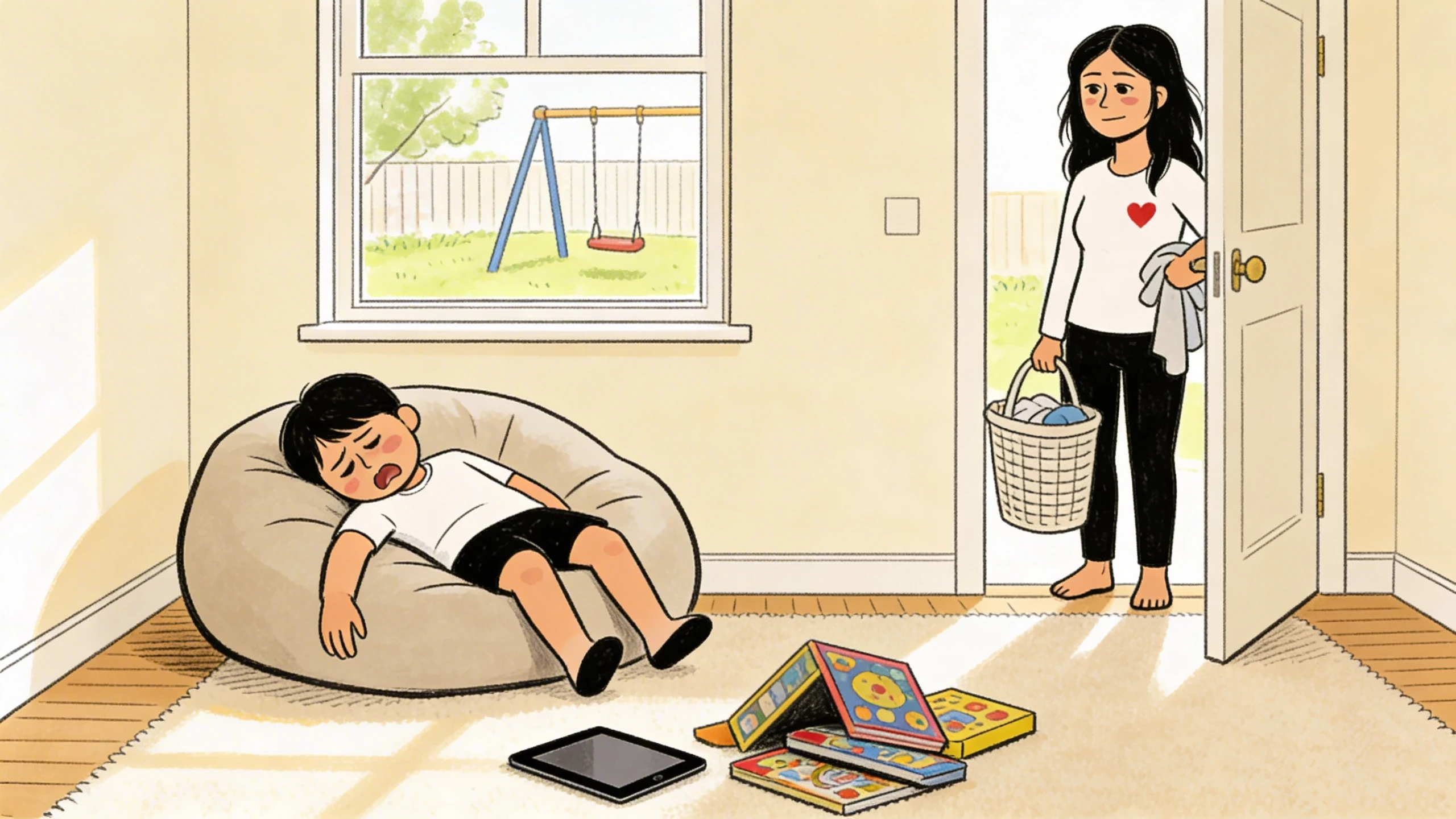
When your child says "I'm bored," stop what you are doing and give them five minutes of full, phone-free attention. Chat. Snuggle. Ask about their day.
If the underlying need was connection, this alone will solve the problem. Your child will wander off within minutes, because their emotional tank is full.
Step two: return the problem to them
If connection time does not do it, resist the urge to generate solutions. Communicate that figuring out how to enjoy their own time is their responsibility.
A script that works: "Boredom is that spacious feeling you get right before you discover or create something. I'm curious what you will come up with."
You are teaching your child that boredom is a doorway, not a dead end. Over time, they internalize this and stop treating unstructured time as a crisis.

The boredom jar (and why it works)
For kids who are newly weaned off screens or genuinely stuck, a physical tool helps. Sit down together and brainstorm activities they think would be fun. Write each one on a slip of paper and drop them into a jar.
When "I'm bored" strikes, they pull three slips and choose one. The key: they created the list. You are not assigning activities. You are giving them a tool to access their own ideas when their brain goes blank.
How to build your child's boredom tolerance
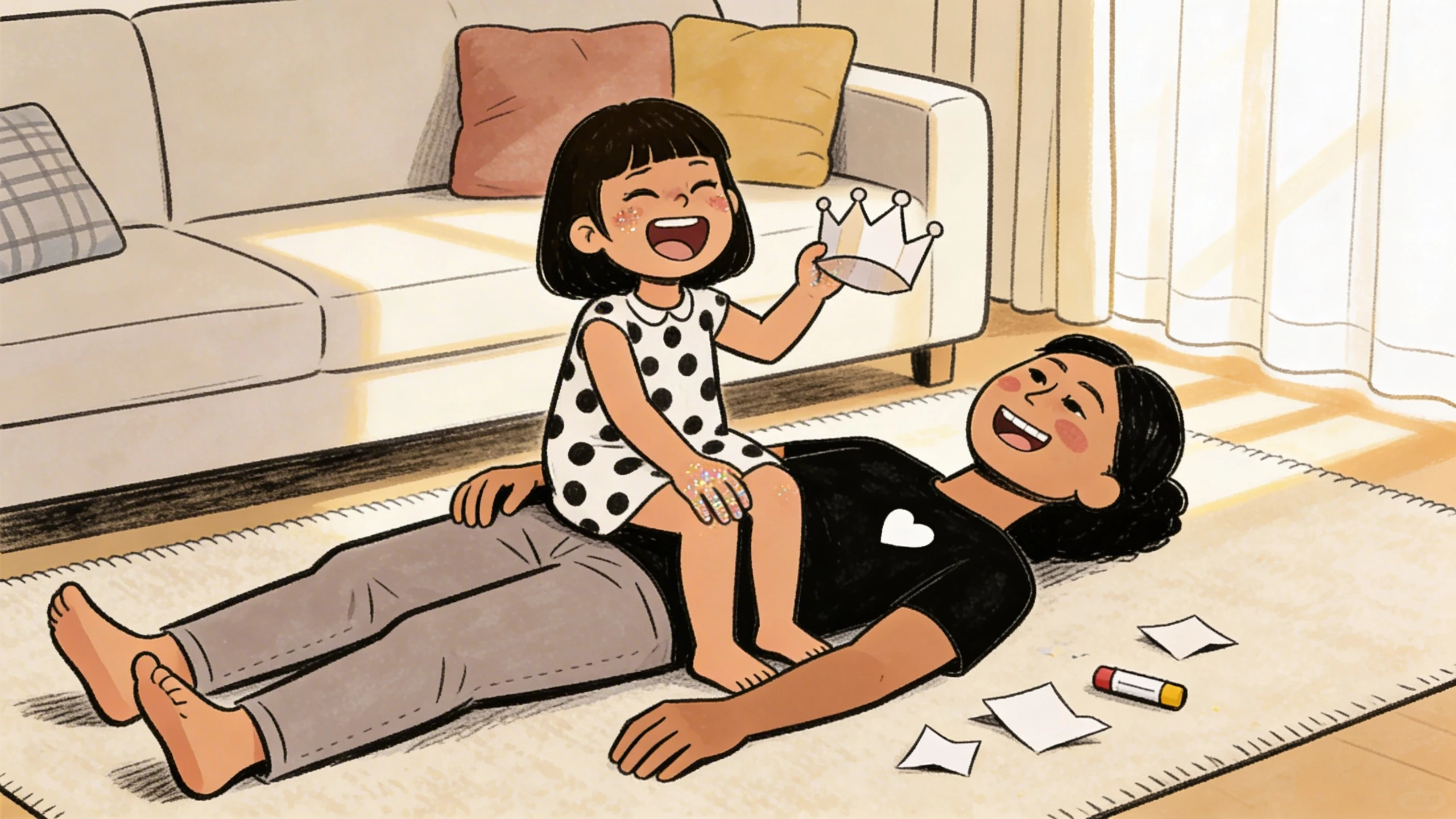
- Fill their connection tank firstSpend five to ten minutes of genuine, phone-free attention before expecting independent play. Chat, roughhouse, or just sit together. A child with a full emotional tank settles into play faster.
- Set up invitations, not instructionsPlace interesting materials in their play area without telling them what to do. Blocks near a ramp. Clay on a tray with cookie cutters. Let them discover and decide. The absence of adult direction is the whole point.
- Extract yourself graduallyStart by watching them play for ten minutes, then tell them you will be nearby doing something. Come back periodically. Over days, extend the gaps. Do not just disappear.
- Resist rescuing with screensWhen they whine, acknowledge the feeling without fixing it. Say: 'It sounds like you have not figured out what to do yet. I trust you will.' The discomfort is where the skill develops.
- Protect the play once it startsWhen your child finally gets absorbed in something, do not interrupt. Not for snacks, not for a better idea, not for a compliment. Treat their play like important work, because it is.
Why you need to stop hijacking their play
This one stings. Most parents do not realize they are doing it.
Your toddler is mouthing a rattle. You grab it and shake it loudly so they "can see how it works." Your four-year-old swirls all the paint colors together. You say "when you mix them all, everything turns brown."
Every one of these interventions teaches your child that adults are the experts on play, and playing the "right" way requires adult involvement. Then you wonder why they will not play alone.
The fix is counterintuitive. When your child is playing, your job is to observe, not participate. Describe what you see without evaluating it. "You are stacking those really high" works. "Good job" shifts their attention from their own satisfaction to your approval. And that approval-seeking keeps them dependent on you for play direction.
The toy problem nobody talks about
Your child has forty-seven toys. They play with three of them. The rest create visual noise that makes the play space feel chaotic instead of inviting.
Children engage in higher quality play when they have fewer toys. Too many options create shallow, scattered engagement where kids bounce from thing to thing without sinking into any of it.
The fix: rotate toys. Pack most of them away, leave out a small selection, swap every few weeks. The same blocks your child ignored for months become fascinating again after a break. Unstructured play with simple materials is where real brain development happens.
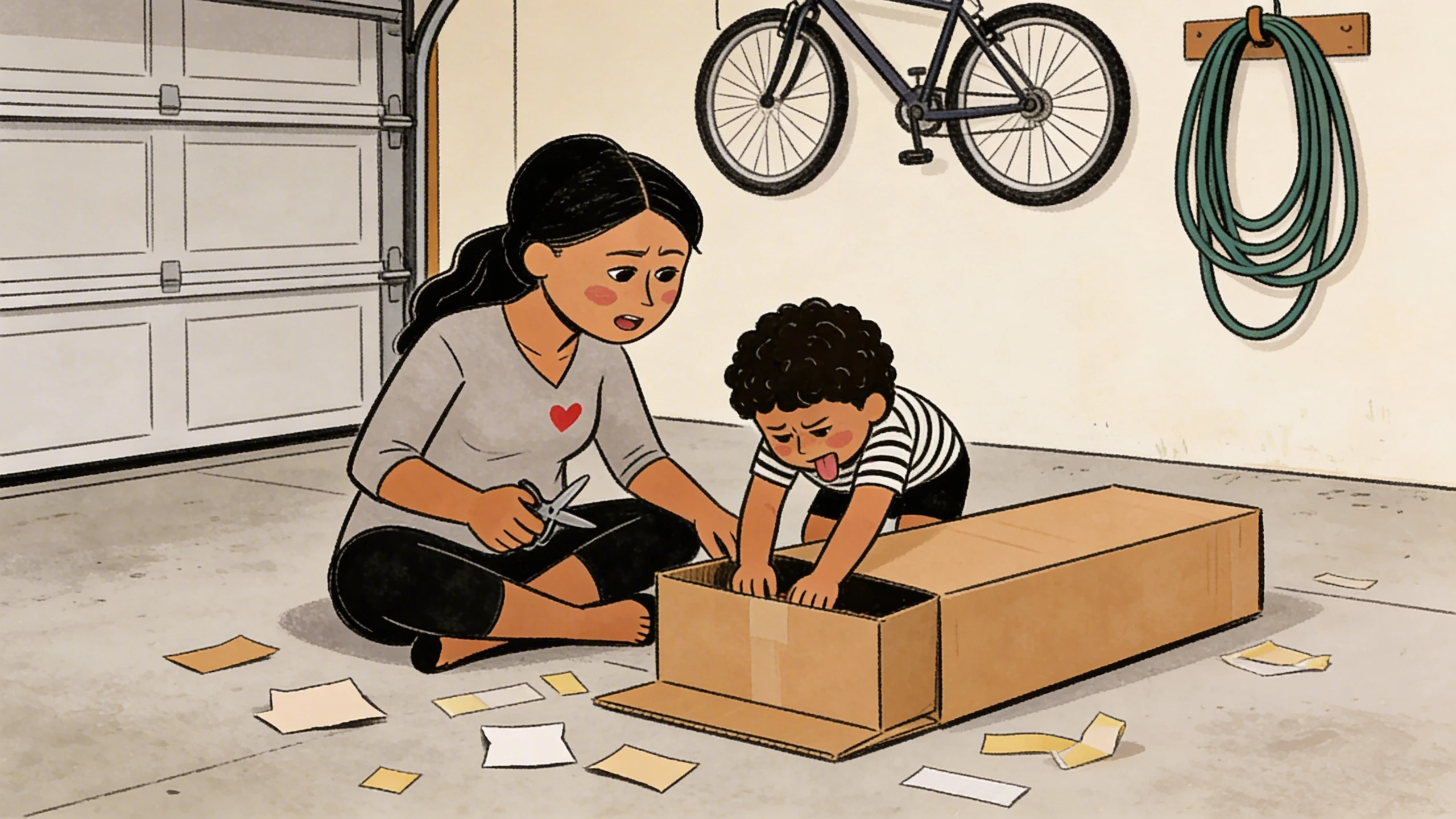
The less a toy does, the more your child does. A wooden cash register inspires conversations about buying and selling. A plastic one that beeps inspires button-pressing. A plain cardboard box can be a spaceship, a castle, a canoe.
When boredom means something else
Sometimes "I'm bored" is a bid for connection disguised as a complaint. Your response to these moments says a lot about how you connect with your child.
If your child cannot play alone at all, that is worth paying attention to. It might mean they need more connection time before you expect independence. Or it might mean you have been accidentally training them to need you by jumping in every time they start.
The path to independent play runs through supported dependence, not around it. You play together first, then slowly step back, then step back further. It takes weeks. But the child who comes out the other side can entertain themselves for an hour while you drink a hot cup of coffee.
That time they spend with blocks and cardboard and their own imagination is worth more than any enrichment class you could sign them up for.
The long game
Your child is going to say "I'm bored" hundreds more times. Each time, you will have two options: fill the space for them, or let them fill it themselves.
Every time you choose the second option, you are building a person who can tolerate discomfort, generate their own ideas, and find meaning in open time. That is the foundation for self-motivation, creativity, and the kind of internal richness that no app can manufacture.
The boredom is the cure.
FAQ
Toddlers can begin tolerating short stretches of unstructured time with the right setup, like a safe play space with simple toys. By age three or four, most children can play independently for fifteen to twenty minutes after connection time. The capacity grows with practice, not age alone.
A blanket ban creates power struggles. Instead, confine screens to specific scheduled times so they are never an option during open play periods. When boredom hits outside screen time, your child already knows screens are not on the table.
Escalating whines usually mean their emotional tank is empty, not that they need entertainment. Spend ten minutes of focused connection first. If they still cannot settle, they may need more co-play time before they are ready for independence.
Yes, especially if they helped create it. A boredom jar or fridge list works because the child generated the options. The problem is when you become the idea generator every time, because that teaches them to outsource their own creativity to you.