TLDR
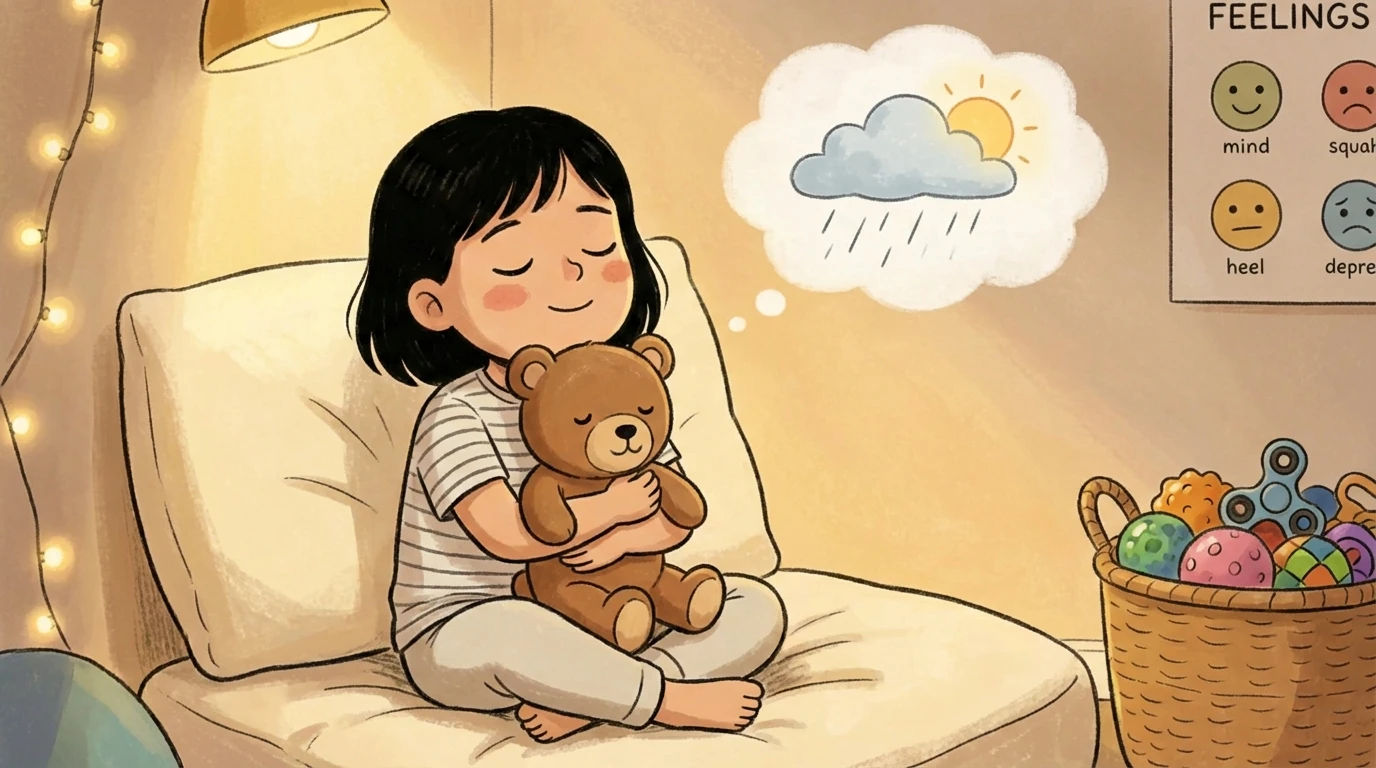
- A calm-down corner is a time-in, not a time-out. If you send your child there alone, it becomes a punishment with a nicer name. You sit with them. Your presence is what makes it work.
- Let your child choose what goes in it. A stress ball, a feelings chart, drawing supplies, a stuffed animal they picked. Ownership increases the odds they will use it.
- Teach calming strategies during calm moments, not meltdowns. A brain in fight-or-flight cannot absorb a lesson. Practice breathing, tapping, or squeezing when everyone is regulated.
- Model it yourself. When you feel frustrated, say so out loud and walk to the corner. Children copy what they see, not what they are told.
- Different ages need different tools. A two-year-old needs a squishy object and a hug. A six-year-old can use a feelings chart and do breathing exercises independently.

Why most calm-down corners quietly become punishment chairs
You set up the cozy corner. Bean bag, feelings poster, basket of crayons. Then your kid lost it over a broken cracker and you said the words: "Go sit in your calm-down corner."
The calm-down corner became the naughty step with better branding.
The difference between a calm-down space and a punishment is one thing: whether you go with them. Send a child to a space alone while they are dysregulated and the message they receive is that their emotions are too much for you. The space becomes rejection, not refuge.
Here is the biology. When your child is mid-meltdown, their brain has flipped into survival mode. The part responsible for reasoning and self-regulation has gone offline. They cannot calm themselves alone any more than you could think your way out of a panic attack by yourself. They need your nervous system to borrow from. That process, co-regulation, is how children eventually learn to self-regulate.
So the rule is simple: you go with them. Every time.
The one exception
If your child specifically asks to be alone, honor that. Say, "I will be right here if you want a hug." Sit nearby where they can see you. You are still available, just giving them the space they requested.
Regulation space, not punishment
The Big Feelings course will help you build a calm-down corner that works
Your child will walk there on their own because it feels safe, not because you sent them.
How to set it up so they want to use it
The biggest factor in whether your child uses the calm-down corner is whether they helped build it. A space you designed for them is your space. A space they chose the stuffed animal for is theirs.
Pick the spot together
Find a corner, a nook under the stairs, or a section of their bedroom. It does not need to be big. It needs to feel enclosed and soft. A bean bag chair, floor cushions, or a fluffy rug works as the foundation. Soft surroundings signal safety to a stressed body.
Stock it with tools that match your child
Not every calming tool works for every kid. Let your child pick from options like these:
- A squishy ball or playdough (physical release for anger and fear)
- Drawing materials (lets feelings out without relying on words)
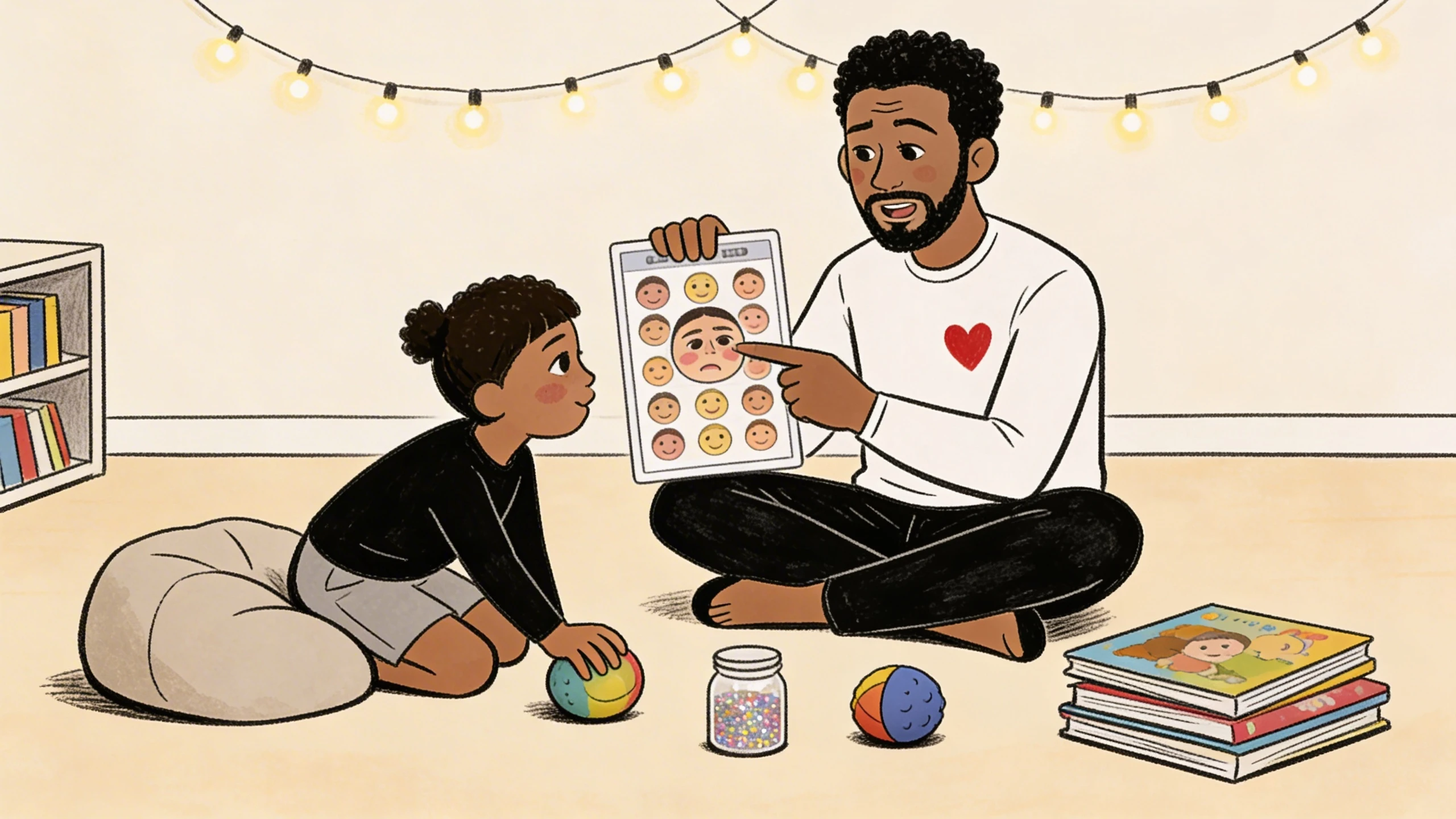
- A feelings chart with faces showing different emotions (helps them point to what they feel)
- A stuffed animal designated specifically for hugging when upset
- A glitter jar to shake and watch settle
- Bubbles (blowing them shifts breathing to a slower, deeper rhythm)
- A book about feelings
Tell them why each item is there. "When you feel mad, you can squeeze this ball really hard. When you feel sad, you can hug this bear." That explicit link between the emotion and the tool gives them a pathway to follow when their thinking brain goes offline.
Visit it when nobody is upset
This is the step most parents skip. If the only time your child goes to the calm-down corner is when they are falling apart, it becomes associated with distress. Use it during quiet moments too. Read a book there before bed. Let them teach their stuffed animal how to use the glitter jar. Positive associations built during calm moments make the space feel safe during hard ones.
Calming strategies that work (and when to teach them)
You already know you cannot teach a child to manage their anger while they are screaming. The brain in survival mode is not taking notes. So when do you teach? Later. Bedtime works well. The car ride home. A quiet Saturday afternoon.
How to set up and use a calm-down corner
- Choose the space togetherPick a corner or nook with your child. Add soft seating like a bean bag or cushions. Let them help arrange it so it feels like their space, not yours.
- Stock it with sensory toolsOffer options: stress ball, drawing supplies, feelings chart, stuffed animal, glitter jar, bubbles. Your child picks what goes in. Explain what each tool is for.
- Visit during calm momentsRead books there, play quietly, or just sit together. Build positive associations so the space feels safe before anyone needs it in a crisis.
- Go WITH your child during meltdownsWhen feelings explode, walk to the corner together. Sit beside them. Your calm presence is the primary regulating force. Do not send them alone.
- Teach strategies after the storm passesOnce everyone is calm, revisit what happened. Name the feeling, brainstorm what they could try next time, then physically practice it together.
- Model using it yourselfWhen you feel frustrated, say 'I need to go to the calm-down corner for a minute' and go. Children copy what they see far more than what they are told.
For toddlers (ages 2 to 3)
Keep it physical and simple. Toddlers cannot name their emotions yet, so verbal strategies miss the mark. What works at this age:
- Squeezing a squishy ball or playdough
- Hugging a stuffed animal while you hold them
- Stomping feet (this is a legitimate coping skill, not bad behavior)
- Blowing bubbles (shifts breathing automatically)
Your main job is being there. Co-regulation is doing the heavy lifting. You are the calming strategy.
For preschoolers (ages 4 to 5)
Now you can start adding verbal tools alongside physical ones. Preschoolers can name feelings with help from a chart and learn breathing exercises when you make them playful: "Smell the flower, blow out the candle."
The brainstorming matters more than the strategy itself. When a child helps choose their coping tool, they are more likely to use it. This taps into the drive for autonomy ("I do it myself") and redirects it toward self-regulation.
For school-age kids (ages 6 and up)
Older children can use more sophisticated tools: tapping (pressing fingertips to the side of the hand while breathing), journaling, or drawing an "anger thermometer" to rate how big the feeling is. They can begin using the corner independently, though you should still offer to sit with them.
You can also use the four-step teaching sequence after a meltdown: wait for calm, name the trigger and the feeling, ask what they could try next time, then rehearse it. "You were so mad when your sister took your marker that you screamed in her face. What could you try next time?" Let them generate ideas. Practice the one they pick.

What to do when you are the one who needs the corner
When you feel your own frustration climbing, say it out loud. "I am getting upset. I need to go sit in the calm-down spot for a minute." Then go. Let your child see you use the same tools you are teaching them.
This is the most effective teaching you will ever do. Children watch everything. When they see you use a calming space instead of yelling, they file that away as normal behavior.
And when you inevitably lose your temper anyway (because you are a human being who has been asked "why" forty-seven times before breakfast), repair it with honesty. "I yelled. I did not like how that felt. Next time I am going to try the calm-down corner first."
Why it takes longer than you want it to
You will teach your child to squeeze the stress ball. You will practice breathing together at bedtime. Then the next day they will throw a shoe at the wall and you will wonder if any of it is working.
It is. You are building an alternative neural pathway that has to compete with a primal survival instinct. That takes repetition. Expect progress measured in weeks and months, not days.
Think of it like planting seeds. You water them before you see anything. One day your child will walk to the corner without being prompted, and you will realize they took root.
If you want help figuring out which calming strategies will click for your kid, take the calm-down toolkit quiz.

FAQ
Do not force it. The corner is a resource, not a requirement. During the meltdown, just stay close and be calm. After the storm, talk about the space together and ask what would make it feel more inviting. Sometimes a new item or rearranging the cushions is enough.
Yes, but give each child their own seating spot and enforce a soft-voices-only rule. If two upset children in one space creates more conflict, designate a second small spot elsewhere in the house.
It varies widely. Some children begin walking there independently after a few weeks of consistent practice. Others need months of co-regulation before they initiate it. Measure success by progress over time, not by a deadline.
Only if you send the child there alone. The defining difference is your presence. A time-out isolates. A time-in means you sit with your child, regulate together, and teach them that big feelings are allowed and manageable. The adult in the room is the tool.