TLDR
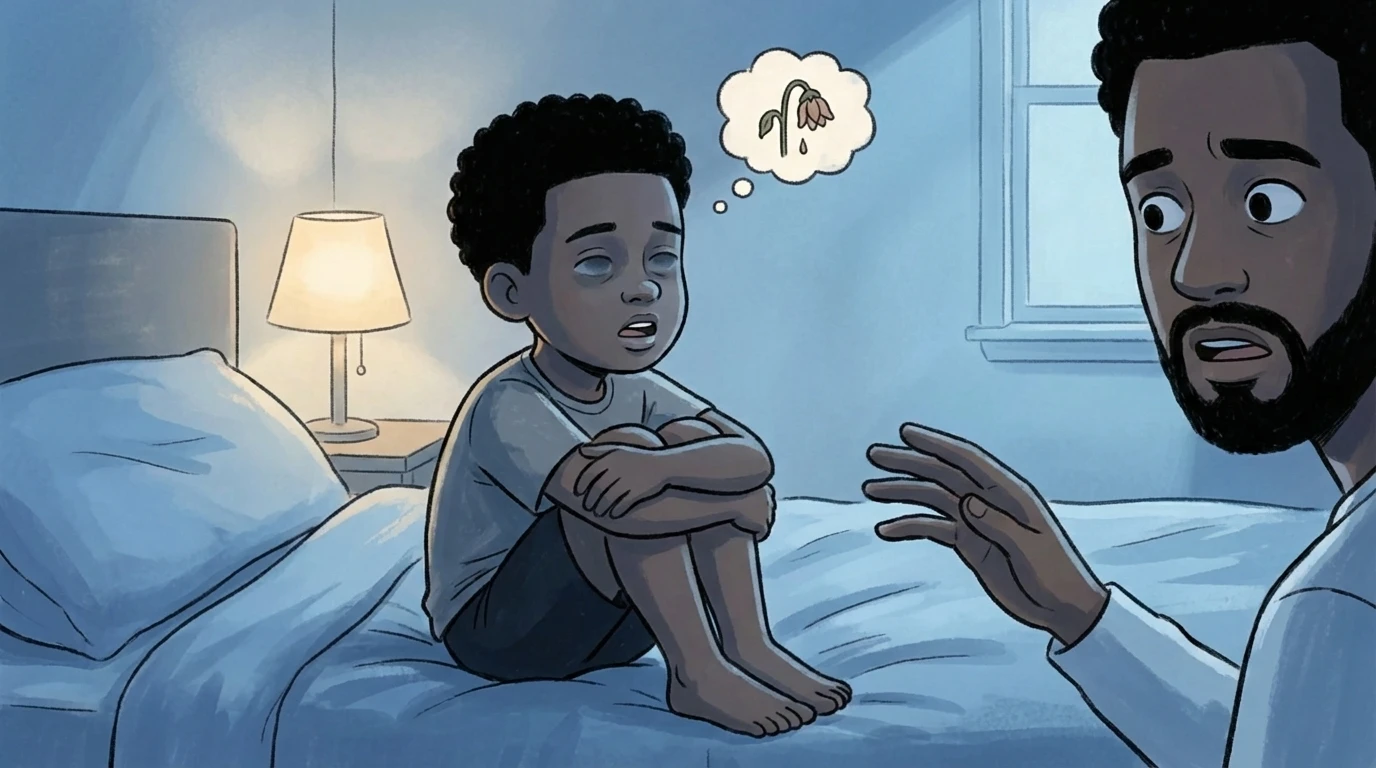
- Children often say 'I want to die' when they mean 'I cannot handle this feeling.' Young kids lack the vocabulary for despair. The words are alarming, but the meaning is usually about feeling trapped by an emotion, not about wanting to end their life.
- Your reaction in the first ten seconds sets the tone for everything after. If you gasp, cry, or interrogate, your child learns this topic shuts you down. If you breathe and listen, they learn you can handle their worst feelings.
- Persistent mood changes matter more than a single statement. One outburst during a hard week is different from weeks of withdrawal, irritability, sleep changes, and loss of interest in things they used to love.
- Anger in children can be depression wearing a disguise. Kids do not always look sad when they are depressed. Chronic crankiness, explosive outbursts, and defiance can all be symptoms.
- Listening without fixing is the hardest and most effective thing you can do. Children need to feel heard before they can process what is wrong. Jumping to solutions tells them you cannot tolerate their pain.
The sentence that stops your heart
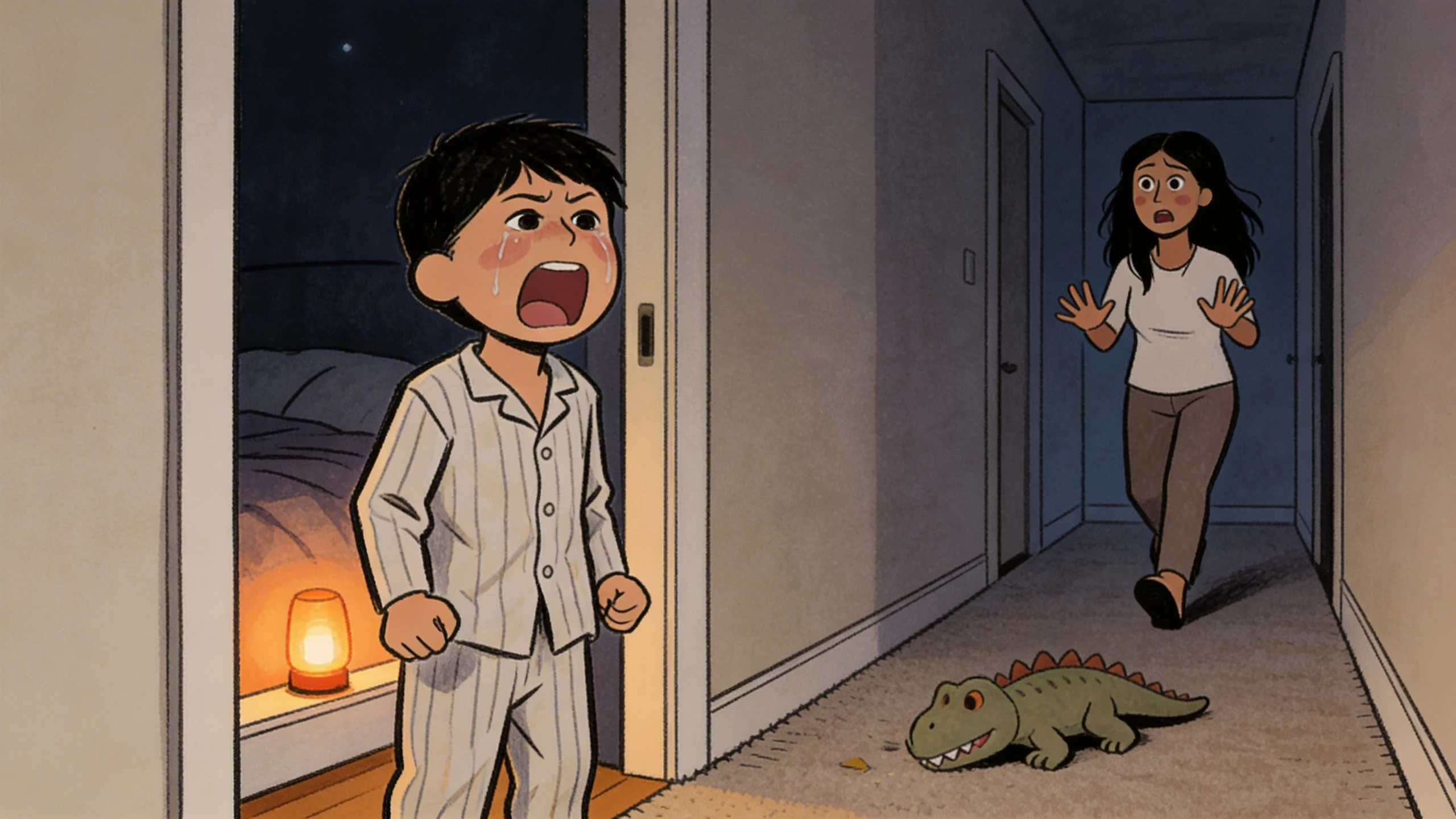
Your kid just screamed it at you. Maybe during homework. Maybe after you said no to a sleepover. Maybe out of nowhere while you were making dinner.
"I wish I was dead."
Everything inside you seizes. You want to grab them, cry, call a doctor, call your own mother.
Do none of those things yet. What helps most will feel counterintuitive: you need to get quiet, not loud.
Here is what is probably happening. Your child hit a wall of feeling so big that their vocabulary could not contain it. "I want to die" is the most extreme phrase they know, so they reached for it.
You do not ignore it. You respond to the feeling underneath the words, not the words themselves.
Those four terrifying words
The Big Feelings course will help you respond without panic
You'll separate dramatic language from genuine distress and know exactly when professional help is the next step.
What to do in the moment
Regulate yourself first
Before you say a word, take one slow breath. Drop your shoulders. Unclench your jaw. If you need strategies for staying calm when your child's words terrify you, that is worth its own read, but right now you just need five seconds.
Your child is watching your face. If your face says "this is an emergency," they learn that saying those words makes them dangerous. You want your face to say "I can handle this."
Open the door, do not interrogate
Say something simple and warm. An observation, not a question or correction.
"That sounds like a really awful feeling."
"Wow. Something is hurting you a lot right now."
Then stop talking. Let the silence sit. Your child will often fill it with what is really going on: the friend who was mean, the test they failed, the feeling that nothing ever goes right.

Listen without solving
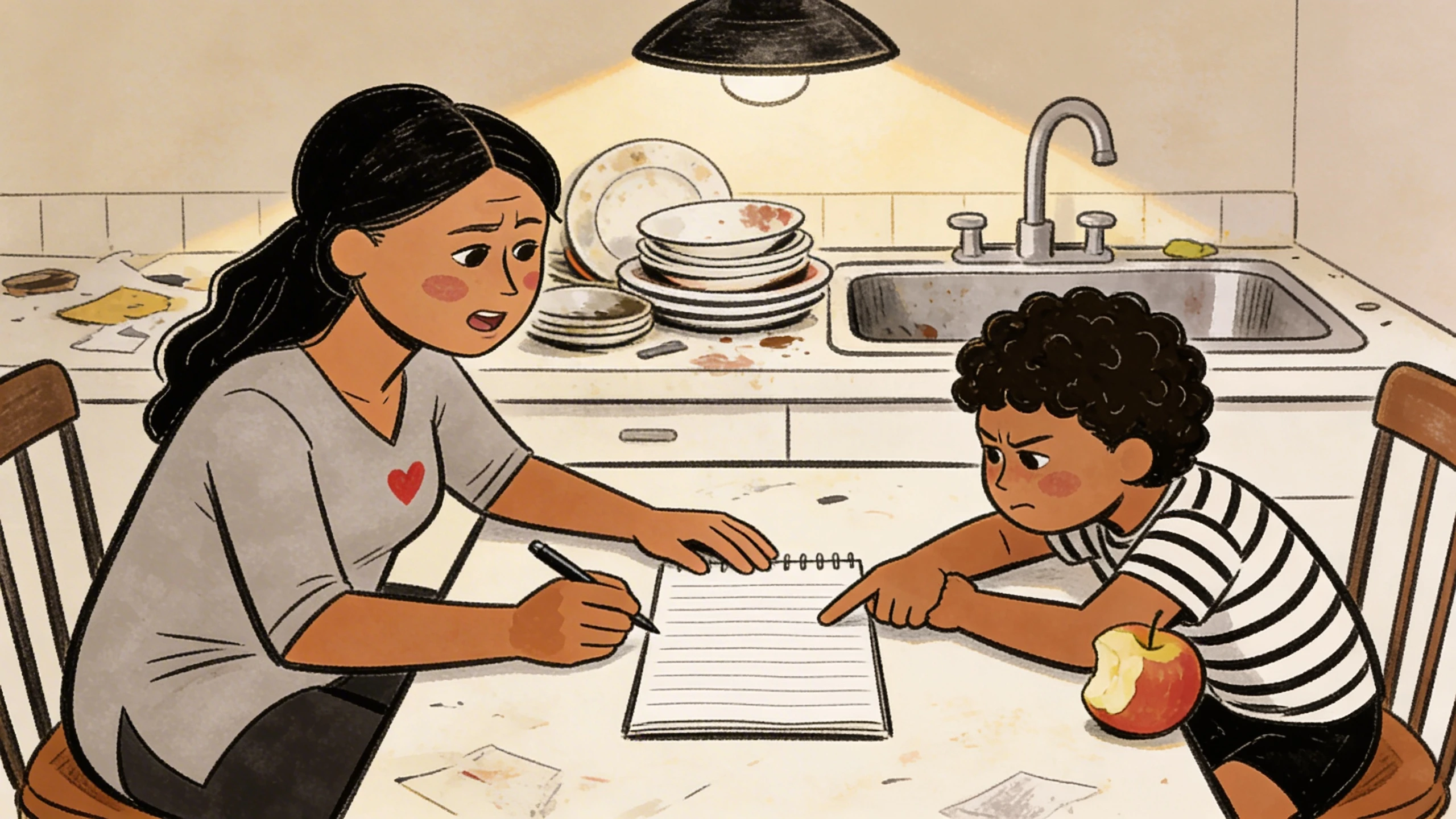
Your child says "Nobody likes me" and every instinct says to correct it: "What about Marcus? What about your cousin?"
Correcting a feeling tells a child their experience is wrong. Instead, try coaching them through the emotion. "That sounds lonely" or "No wonder you are upset" do more than any logical argument.
Children do not need you to fix the problem. They need you to survive hearing about it.
Once they feel heard (you will notice their body soften, their voice drop), you can ask: "I wonder what would help right now?"
When the words mean something deeper
So. When should you worry?
A single dramatic statement during a meltdown is one thing. A pattern is another. Depression in children does not always look like sadness. Sometimes it looks like a kid who is furious all the time, or one who stopped caring about things they used to love.
Warning signs to watch for
Watch for clusters persisting over weeks:
- Sadness or irritability that does not lift
- Loss of interest in friends, games, hobbies
- Changes in sleep or appetite
- Difficulty concentrating at school
- Recurring statements about wanting to die or being worthless
- Withdrawal from family
Three or more of these lasting more than two to three weeks is a signal to get professional support.
Teens need a different lens
If your child is a teenager, the calculus shifts. Teens have access to means and the developmental tendency to act on impulse. When a teen says "I want to die," take it at face value and evaluate whether this is genuine suicidal ideation. Ask directly: "Are you thinking about hurting yourself?" Asking does not plant the idea. Avoiding the question leaves them alone with it.
How to respond when your child says 'I want to die'
- Pause and regulate your own bodyTake one breath before you speak. Drop your shoulders. Unclench your hands. Your child reads your body before your words. A panicked reaction teaches them this feeling is too dangerous to share with you.
- Reflect the feeling, not the wordsSay 'Something is really hurting you right now' or 'That sounds like an awful feeling.' You are letting them know you heard them without escalating or dismissing.
- Listen without correcting or solvingLet them talk. Resist the urge to say 'That is not true' or 'But you have so much to live for.' Validation sounds like 'No wonder you feel that way' and 'Tell me more.'
- Ask what would help right nowOnce they have softened, ask gently. Some kids want a hug. Some want to be left alone for a few minutes. Some want you to sit quietly next to them. Let them lead.
- Watch for patterns over the next weeksNote mood, sleep, appetite, and engagement. A single bad day is normal. Persistent changes across multiple areas for more than two weeks mean it is time to call a professional.
- Seek help if the pattern continuesStart with your pediatrician. Ask for a referral to a child therapist who uses evidence-based approaches. Getting help is not a failure. It means the problem needs tools beyond what any parent carries.
The anger puzzle
Here is something that catches parents off guard. When a depressed child starts improving, the first sign sometimes looks like anger. They shift from flat and shut down to irritable, loud, and defiant.
This can be progress. Anger has energy in it. Hopelessness does not. A child who starts fighting back has started to care again, even if it comes out sideways.
Set limits on behavior (no hitting, no breaking things) while staying open to the feelings driving it. "You can be as mad as you need to be. You cannot throw that. Tell me what is making you so angry." When they feel safe enough to express anger, the sadness underneath often pours out.
If you want to understand your child's emotional patterns more broadly, that context helps you spot what is normal frustration and what is something heavier.
Building a floor under them every day
The daily stuff is what makes the crisis manageable when it arrives.
Five minutes of pure attention
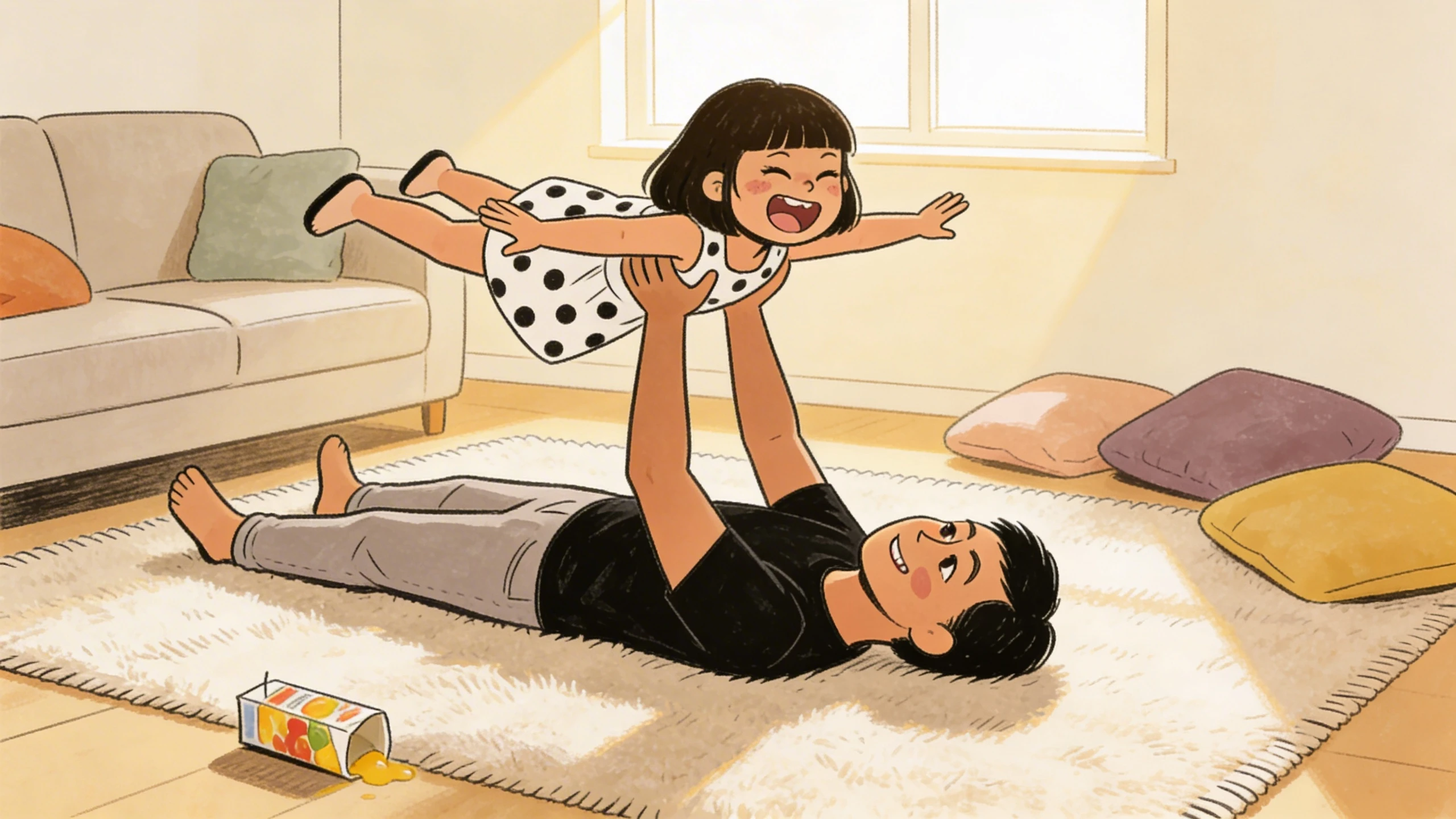
Not while you cook. Not while you scroll. Five minutes where your child has your full, undistracted attention and you are just enjoying being with them. This daily deposit is what makes them come to you when things get dark instead of disappearing into themselves.
Welcome every feeling, limit the behavior
"You can be furious that your sister took your toy. You cannot hit her." This distinction, repeated hundreds of times, teaches that emotions are safe to have and express. Kids who learn their feelings are acceptable do not need to escalate to "I want to die" to get someone to take their pain seriously.
Know when to call in backup
If your child still seems stuck for more than a couple of weeks, it is time to find professional support. Start with your pediatrician. Depression in children is treatable, and early intervention makes a real difference.
Getting your child help means the problem is bigger than the home toolkit.
Take care of yourself too
If your first reaction is to spiral into guilt about what you did wrong, stop. Depression can come from genetics, life events, brain chemistry, or all three. Obsessing about the cause is a defense against the fear you are feeling, and it pulls your attention away from the child who needs you now.
Get support for yourself. Talk to a friend, a therapist, your partner.
FAQ
Research shows that asking about suicidal thoughts does not increase risk. Children who are asked directly feel less alone with frightening thoughts and are more likely to share what is happening. Avoiding the question leaves them isolated.
A single statement during a meltdown is usually emotional overflow, not a clinical concern. Acknowledge the feeling, watch for patterns over the next few weeks, and seek help if you notice persistent changes in mood, sleep, or appetite.
Duration and breadth. A dramatic reaction to one event fades within days. Depression shows up across multiple areas of life, persists for weeks, and includes changes in sleep, appetite, and energy. When it touches everything, not just one situation, pay closer attention.
Yes. Depression can occur in children as young as preschool age. It often shows up as persistent irritability, anger outbursts, and physical complaints rather than obvious sadness. The brain changes associated with depression are real at any age.
If you are seeing a pattern, yes. School counselors can watch for changes in behavior and social engagement that you cannot see from home. Frame it as asking for an extra set of eyes, not raising an alarm.