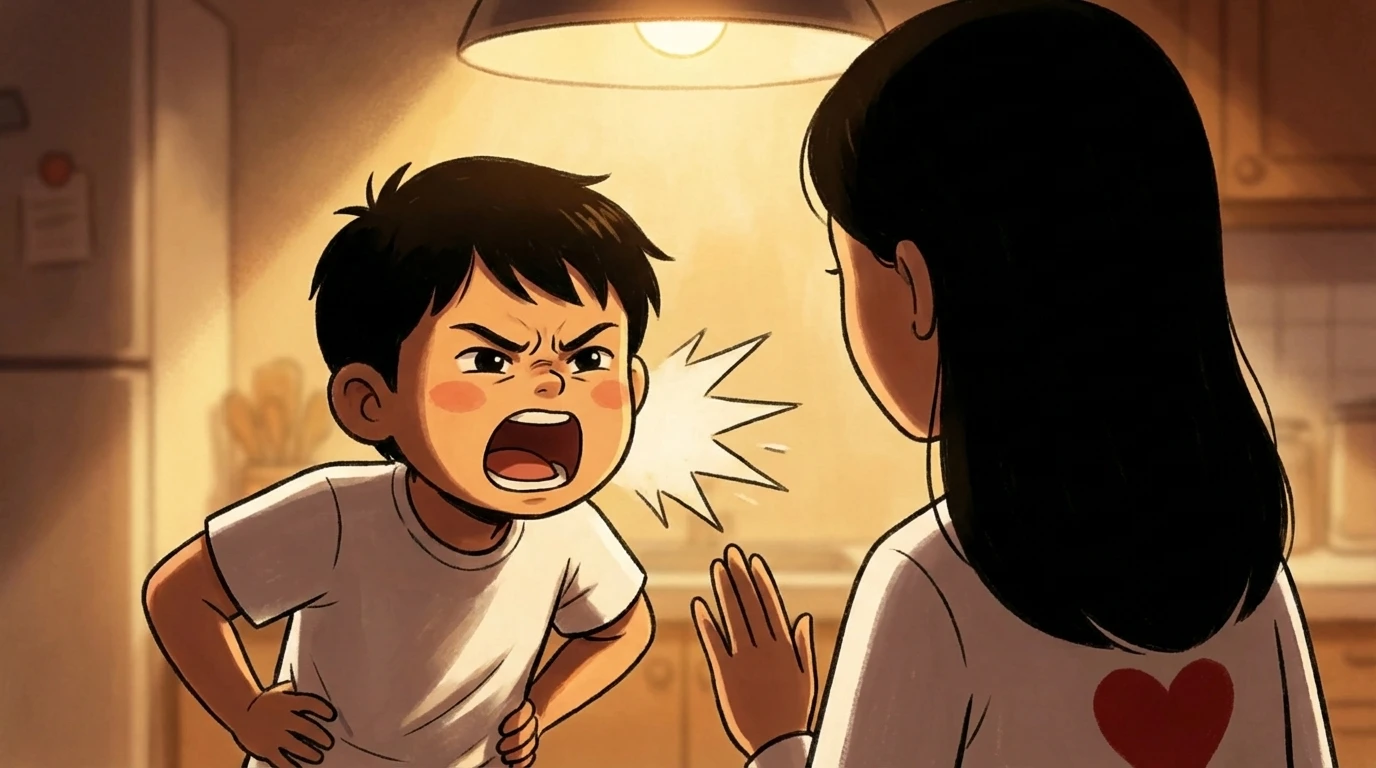
TLDR
- Backtalk is a developmental milestone, not a moral failure. Kids test language the way they test everything else. The words feel personal, but they're really experiments in power, autonomy, and emotional expression.
- Your reaction determines whether it becomes a pattern. Blow up and your child learns that rude words are the fastest way to get a big response from you. Stay steady and the behavior loses its charge.
- The feeling is valid even when the language is unacceptable. Separate the two. Acknowledge the anger or frustration, then hold the line on how it gets expressed.
- Lectures in the moment do nothing. A dysregulated kid cannot absorb a lesson about respect. Save the conversation for when the emotional storm has passed and the thinking brain is back online.
- Scripts work better than improvisation. Having two or three go-to phrases ready means you don't have to think under pressure. Planning your response keeps you from reacting out of your own hurt.
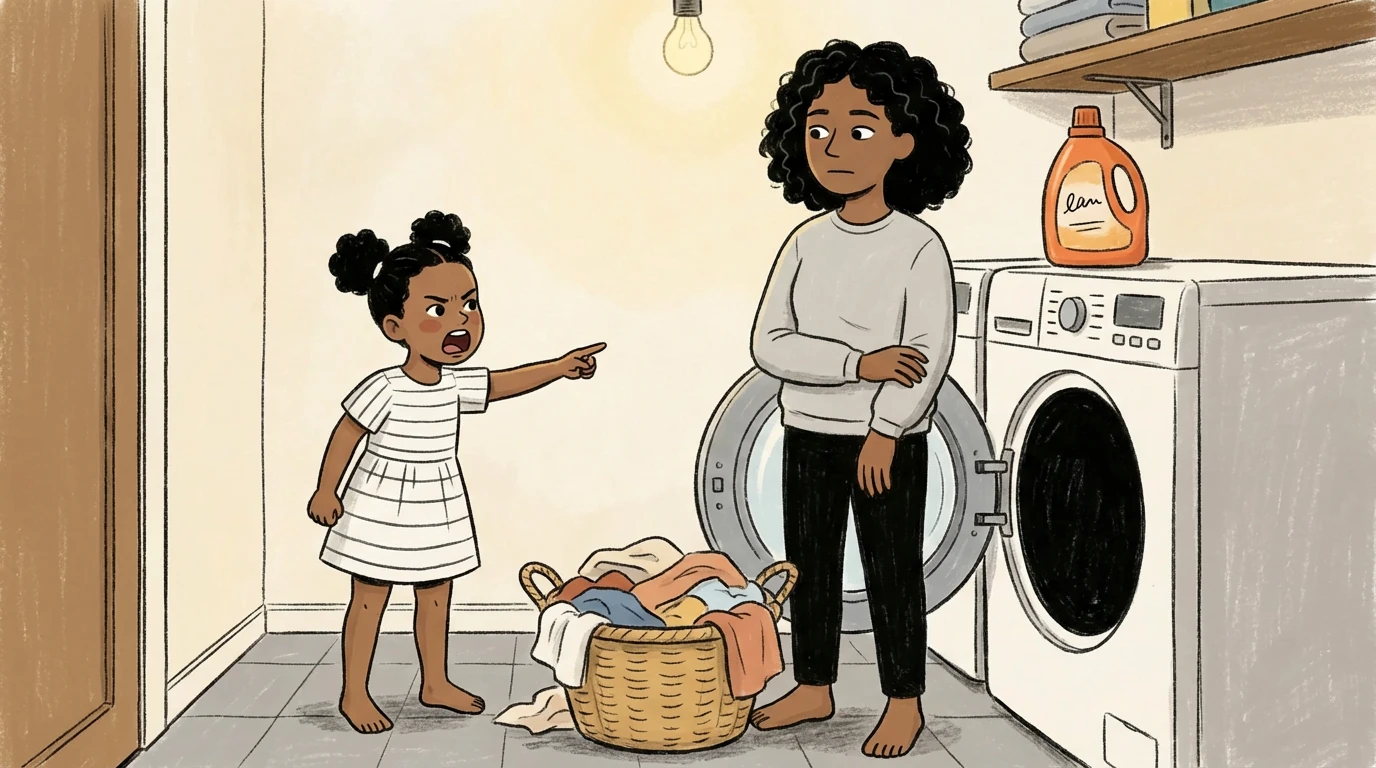
Why kids talk back (and why it gets worse before it gets better)
Your three-year-old says "You're not the boss of me" and it's almost funny. Your seven-year-old rolls their eyes and mutters "Whatever, Mom" and the comedy evaporates.
Backtalk increases in direct proportion to two things: cognitive development and emotional vocabulary gaps. As kids get older, they understand power dynamics better but still lack the language to express disagreement respectfully. A toddler who screams "NO!" and a preteen who says "That's so unfair, you ruin everything" are doing the same thing at different skill levels.
Here's what's happening underneath:
- Autonomy testing. Your child is learning where their will ends and yours begins. Pushing back verbally is the safest way to map those borders.
- Emotional overflow. The feeling is too big for their regulation skills. The rudest words come out when they're most flooded.
- Mimicry. Kids absorb language from peers, media, older siblings. They try it out at home because home feels safe enough to experiment.
The behavior intensifies during the preteen years when the combination of hormonal shifts and a developing sense of identity creates a perfect storm of attitude. That's predictable, not a sign you failed somewhere.
The two mistakes that make backtalk worse
Most parents reach for one of two reactions when their kid says something ugly. Both backfire.
Matching their intensity
Your kid says "I hate you" and your nervous system lights up. You want to say something that hurts as much as what you just heard. So you fire back: "Fine, then go to your room and don't come out until you can be respectful."
That response teaches your child exactly one thing: whoever yells loudest wins. You've just modeled the behavior you're trying to eliminate. If you feel your temper rising, that's your cue to slow down, not speed up.
Ignoring it completely
The opposite extreme. You let "shut up" slide because you're tired, you don't want a fight, or you read somewhere that ignoring behavior makes it go away.
Ignoring disrespectful language tells your child that the language is acceptable. There's a difference between not reacting emotionally and not responding at all. You can stay calm and still hold a boundary. Those aren't opposites.
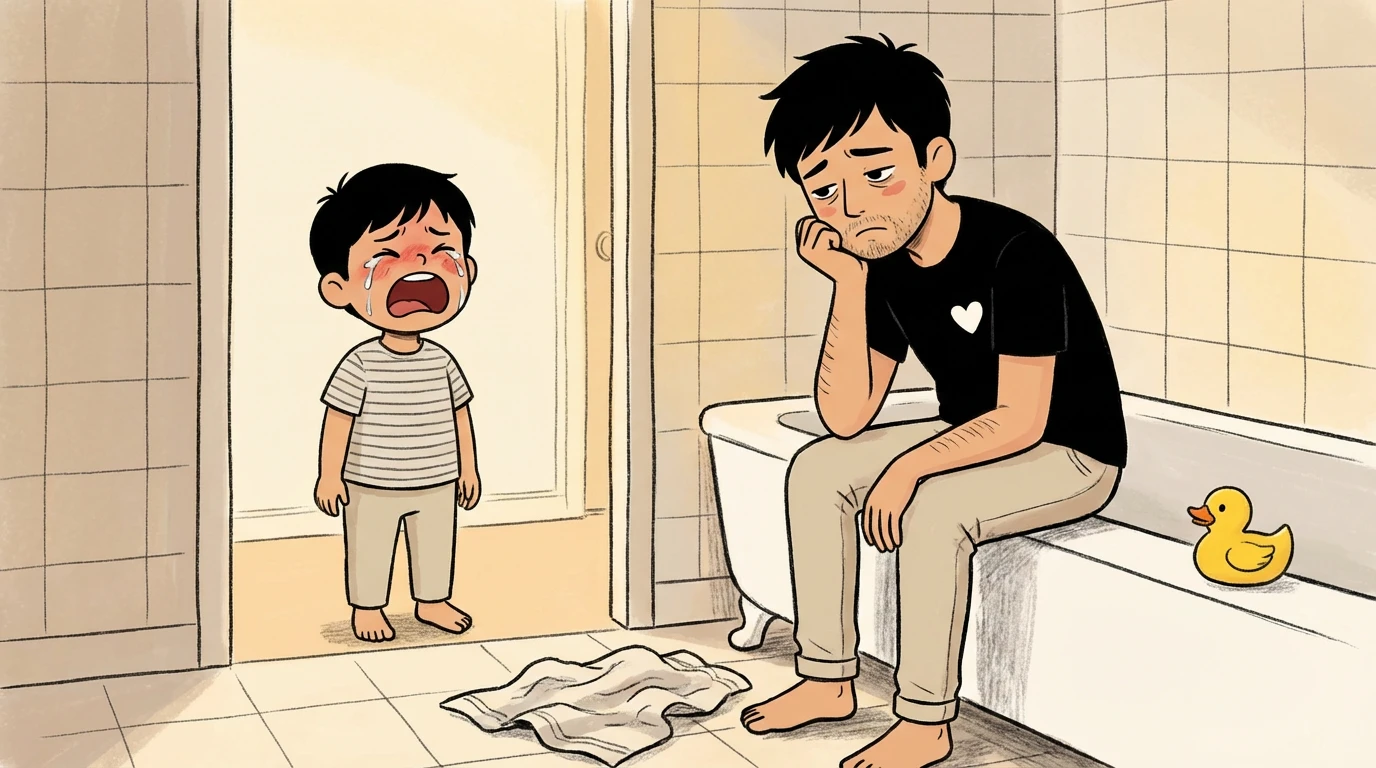
What to say instead (actual scripts)
You need a handful of phrases you can reach for without thinking. When you're hurt and angry, your brain will not spontaneously produce the perfect response. Plan it now.
When they say "I hate you"
Try: "That sounds like a really big feeling. I love you even when you're this angry."
This does two things. It names the emotion (which helps them process it) and it reassures them the relationship isn't damaged by their words. Kids who say "I hate you" are often terrified they mean it. Your steadiness shows them they don't.
When they roll their eyes or mutter under their breath
Try: "I can see you disagree. Want to try telling me in a way I can hear?"
This is an invitation to upgrade the communication, not a demand to shut it down. You're acknowledging the disagreement is valid while redirecting the delivery.
When they say "You can't make me"
Try: "You're right. I can't make you. I'm asking you to, and here's why it matters."
Admitting you can't force compliance is disarming because it's true. Kids expect a power struggle. When you don't provide one, the sass has nowhere to go.
If the anger behind the words seems bigger than the situation warrants, there may be something else going on that the backtalk is masking.
Three words that sting
The Discipline Without Punishment course will show you how to respond after 'I hate you'
You'll absorb the words, skip the lecture, and address what's underneath without matching their intensity.
The repair conversation (this is where the real work happens)
The moment of backtalk is not the teaching moment. That comes later, when cortisol levels have dropped and the prefrontal cortex is functioning again.
Wait at least twenty minutes. Then sit down at their level and try something like:
"Earlier you told me to shut up. That hurt my feelings. I think you were really frustrated about the screen time rule. Can we talk about what was really bothering you?"
Why the delay matters
A child in emotional flood cannot learn. Their amygdala is running the show and the thinking brain is offline. Anything you say during the storm gets processed as threat, not instruction. The research on this is clear: emotional regulation must precede cognitive processing.
What you're teaching in the repair
You're teaching that feelings and expression are separate things. The feeling (anger, frustration, disappointment) is always allowed. The expression (name-calling, eye-rolling, "I hate you") has limits. Kids who learn this distinction become adults who can disagree without being disagreeable.
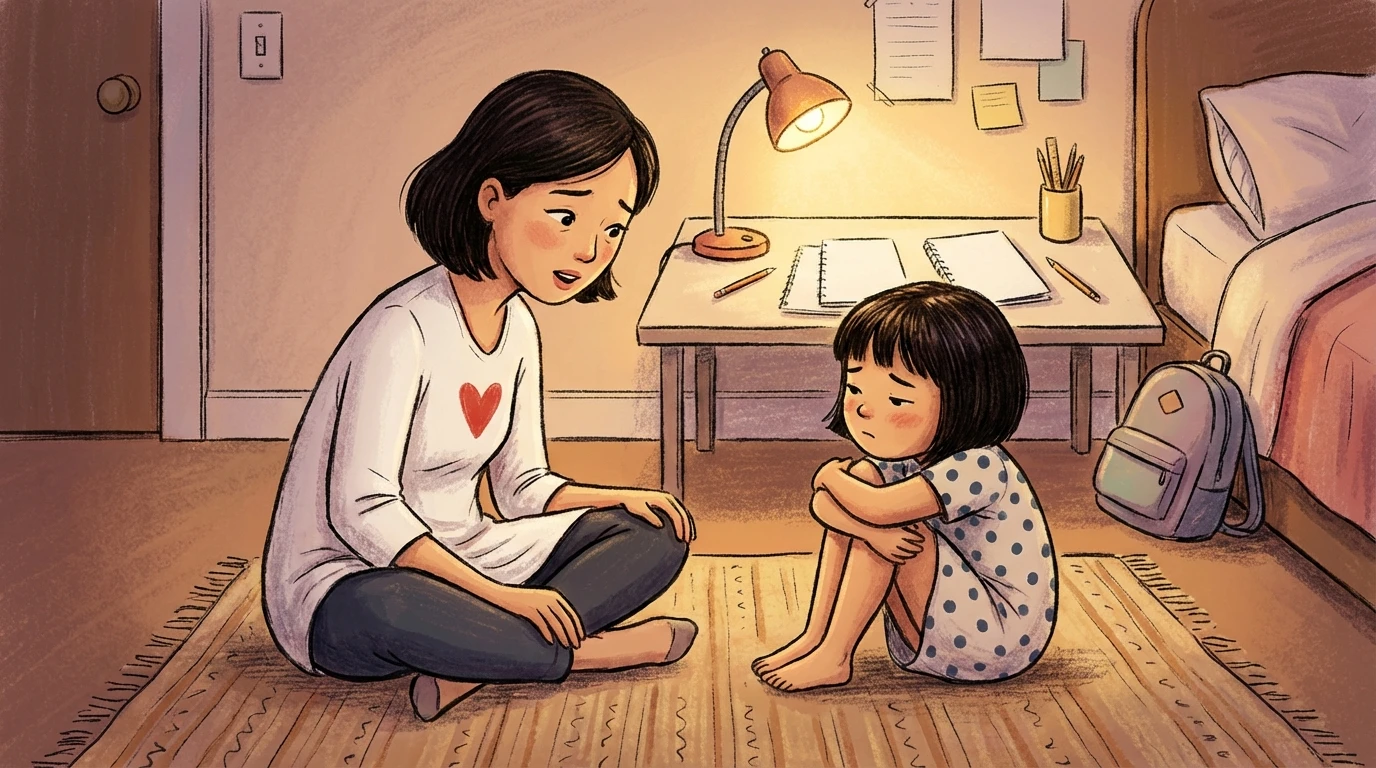
When backtalk crosses a line
There's a spectrum. "You never let me do anything" is garden-variety frustration. "I'm going to kill you" or sustained verbal attacks that leave you shaking are something else.
Watch for patterns, not isolated incidents. A kid who drops an "I hate you" during a meltdown once a month is developing normally. A kid who directs contemptuous language at you daily, who seems to enjoy your pain, or whose words escalate into verbal aggression needs more than scripts.
If both parents are responding differently to the disrespectful language, that inconsistency can fuel the behavior. Kids exploit gaps between caregivers because it works.
How to respond to backtalk without escalating
- Pause and breathe firstYour first impulse will be to fire back or shut it down hard. Take one breath. That single pause keeps you from matching their intensity, which is the fastest way to turn a rude comment into a full-blown fight.
- Name the feeling underneathSay what you see: 'You sound really frustrated right now.' This catches kids off guard because they expected a fight, not understanding. It also models the skill you want them to develop.
- Hold the limit on languageBe brief and clear: 'I hear that you're angry. You can tell me you're angry without calling me names.' Two sentences. No lecture. No threat.
- Walk away if it escalatesIf the sass ramps up, say: 'I'm going to step away until we can both talk without yelling.' Then do it. You're modeling that you don't engage when respect is absent.
- Revisit when everyone is calmLater, circle back: 'Earlier you said you hated me. That hurt. What were you really upset about?' This is where the real teaching happens, not during the storm.
The long game
Backtalk is a phase that comes and goes and comes back again. You will hear ugly words from your child multiple times across their childhood. That's guaranteed.
What changes is how long it takes them to come back and apologize. A four-year-old might need an hour. A well-connected twelve-year-old might come back in ten minutes and say, "Sorry, that was mean. I was just mad about the phone thing."
That progression is the evidence your approach is working. You're not raising a child who never says rude things. You're raising a child who knows what to do after they say rude things. That's a skill most adults are still working on.
The defiance underneath the sass often softens when kids feel genuinely heard. And the limits you set now on how frustration gets expressed become the internal voice they carry into every future relationship.
FAQ
Completely. Around age four, kids begin testing language the same way they test physical boundaries. They discover that words produce strong reactions in adults, and they experiment. It peaks again in the preteen years. Both phases are signs of cognitive growth, not character flaws.
Punishment in the heat of the moment teaches your child to hide feelings rather than express them better. Acknowledge the emotion, hold the limit on the language, and revisit it when everyone is calm. Kids who feel heard stop reaching for the most extreme words to get your attention.
Stay the course. The temptation to crack down harder in public comes from your own embarrassment, not from what your child needs. A brief, steady response works the same whether you have an audience or not. Address it more fully in private afterward.
If the language includes threats of harm to themselves or others, if it escalates into physical aggression regularly, or if your child seems unable to stop even when they want to, those are signs to consult a professional. Occasional ugly words during a meltdown are normal. A persistent pattern of verbal cruelty is worth investigating.