TLDR
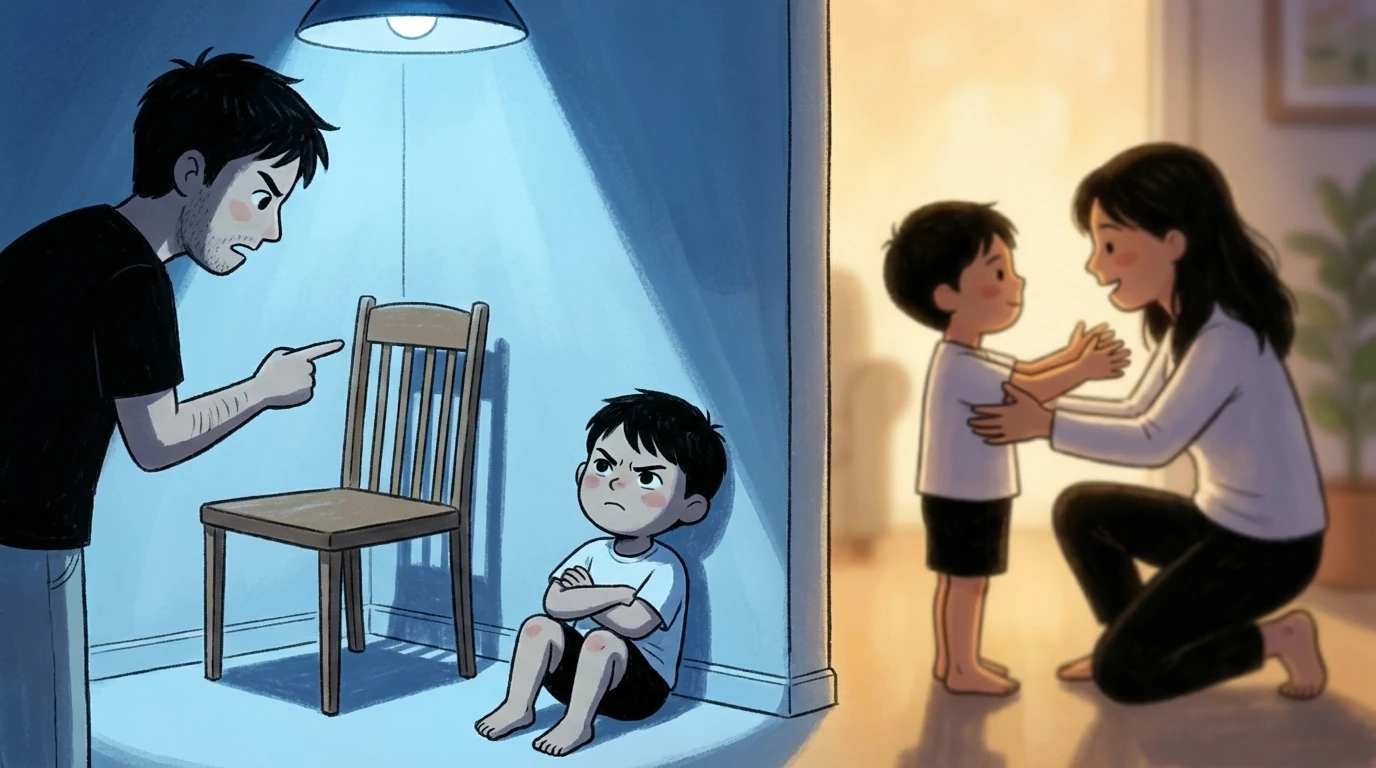
- Punishment gets you immediate compliance and nothing else. Thirty years of research confirm the same finding: spanking, time-outs, and removing privileges produce short-term obedience at the cost of worse behavior over time.
- Your kid isn't thinking about what they did wrong during time-out. They're reviewing why they were right and mentally plotting revenge. That's a normal human response to what feels like injustice, not a sign of a bad kid.
- Behavior is communication, not defiance. Every challenging behavior points to an unmet need. Suppress the behavior without meeting the need and the need pops out somewhere else, usually louder.
- Connection is the only thing that makes kids want to behave. Children cooperate because they love you and don't want to disappoint you. Punishment damages that bond, which is the only real influence you have.
- You can hold firm limits without causing pain. Limits with empathy work better than limits with consequences. Kids who feel understood accept boundaries more readily and internalize them faster.
The three things parents try that backfire
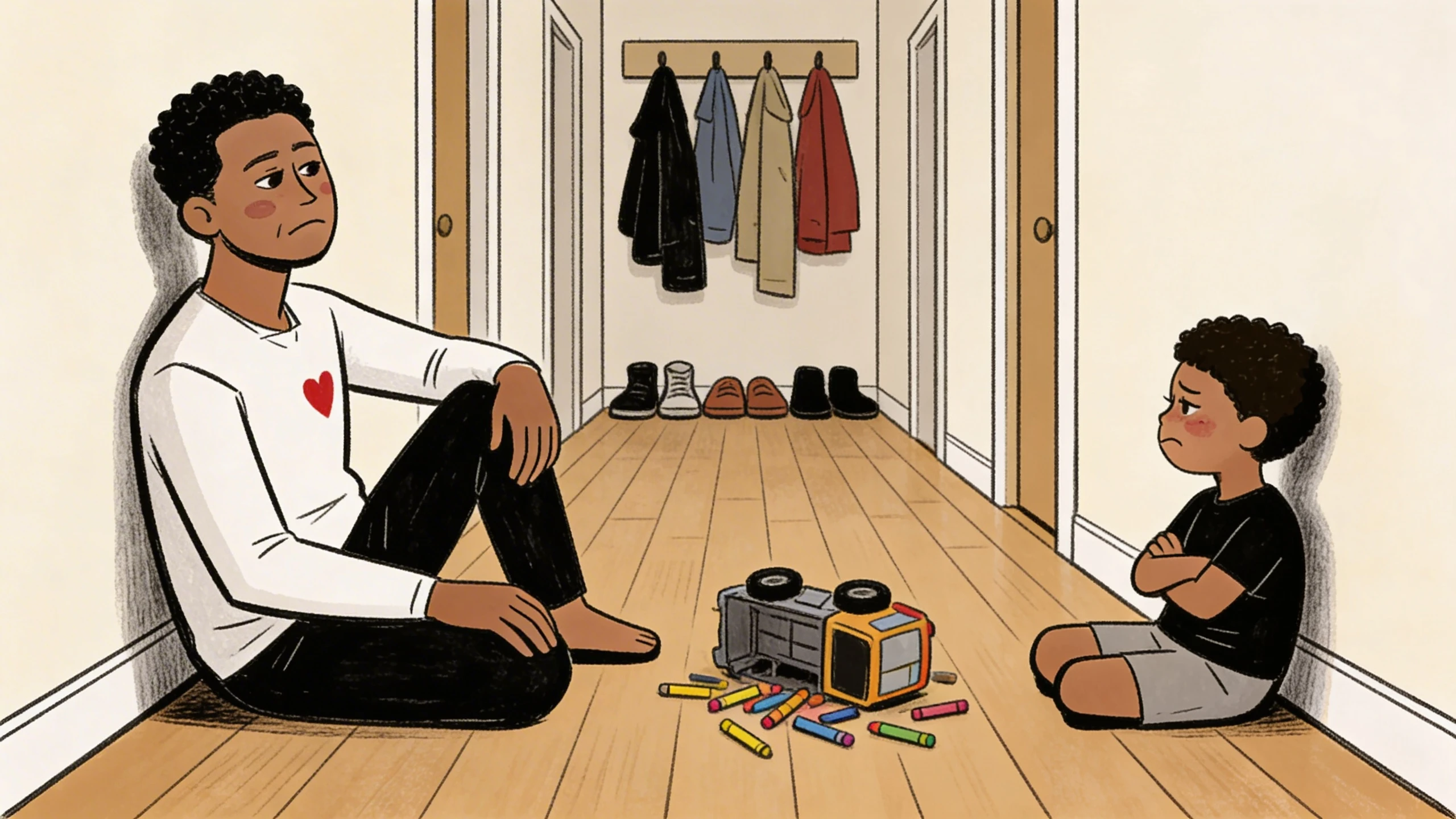
Your kid does something unacceptable and you reach for one of three tools: spanking, time-outs, or taking something away. For about ninety seconds, they work. Then the behavior comes back. Often worse.
Punishment produces short-term compliance and long-term defiance. Elizabeth Gershoff's meta-analysis of 88 studies across six decades found spanking consistently associated with negative behavioral outcomes. A study of five-year-olds found spanked kids were more defiant, more easily frustrated, and more physically aggressive across the board.
Spanking teaches the wrong lesson
You want to teach your kid not to hit. So you hit them. The contradiction is not lost on them, even at three years old. Spanking models the exact behavior you're trying to eliminate. Large studies show the more children are hit, the more likely they are to hit siblings, peers, and eventually partners as adults.
What spanking teaches instead: that physical force is an acceptable way to handle frustration. That people who love you will cause you pain. That the way to solve problems is to overpower the person causing them.
Time-outs work through fear, not learning
Picture a sports coach calling a time-out. The coach huddles the team, draws up a new play, and sends them back out prepared. Now picture a coach who scatters players to different corners of the stadium and tells them to "think about what they did." That second version is what we do to kids.
A toddler in time-out is not resolving to be a better person. Their brain can't connect isolation to the behavior that landed them there. A study by Chapman and Zahn-Wexler at the National Institute of Mental Health found children disciplined with time-outs misbehaved more afterward, even when mothers talked with them. The children were reacting to the perceived love withdrawal.
Taking things away creates resentment, not remorse
When you ground your kid or strip a privilege, they become preoccupied with how unfair the punishment is. That preoccupation blocks the exact thing you wanted: genuine reflection on what they did and a plan to do better. Kids on the defensive cannot sincerely acknowledge mistakes. They're too busy protecting themselves to feel genuine remorse.
Why punishment increases bad behavior
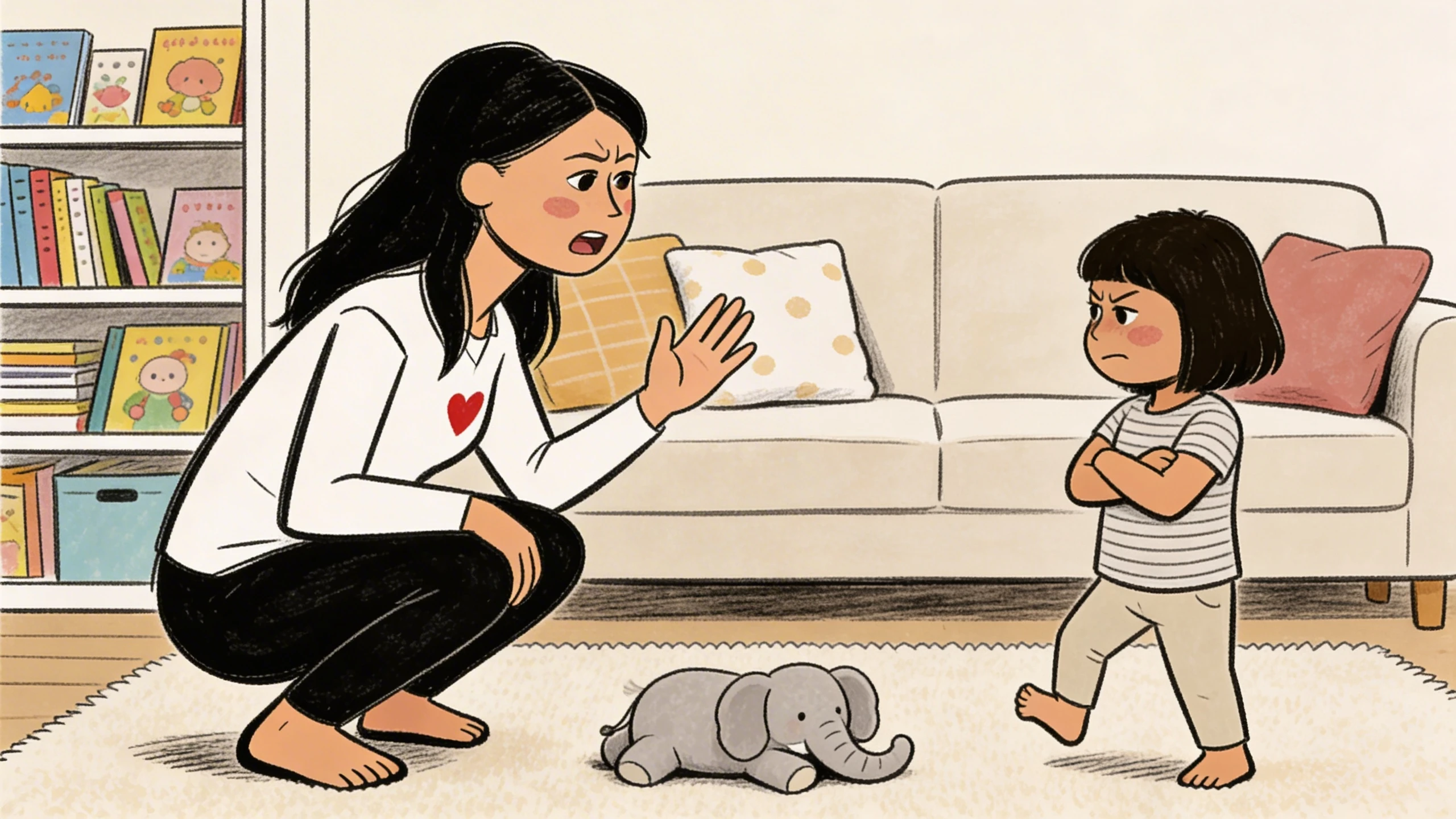
Punishment feels like it should work because it's unpleasant, and unpleasant things should discourage behavior. Kids run on emotions, though, and emotions don't respond to logic.
Every challenging behavior communicates an unmet need. A three-year-old shaking the baby's bassinet is desperate for connection with parents whose attention just got split by a newborn. Spank them and the shaking stops temporarily. The need doesn't go anywhere. So the kid tries name-calling, kicking, escalating. You escalate back. The cycle accelerates.
One family tried something different. They taught their three-year-old how to interact with the baby ("you can use your soft hands") and carved out fifteen minutes of one-on-one time daily. The problem behaviors stopped within days. Punishment wouldn't have taught those skills or filled the connection deficit.
This is the pattern parents who repeat what was done to them often miss. The behavior is the alarm. Punishment is ripping the smoke detector off the ceiling and wondering why the house is still on fire.
Guilt after the time-out
The Discipline Without Punishment course will show you firm responses that don't leave that sting
You'll hold the boundary and walk away knowing you didn't damage the relationship to enforce it.
What discipline really means
The word "discipline" comes from the Latin disciplina, meaning instruction. Teaching. Somewhere along the way it became a polite word for punishment. Let's undo that.
Kids don't need punishment to become considerate, responsible people. Guidance means showing a kid the right path, explaining why it matters, keeping the relationship strong enough that they want to follow, and giving them tools to stay on it.
Limits still exist
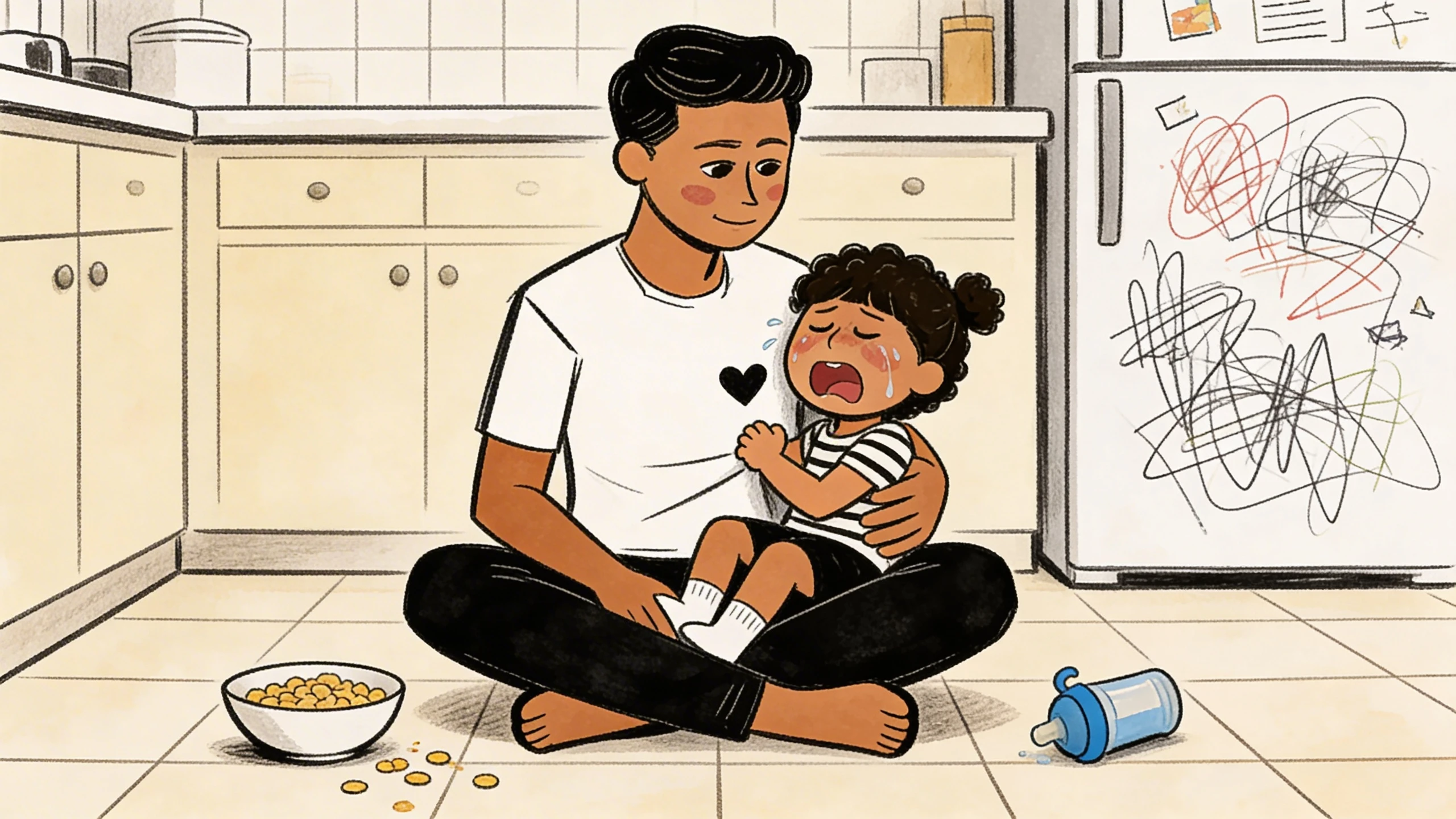
This is not permissive parenting. You still say "no hitting," "bedtime is bedtime," and "we don't call names in this family." You say them daily. The difference is how.
Limits set with empathy get accepted. Limits set with punishment get resisted. "You're so mad, but I won't let you hurt your brother. Come, I'll help you tell him how you feel." That sentence holds the boundary and the relationship at the same time.
If you're questioning whether your current approach fits, that's worth paying attention to.
Connection is your only real tool
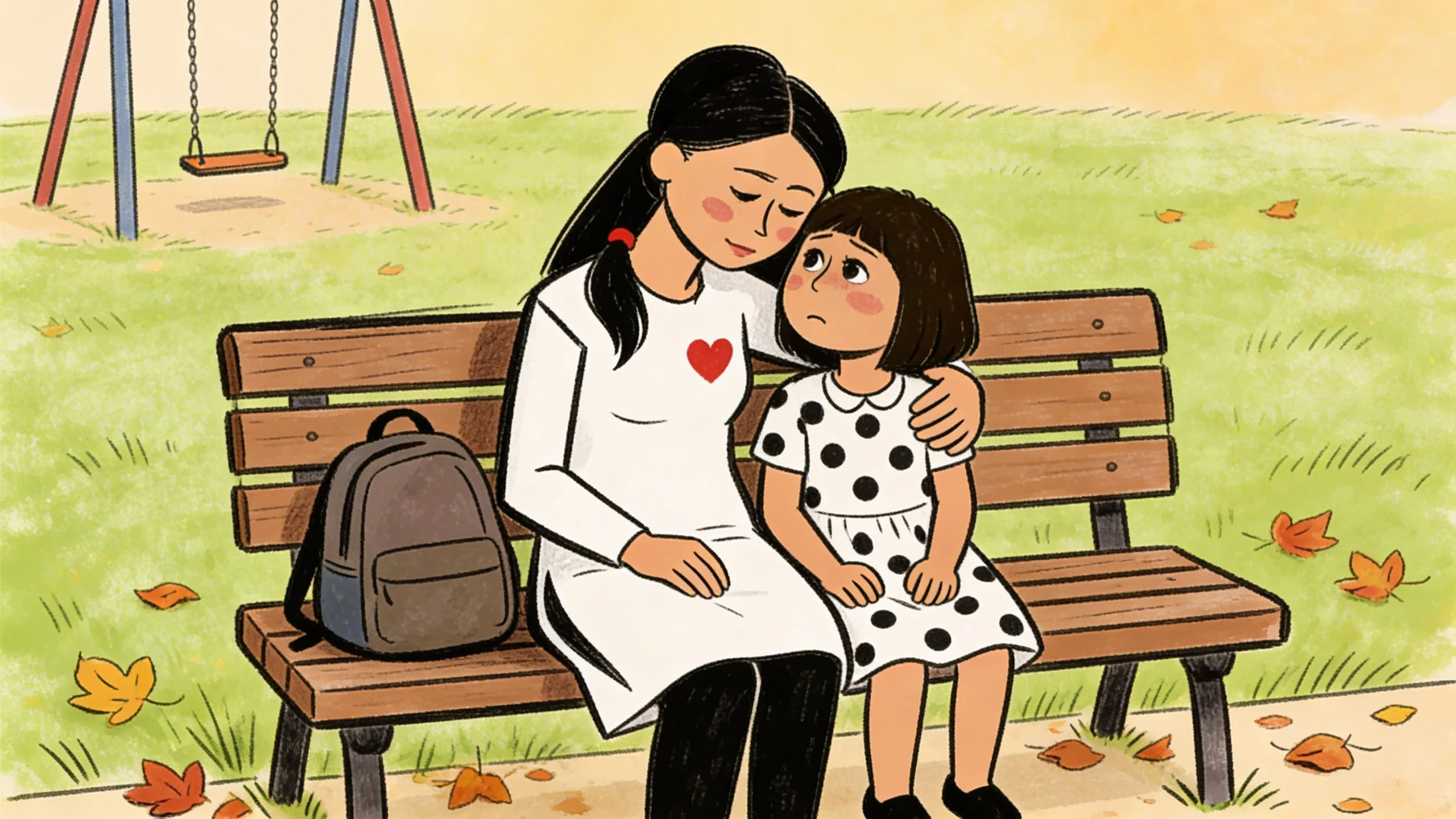
You cannot control another person. All you have is influence, and influence runs on relationship quality. Punishment erodes the relationship that makes your kid want to listen to you. A child who feels connected wants to cooperate. A child who feels afraid wants to avoid getting caught.
Kids raised without punishment who were asked how they learned to behave said things like: "You and Dad were always nice to us. Why wouldn't we be nice back?" That's the shift from control to connection in their own words.
How to respond without punishment
- Pause before you reactWhen your kid does something that makes your blood pressure spike, narrate the situation before responding. 'I see you threw your plate. The food is on the floor now.' This buys you three seconds to get out of fight-or-flight and into your thinking brain.
- Ask what need the behavior signalsGet curious. A kid who just hit their sibling might be overtired, jealous, or starving for your attention. The behavior is the alarm. Your job is to find the fire.
- Name their feeling out loudSay what you see: 'You're so angry because she took your truck.' Kids who hear their emotions named learn to manage them. Kids who get punished for having emotions learn to hide them.
- Hold the limit with empathyState the boundary and acknowledge it's hard: 'I can't let you hit. I know that's frustrating.' You're not giving in. You're being a person who can hold two things at once: firm and kind.
- Teach the replacement after the stormWait until everyone is calm, then revisit. 'Earlier when you were mad at your sister, you hit her. Next time you're that angry, what could you do instead?' Let them brainstorm. Their idea sticks better than yours.
The hardest part is you
Let's be honest about why parents default to punishment. It's fast, it feels decisive, and it's what was done to you.
The impulse to punish comes from your own dysregulated emotional state. Dr. Sears observed that if parents followed the guideline to "never spank in anger," 99% of spanking would never happen. Once you're calm, you can think of a better response. The spanking was for your frustration, not your kid.
That's a fixable skill gap, and you're already looking for better tools.
Regulating your own emotions is harder than sending a kid to their room. But here's the trade: you get a kid who behaves better, a relationship that gets stronger, and you stop the cycle so many of us inherited. Kids who learn what to do instead of what not to do develop self-discipline that works even when you're not watching.
Natural consequences work where contrived ones don't. The toy broke because it was thrown. That teaches cause and effect. Inventing a punishment to cause discomfort teaches "don't get caught."
What you're building instead
Kids raised with guidance instead of punishment aren't perfect. They still want to call their sibling "poopy-face." They still forget things unless reminded. They still get cranky.
The difference: a simple reminder is all it takes. The relationship is strong enough that guidance works without threats. These kids cooperate because they want to, not because they're scared of what happens if they don't. And that cooperation follows them into adulthood.
FAQ
Only if you also stop setting limits. The approach here keeps boundaries firm while dropping the pain. You still say no. You still enforce rules. You just do it without threatening, isolating, or hitting. Kids who feel connected to you don't want to walk all over you. They want to cooperate.
Most people who were spanked did turn out okay. The research suggests you likely would have turned out even healthier without it. The fact that you survived something doesn't mean it was the best approach. And the data shows clearly that alternatives produce better outcomes across every measure studied.
There's significant overlap. The core idea is the same: guide with connection instead of controlling with fear. Some people associate gentle parenting with permissiveness, but this approach is not permissive. Limits are firm. Expectations are high. The delivery is empathic instead of punitive.
Most parents report noticeable changes within a few weeks. There's usually a transition period where behavior gets a bit worse as kids test the new boundaries. If you've been punishing, your child was obeying out of fear. Once fear is removed, you need to rebuild connection as the new motivation. Stay consistent.