TLDR
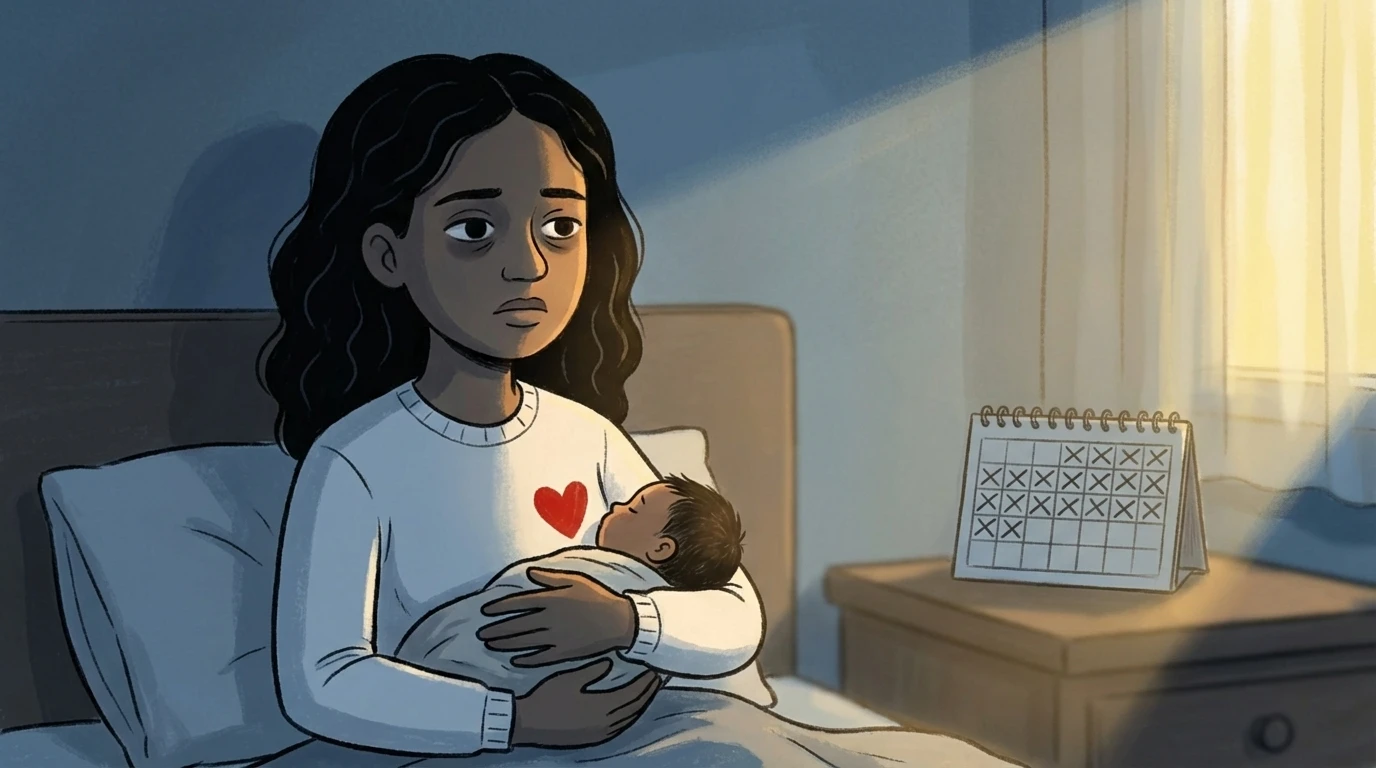
- Baby blues resolve within two weeks. PPD doesn't. Crying, mood swings, and overwhelm in the first 14 days are hormonal and temporary. If symptoms persist or worsen past that window, you're looking at something different.
- You don't need a mental health history to develop PPD. Hormonal crashes, sleep deprivation, and lifestyle upheaval can trigger it in anyone. Having no prior diagnosis doesn't protect you.
- PPD can show up months after birth. It doesn't always arrive in the first few weeks. It can surface anytime in the first year, often when the initial support network fades and isolation sets in.
- The 'horrible mother' thought is a symptom, not a fact. Almost every parent with PPD has this thought. It's the depression talking. If the baby is safe, fed, and loved, you're doing the job.
- PPD is highly treatable. Medication, therapy, or both can produce real relief quickly. Waiting it out is what turns a treatable condition into a long-term one.

Two weeks is the dividing line
Your hormones are in freefall. Progesterone and estrogen drop dramatically after delivery, your blood volume shifts, and your body is recovering from something that required either surgery or the physical equivalent of running a marathon.
The mood swings, crying jags, and overwhelming anxiety of the first two weeks are called baby blues, and they affect up to 80% of new mothers. They feel terrible. They are also temporary. Your body is recalibrating.
Here's where it gets tricky. PPD looks a lot like baby blues at first. The difference is the timeline. Baby blues peak around day three to five and fade by week two. PPD doesn't fade. It deepens.
If you hit the two-week mark and the fog hasn't lifted (or it's getting thicker), that's your signal. Your brain chemistry needs help that willpower can't provide.
Three weeks of tears
The New Parent Survival course will help you tell adjustment from depression
You'll recognize the clinical signs early enough to act instead of Googling symptoms at 3 AM.
What PPD looks like when you're inside it
PPD disguises itself as normal new-parent exhaustion. You're sleep-deprived, you're overwhelmed, you've never done this before. Of course you feel terrible. Right?
Here's what separates PPD from the standard chaos of the postpartum period.
The symptoms nobody talks about at the six-week checkup
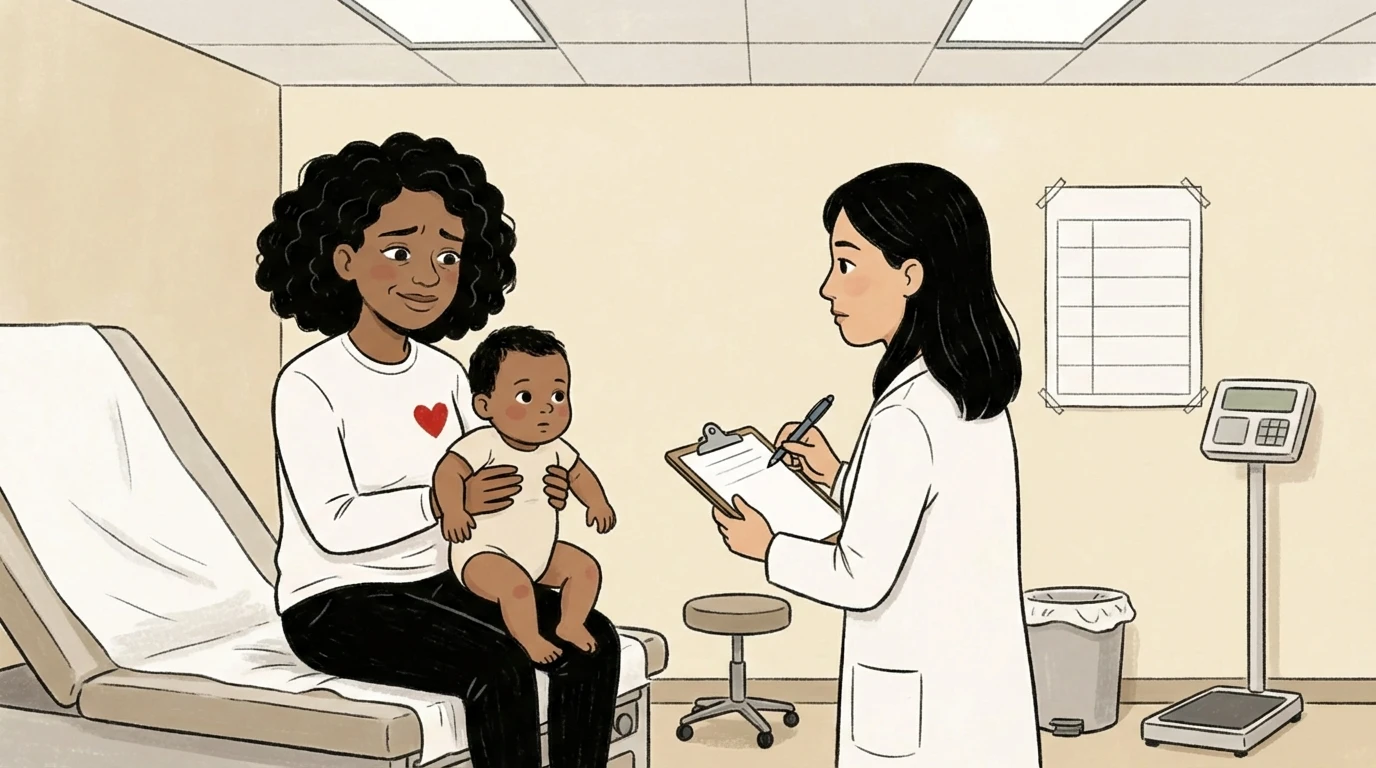
Doctors typically screen for PPD at six weeks. You sit in the office, your baby on your lap, and someone asks if you're doing okay. And you say yes, because what else do you say? You redirect the conversation to the baby's weight gain. You leave.
The symptoms you're not mentioning:
- You can't sleep even when the baby sleeps, because your brain won't stop running worst-case scenarios
- Activities you used to enjoy feel like they belong to a different person's life
- Rage that comes out of nowhere (your partner breathes too loudly and you want to scream)
- Intrusive, scary thoughts about something happening to the baby
- A persistent feeling of being a terrible parent, despite evidence to the contrary
- Guilt so heavy it feels physical
- The sensation that a dark cloud is sitting directly on top of your experience of parenthood
These are clinical symptoms. And here's the part that trips up even mental health professionals: a registered psychotherapist who studies PPD didn't recognize it in herself until six weeks in. She assumed everything she was feeling was just part of being a new mom.
It doesn't always show up on schedule
PPD can surface anytime in the first year. Sometimes it creeps in at month four, when the visitors have stopped coming, the meal train has dried up, and you're spending long stretches alone with a baby who can't talk yet.
The isolation is a major driver. By month three, people assume you've figured it out. The gap between what people assume and what you're experiencing can become enormous.
The myths that keep parents from getting help
Two beliefs do the most damage.
"It's just hormones. They'll go away." Hormonal change is a risk factor, yes. But waiting for your hormones to sort themselves out while you're unable to get out of bed is like waiting for a broken bone to heal without setting it. PPD is treatable. Treatment works faster than time alone. Talk to your doctor, even if you think what you're feeling might be hormonal. Especially then.
"I would know if I had it." You might not. Sometimes PPD looks like a parent who is functioning, showing up for every feeding and every bath, but feeling absolutely nothing while doing it. Sometimes it looks like perfectionism in overdrive, needing everything to be exactly right because the anxiety underneath is unbearable.
If you're reading this and thinking that sounds like me but it's probably not that bad, take an honest look at where your reserves are. Depletion and depression overlap, and both deserve attention.
Getting help is the best thing you can do for your baby
The "horrible mother" thought is almost universal among parents with PPD. It shows up daily, sometimes hourly. It tells you that everyone else is handling this better, that your baby deserves someone more capable.
That thought is a symptom, the same way a fever is a symptom of infection. It's brain chemistry lying to you.
The bar for success right now is simpler than the depression wants you to believe. Your baby is safe, fed, and loved. That's the job. Everything else (the Pinterest-worthy nursery, the homemade purees, the Instagram version of motherhood) is noise.
Getting treatment improves everything. Your ability to cope, your capacity to take care of yourself, your energy for the relationship with your baby. A therapist who specializes in perinatal mental health will have heard your exact thoughts from hundreds of other parents. PPD that gets treated can resolve remarkably fast.
How to get help for postpartum depression
- Name what you're feelingWrite down the specific symptoms, not just 'I feel bad.' Note whether you can sleep when the baby sleeps, whether you've lost interest in things you used to enjoy, and whether intrusive thoughts are showing up. Specifics help your doctor help you.
- Tell someone todayA partner, a friend, your mother, anyone. Say the sentence out loud: 'I think I might have postpartum depression.' Speaking it breaks the isolation. You don't have to explain or justify. Just say it.
- Call your doctor or midwifeYou don't need to wait for the six-week checkup. Call now. Tell them your symptoms. They can start the conversation about whether medication, therapy, or both would help.
- Find a postpartum specialistGeneral therapy is fine. A therapist who specializes in postpartum mental health is better. They've heard your exact thoughts from hundreds of other parents and won't be surprised by any of it.
- Lower the bar for daily successBaby is safe, fed, loved. That's it. Everything beyond that is a bonus. Give yourself permission to order takeout, skip the laundry, and lie on the floor next to your baby doing absolutely nothing. That counts as parenting.
What partners and family can do
If you're reading this because someone you love seems off since the baby arrived, here's what helps.
Don't ask "how are you?" Ask specific questions: "Are you sleeping when the baby sleeps? Are you having thoughts that scare you? Do you feel like yourself?"
Don't wait for them to ask for help. PPD makes asking feel impossible. Show up with the help already in hand. Book the doctor's appointment. Drive them there. Sit in the waiting room.
Keep checking in past the first month. PPD often shows up later, when the casseroles have stopped and the company has thinned. Month three, month six, month nine, keep asking.
If the exhaustion has become its own problem, it's worth examining whether what you're feeling is burnout layered on top of depression. They feed each other.

The timeline for feeling better
PPD is not permanent. With treatment (medication, therapy, or both), most parents start feeling measurably better within weeks. Not perfect. Better. The fog lifts in patches. You laugh at something your baby does and realize you meant it. You sleep for a four-hour stretch and wake up feeling like a person instead of a husk.
Day by day, the coping builds. The intrusive thoughts lose their volume. The dark cloud moves from sitting on your chest to hovering somewhere in the periphery, then eventually drifts off entirely.
Waiting it out doesn't work. Treatment does. That's not opinion. That's research.
FAQ
Yes. PPD can surface anytime in the first year. It often appears when initial support fades and sleep debt accumulates. Many parents don't experience symptoms until three to six months postpartum, when the isolation and exhaustion compound.
Yes. Research shows roughly 1 in 10 new fathers experience postpartum depression, often triggered by sleep deprivation, relationship stress, and the identity shift of becoming a parent. The same screening questions and treatment options apply.
Several SSRIs are considered compatible with breastfeeding, with minimal transfer to breast milk. Your doctor can help you weigh the specific risks and benefits. Untreated depression also affects breastfeeding, so medication often supports the feeding relationship rather than threatening it.
Intrusive thoughts about harm coming to your baby are one of the most common PPD symptoms. They are distressing precisely because you love your baby. Having the thought does not mean you will act on it. Tell your doctor about them. They will not be shocked, and they can help.
PPD shares many symptoms with major depression but is specifically triggered by the hormonal, physical, and lifestyle changes of having a baby. It can also include symptoms unique to the postpartum period like intrusive thoughts about the baby's safety, difficulty bonding, and extreme guilt about parenting ability.