TLDR
- Attachment and 'attachment parenting' are different things. The psychological bond forms through emotional responsiveness, not through specific practices like co-sleeping or babywearing. You can formula-feed, sleep-train, and still raise a securely attached kid.
- The Strange Situation test revealed three attachment styles. Secure babies protest when parents leave but calm quickly when they return. Resistant babies can't be comforted. Avoidant babies look fine but are stressed underneath.
- Four things build secure attachment: safe, seen, soothed, secure. Allow all emotions. Comfort them when upset. Make sure they feel safe. See and accept who they are, not who you wish they were.
- Your own emotional history is the best predictor. You don't need a perfect childhood. You need to have reflected on yours. Unprocessed emotional wounds get triggered by your child's needs.
- Parental burnout damages attachment more than 'imperfect' choices. If a parenting practice is destroying your mental health, it's undermining the bond. A rested, responsive parent beats an exhausted, resentful one every time.
The word "attachment" has been hijacked
Somewhere between the 1960s research lab and your Instagram feed, attachment theory got tangled up with a very specific parenting philosophy. Breastfeed or your bond is broken. Co-sleep or your child won't feel safe. Never let them cry or the damage is permanent.
Here's the problem: that's not what the science says. At all.
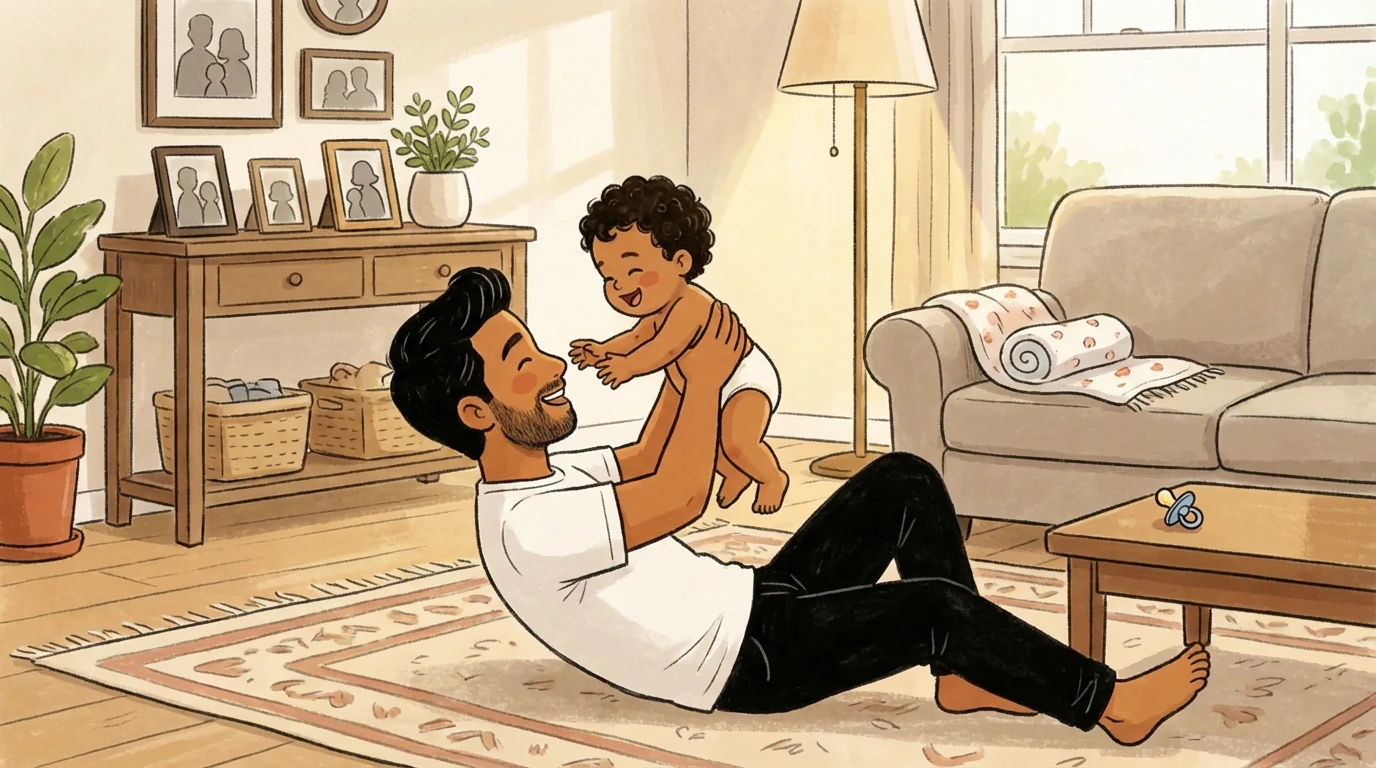
Attachment, the psychological concept, is about one thing: does your child trust that you'll respond when they need you? That trust doesn't care whether it was breast milk or formula. It doesn't care whether they slept in your bed or a crib down the hall. It cares whether you showed up, consistently, when they were distressed.
The confusion is causing real harm. Parents who can't breastfeed feel like they're failing at attachment. Parents who sleep-train feel like they've broken something. Parents who go back to work feel guilty about a bond they're told requires 24/7 physical proximity.
None of that is supported by the research.
Wondering if they're securely attached
The Science of Parenting course will decode attachment for you
You'll stop guessing whether you've blown it and start recognizing secure attachment in your own home.
What the research measured
In the 1960s, developmental psychologist Mary Ainsworth designed something called the Strange Situation protocol. It's a simple experiment, and it changed everything we know about how babies bond.
The setup
A mother plays with her 12-month-old in a lab room. A stranger is present. The mother briefly leaves the room, leaving the baby with the stranger. Then the mother comes back.
The separation matters, but here's the part most people get wrong: the reunion is the measurement that counts. How the baby responds when the parent walks back through that door reveals the attachment pattern.
Three patterns emerged
Secure babies protest when the parent leaves (good, they care) and calm down quickly when the parent returns (good, they trust). These kids grow up to have better relationships, stronger academic performance, and better social adjustment across the board.
Resistant babies protest the departure but then reject comfort when the parent returns. They're angry and clingy at the same time. This develops when a parent is sometimes responsive and sometimes not. These children often become so focused on seeking reassurance that other developmental tasks take a back seat.
Avoidant babies look like the "easy" ones. They don't protest much when the parent leaves and don't seek comfort when the parent returns. Independence, right? Wrong. When researchers hooked these babies up to heart monitors, their stress levels were through the roof. They'd learned to hide their distress because expressing it never got them comfort. Daycare teachers later rated these kids as more demanding and whiny than their peers. The independence was a mask.

The four things that build secure attachment
Forget the parenting philosophy wars. Decades of research boil down to four things your child needs from you. Dan Siegel calls them the 4 S's, and they're worth memorizing.
Safe
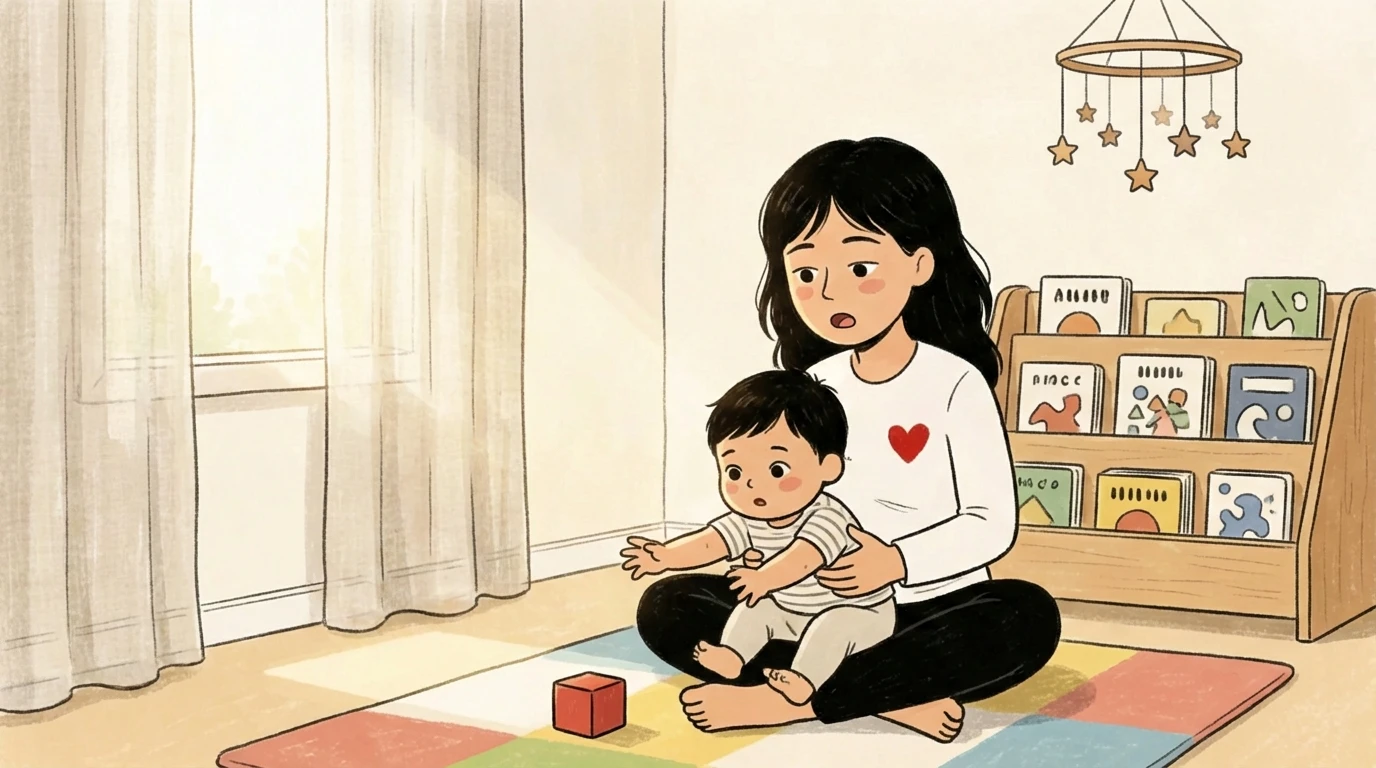
Your child needs to feel physically and emotionally safe with you. This means you're not the source of their fear. You handle your own anger. You don't use intimidation, even when you're at the end of your rope.
Seen
You see who your child is, not a projection of who you want them to be. The quiet kid who doesn't want to perform for relatives. The wild kid who needs to run before they can sit. Carl Rogers called this unconditional positive regard: accepting the whole person without conditions.
Soothed
When they're upset, you help them come back down. This is co-regulation in action: your calm nervous system lending stability to their overwhelmed one. You don't dismiss the feeling ("you're fine") or punish it ("stop crying"). You sit with it.
Secure
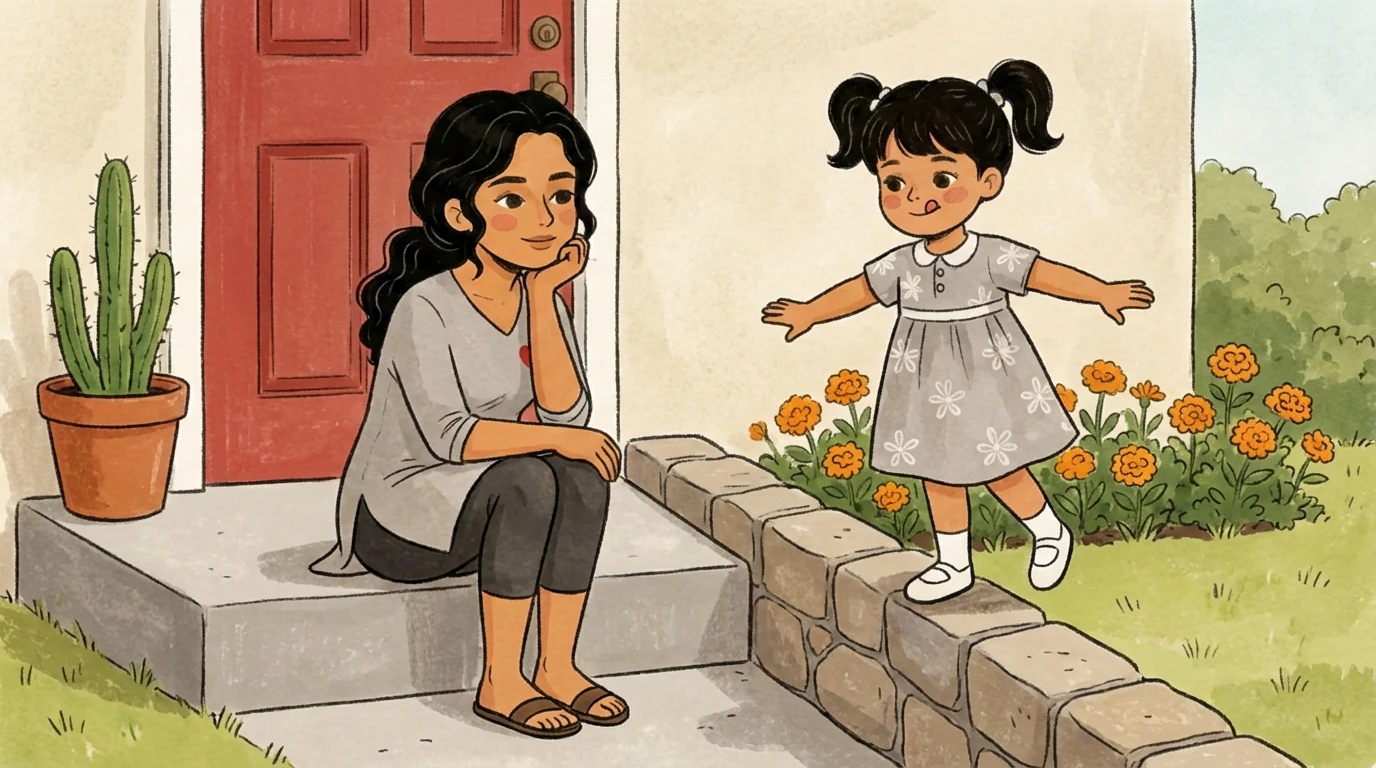
They have a secure base to explore from. They can toddle away from you at the playground, check out a bug, fall down, and know you're there when they look back. Supported exploration, the balance between freedom and a reliable home base, is where confidence gets built.
This is what early bonding practices are really about. Physical connection, eye contact, play, undivided attention. They all serve the same function: teaching your baby that you're a person who shows up.
How to strengthen your child's attachment security
- Let every emotion existWhen your child is angry, sad, or scared, resist the urge to fix or dismiss. Say what you see: 'You're really frustrated right now.' The emotion doesn't need to be solved. It needs to be witnessed.
- Soothe before you teachDuring distress, skip the lesson. Get close, offer physical comfort if they want it, breathe slowly. Teaching moments work after the nervous system has calmed down, not during the storm.
- Expand their circle of trustSecure attachment with you becomes a template for other relationships. Let trusted family members and friends build their own connections with your child. This teaches them that the world contains reliable people.
- Model your own emotions out loudSay 'I'm feeling frustrated, so I'm going to take some deep breaths.' Your child absorbs the template. They learn emotions are normal, nameable, and manageable by watching you do it in real time.
- Let them explore without hoveringStep back at the park. Let them struggle with the zipper for a minute before you jump in. Stay close enough that they can find you when they look back. The secure base only works if you let them leave it.
The guilt trap (and how to escape it)
Here's where most attachment theory articles leave you: feeling like everything you've done wrong has permanently damaged your child. The internet is excellent at that.
But the research says something different. The single best predictor of whether your child will be securely attached is whether you've come to terms with your own emotional history.
Read that again. It's not about what happened to you. It's about whether you've reflected on it.
Parents who had difficult childhoods but have processed those experiences raise securely attached children at the same rates as parents who had easy childhoods. The mechanism is straightforward: when your own emotional wounds stay unconscious, they get triggered by your child's needs. You react from your past instead of responding to your kid's present.
What "processing" looks like
You don't need years of therapy (though it helps). Processing means you can tell the story of your childhood with some perspective. You can name what was hard without being flooded by it. You understand why your parents did what they did, even if you disagree.
This is the real work. Not buying the right baby carrier. Not agonizing over sleep training. Sitting with your own stuff so it doesn't leak onto your kid.
And if parenting practices are working against your wellbeing rather than for it, they're working against the bond too. A parent who is exhausted, resentful, and cringing at the sight of their own baby is not in a position to provide safe, seen, soothed, and secure. The version of you that can be responsive matters more than the method you use.
You don't have to be perfect
Secure attachment doesn't require getting it right every time. Research shows that parents need to be "in tune" with their baby's emotional needs about 30-50% of the time. That's it. Not 100%. Not even close.
What matters more than perfection is repair. You lost your temper? Apologize. You missed a cue? Come back to it. Every rupture that gets repaired strengthens the bond, because your child learns that relationships survive mistakes. That's a lesson worth more than any parenting hack.
If you're worried about whether you're getting it right, that worry itself is evidence of secure attachment building. Parents who don't care don't google attachment theory at 11 PM.

The bottom line
Attachment theory has been around for sixty years. The evidence is consistent. Secure attachment comes from emotional responsiveness, not from a checklist of practices.
Be the person who shows up. Let them feel their feelings. Soothe them when they can't do it alone. Let them explore knowing you're the safe place to come back to. And do your own work, because the patterns you pass on start with the ones you carry.
FAQ
The research doesn't support this claim. Sleep training methods that include check-ins and gradual withdrawal have been studied repeatedly with no measurable negative effects on attachment security. What damages attachment is chronic parental exhaustion and the resentment it creates. A rested parent is a more responsive parent.
Yes. Children form attachment relationships with multiple caregivers, including parents, grandparents, and consistent childcare providers. These relationships can vary in quality. A child might be securely attached to one parent and insecurely attached to another. Each relationship is built on its own track record of responsiveness.
Attachment patterns can shift at any age. The brain remains plastic, and new experiences of consistent emotional responsiveness can create earned security. Start with repair: acknowledge past misses, show up differently now. Older kids and even teenagers respond to genuine changes in relational patterns.
This is common and not a sentence. Research shows that parents who reflect on and process their own attachment history can break the cycle completely. The key factor is awareness, not a perfect childhood. Therapy, journaling, and honest self-reflection all count as processing. Your past informs your present but doesn't have to dictate it.