TLDR
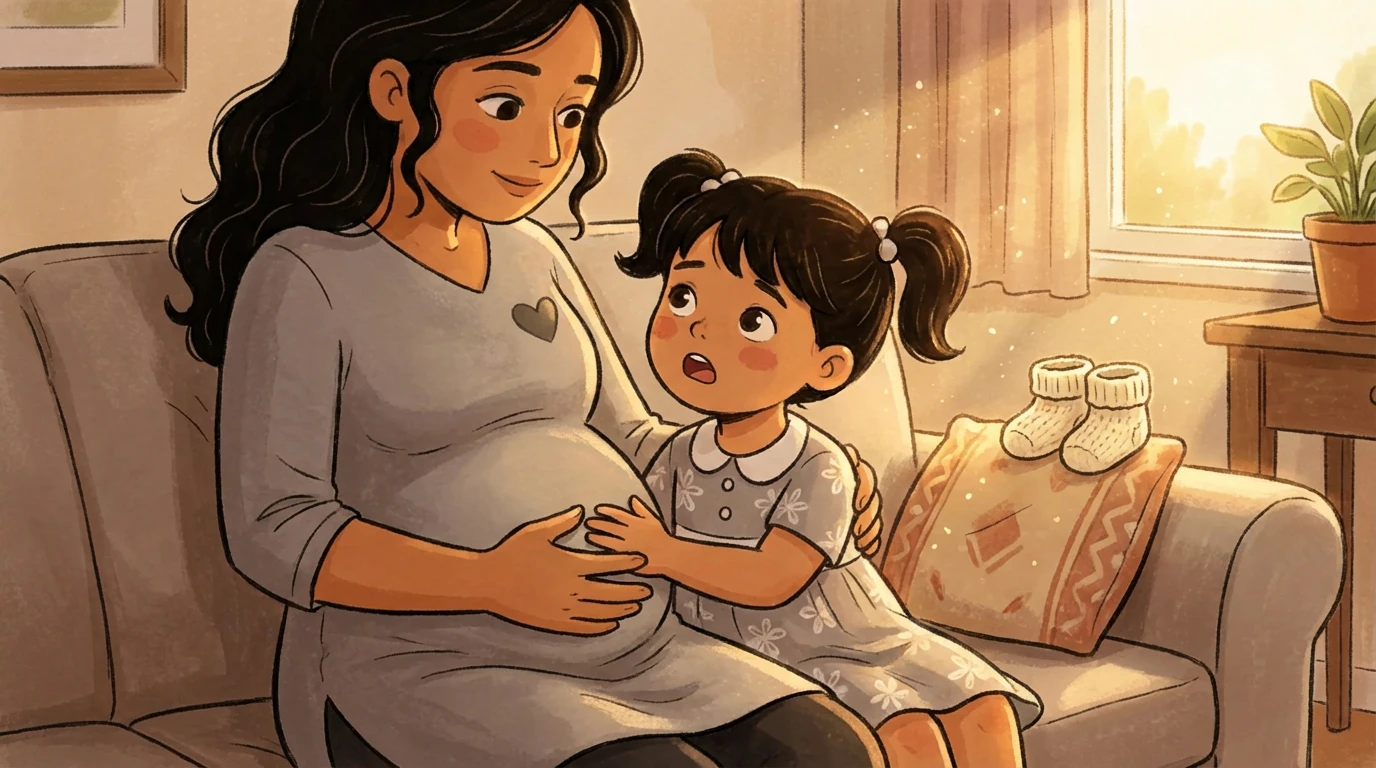
- Start talking early and keep going. Your child's brain processes change through repetition. One conversation is a surprise. Fifty conversations are preparation. Begin as soon as you're ready to share the news and revisit it constantly.
- Let them have ugly feelings about it. Jealousy, anger, and 'I don't want a baby' are normal responses to losing exclusive access to you. Suppressing those feelings doesn't make them disappear. It makes them show up as hitting, regression, or meltdowns.
- Make the baby real before the baby arrives. Books, doctor visits, feeling kicks, picking out names. The more concrete the baby becomes, the less the baby feels like a threatening unknown. Abstract threats are scarier than familiar ones.
- Prepare them for the boring truth. Newborns cry, sleep, eat, and stare at the ceiling. If your child expects a playmate and gets a blob, resentment is guaranteed. Set realistic expectations early.
- Your relationship with your child is the buffer. A child who feels secure in your love can tolerate sharing you. A child who already feels shaky will fall apart. Invest in connection now, before the baby consumes your bandwidth.
When to tell them (and how much detail they need)
Your instinct will be to wait until you're showing. For a toddler, the difference between telling them at eight weeks and twenty weeks is meaningless. What matters is total exposure time.
The earlier you start, the more repetitions your child gets before the change hits. Toddler brains process the unfamiliar by encountering it over and over until it becomes boring. Months of casual conversation create familiarity where a single announcement creates shock.
You don't need a grand reveal. Sit with them and explain: "There's a baby growing in my belly. The baby will come live with us." Then answer whatever they ask. Some kids will ask forty questions. Some will say "okay" and go back to their trucks.
What to tell them
Give them the full picture. Not the sanitized, excitement-only version. The real one:
- Who will take care of them when you go to the hospital
- What the baby will look like (small, wrinkly, not cute yet)
- What the baby will do (cry, sleep, eat, repeat)
- That feeding the baby will take a lot of time
- That you will still love them exactly the same
Your child's brain wants to be "in the know." Uncertainty is what creates anxiety. Details, even uncomfortable ones, reduce it. If you're not sure whether your family is ready for this transition, a readiness assessment can help you think through the practical side.
Breaking the baby news
The Sibling Harmony course will help you prepare that conversation
You'll know what to say, what to skip, and how to read their reaction without spiraling into reassurance mode.
Books, dolls, and making it concrete
Abstract concepts don't land with young children. "We're having a baby" means nothing to a two-year-old. You need to make it physical.
Read the same books until they fall apart
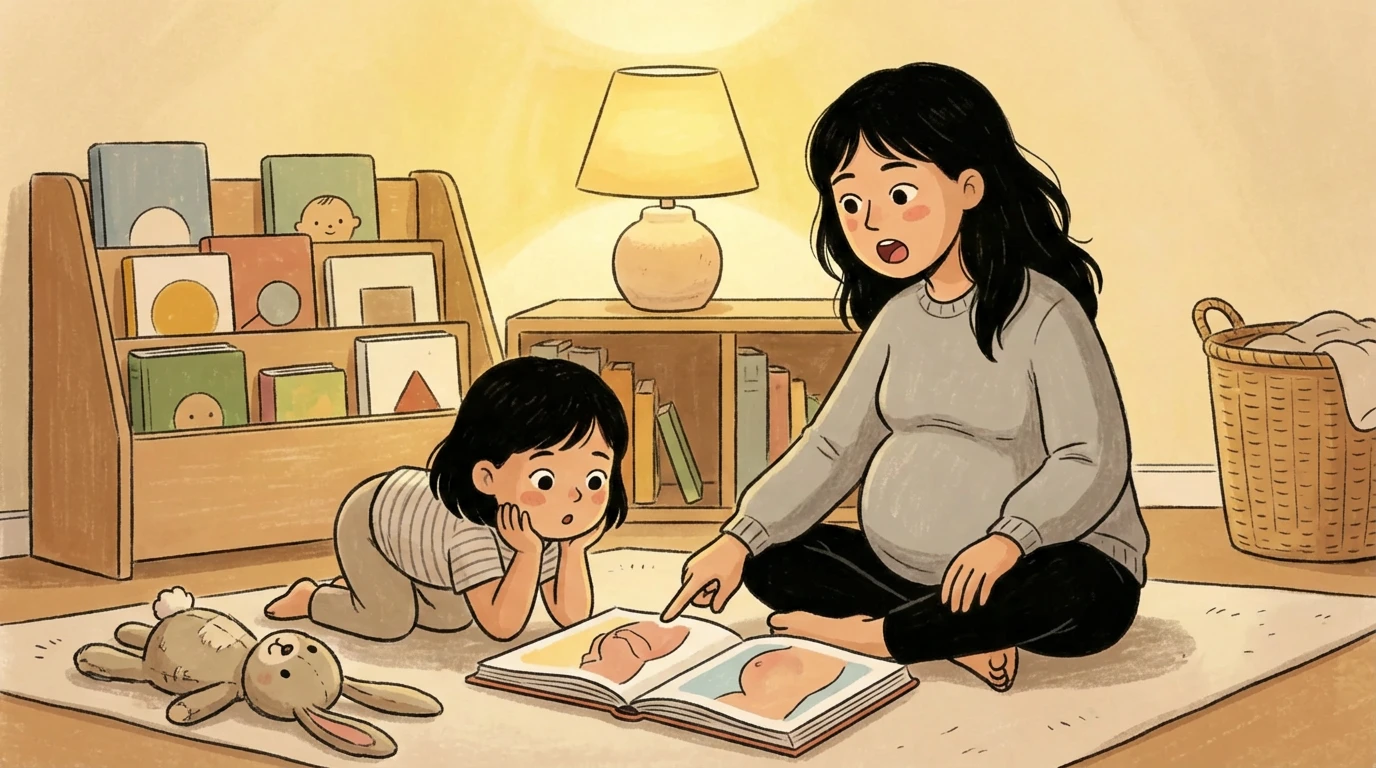
Get two or three books about becoming a big sibling. Read them until your child can recite them from memory. Each reading, connect the story to your real situation: "Look, she has a baby in her belly just like I do. Your baby is going to be small like that too."
Repetition converts the unfamiliar into the expected. By the time the baby arrives, your child should be bored by the concept. Bored is the goal.
Let them practice with a doll
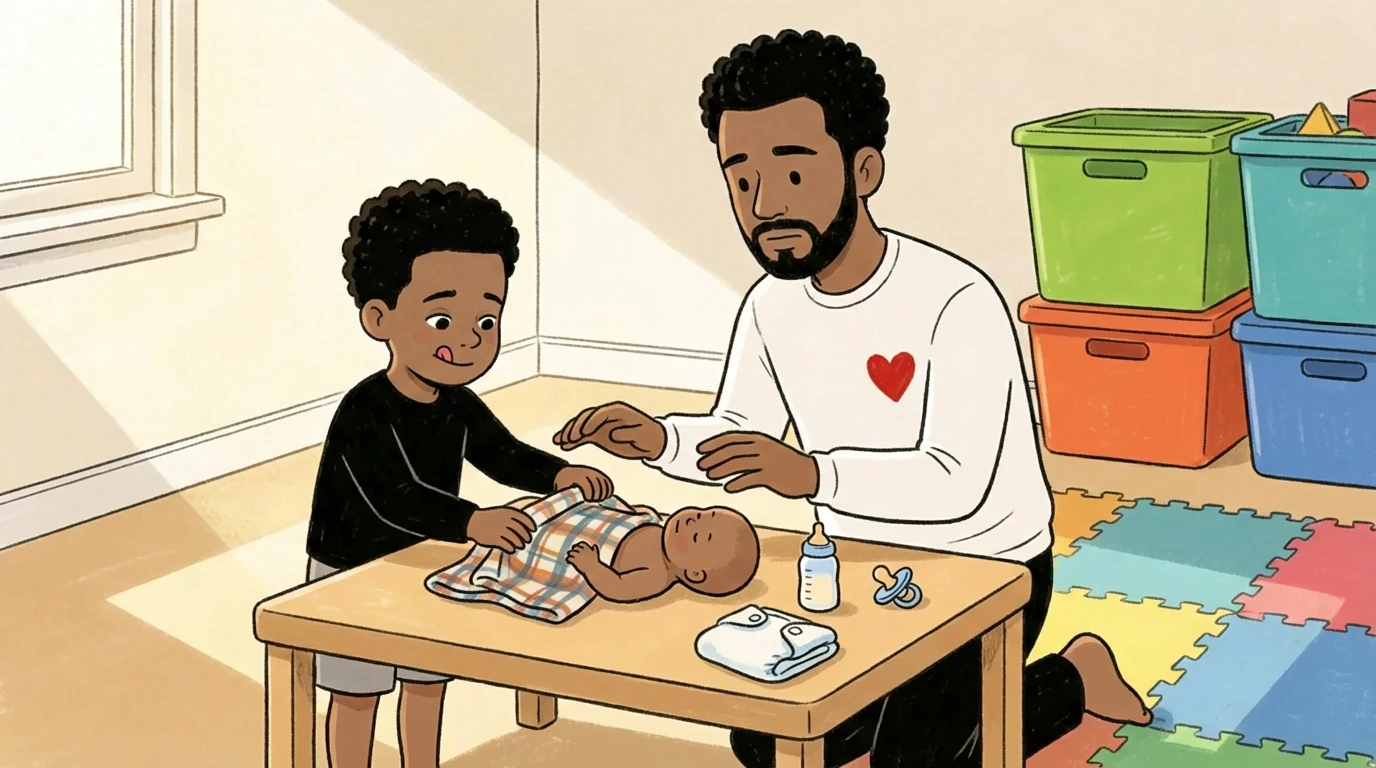
Buy a baby doll and let your child practice diaper changes, feeding, and carrying. This gives them a role. A child who has practiced holding a baby feels competent when the real one shows up. A child who has never touched a baby feels scared.
Use "our baby" and "your sister" early
Language shapes how your child thinks about the baby. "The baby" is an outsider. "Your brother" is family. Start using possessive language as soon as you know the gender (or before, if you prefer). When your child says "my baby," you've won half the battle.
Feelings they're allowed to have (all of them)
Here's what most parents get wrong: they treat the announcement like it should produce excitement. When their child responds with "I don't want a baby" or goes silent, they panic.
Your child just learned they're about to lose their exclusive claim on you. The emotion underneath the resistance is fear. Fear of being replaced. Fear of being loved less. Fear that the life they know is about to change in ways they didn't choose.
Name what they're feeling before they can
Teach the vocabulary before the feelings arrive. Jealous. Excited. Frustrated. Scared. A child who can say "I'm jealous" has a tool. A child who can only show jealousy by hitting the baby has nothing.
Give them explicit permission: "It's okay to feel angry about the baby sometimes. Other kids feel that way too. You can always tell me how you feel." Then listen when they do.
Don't force excitement
If your child isn't thrilled, that's information, not a problem. Pressuring them to perform happiness creates a child who hides their real feelings from you. You want the opposite. You want to be the person they tell the ugly stuff to.
How to prepare your child for a new sibling
- Start the conversation earlyBegin talking about the baby as soon as you're comfortable sharing. Use simple, honest language. The goal is maximum repetition before the baby arrives, not a single dramatic announcement.
- Read sibling books on repeatGet two or three books about new siblings and read them until your child is bored. Connect every story to your real situation. Bored means the concept has been fully absorbed.
- Teach feeling words nowBefore the baby arrives, teach jealous, frustrated, excited, and scared. Children who have words for their feelings use words. Children who don't use their bodies.
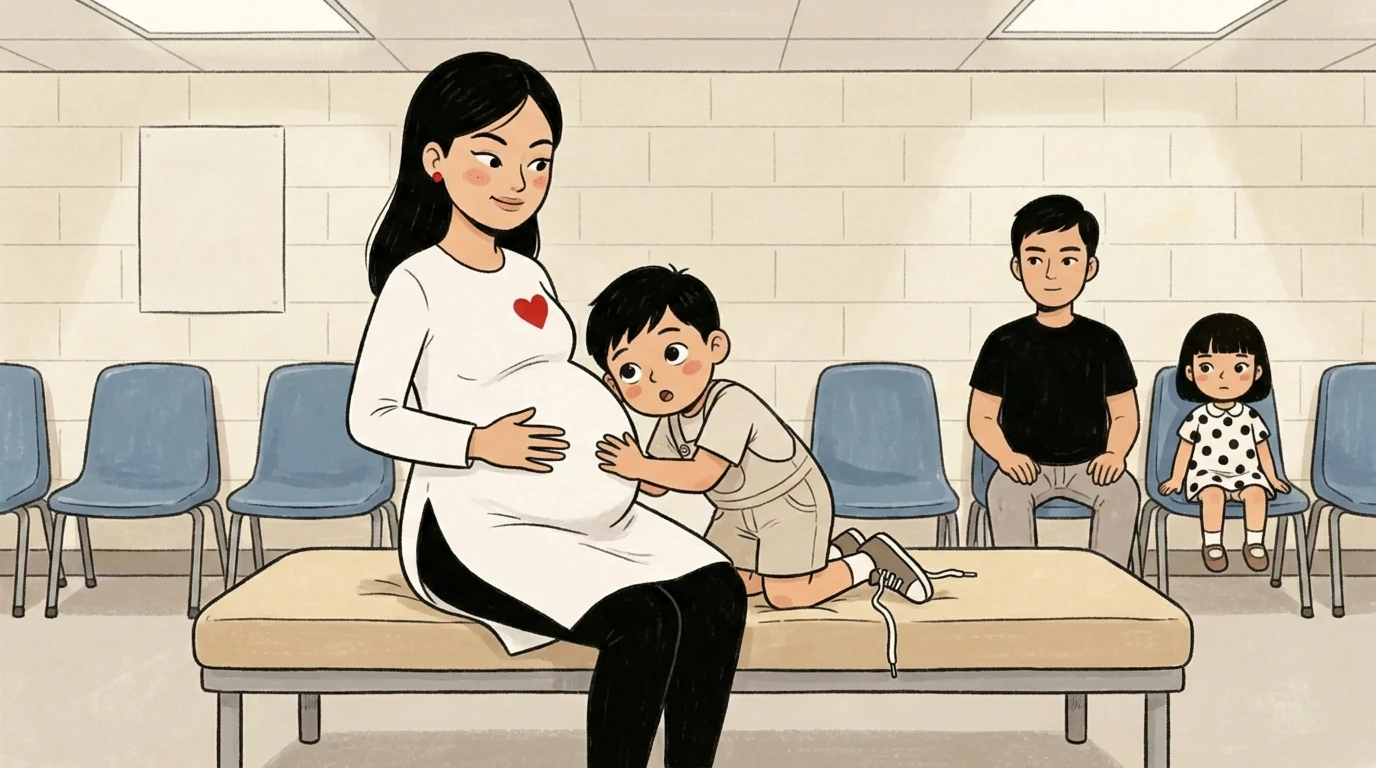
- Include them in preparationsLet them pick items for the baby's room, feel kicks, hear the heartbeat at appointments. Involvement creates ownership. A child who helped choose the crib sheets feels like a participant, not a bystander.
- Set realistic expectations about newbornsExplain that babies cry a lot, sleep a lot, and won't be ready to play for months. A child who expects a friend and gets a screaming potato will be furious. A child who expects a screaming potato will be relieved.
- Protect your one-on-one timeStart scheduling fifteen minutes of daily solo time with your child now, before the baby arrives. Make it a habit that survives the newborn chaos. This is not optional.
The things nobody tells you to prepare for
They need to know what birth looks like
Not in graphic detail. But your child should understand that you'll go to the hospital, that it might take a while, and that it might be loud. If they picture you calmly handing over a clean, smiling baby, the reality will be jarring.
Some parents let older children attend the birth. If you're considering it, read birth books together first and gauge their reaction. A fascinated child is a candidate. A terrified child is not.
Timing other changes matters
If your child needs to move rooms, switch to a big bed, or start potty training, do it months before the baby arrives. Changes that happen close to the birth feel like displacement. "You're moving to the big bed" sounds exciting in June. It sounds like eviction the same week a stranger moves into your crib.
Build up the other parent
If you have a partner, start strengthening that relationship now. When you're nursing a newborn for hours, your older child needs someone they're excited to spend time with. A child who already loves Saturday mornings with their other parent won't feel abandoned when you're less available. A child whose only secure attachment is to you will feel the loss of your attention like a physical wound.
When they say something that breaks your heart
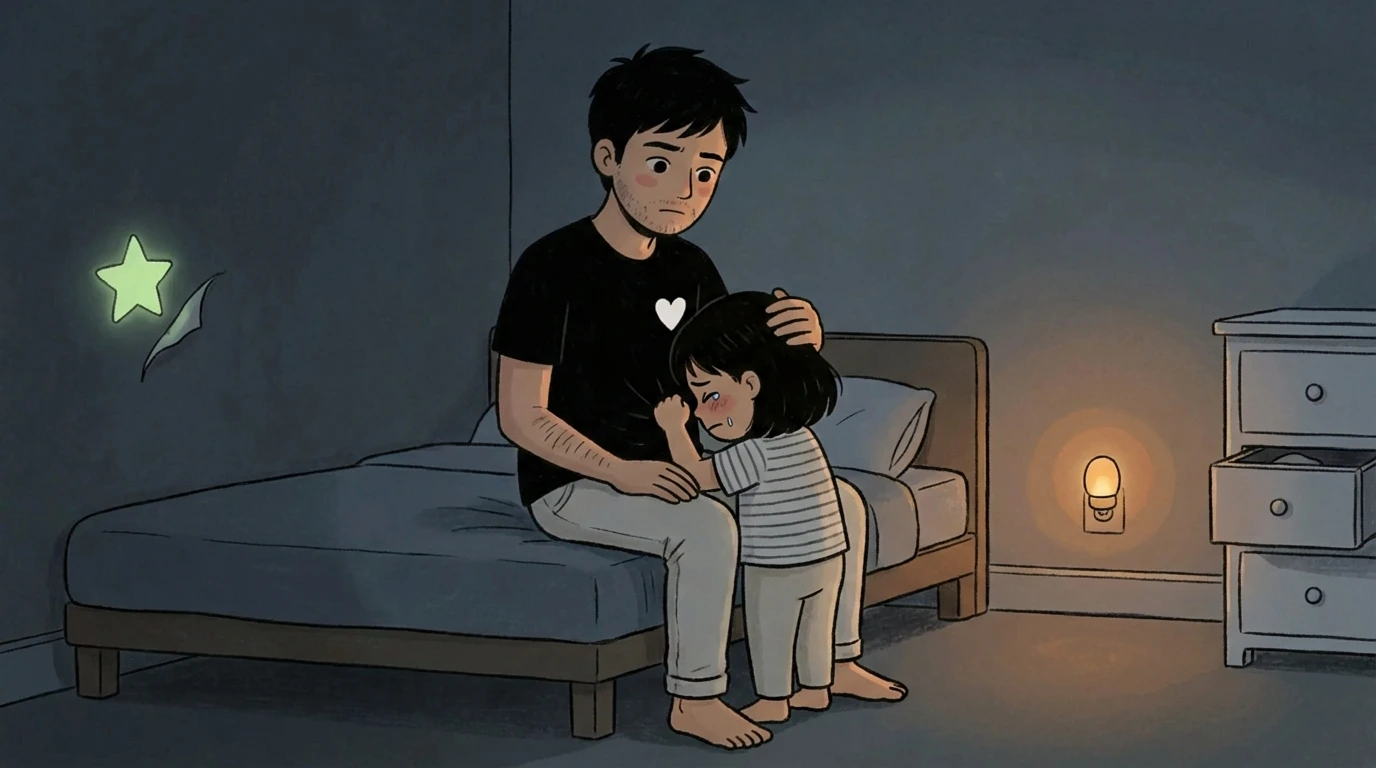
Your child might say "I don't want the baby." They might say "send it back." They might say they hate the baby before the baby even exists. This is their version of processing a fear they can't name yet.
Do not correct the feeling. Acknowledge it. "You don't want a baby right now. That makes sense. Having a baby changes a lot of things." Then hold them. Then keep showing up.
The correction happens through months of experience. When the baby arrives and they still get their bedtime stories, their park trips, their fifteen minutes of undivided attention, the fear loosens its grip. Your actions will prove what your words cannot.
Helping your child name what they're feeling is one of the most protective things you can do before the baby arrives. A child with emotional vocabulary has options.
FAQ
As soon as you're comfortable sharing the news. There's no magic trimester. What matters is total repetition time. The more conversations your child has about the baby before arrival, the less shocking the actual event will be. Even toddlers benefit from early, simple explanations repeated often.
This is a normal grief response, not a red flag. Your child is processing the loss of exclusive access to you. Acknowledge the feeling without arguing. Say 'that makes sense' instead of 'but you'll love being a big sibling.' Their feelings will shift through experience, not persuasion.
Use books, dolls, and physical experiences. Let them feel the baby kick. Practice diaper changes on a doll. Read sibling books until they're memorized. Toddlers learn through repetition and sensory experience, not explanations. Make the baby tangible before the baby arrives.
If you can let them contribute meaningfully, even just the middle name, the investment they feel in the baby increases dramatically. A child who helped name the baby feels ownership. Ownership turns jealousy into protectiveness. Even pondering names together builds connection.
Rough handling is usually curiosity, not aggression. They are learning how to interact with a new kind of person. Guide their hands physically, show appropriate touch, and set a firm boundary: no hurting is ever allowed. The boundary itself is reassuring because it proves you will keep everyone safe.