TLDR
- You are half the pattern. Every stuck cycle has two participants. You can only change your half, but changing your half is enough to shift the whole thing.
- Your triggers belong to you. When your child pushes a button and you detonate, the button is yours. Another parent in the same situation might laugh it off because they don't have that particular wound.
- Bad behavior is always communicating something. Aggression signals fear. Defiance signals disconnection. Neediness signals an empty tank. Decode instead of punishing.
- Self-compassion comes before self-improvement. You cannot shame yourself into being a better parent. Accept the mess first. Change follows acceptance, not the other way around.
- Connection is 80% of the job. Kids are biologically wired to follow guidance from adults they trust. If your child resists everything you say, the relationship needs repair before the rules do.
The loop you already know by heart
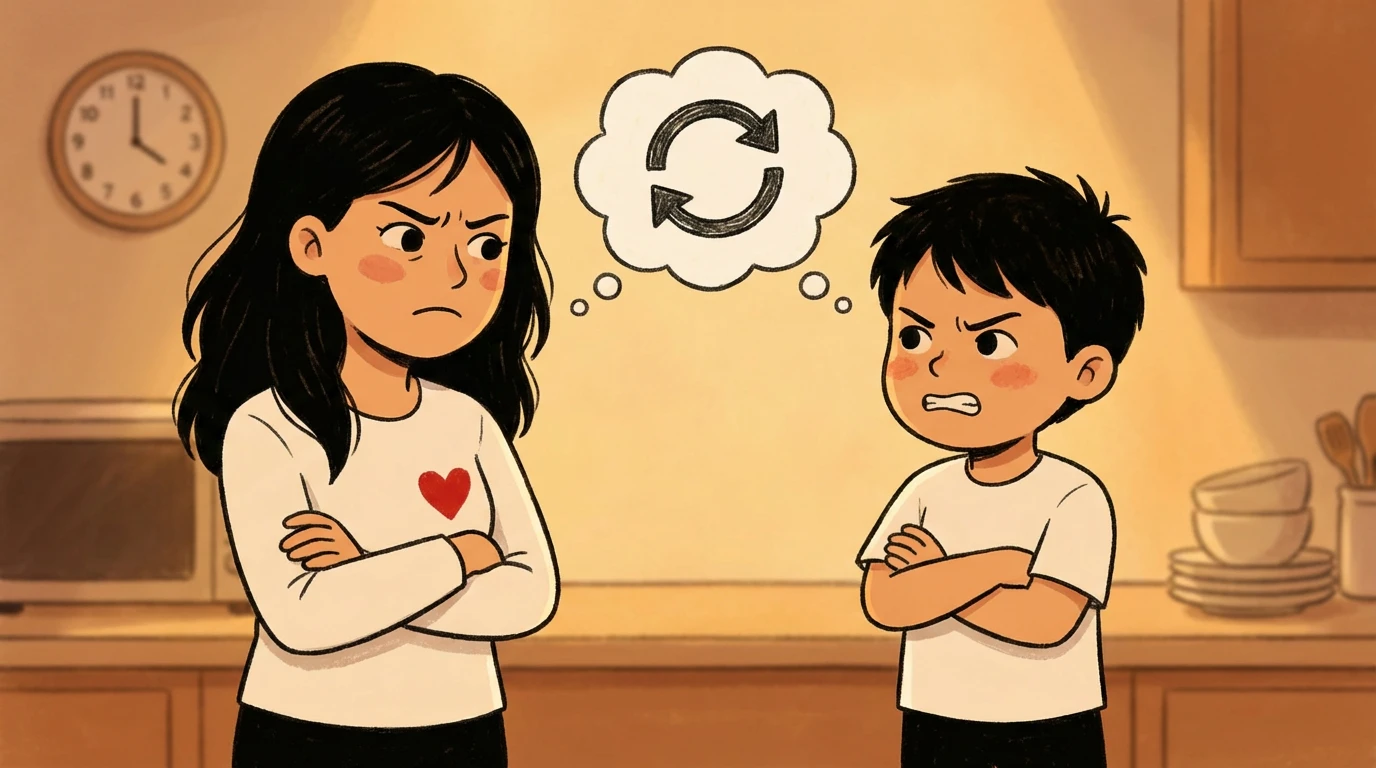
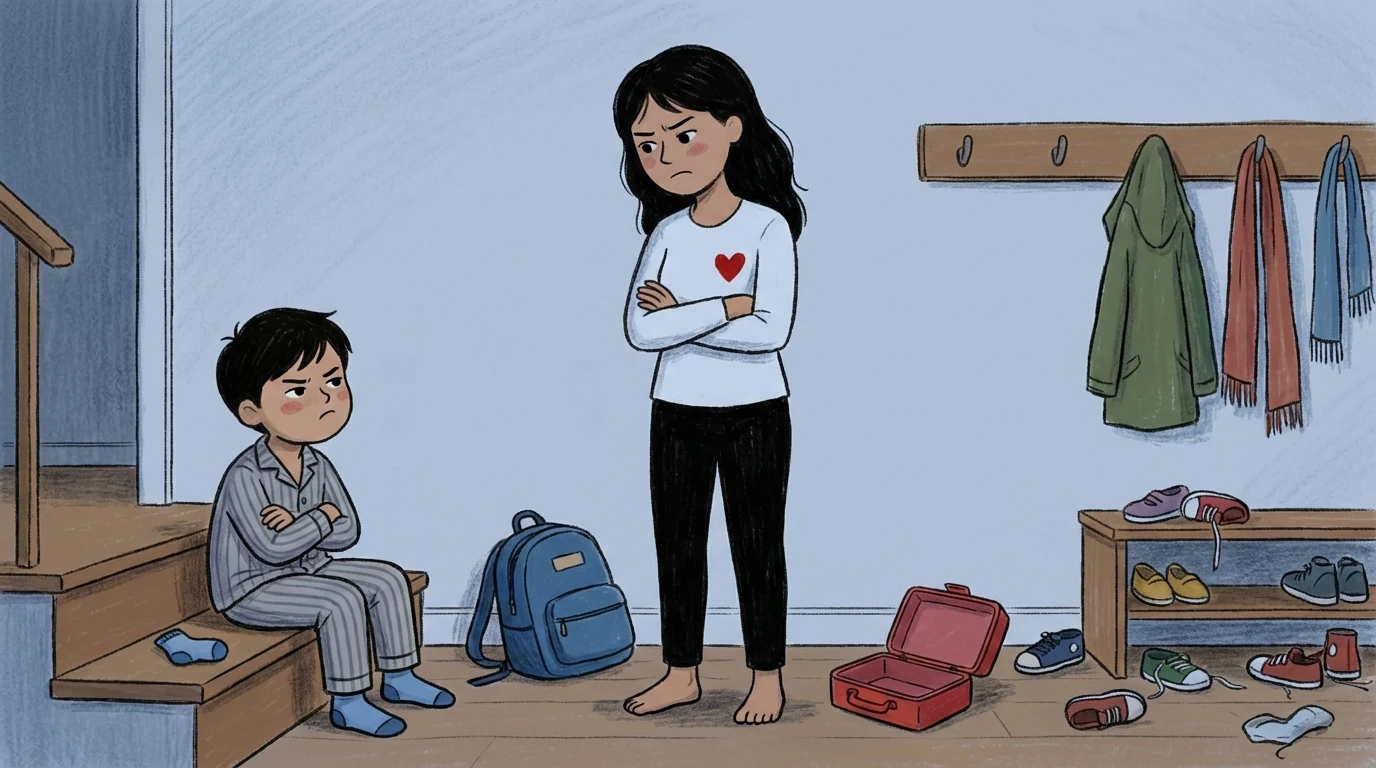
You've lived this scene enough times to narrate it in your sleep. You ask. They ignore. You ask louder. They push back. You escalate. They dig in. By the end, you're both furious and nothing has changed, except now you also feel guilty.
Tomorrow morning, the whole thing runs again. Same script, same roles, same ending.
The pattern feels like a personality problem, but it's a system problem. Two people have gotten locked into a feedback loop where each person's reaction fuels the other person's next move. And the only way to break a loop is for one person to do something different.
That person has to be you. Not because your child is blameless, but because you're the one with a fully developed prefrontal cortex.
Same fight, every single day
The Calm Parent course will show you how to exit the loop you're both stuck in
You'll change your half of the pattern first, and watch the daily cycle lose its grip on both of you.
Why you can't make your child change
Here's where most parents get stuck: the instinct that says you should be able to make your kid behave. If you just find the right consequence, the right tone of voice, the right combination of firmness and love, they'll finally get it.
They won't. Because children (and adults) rebel against force. The tighter you grip, the harder they push. And the more you focus on what your child should be doing differently, the less attention you pay to the one variable you control.
If you change how you show up, your child will change how they respond. This is reliably true, even when it feels impossible from inside the loop. The dynamic between you is a system. Change one input and the output shifts.
The proof you've already seen
Think about a day when you were rested, relaxed, and in a good mood. Your kid did the same annoying thing they always do, and you handled it with a joke or a shrug. The meltdown never materialized.
Now think about yesterday at 5:30 p.m. Same behavior, but you hadn't eaten since noon, you'd been touched by small humans for nine hours straight, and your patience was a memory. The explosion felt inevitable.
Same child. Same behavior. Different you.
The buttons are yours
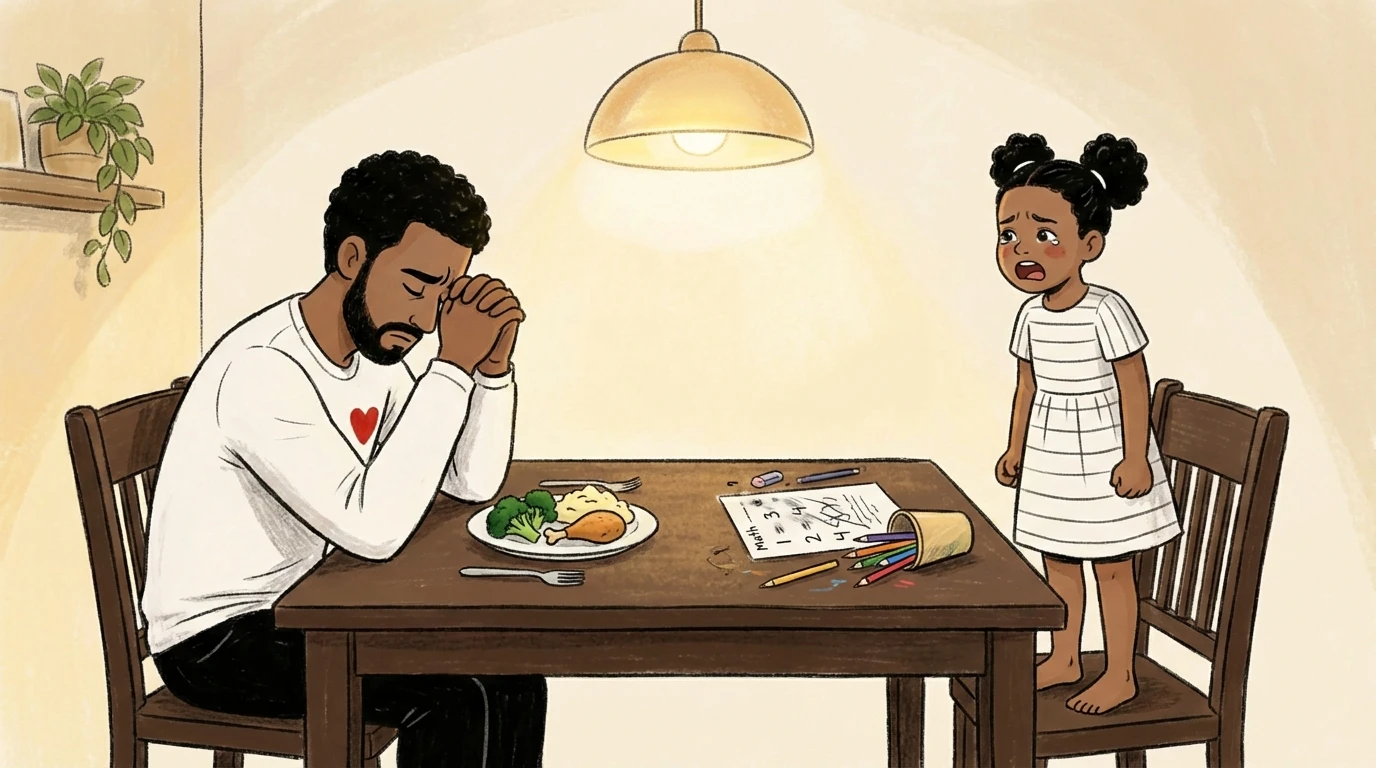
No one can make you feel upset. Yes, your child's behavior is annoying, and possibly for good reason. But the size of your reaction belongs to you, not to them.
The proof: put another parent in your exact situation, same kid, same behavior, same time of day. That parent might defuse the whole thing with empathy or humor because they don't have a hot button about this particular issue. (They've got their own buttons about different things.)
Three questions worth sitting with
When you notice the same issue triggers you every time, that's a signal to look inward. Ask yourself:
Are you depleted? If your basic needs (sleep, food, time alone) have been ignored for weeks, you'll resent your child's demands. The resentment comes from having nothing left to give, and the demands just make that emptiness impossible to ignore.
Are you over-controlling? Sometimes parents clamp down on kids to compensate for feeling out of control elsewhere. Your child becomes the one thing you can manage, and every small act of defiance feels personal.
Do you read disrespect into everything? If you grew up in a house where any pushback was labeled disrespect, you'll see disrespect in a five-year-old who's just upset about something. The pattern you're reacting to might be one you inherited, not one your child is creating.
What the "bad" behavior is telling you
Here's a cheat sheet. Every frustrating behavior your child repeats is a message with bad delivery.
Aggression
Big fear locked inside. The child has hardened around feelings they can't process. Staying connected through their anger (without matching it) is what lets those feelings melt. They need you to be sturdy, not punitive.
Constant limit-testing
They feel controlled. Kids rebel against force, always. You don't have to attend every power struggle you're invited to. Some limits trigger rebellion because of how they're delivered, not what they are.
Clinginess that won't quit
They genuinely need more from you than they're getting. Before you can be generous, though, your own tank has to have something in it. You can't pour from empty.
Defiance about everything
Disconnection. Parenting is 80% connection, and when connection drops below a threshold, kids stop accepting guidance. The defiance is a symptom of distance, not a character flaw.
How to break a stuck pattern
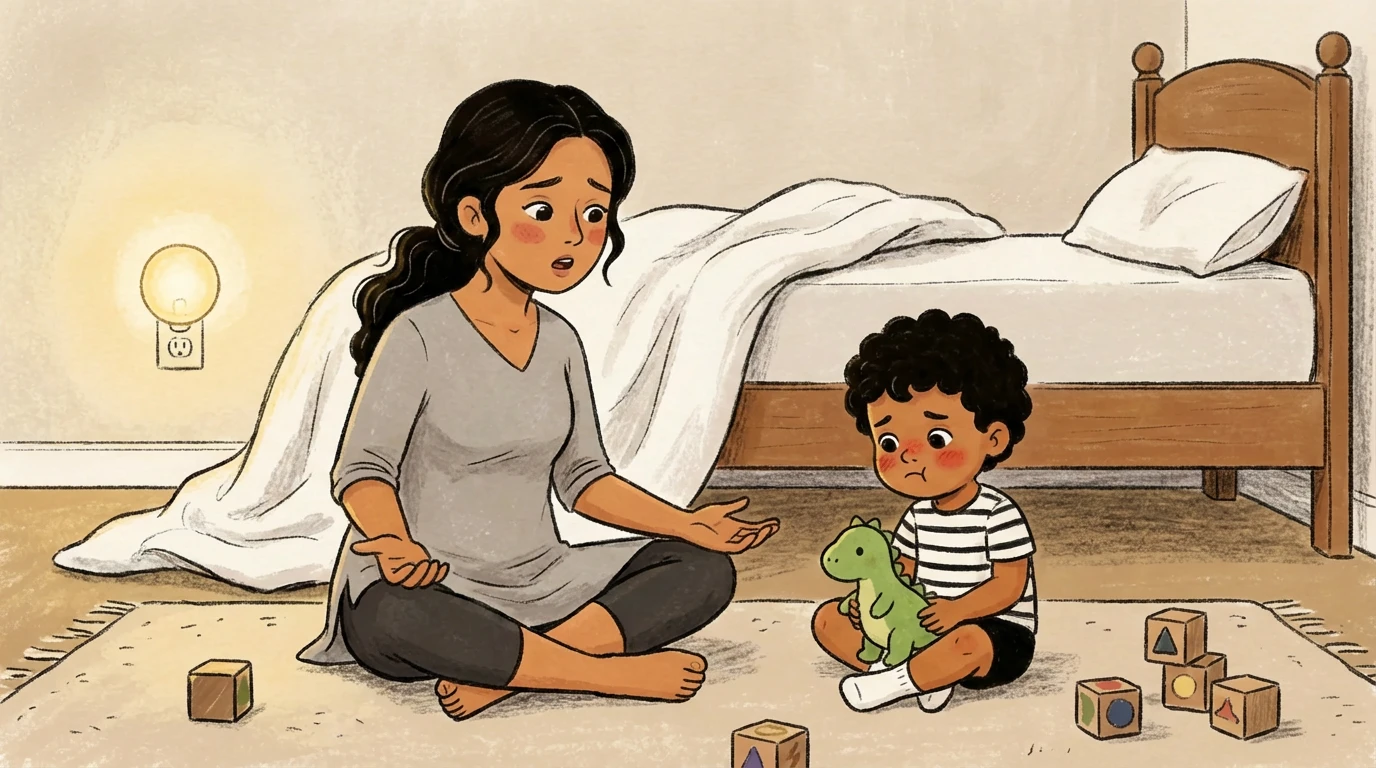
How to break a negative cycle with your child
- Notice your half of the loopTrack when you get triggered. Time of day, behavior, your physical state. The pattern has a recipe. Once you see the ingredients, you can remove one before the next blowup.
- Drop the need to be rightYou're stuck because you're assuming you're right and your child is wrong. Your child also believes they're right. Give up being right and you'll find a solution that works for both of you.
- Decode the behaviorAsk yourself what need your child is trying to meet. Aggression, defiance, clinginess, and limit-testing all have translations. Read the message instead of reacting to the delivery.
- Repair first, correct secondIf the pattern has eroded trust, go back and repair before trying to set new expectations. An apology and reconnection buy you more cooperation than any consequence.
- Flood the relationship with connectionEmpathy, roughhousing, one-on-one time, laughter, physical affection. A child who feels connected to you wants to cooperate. A child who feels opposed will resist at every turn.
The self-compassion part nobody wants to hear
Before you can change, you have to accept where you are right now. All of it. The yelling, the guilt, the moments you're not proud of.
Self-compassion is what makes change possible. When you pile shame on top of frustration, you drain the exact resources you need to show up differently tomorrow. Carl Rogers put it plainly: when you accept yourself as you are, then you can change.
Your child has an uncanny ability to expose your wounded places. That exposure is the mechanism through which parents grow, if they're willing.
The win/win nobody is looking for
Most stuck patterns involve two people who each believe only their perspective matters. You need them to put on shoes. They need you to stop barking orders. Both needs are real.
You cannot blame and solve at the same time. These mental states exclude each other. The moment you stop trying to teach your child a lesson and start looking for a solution that addresses both sides, the whole dynamic shifts.
This doesn't mean abandoning limits. They still can't hit their sibling. They still have to brush their teeth. But how you hold those limits makes the difference between cooperation and war.
Apologizing when you've messed up is often the fastest way to restart a stuck dynamic. It signals that the relationship matters more than being right. Kids are wired to follow that signal.
What changes when you change
When you model calm in the face of chaos, your child learns emotional regulation by watching you do it. When you decode behavior instead of punishing it, they feel understood instead of cornered. When you repair instead of pretending nothing happened, they learn that conflict doesn't end relationships.
Kids are biologically programmed to accept guidance from parents they trust. If your child experiences you as being on their side (even while holding firm limits), they will follow your lead. If they experience you as the opposition, they will fight you at every turn. The resistance is a survival response.
The patterns quiz can help you identify which loops are running on autopilot. Sometimes naming the pattern is half the work of breaking it.

FAQ
Yes. Your child will notice the difference between how you respond and how your partner responds. You can't control the other parent, but you can model something different. Often one parent shifting creates enough change in the household dynamic that the other starts adjusting too.
Most parents notice a shift within two to three weeks of consistent effort. The child may test harder at first because you've changed the rules. Stay steady through that testing phase. The spike in pushback is a sign the pattern is breaking, not a sign that it's getting worse.
Knowing your triggers is step one, not the whole staircase. The gap between knowing and doing is where practice lives. Start with one intervention: leave the room, take three breaths, splash cold water on your face. Build the muscle before expecting it to hold under pressure.
Repeated patterns without repair can affect a child's sense of security over time. But the key word is 'without repair.' Going back, apologizing, and reconnecting after a hard moment protects the relationship. Repair is the skill that keeps imperfect parenting from becoming harmful parenting.
Both can be true. Your child may have big needs, a challenging temperament, or a developmental stage that tests every limit. And you may have buttons from your own history that amplify your reaction. Address both: get support for the behavior and do your own work on the triggers.