TLDR
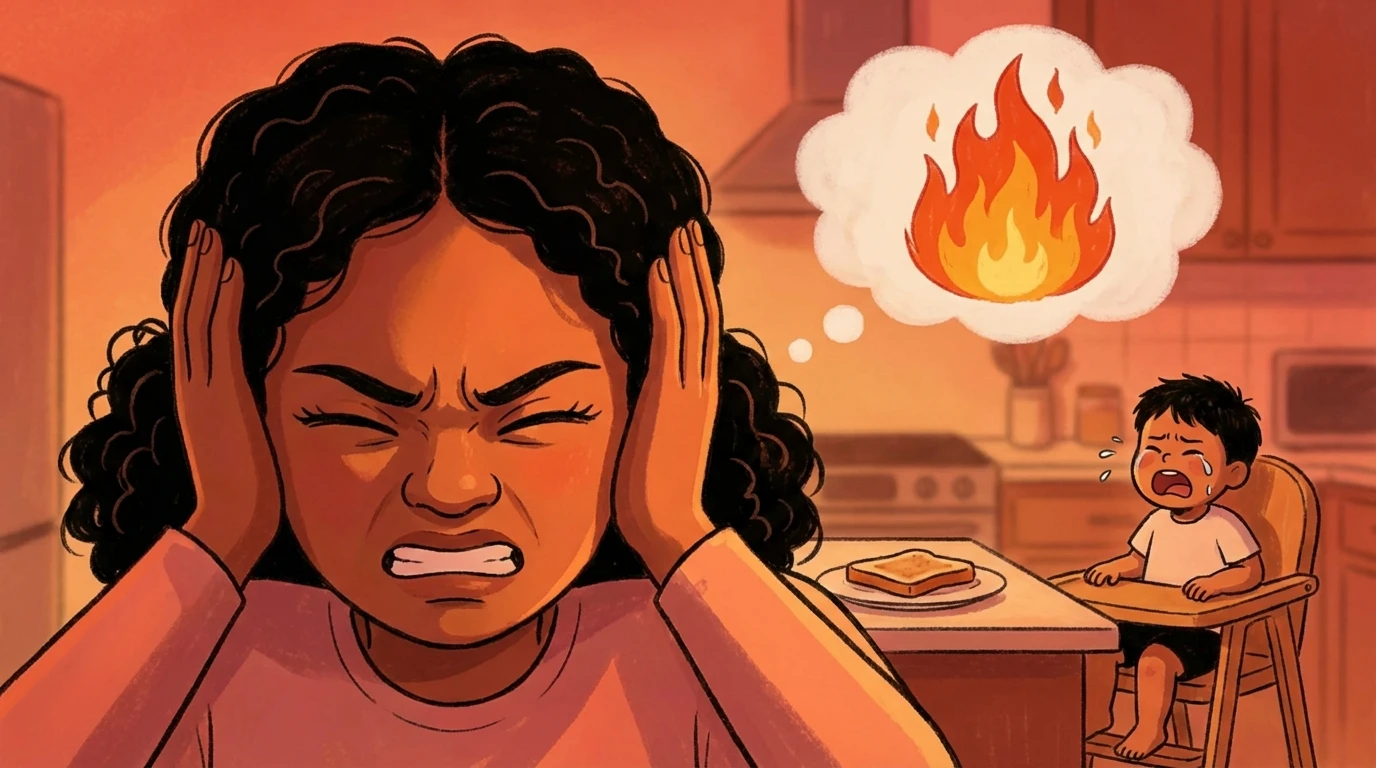
- Rage at crying is a nervous system response, not a character flaw. Your body interprets a child's distress signal as danger. The anger or panic you feel is your fight-or-flight system firing, and it happens faster than conscious thought.
- Your childhood wired the intensity of this reaction. If your parents punished you for crying, your brain learned that tears equal threat. Your child's crying replays a recording your body has been carrying for decades.
- The body responds before the brain catches up. By the time you notice the rage, your heart rate is already elevated and your muscles are tense. Physical interventions (cold water, longer exhale, leaving the room) work faster than talking yourself down.
- Naming what's happening in your body buys you a few seconds. Saying 'my chest is tight and my jaw is clenched' to yourself shifts brain activity from the reactive amygdala to the prefrontal cortex. Those seconds are the difference between reacting and responding.
- Repair matters more than prevention. You will get hijacked sometimes. Going back and saying 'I got overwhelmed and I'm sorry' teaches your child that strong feelings pass and relationships survive them.
The sound that rewires your brain
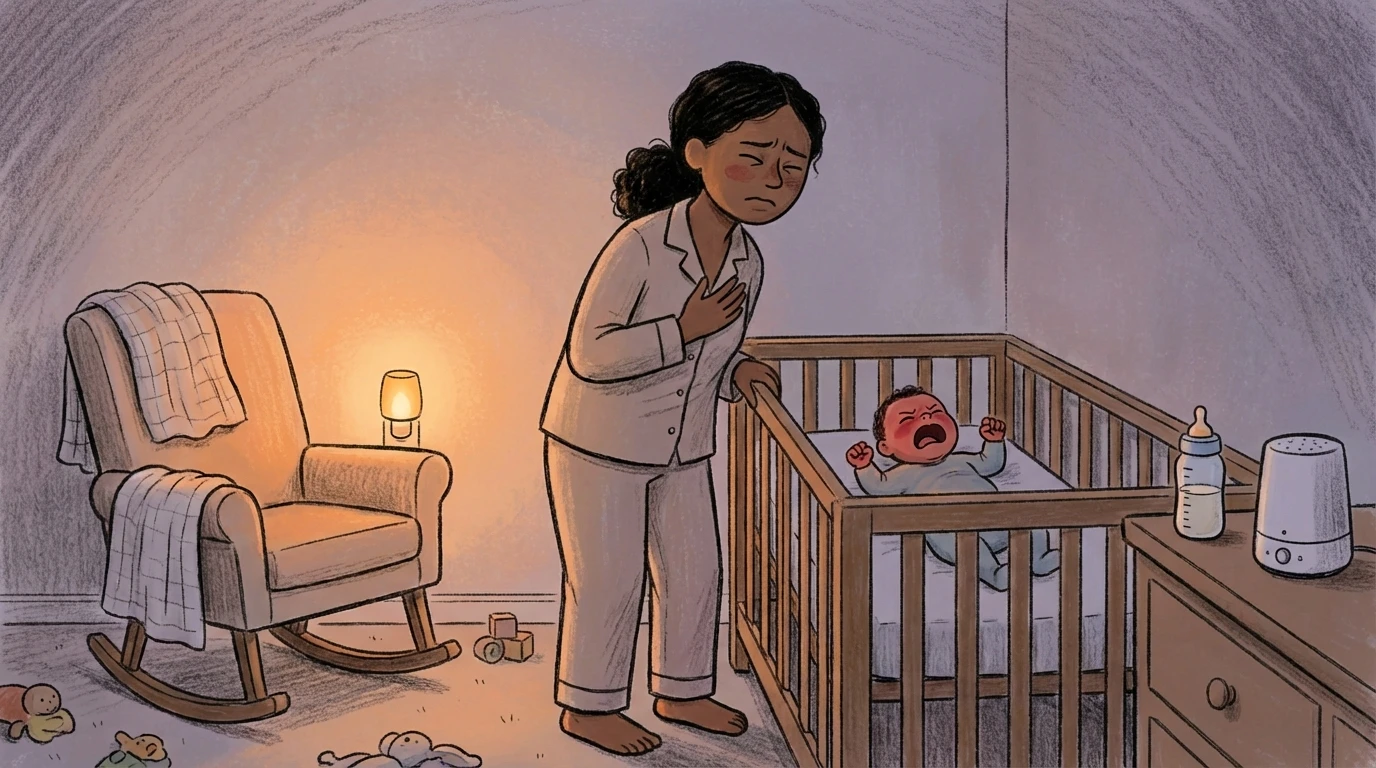
Your baby is screaming. Or your toddler is sobbing because you broke their banana in half. And somewhere between the third and fourth second of that sound, something inside your chest catches fire.
You don't feel sad for them. You feel furious. Or you feel panicked, like you need to make the sound stop right now or something terrible will happen.
That reaction has a name: a nervous system hijack. Your body is interpreting your child's distress cry as a threat signal. The vagal system that governs your stress response flips into fight-or-flight before your thinking brain even registers what's happening. Your heart rate spikes, your muscles tense, and the rational part of your brain goes dark.
Here's what makes this trigger so disorienting: you know your child needs comfort. But your body is screaming at you to either fight or flee. The gap between what you want to do and what your body is doing feels like proof that something is broken in you.
Wiring can be changed.
Crying flipping something primal
The Calm Parent course will help you separate their distress from your nervous system
You'll hear the crying without your body hijacking you into rage or panic, and respond from a regulated place.
Why crying hits harder than other triggers
Plenty of kid behaviors are annoying. But crying, especially loud, inconsolable crying, activates a different part of the brain.
The biological alarm
Human brains evolved to treat infant crying as an emergency signal. The acoustic properties of a baby's cry, the pitch, the rhythm, the way it escalates, are specifically designed to be impossible to ignore. Your nervous system responds to that sound the way it responds to a smoke alarm. Fast, loud, and without permission.
For most parents, this triggers an urge to soothe. But when you're depleted, overstimulated, or carrying your own unprocessed history with crying, the same alarm produces rage instead of compassion. The signal is identical. The response depends on what resources you have left.
The childhood recording
If you grew up in a home where your own tears were punished, mocked, or ignored, your brain filed crying under "danger" a long time ago. When your child cries, your body doesn't just hear their distress. It replays yours.
That tight feeling in your chest, the heat behind your eyes, the overwhelming urge to yell "stop crying!" Those are the feelings you weren't allowed to have as a kid, coming back through your child's voice.
You can take the patterns quiz to see which of your parents' responses you're carrying. Most parents who rage at crying discover they were shamed for it themselves.
What to do in the first ten seconds
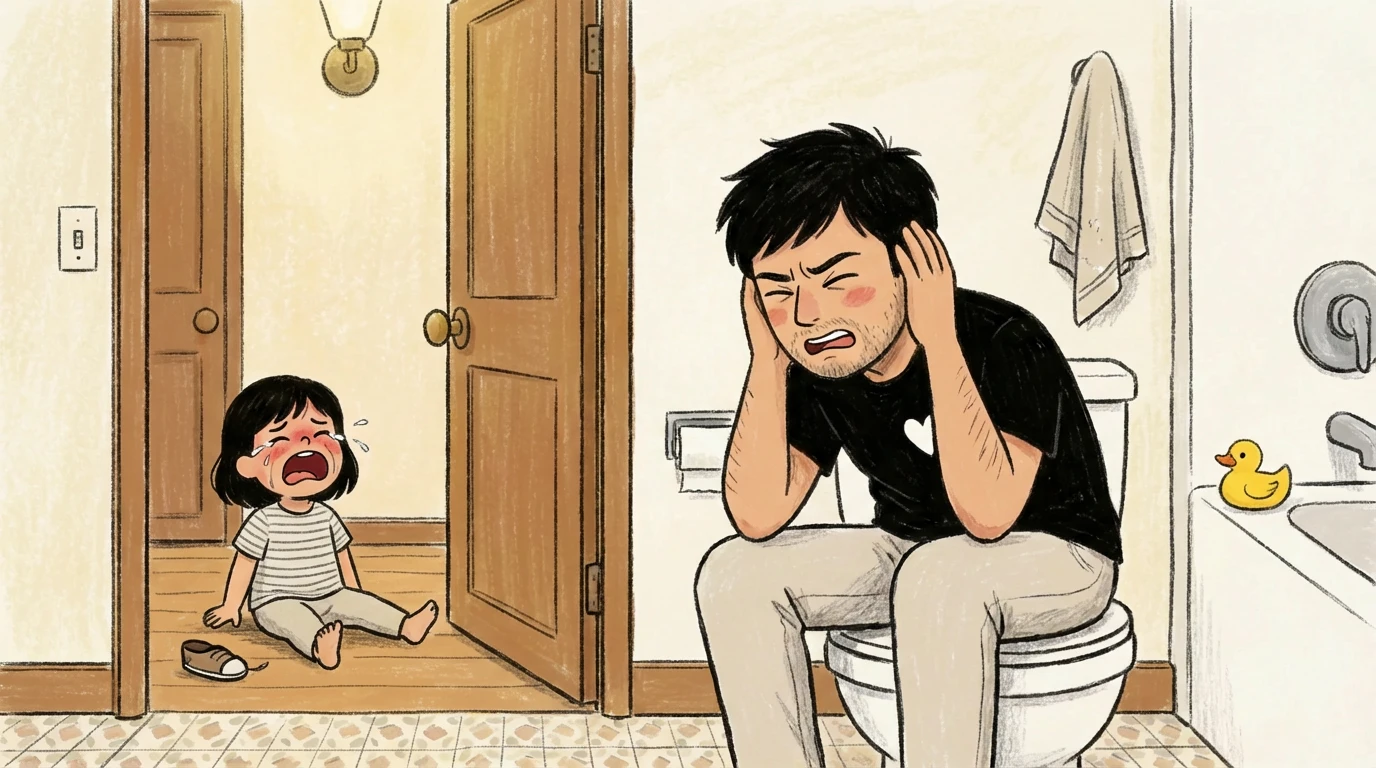
The window between the crying starting and your nervous system going fully offline is small. Maybe five to ten seconds. Here's how to use them.
How to interrupt the rage response to crying
- Name the sensation out loudSay to yourself: 'My chest is tight. My hands are fists. I want to yell.' Naming the physical feeling moves brain activity from the amygdala to the prefrontal cortex. It buys you three to five seconds of thinking time.
- Breathe out longer than you breathe inFour-count inhale, six-count exhale. The longer exhale activates your parasympathetic nervous system and starts reversing the fight-or-flight cascade. Two rounds is enough to feel a shift.
- Put something cold on your skinRun cold water over your wrists or press a cold can against your neck. Temperature shock redirects your nervous system's attention from the emotional trigger to the physical sensation.
- Leave the room if the child is safeIf your child is in a safe space (crib, floor, car seat), you can walk ten feet away. Thirty seconds of distance lets your nervous system recalibrate. Come back when you can breathe normally.
- Lower your body below theirsSit on the floor or crouch. Getting physically lower sends a safety signal to your own nervous system and to your child's. Standing over a crying child while your body is in fight mode escalates both of you.
The feeling that you must make the crying stop immediately is the fight-or-flight talking. That urgency is the signal to pause, not act. When you feel your temper rising, the worst thing you can do is follow the urgency.
The difference between rage and panic
Some parents feel fury. Others feel panic, a desperate need to fix it, an inability to tolerate the sound for even one more second. Some feel both at the same time.
Rage says: "Make it stop"
The rage response treats crying as aggression. Your body reads the sound as an attack and wants to fight back. This is the response that leads to yelling "stop crying!" or grabbing too hard or slamming a door.
If rage is your pattern, your work is creating physical space between you and the trigger. Walk away. Put in earplugs (you can still hear crying through earplugs, but the volume drops enough to keep your nervous system out of the red zone).
Panic says: "Fix it now"
The panic response treats crying as an emergency you're failing to solve. Your body floods with cortisol, and you feel frantic, rushing through every possible solution. Picking up, putting down, offering food, offering toys, bouncing faster and faster.
If panic is your pattern, your work is tolerating the discomfort of not fixing it. Babies cry because their nervous systems are immature, and sometimes there's nothing to fix. Sitting with a crying child and doing nothing except being present is one of the hardest and most important things you can do.
After the storm passes
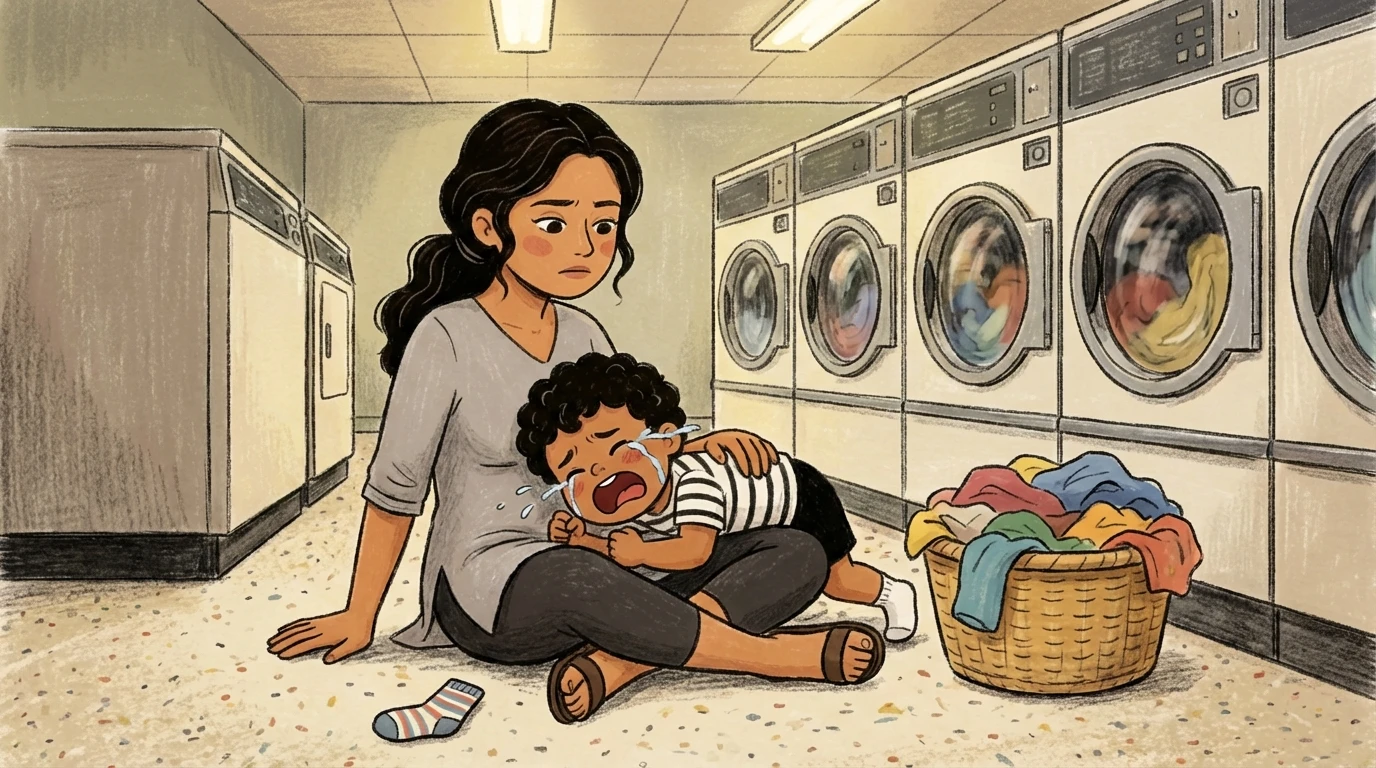
You white-knuckled it. Maybe you walked away and came back. Maybe you stayed but your face was tight and your voice was clipped. Maybe you yelled, and now the guilt is setting in.
Whatever happened, it's not too late to do something useful with it.
If you stayed regulated
Tell your child what just happened in your body. "Your crying was so loud that my body got really tense. I had to take some deep breaths to calm down." This teaches them that big feelings happen to everyone, and that there are ways to move through them without losing control.
If you lost it
Go back. Say it plainly: "I got overwhelmed by the crying and I reacted in a way that wasn't okay. I'm sorry. You're allowed to cry. I'm working on handling that sound better."
That thirty-second repair does more for your child's emotional development than a week of perfect parenting.
The longer work
If your child's crying triggers you every single time, that's information. It means your nervous system has a deep groove around this specific sound, and willpower alone won't sand it down.
Start tracking the pattern. When does it happen? How depleted are you when it hits? What thoughts flash through your mind in the first two seconds? (Common ones: I can't do this. Something is wrong with them. Something is wrong with me.)
The thoughts will point you toward the original wound. And the wound is almost always from your own childhood, the moment you learned that crying was dangerous, shameful, or something that made the people who were supposed to protect you turn away.
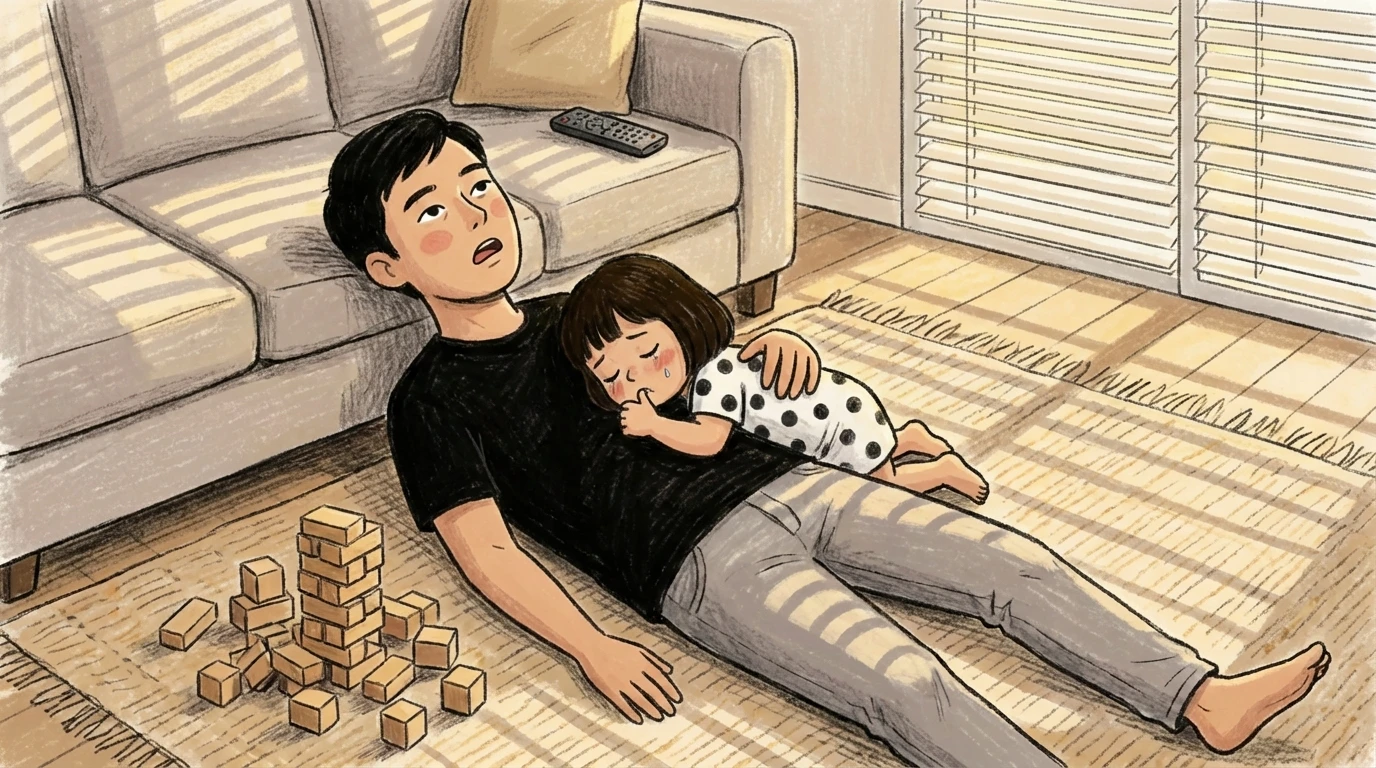
You don't have to fix it this week. But every time you breathe through the rage instead of acting on it, you're building a new groove. And your child is watching you build it.
FAQ
Yes. The acoustic properties of infant crying are designed to provoke an intense physiological response. When you're sleep-deprived, overstimulated, or carrying unresolved history with crying, that intensity tips from urgency into rage. It means your nervous system is overwhelmed, not that you're a bad parent.
Only if you can do it without escalating. If your body is in full fight-or-flight, picking up a crying child while you're shaking with rage can make things worse for both of you. It's better to set the child in a safe spot, step away for thirty seconds, and come back regulated.
Brief separations while a child is in a safe place (crib, floor, playpen) cause no harm. What harms children is sustained, unrepaired hostility. Walking away to calm down and coming back to comfort them is a healthy response, not abandonment.
It can improve as your child's crying becomes less frequent and intense. But if the trigger is rooted in your own childhood, time alone won't resolve it. Deliberate nervous system work (breathing exercises, tracking your triggers, therapy) speeds the process and prevents the pattern from calcifying.
Start repairing now. Go back after each incident, name what happened, and apologize. Children are remarkably responsive to consistent repair. The pattern you're building going forward matters more than the mistakes behind you.