TLDR
- You are not losing your temper. You are losing your bandwidth. Overstimulation is a nervous system event, not a character flaw. Your brain can only process so much sensory input before it starts shutting down higher functions like patience and flexible thinking.
- The environment is half the problem. Background TV plus a musical toy plus overhead lights plus a child narrating their entire inner life creates a sensory load most adults would struggle with. Cut the inputs you can control.
- Sensory breaks need to be scheduled, not earned. Waiting until you snap to take a break means you already missed the window. A daily two-minute reset in a dark, quiet room keeps your baseline manageable.
- Touch aversion is real and normal. When you have been physically attached to small humans all day, not wanting to be touched is your body protecting itself. Name it, communicate it, and stop feeling guilty about it.
- Your sensitivity is also your superpower. The same wiring that makes you overwhelmed by chaos makes you deeply attuned to your child's emotional state. You do not need to fix the trait. You need to manage the load.

The noise gets in your bones
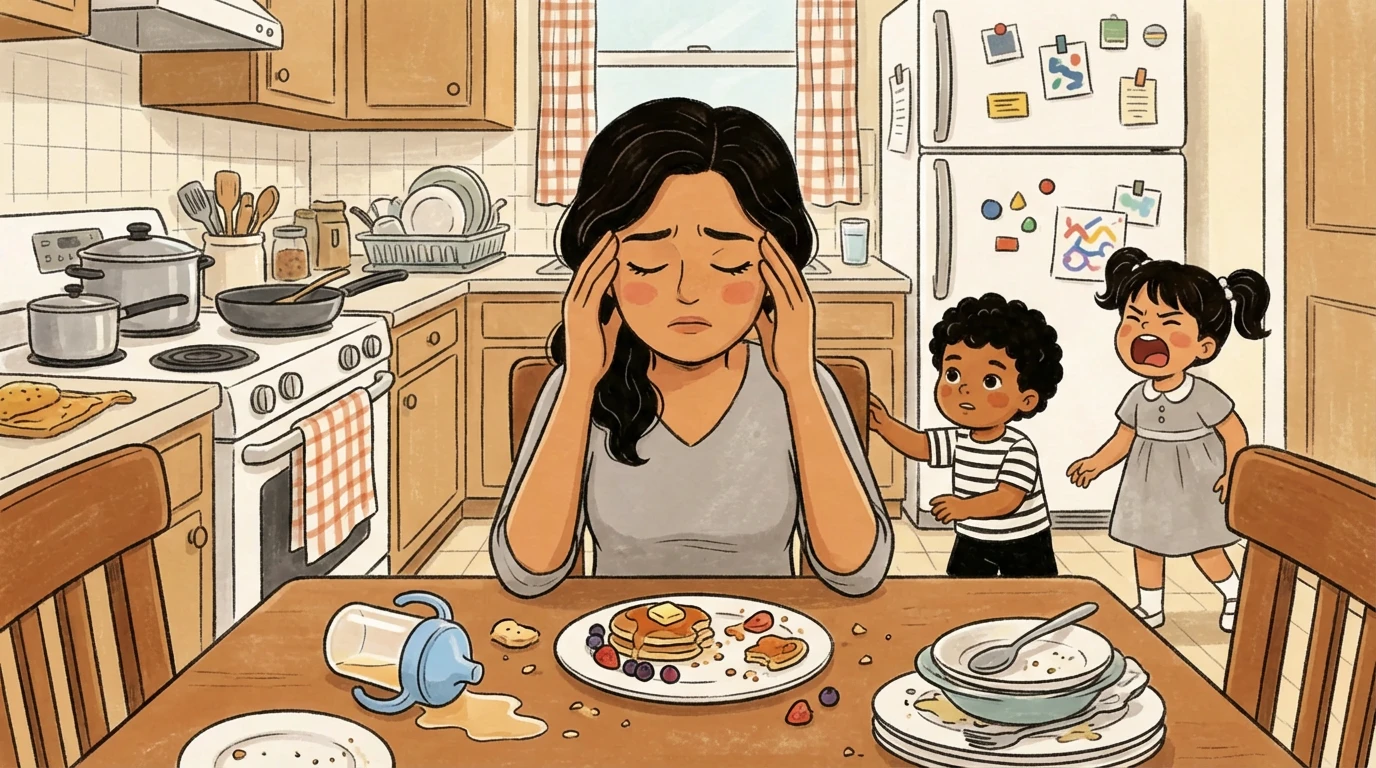
It starts before you even identify it. You walk through the front door and there is a cartoon blaring from the TV, your toddler is banging a wooden spoon on a pot, and your older kid is asking you a question that requires a detailed answer about whether birds have teeth. Your partner says something from another room. The dog barks.
Nothing here is an emergency. But your body is responding like it is. Your shoulders are up near your ears. Your jaw is tight. You have a sudden, irrational urge to go sit in your car in the driveway with the doors locked.
That urge is your nervous system begging for less input. And if you ignore it long enough, it will stop asking nicely and start making demands, usually in the form of snapping at the person nearest to you (who is almost always a three-foot-tall person who did not deserve it).
You are not a bad parent for wanting silence. You are a mammal whose sensory processing system has been running at capacity for hours without a break.
Three voices plus climbing
The Calm Parent course will teach you to regulate through sensory overload
You'll stay present when the noise and touching peak instead of snapping at whoever's closest.
Why some parents hit the wall faster
The highly sensitive factor
Dr. Elaine Aron's research on highly sensitive people (HSPs) shows that roughly 15-20% of the population processes sensory and emotional input more deeply than average. If you are in that group, parenthood doesn't just add stimulation. It multiplies it.
You notice the buzzing of the refrigerator. You feel the texture of the Play-Doh residue on the table. You absorb your child's frustration like a sponge absorbs water, and then you are carrying both your feelings and theirs.
Before kids, you managed this by controlling your environment. You left loud parties early. You drove in silence. You took long showers. Parenthood removed most of those pressure valves overnight.
The depletion spiral
Sleep deprivation, skipped meals, and zero alone time do not just make you tired. They lower your sensory threshold. The noise that you could handle at 9 a.m. after coffee and a full night's sleep becomes unbearable at 5 p.m. after five hours of sleep and a lunch you ate standing up while mediating a dispute about who gets the blue cup.
The late afternoon chaos window is when most overstimulated parents hit their limit. Everyone is depleted. The house is at peak mess. Dinner needs to happen. And your nervous system has been absorbing input since dawn.
What overstimulation looks like in parents
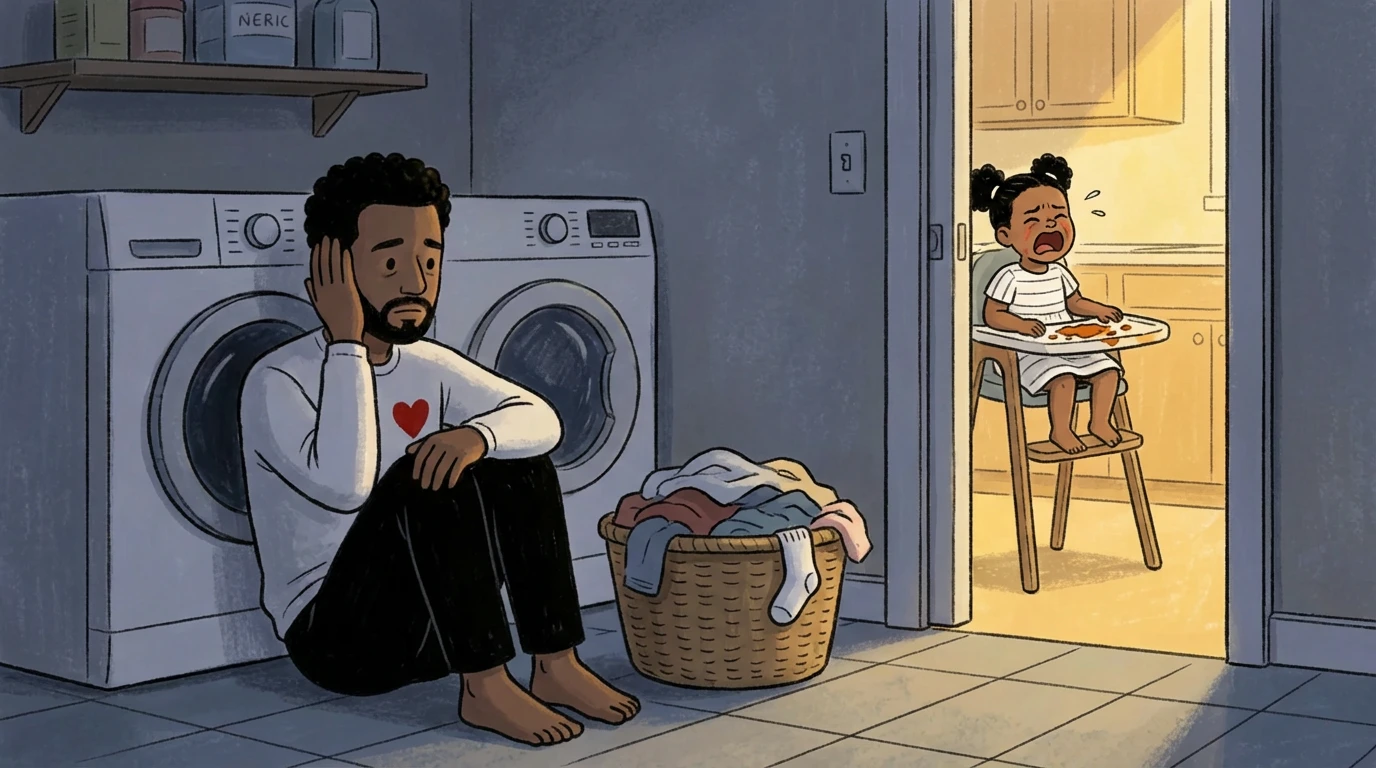
You might not recognize it because nobody talks about it. Overstimulation in parents does not always look like a meltdown. Sometimes it looks like:
- Snapping at your kid for talking too much (then feeling terrible)
- Wanting to scream when someone touches you again
- Feeling rageful about things that are objectively minor (the Cheerio on the floor, the drawer left open)
- Going completely blank and checking out while your kids orbit around you
- Hiding in the bathroom scrolling your phone, not because you want to scroll, but because you cannot handle one more interaction
If your child can't seem to play independently and needs you physically present at all times, the overstimulation compounds. You never get the micro-recoveries that keep the system from crashing.
And when the overwhelm hits, it can feel a lot like your temper is spiking out of nowhere. But it was never out of nowhere. The inputs were stacking all day.
The recovery plan that works
How to manage overstimulation before you snap
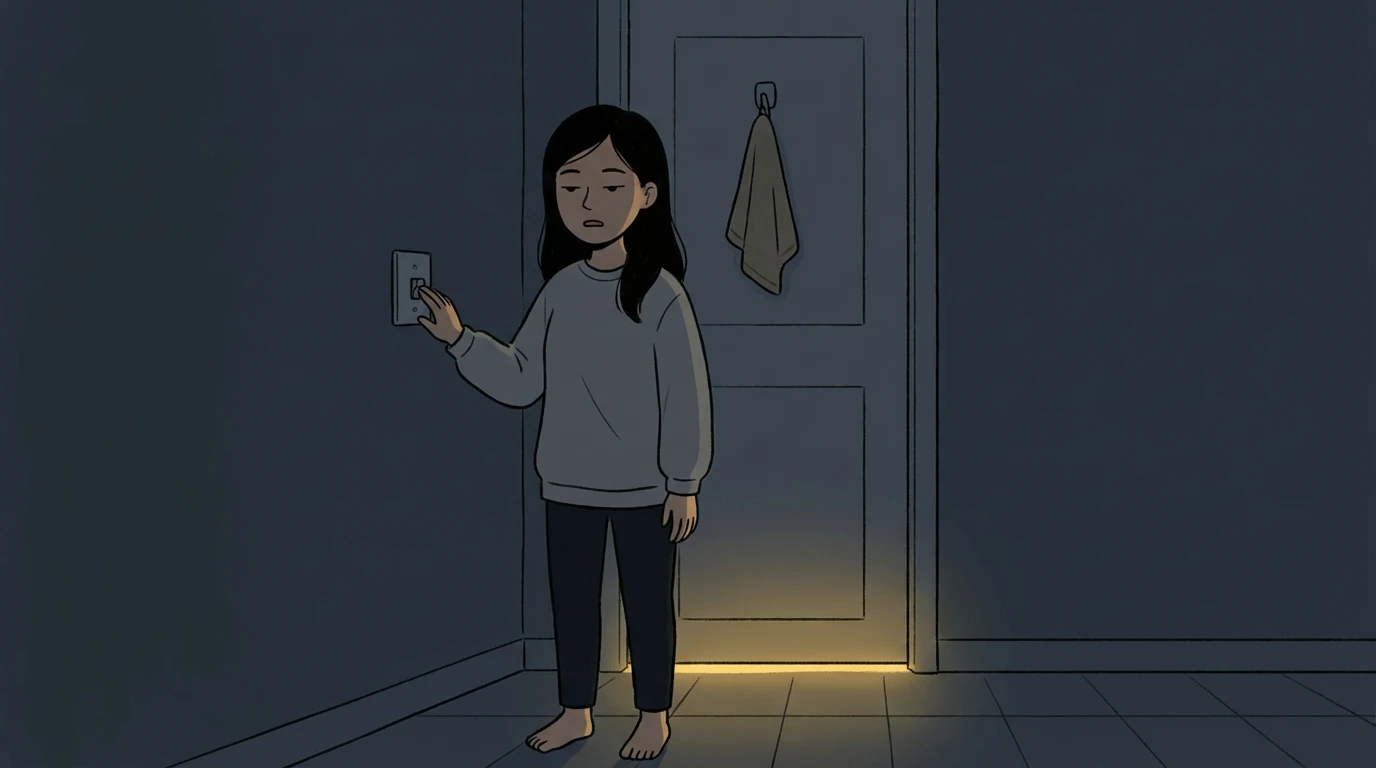
- Schedule sensory breaks dailyGo to the bathroom, close the door, turn off the light. Two minutes. Do not scroll your phone. Let your nervous system experience zero input. It is maintenance, like charging a battery before it dies.
- Audit your background noiseWalk through your house and count the sound sources. TV in the living room, radio in the kitchen, musical toy in the corner. Each one alone is fine. Together they create a wall of sound your brain has to filter constantly. Turn off everything that nobody is actively using.
- Remove batteries from noisy toysThis is self-care. The light-up singing toys overstimulate your kid too, so you are doing everyone a favor. Replace with open-ended toys that do not assault the senses.
- Practice intentional slownessDrive home without music or podcasts. During nap time, breathe instead of scrolling. When you have a rare moment alone, resist filling it with more input. Let quiet be quiet.
- Name the touch aversion out loudTell your partner or your child: 'My body needs a break from being touched right now. I love you and I will be ready for a hug in ten minutes.' This is modeling boundaries, not rejecting your kid.
The emotional sponge problem
This one is specific to parents who absorb other people's emotions. Your toddler has a meltdown, and within seconds your own heart is racing. Your kid is sad, and you feel their sadness in your chest like it is yours.
Your child's emotions are their emotions. Your emotions are yours. This sounds obvious, but for parents with high emotional sensitivity, the boundary barely exists. You feel what they feel automatically, and then you are regulating for two people on one person's resources.
The fix is not to stop caring. The fix is awareness. When you notice yourself absorbing their distress, name it: That's their feeling. I can be present without carrying it in my body. This is a practice, not a switch you flip. But even recognizing the pattern gives you a fraction more space.
The environment audit you have been skipping
Most overstimulated parents focus entirely on managing their reactions. But the most effective intervention is reducing what comes in, not building tolerance for the overload.
Walk through your house right now and notice:
- Is there a TV on that nobody is watching?
- Are there lights on in rooms nobody is using?
- How many toys in the play area make sound or light up?
- Is music playing in the background "for ambience" that is just one more thing your brain has to process?
Each of these alone is trivial. Stacked together, they create an environment that would overwhelm anyone. You are not being dramatic for wanting to turn off the kitchen radio. You are being strategic.
Your child's sensory experience mirrors yours more than you think. The same environment overloading you is probably overloading them too, which makes them louder and more demanding, which overloads you further. Cut the inputs and you interrupt the cycle for both of you.
The reframe that changes the math
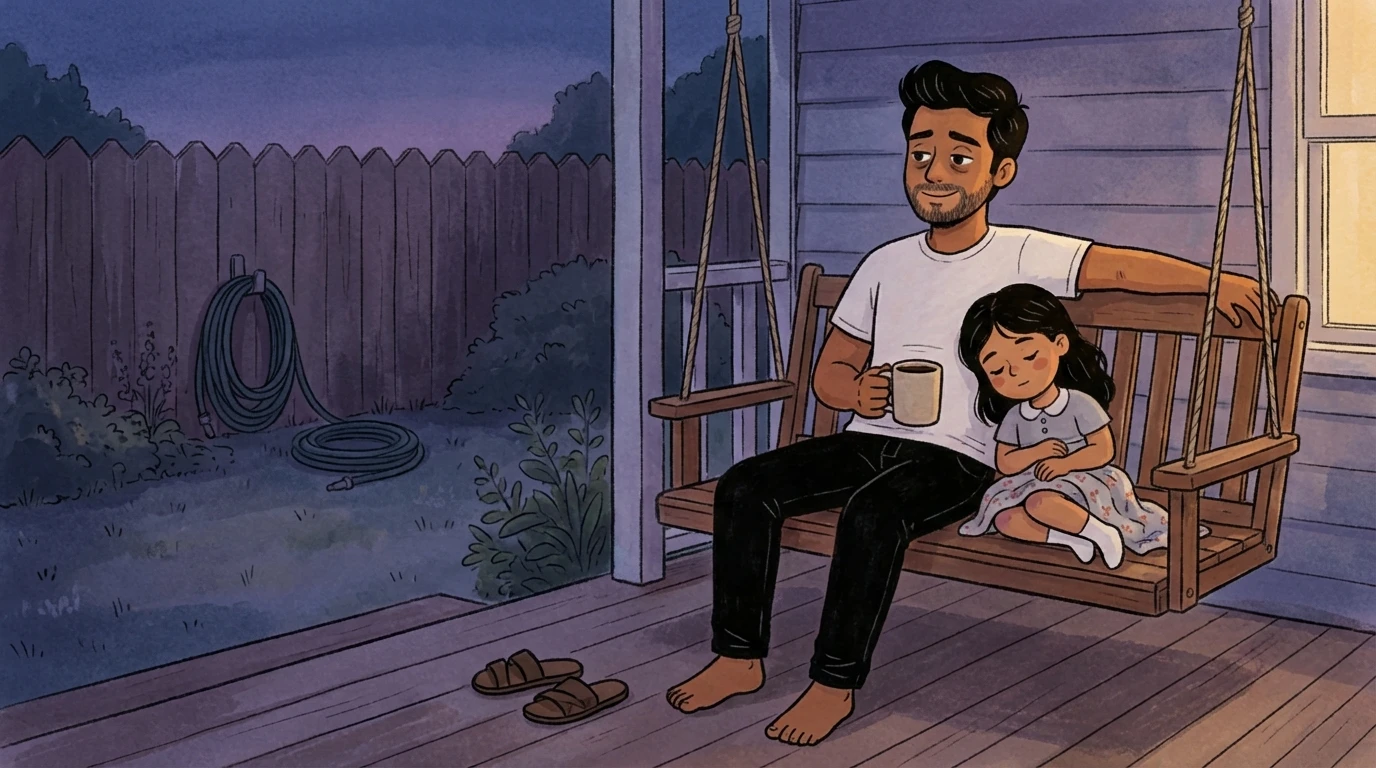
Everything that makes you vulnerable to overstimulation also makes you exceptional at reading your child. You notice the subtle shift in their tone before the meltdown. You sense when they are anxious before they can name it. You pick up on what they need when they cannot articulate it themselves.
The same sensitivity that sends you hiding in the bathroom is the sensitivity that makes your child feel deeply understood. You do not need to cure this. You need to find strategies that work with your wiring instead of pretending it does not exist.
Manage the load, protect the gift. Fewer inputs coming in means more capacity for the inputs that matter: your child's face, their voice, the moment they reach for your hand.
FAQ
Not on its own. Sensory overstimulation is a normal response to too much input, especially combined with sleep deprivation and the relentless demands of parenting. If it comes with persistent anxiety, inability to function, or thoughts of harming yourself, talk to a professional. But wanting to hide in the bathroom after eight hours of kid noise is just being human.
Put them in a safe, contained space (crib, playpen, gated room) and step away for two minutes. A child who is safe and crying for two minutes while you reset is better off than a child with a parent who snaps because they never took a break.
Not if you frame it clearly. Say 'My body needs a rest from touching, but I still love you and I will be ready for cuddles in ten minutes.' Kids understand body boundaries when you explain them simply. You are teaching them that everyone gets to set limits about their own body.
Skip the abstract explanation. Try this: 'When there are three sound sources going at once, my brain cannot filter them and I get irritable. When I turn off the background TV, I am a better parent for the next hour.' Frame it as a practical fix, not a personality diagnosis.