TLDR
- Yelling has a formula, and you can break it. It's unmet needs plus nervous system overload plus disconnection. When all three collide, you blow. Address any one of them and the odds of yelling drop.
- Your body decides before your brain does. By the time you're shouting, your nervous system has already flipped into fight mode. Physical interventions (breathing, cold water, walking away) work faster than reasoning with yourself.
- The urgent feeling is the warning, not the instructions. That overwhelming need to set your child straight RIGHT NOW is your fight-or-flight talking. The urgency means wait, not act.
- Repair turns a bad moment into a teaching moment. Go back, name what happened, own it, and tell your kid what you'll do differently. That sixty-second conversation matters more than the yelling.
- You're rewiring your brain every time you catch yourself. The first ten times are brutal. By the fiftieth, you catch yourself before your voice goes up. This is a practice, not a personality transplant.
The morning it all makes sense
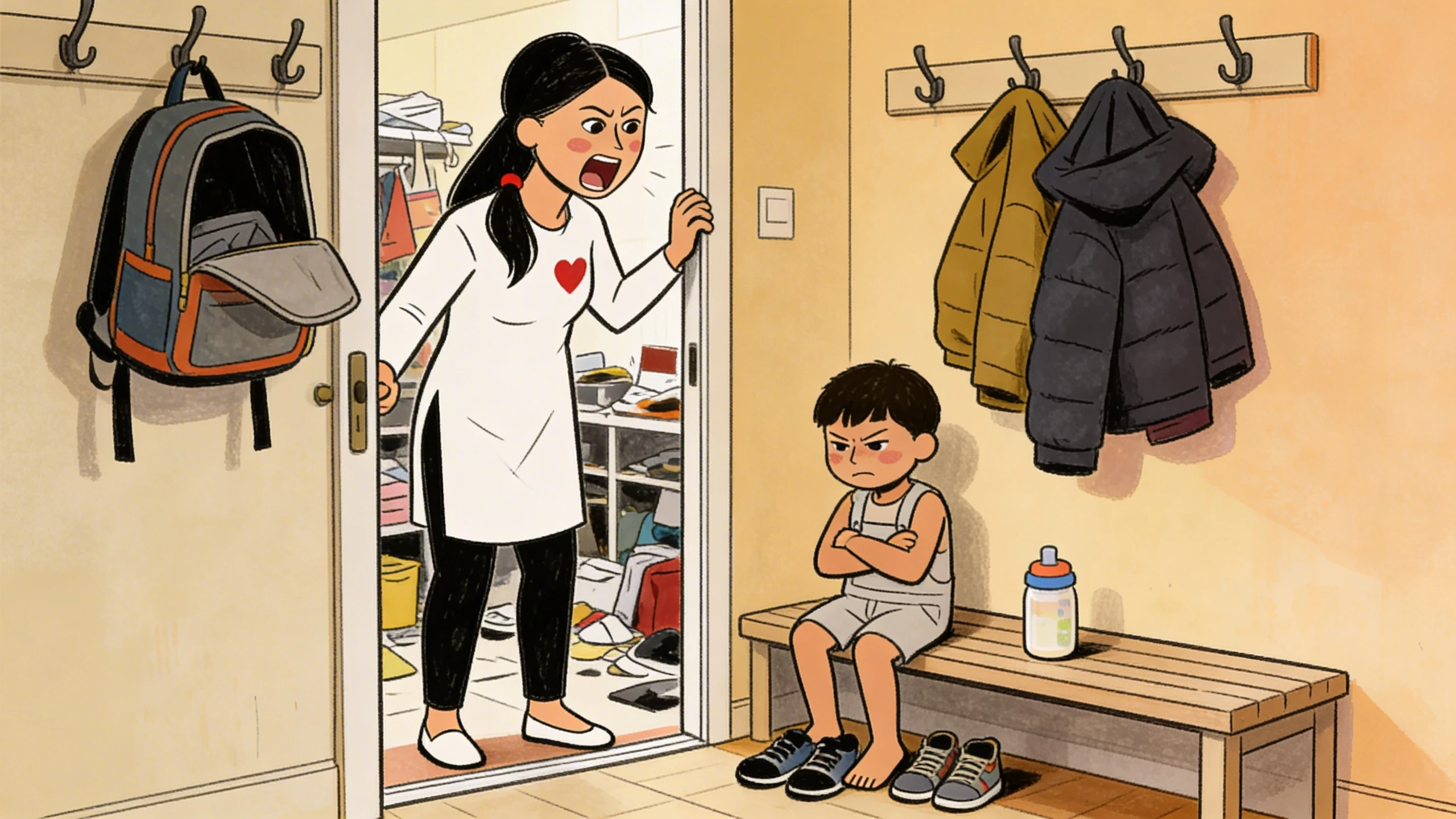
It's 7:42 a.m. You've asked your kid to put on shoes three times. The baby is screaming in the high chair. You slept maybe five hours. And when your six-year-old looks you dead in the eye and drops both shoes on the floor like a tiny mob boss, something in your chest detonates.
You hear yourself yelling before you've decided to yell.
That moment has a recipe, and once you see the ingredients, you can start pulling them apart. Yelling is almost never about the shoes. Or the spilled milk. It's about what's been building underneath.
Mid-yell, hearing yourself
The Calm Parent course will give you ten interrupt points before the next sentence
You'll catch yourself between words, not after the damage, and redirect your voice before your kid flinches.
The three-tank theory
Every parent runs on three internal tanks. When all three are full, you handle a kid dropping shoes with a deep breath and a bad joke. When all three are low, a sock on the floor can break you.
Tank one: basic needs
You ate your kid's leftover waffle crusts for breakfast. You haven't been alone in a room for eleven days. You went to bed at midnight and woke at five because someone had a nightmare about a mean butterfly.
Needs don't vanish when you ignore them. They stack. Each unmet need raises your cortisol, and cortisol eats stress tolerance for breakfast. By the time your kid tests a boundary, you've got nothing left.
Tank two: sensory load
Crying, buzzing phones, sticky hands on your leg, a toddler narrating their entire life at top volume. Parenting is a sensory assault that never pauses.
This is why you handle a full meltdown on Tuesday and lose it over a dropped spoon on Wednesday. Tuesday you had capacity. Wednesday the system was maxed out.
Tank three: connection
You're in the same house as people you love, but you haven't really been with them. Your brain is on the to-do list while you push a swing. You're scrolling while your kid tells you about a worm they found.
When you feel disconnected, your body reads every interaction as a power struggle. Humans are wired to feel safe through connection, and when it's missing, the alarm system stays on.
What your kid's brain does when you yell
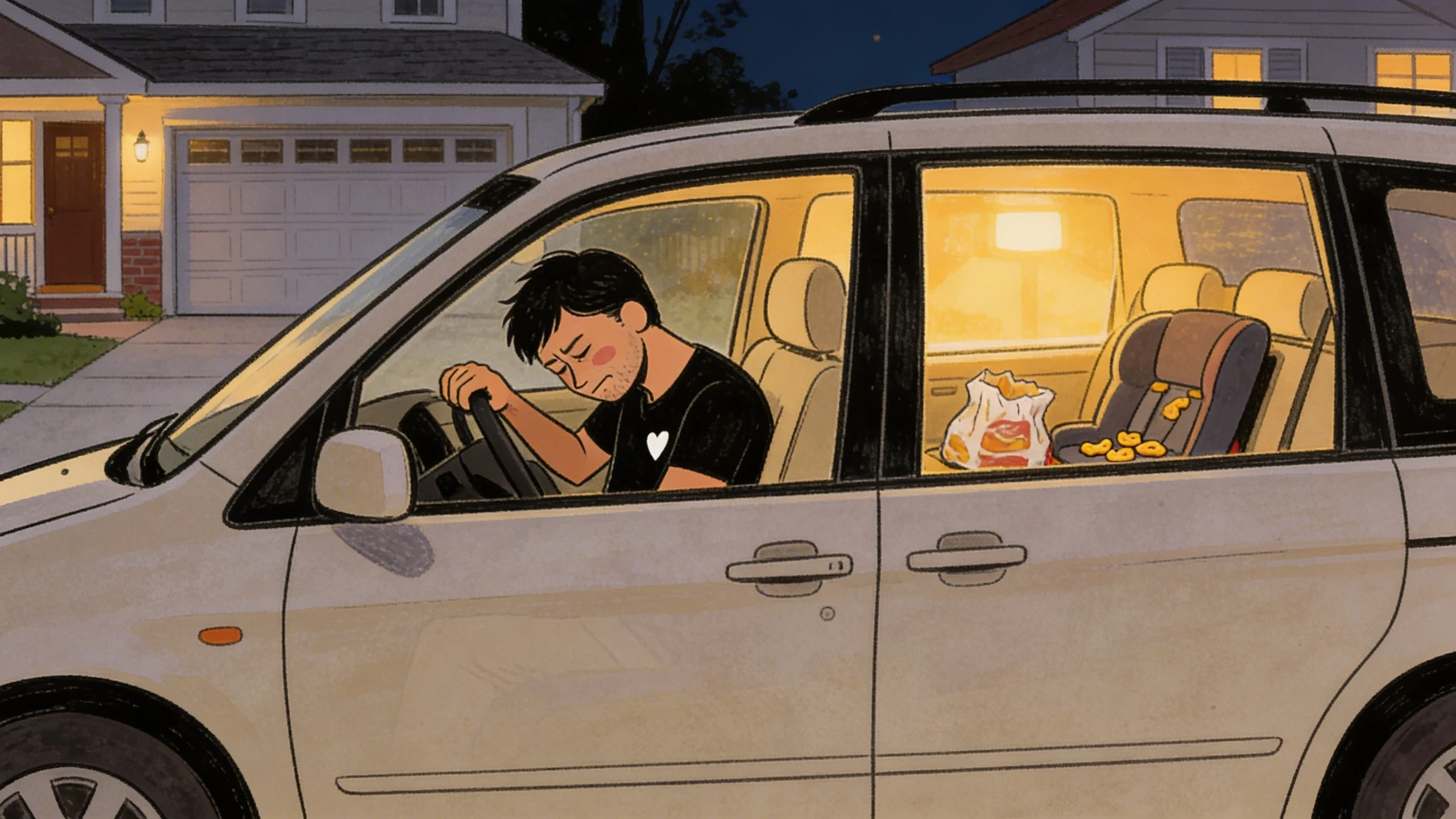
When you raise your voice, your child's nervous system flips into fight, flight, or freeze. In that state, they cannot process whatever you're trying to teach. The only thing that registers is this person I depend on feels unsafe right now.
Kids who get yelled at regularly don't become more obedient. They become more defended. They build walls. They stop reacting to your anger, which looks like they don't care, but what it means is they've had to protect themselves from caring too much.
Over time, the pattern trains your kid not to listen until you raise your voice. You yell more because it's the only thing that "works." It just gets a short-term reaction while the relationship erodes underneath.
The stop, drop, breathe protocol
You have about three seconds between the heat rising and your prefrontal cortex going offline. Here's what to do with them.
How to stop yourself before you yell
- Stop mid-sentence if you mustShut your mouth. Don't finish the thought. If you're already yelling, stop right there, even mid-word. Silence is always better than the next sentence.
- Drop your agenda for nowWhatever you were trying to accomplish can wait ninety seconds. Turn away. Shake out your hands to release physical tension.
- Breathe out longer than inBreathe in for four counts, out for six. The longer exhale activates your parasympathetic nervous system. Two or three rounds can shift you out of fight mode.
- Splash cold water on your faceIf breathing isn't cutting it, go to the nearest sink. The temperature shock redirects your attention from the trigger to your body.
- Find one thing to focus onPick one object and study it. The texture of the counter. The sound of the fridge. This grounds you in the present and interrupts the thought spiral feeding the anger.
The feeling of urgency, the one screaming that you need to set this child straight immediately, is your fight-or-flight talking. That urgency is the signal to wait, not to act. Any lesson you need to teach will land ten times better in five minutes when your brain is back online.
After you've already yelled
You didn't catch it in time. Your kid is upset, or worse, they're not upset because they've learned to shut down.
Here's what matters now: go back and repair.
Three steps. Name what happened: "I yelled at you, and that wasn't okay." Take responsibility: "I was frustrated, and I lost my cool." Say what you'll do differently: "Next time I feel that way, I'm going to walk away and take some breaths before I talk."
That sixty-second conversation teaches your kid that relationships survive conflict, that grown-ups own their mistakes, and that love holds through hard moments.
What not to do after
Two traps. The brush-off: It wasn't that bad, they're fine, kids are resilient. You still owe them the acknowledgment. And the shame spiral: I'm the worst parent alive, what's wrong with me. Shame doesn't make you calmer. It drains the resources you need to do better tomorrow.
The long game: why you keep getting triggered
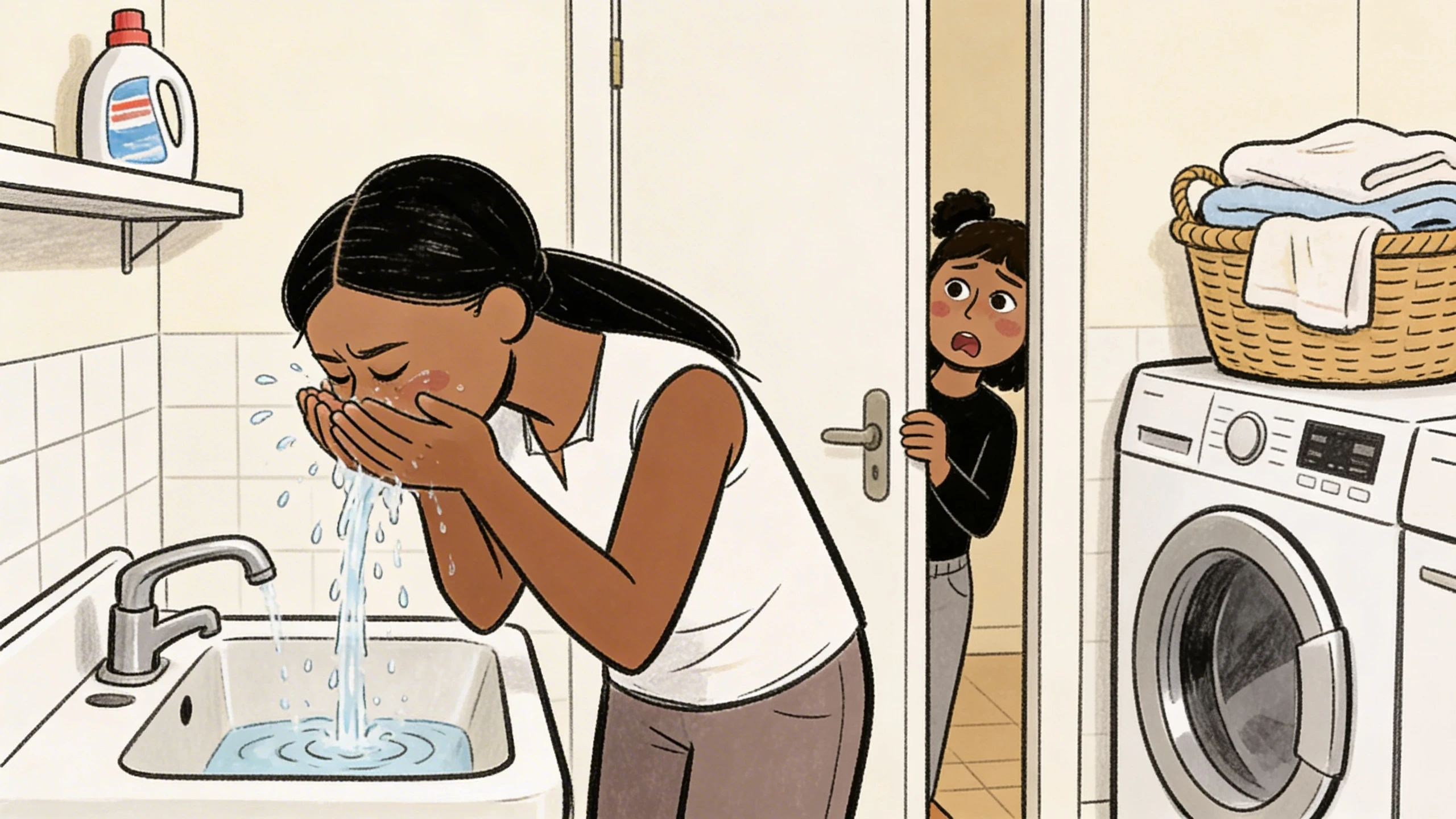
If yelling feels automatic, like something that happens to you rather than something you choose, there's a reason. You probably grew up in a house where yelling was the default. Your nervous system learned early that raised voices are normal conflict resolution.
You're running old software. Recognizing that your reactions have roots in your own childhood is the first step toward rewriting them. Take the patterns quiz to see which of your parents' patterns you're carrying.
Fill the tanks before they're empty
The reactive approach is trying to stop yourself mid-yell. The preventive approach is making sure you're not running on fumes by 4 p.m.
Treat your own sleep, alone time, and adult connection as non-negotiable. You can't regulate emotions from an empty tank, and your kids deserve a parent who has arranged their life to show up with something left.
If you're irritable every single day, that's not a willpower problem. Something needs to change. More sleep. More help. Less on your plate.
What your kid learns when you get this right
The first few times you catch yourself, it's ugly. You stop mid-sentence and walk away and your kid stares at you like you've short-circuited. But you're modeling something they've never seen: a person feeling a big feeling and choosing not to let it run the show.
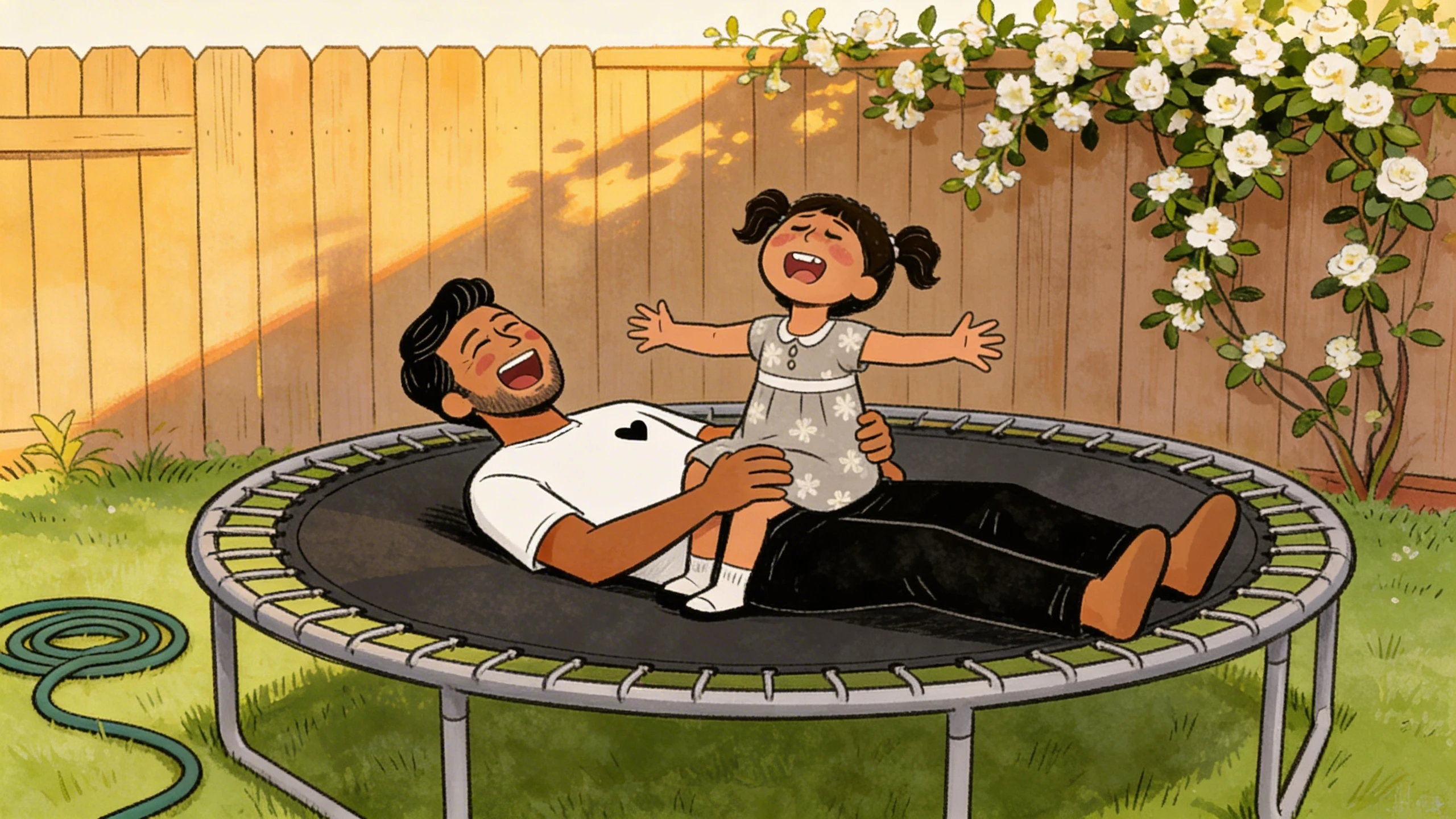
Over time, something shifts. Your kid starts taking deep breaths when they're upset, because they've watched you do it. They start saying "I need a minute" instead of throwing things. They cooperate more, because a child who feels safe with you wants to work with you.
Every time your frontal cortex overrides the urge to yell, you're rewiring your brain. The neural pathways for self-regulation get stronger with use. The first time is the hardest. Keep going.
FAQ
No, and that's not the goal. You're a human being, not a meditation app. The goal is to yell less, catch yourself faster, and repair when you do lose it. Progress looks like going from yelling daily to catching yourself mid-sentence to realizing weeks have passed since you raised your voice.
That's a warning sign, not reassurance. A child who seems unfazed has been exposed to enough yelling that they've built emotional walls. They've learned to shut down rather than react. The wall between you is already up, which means repair is more urgent, not less.
Yes, if you catch it early. The four-count inhale and six-count exhale activates your parasympathetic nervous system, which reverses the stress response. It won't work at full boil. The trick is noticing the heat at simmer, not at explosion.
You can. Your child will notice the difference between your responses and your partner's. You can't control your partner, but you can model something different. Often one parent changing creates enough shift that the other starts adjusting too.
Most parents catch themselves more consistently within two to four weeks of deliberate practice. The full rewiring takes a few months. The pattern: yelling and regretting, then catching yourself mid-yell, then catching yourself before you open your mouth.