Tantrums

1
Why do kids have tantrums? 4 scientific reasons behind every meltdown
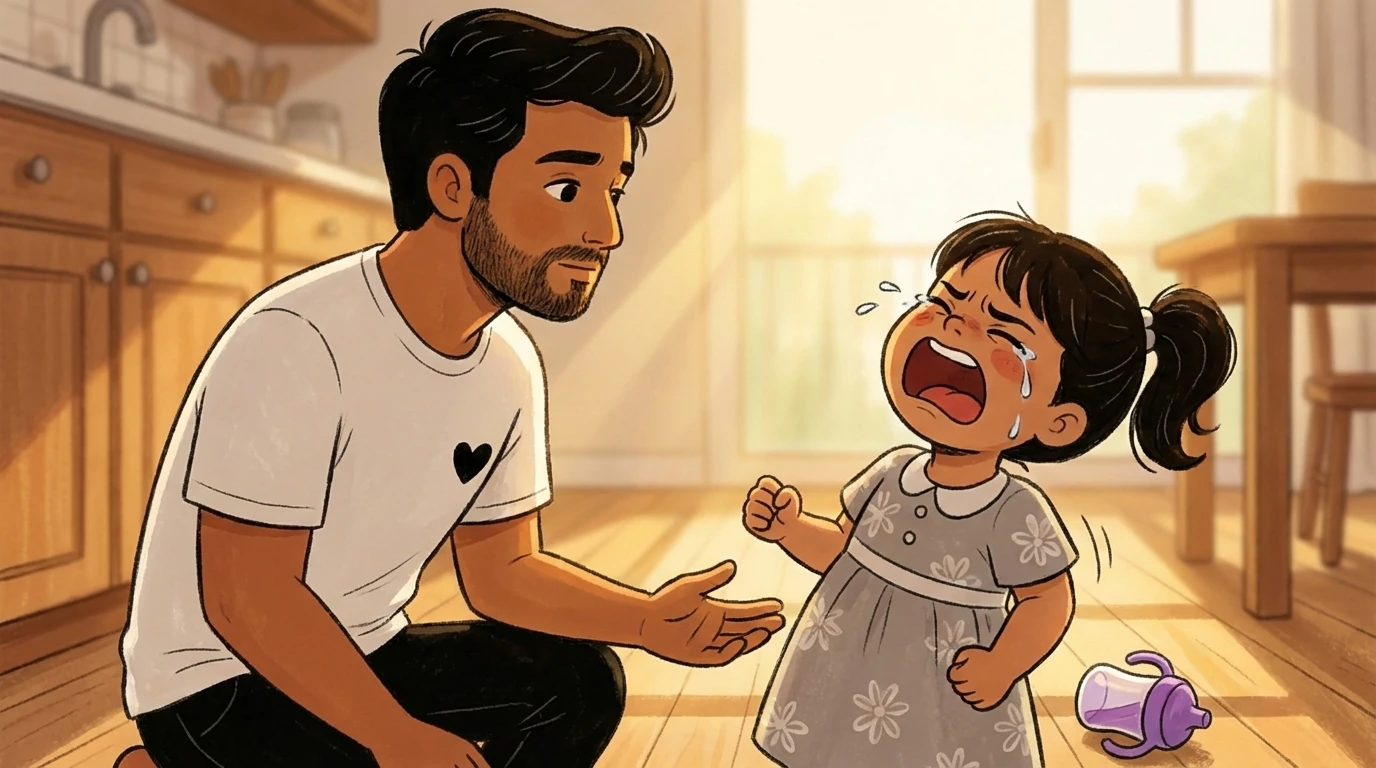
Your child feels everything at full blast with no brain wiring to handle it yet. Spot hunger, exhaustion, and overstimulation triggers before they spiral.

Last updated

2
How to handle a tantrum that's already happening (step-by-step scripts)
Name the feeling, hold the boundary, offer a small yes. Three calm phrases that end the meltdown faster without giving in.

Last updated

3
How co-regulation works: Using your calm to end meltdowns faster

4 steps to try mid-tantrum: stay steady, name what you see, wait with physical presence, then reconnect. The brain science behind why logic bounces off.

Last updated

4
Why ignoring tantrums doesn't work (and what to do instead)
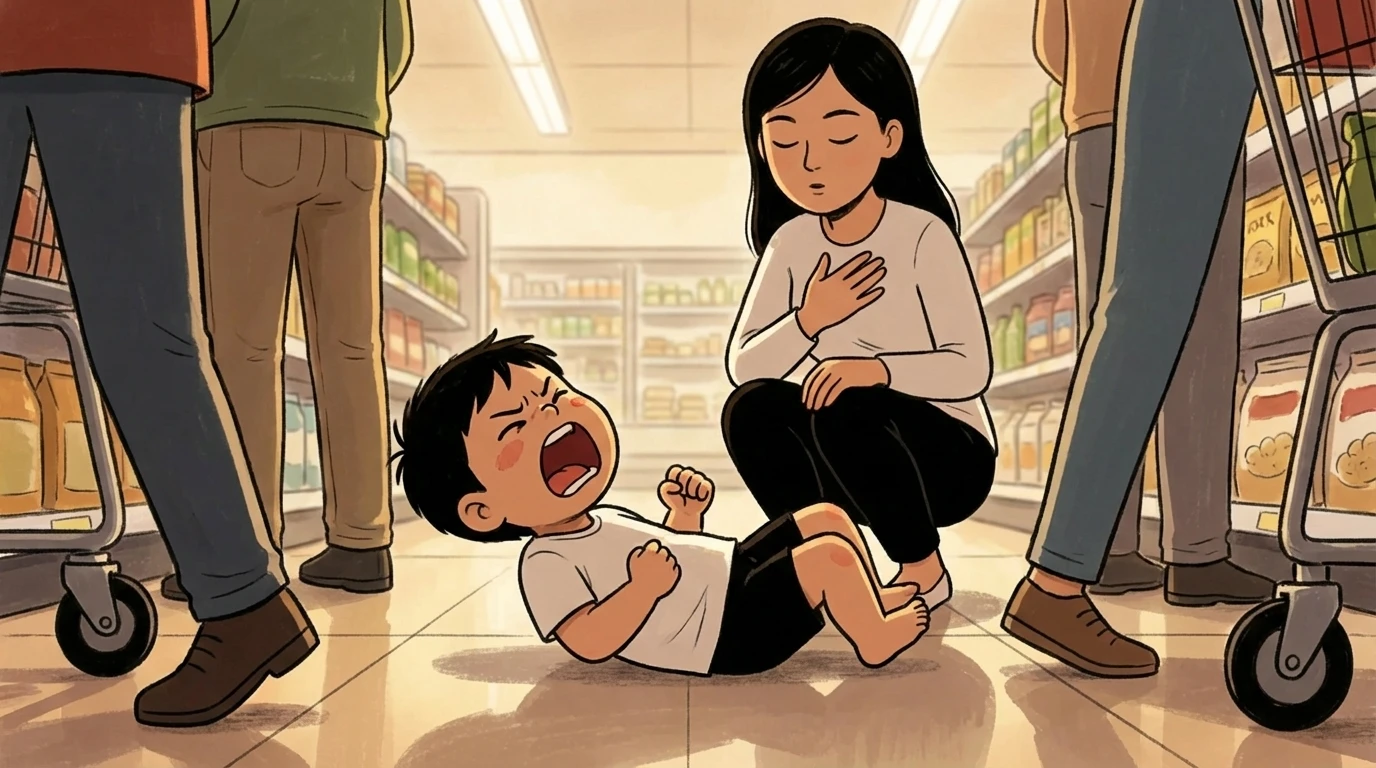
Under age 5, your child's brain can't self-regulate alone. Stay present, name the feeling, hold the boundary. Three steps that end meltdowns faster.

Last updated

5
How to handle tantrums in public without losing your mind
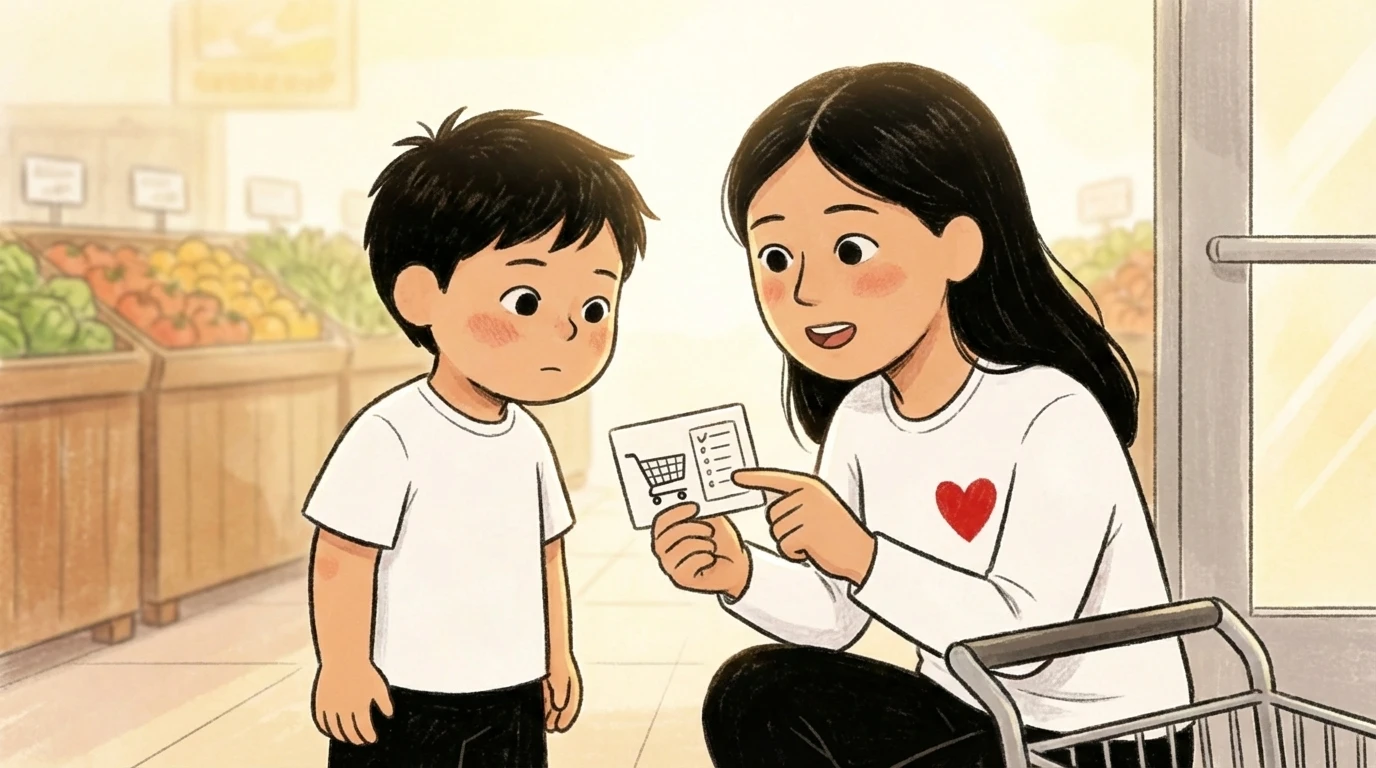
Stop managing the screaming and start managing yourself. Drop your agenda, get low, validate in two sentences, hold the boundary, and ignore the stares.

Last updated

6
How to prevent meltdowns before they start: Reading the warning signs
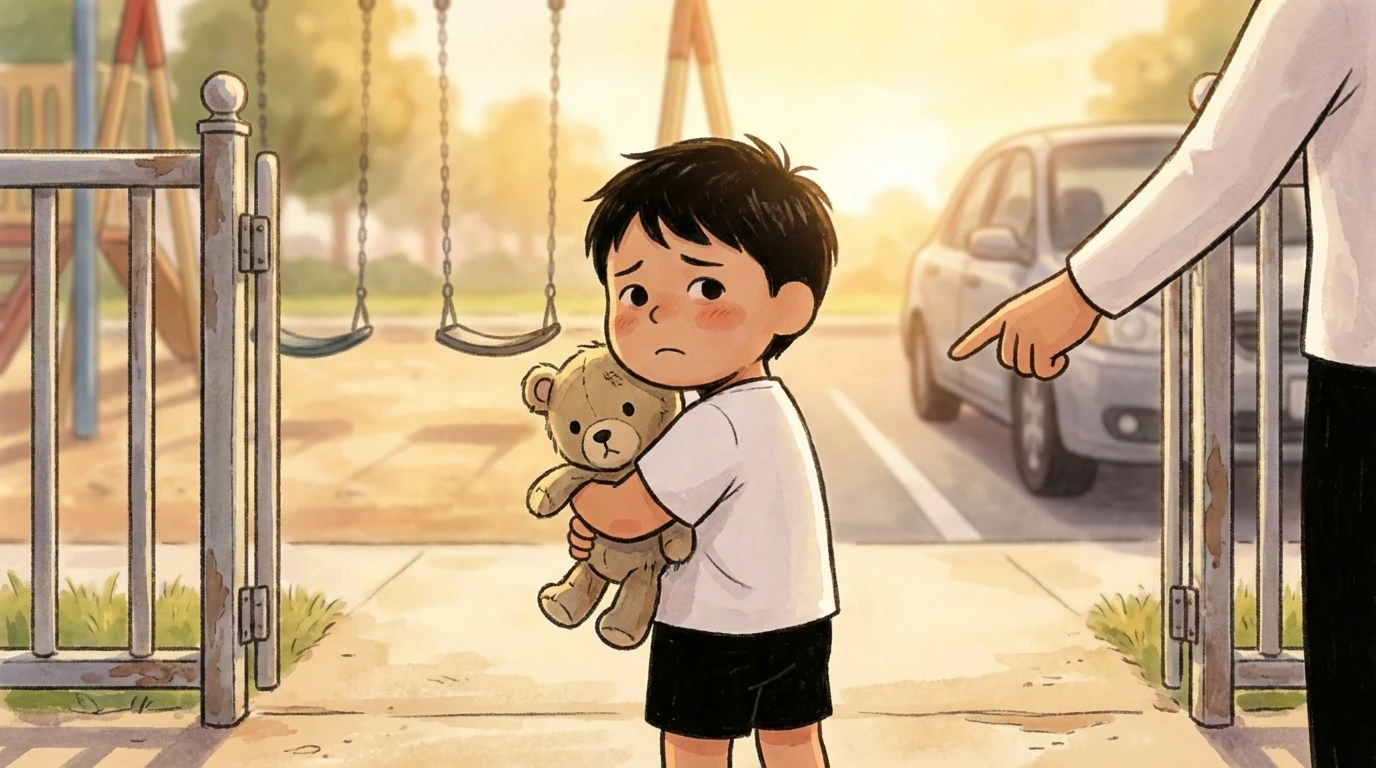
Your child gets rigid, their voice pitches up, their body tenses. Spot these 3 cues and respond with a feeling name, a choice, or playful redirection.

Last updated

7
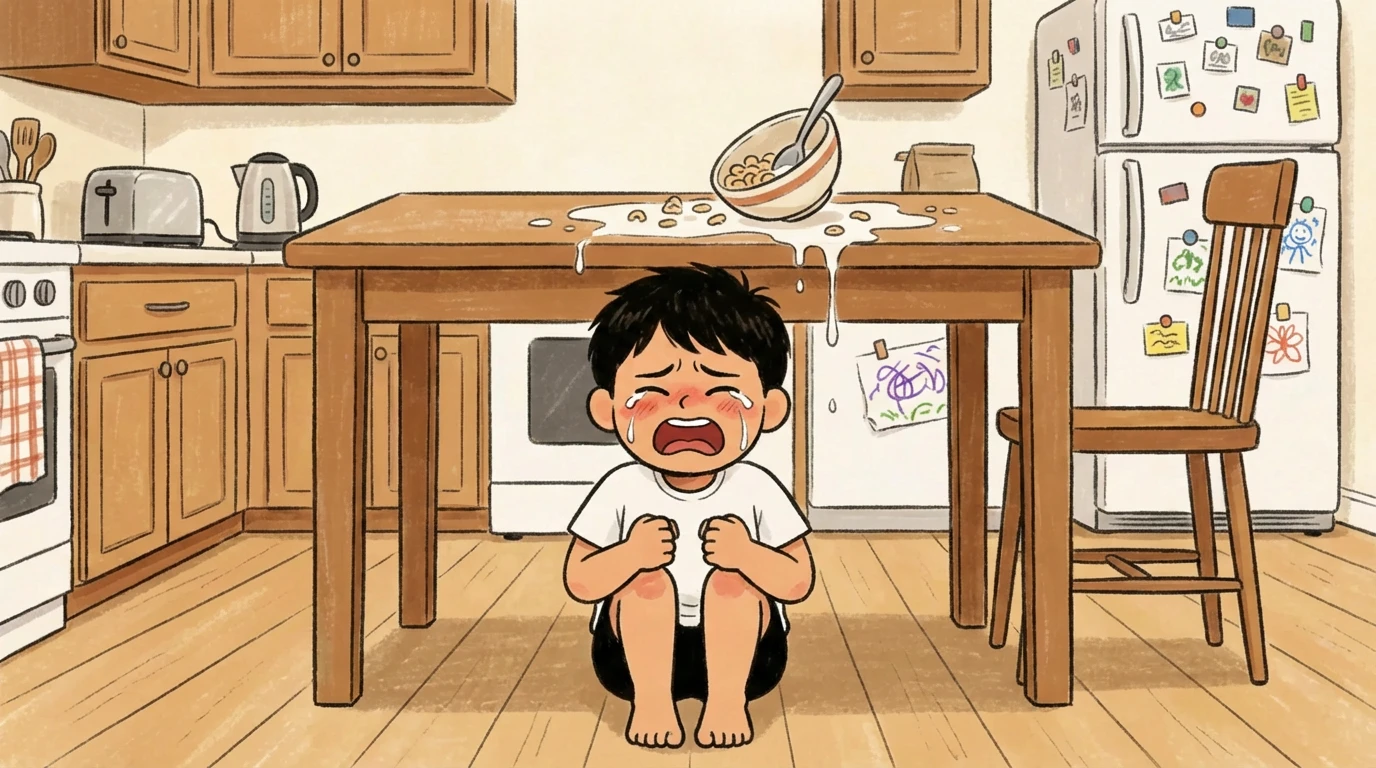
Transition meltdowns: How to leave the playground, end screen time, and switch activities
A sensory-anchor warning, a bridge between the fun and what's next, and the "stay boring" trick when the screaming peaks. No bribes, no countdowns.

Last updated

8
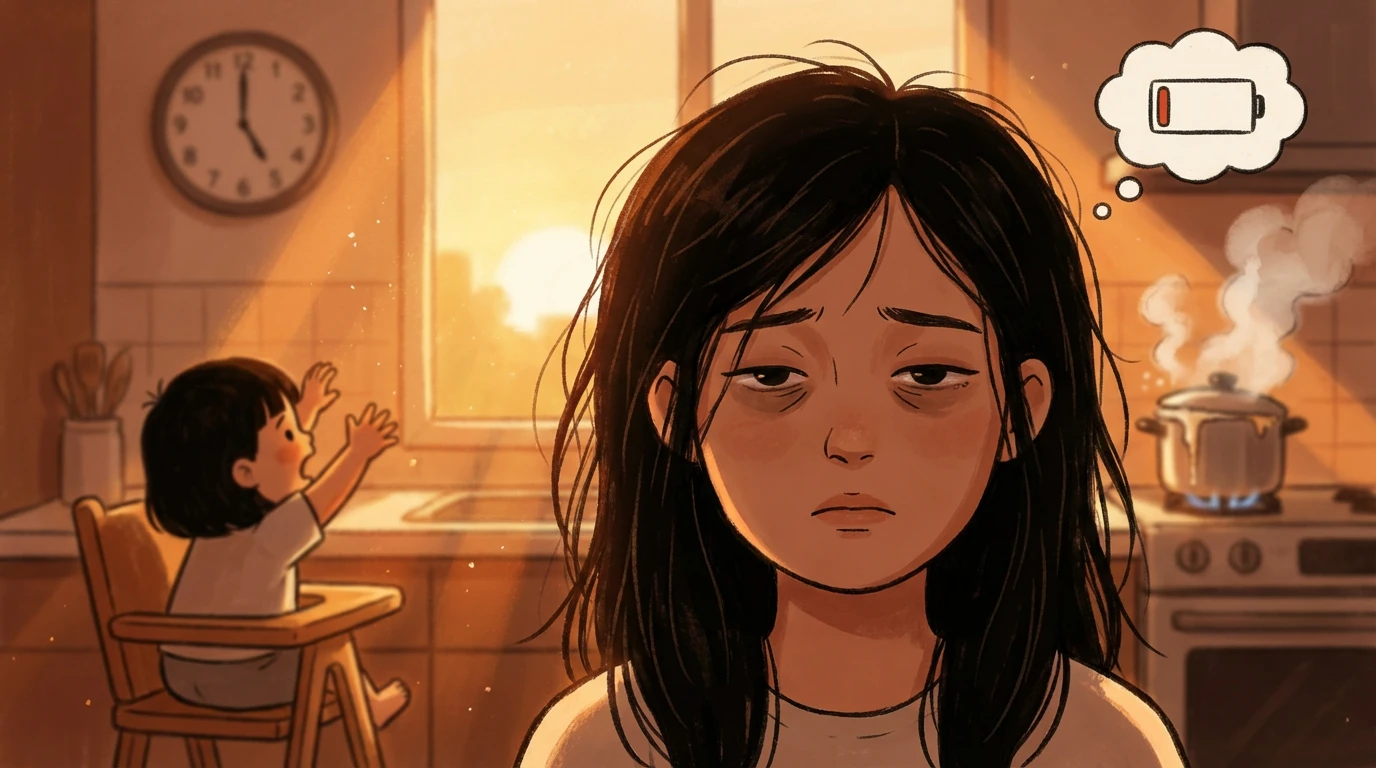
Arsenic hour: Why late afternoon is meltdown central and how to survive it
Your kid was an angel at school. Now they're screaming about a banana. It's not you, it's biology. Here's what's driving arsenic hour and how to survive it.

Last updated

9
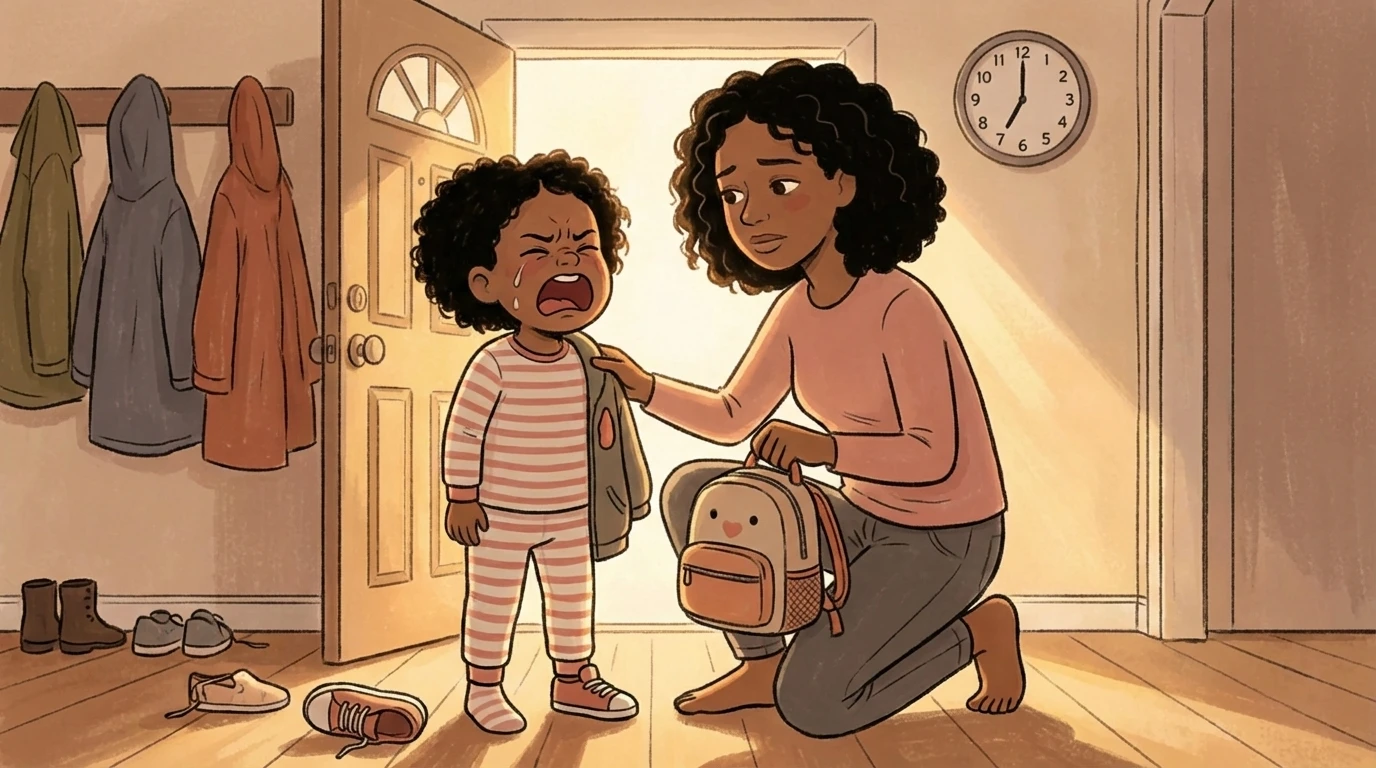
Morning routine meltdowns: How to get out the door without tears
Leave 30 minutes early, acknowledge frustration from their perspective, and offer choices about how to transition. Plus the one move when nothing else works.

Last updated

10
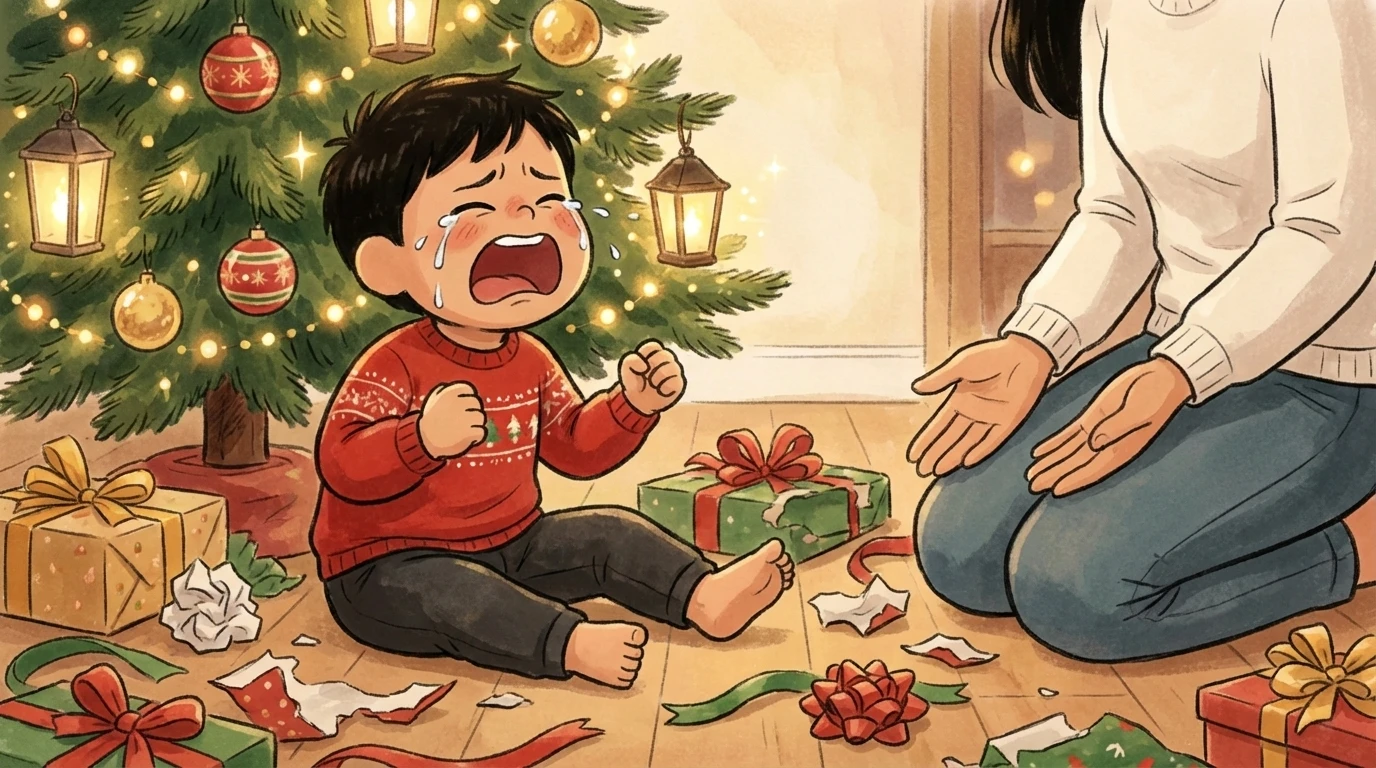
Holiday meltdowns: How to handle tantrums at family gatherings
Prep your toddler with a preview story, create a secret "I need you" signal, and know exactly what to say when the meltdown hits mid-dinner. Age 1-5 scripts included.

Last updated

11
Are big-kid tantrums normal? When meltdowns continue past toddlerhood
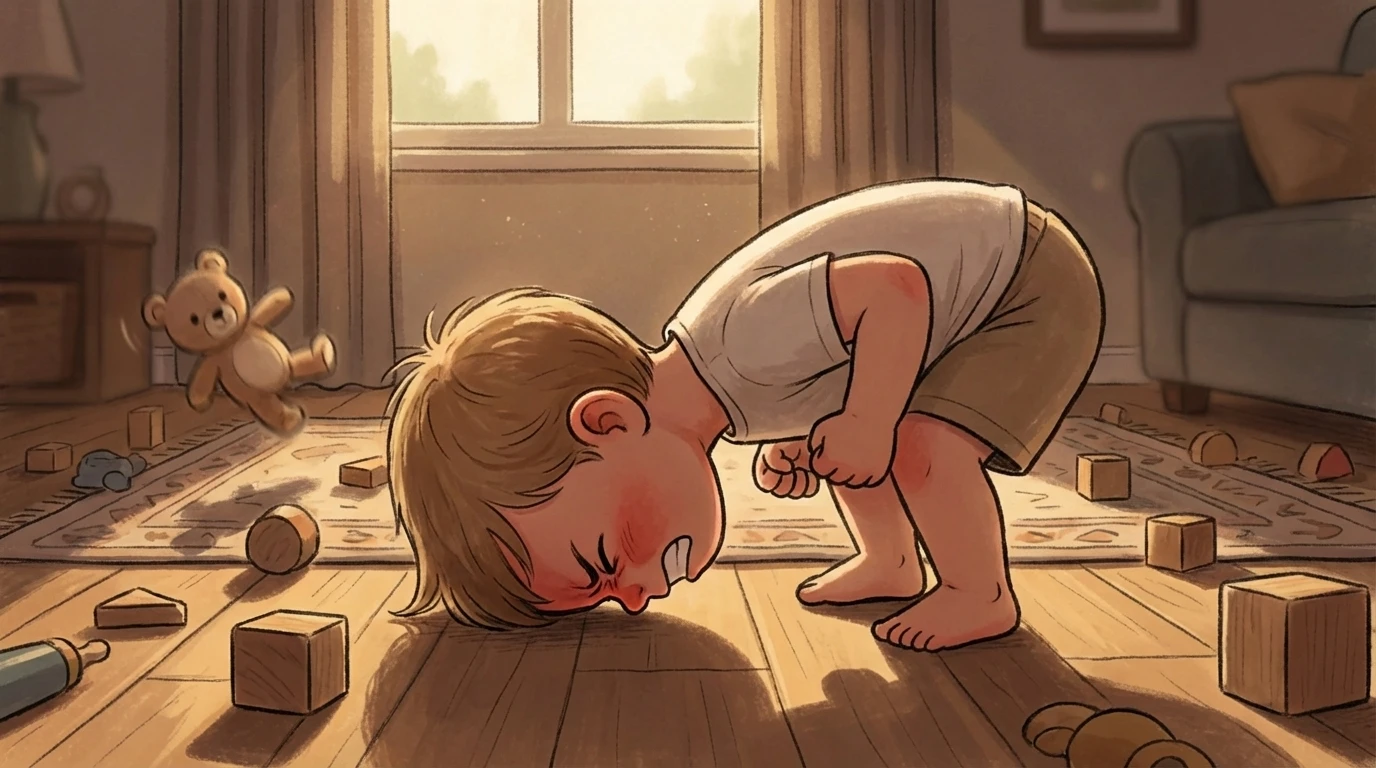
Their brain's emotional brakes aren't fully wired until the teens. Co-regulation scripts, boundary phrases, and calm-down strategies for ages 5 through 12.

Last updated

12
When a tantrum turns physical: Head banging, throwing, and self-harm during meltdowns

Block the hit, stay close, skip the lecture. Step-by-step for keeping everyone safe while your child moves from rage to the tears underneath.

Last updated

13
After the meltdown: How to reconnect and repair with your child
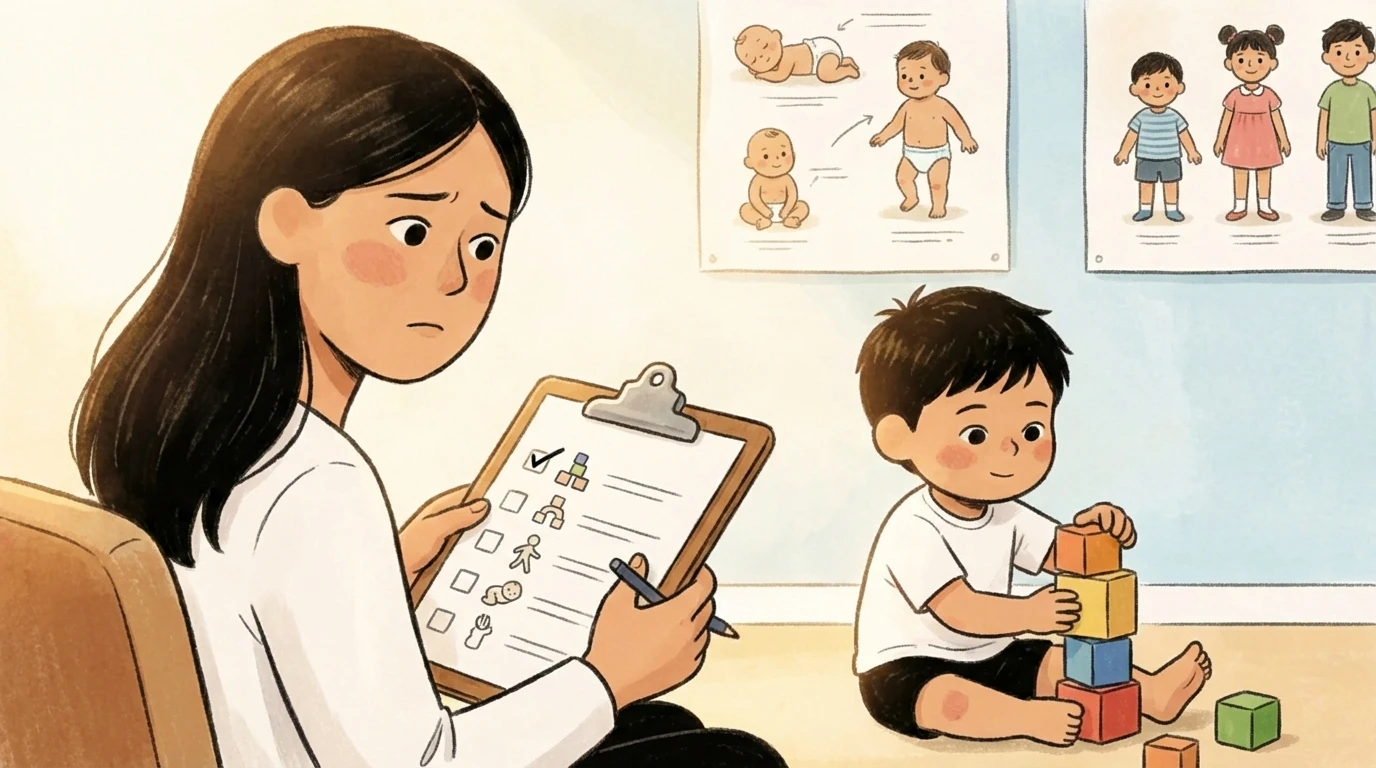
The screaming stopped. But the meltdown isn't over. What you do in the next ten minutes determines whether your child learns from it or repeats it.

Last updated

14
When to worry about tantrums: Signs that something more is going on
Most meltdowns are normal. Red flags: episodes past 20 minutes, self-injury, increasing after age 5, or your child can't calm down without extreme help.

Last updated

Free Download

Get Your Tantrum Response Script

Enter your email and we'll send Tantrum Response Script straight to your inbox — free, instant, no strings attached.