TLDR
- Pulling away is the developmental assignment, not a relationship failure. Teens are practicing for the day they stand on their own. Distancing from you is how they rehearse independence in a safe environment.
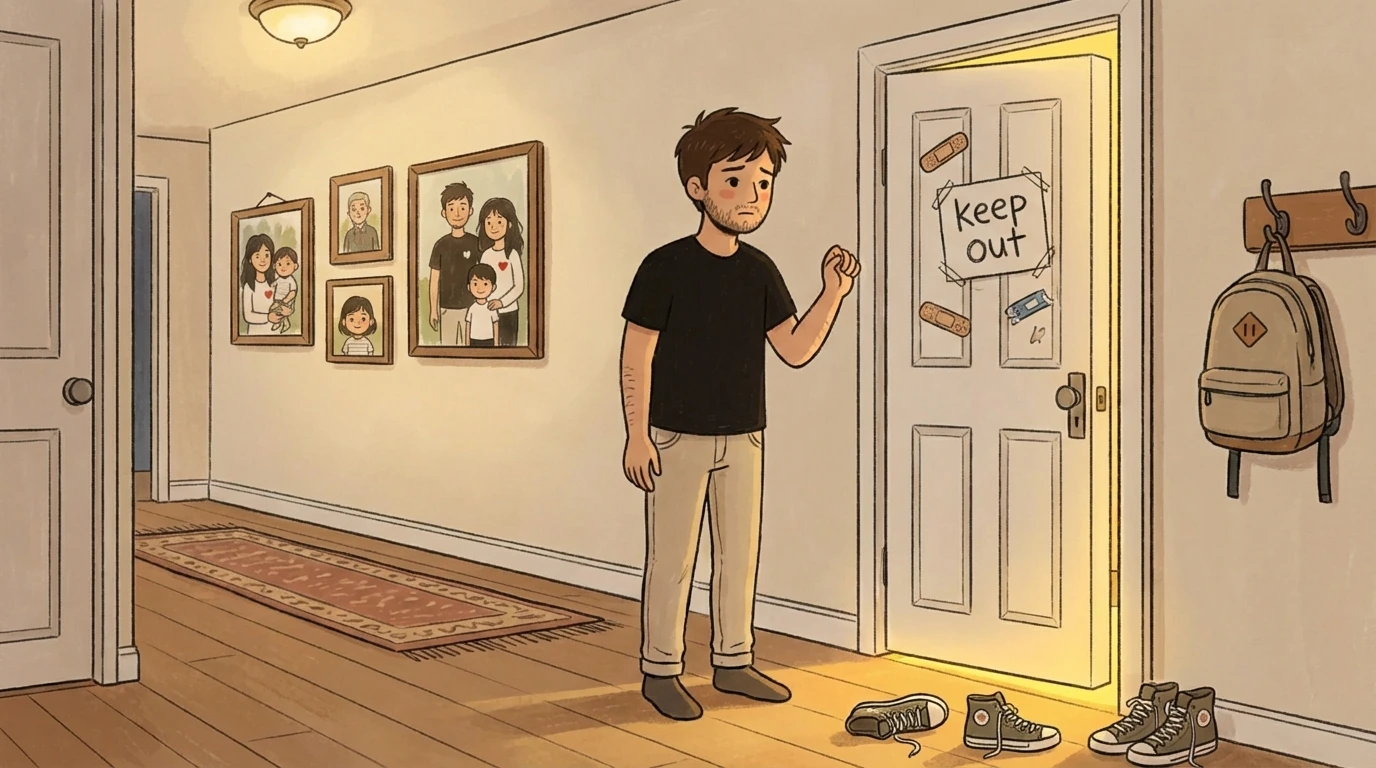
- Your teen still needs you but cannot admit it. Most fifteen-year-olds say they wish they could talk with their parents but don't know how. The door is just closed, not locked.
- How you respond to the distance determines whether it becomes permanent. Parents who chase get pushed further away. Parents who stay steady and available get circled back to.
- Self-centeredness at this age is brain development, not a character flaw. Identity formation requires intense self-focus. Your teen is not ignoring your feelings on purpose. They genuinely do not have the bandwidth to notice.
- Connection still happens, just in different formats. Car rides, bedtime check-ins, and walking the dog together replace the face-to-face heart-to-hearts you used to have.
The door that used to be open
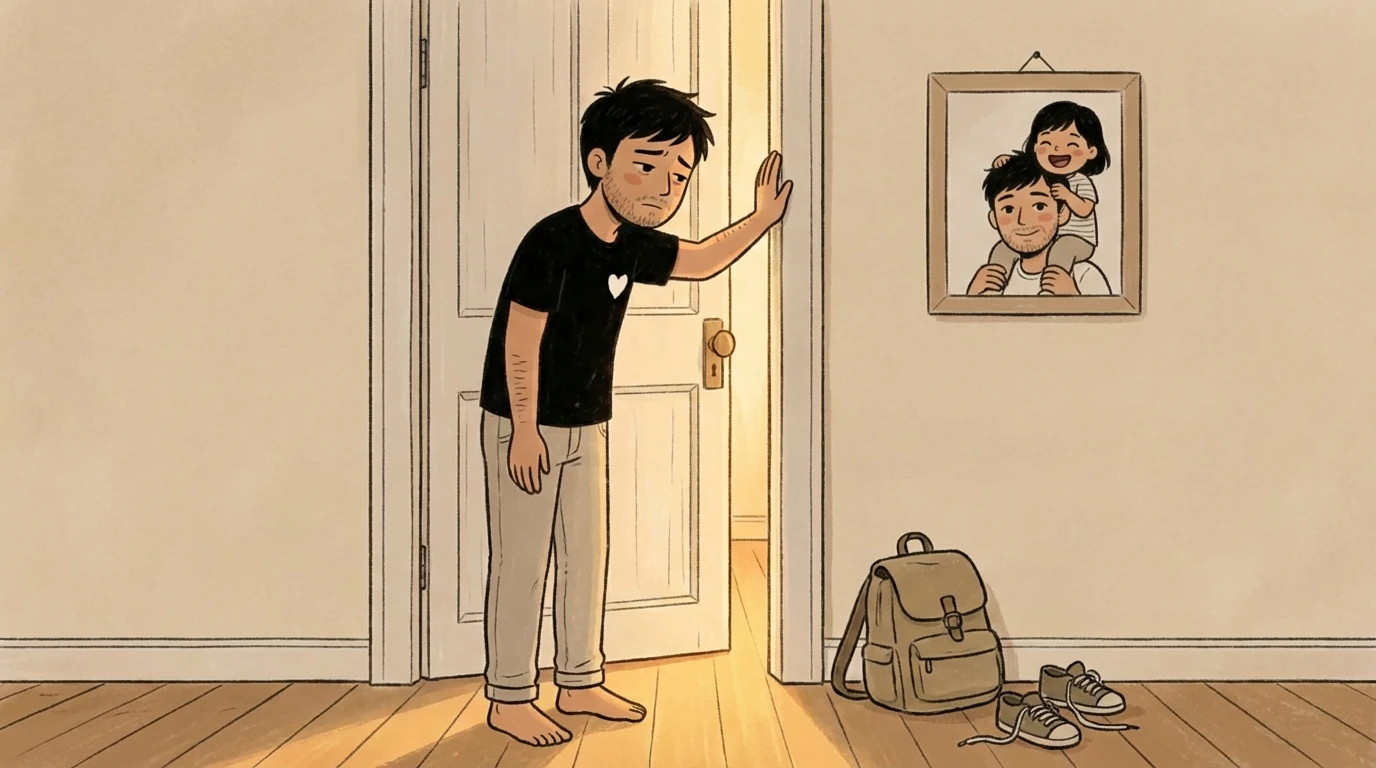
You remember when your kid followed you from room to room. Into the kitchen while you made dinner. Into the bathroom while you tried to have thirty seconds alone. They narrated their entire inner life to you in real time.
Now you get a closed door, one-word answers, and the occasional eye roll that suggests your very existence is an inconvenience.
This is the same kid. Between 13 and 18, your teenager's primary project is identity construction: figuring out who they are as a person separate from you. That requires physical and psychological distance in the same way that building a house requires space to swing a hammer.
The pulling away is evidence that your child's brain is doing exactly what it is supposed to do at this age.
Why the safe parent gets the worst version
Here is the part that stings: your teenager gives their best self to everyone else. The teachers get politeness. The friends get enthusiasm. You get monosyllables and door slams.
That is because you are safe. Your kid trusts, on a level they cannot articulate, that you will not disappear no matter how badly they behave. The withdrawal is the sound of someone testing whether the foundation will hold while they build something new on top of it.
Think of it as the teen version of a toddler alternating between "do it myself" and a meltdown. Same process, sharper aim.
Closed door, mid-sentence
The Parenting Teens course will help you stop chasing a retreating teenager
You'll recognize which withdrawals are healthy and respond to the ones that aren't without pushing them further away.
What is happening in their brain
The self-centeredness you are witnessing is a resource allocation problem.
Your teenager's core developmental work is building an identity. That project consumes so much cognitive energy that there is very little left over for noticing how their behavior affects you. They genuinely do not have the bandwidth.
This is why they can spend four hours dissecting a social media interaction but cannot remember to text you when they arrive at a party. Peer relationships are the practice field for adult independence. Your relationship feels settled (to them), so it gets deprioritized.
The judgment gap
All teens are still developing a realistic assessment of their capabilities and where they fit in the world. The prefrontal cortex, which handles risk assessment and long-term consequences, does not finish developing until the mid-twenties. So your teenager simultaneously believes they are invincible and worries that everyone is judging them. Both things are happening at once, and neither is rational.
This is normal. It looks alarming from the outside, but it has an expiration date.
The five things that push them further away
When your teenager retreats, every instinct tells you to pursue. Most of the obvious responses backfire.
Interrogating. "How was school?" seventeen times does not produce connection. It produces shorter answers. Your teen experiences rapid-fire questions as surveillance, not interest.
Taking it personally. When you let the rejection wound you and show it, you put your teen in the impossible position of managing your emotions while they can barely manage their own. They will solve this problem by avoiding you.
Matching their intensity. They slam a door, you yell through it. You just confirmed that escalation is how adults handle conflict, and that engaging with you is exhausting.
Lecturing during connection moments. They finally sit down next to you on the couch, and you use the opening to deliver a speech about their grades. They will not sit down next to you again for a while.
Withdrawing your affection. The silent treatment, the cold shoulder. Your teen is already terrified that growing up means losing you. When you pull back, the anxiety underneath the distance doubles and the wall gets higher.
How to stay connected to a teen who is pulling away
How to stay close without crowding
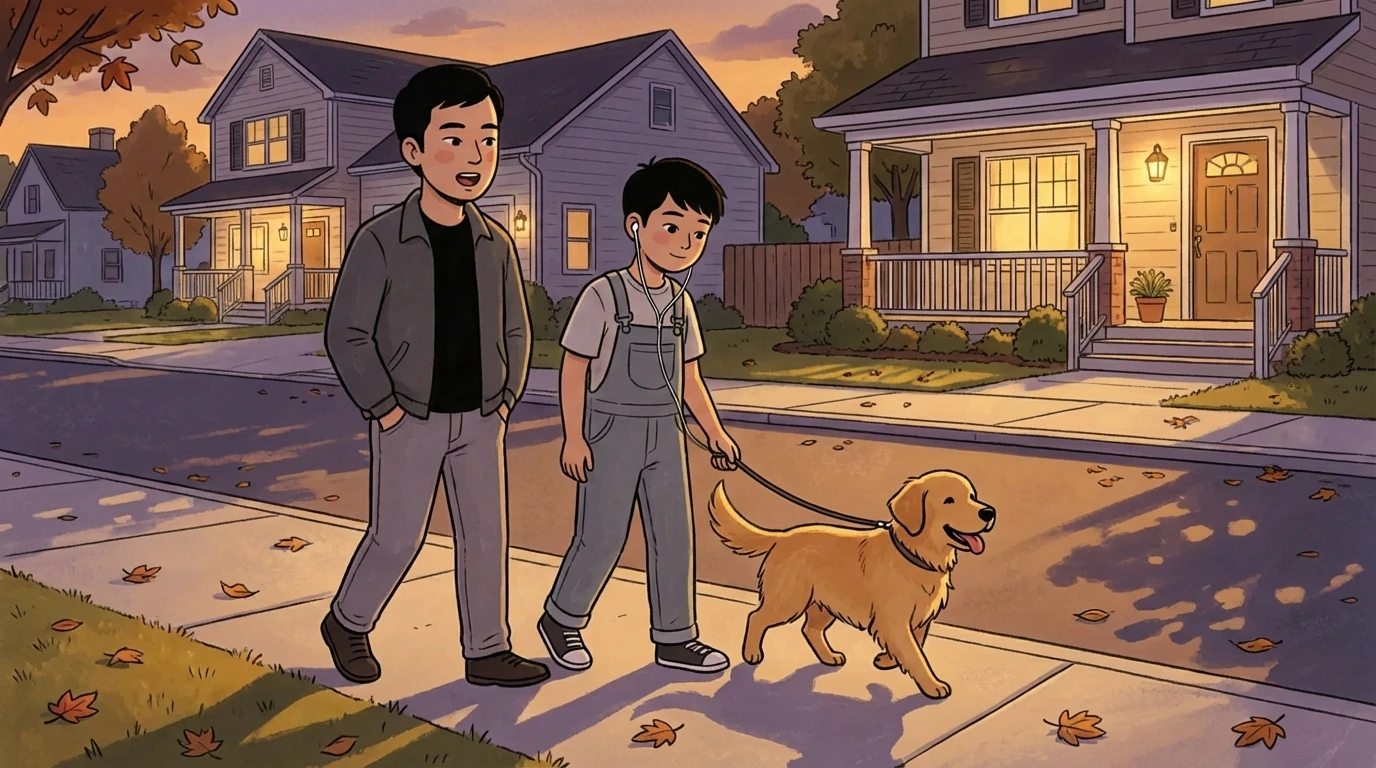
- Use side-by-side time, not face-to-faceCar rides, dog walks, cooking together. Eye contact feels confrontational to a teenager who is trying to separate. Parallel activities create natural openings without the pressure of direct conversation.
- Show up at transitionsHug hello and goodbye. Be present when they leave for school and when they come home. These brief touchpoints add up to something larger over time.
- Try the bedtime check-inLie down next to them for a few minutes while they settle in. Parents consistently report that bedtime and car rides produce the best conversations with their teens.
- Ask questions, then close your mouthWhen they do talk, resist the lecture. Say 'I promise I'll keep my mouth shut and listen.' Teens expect sermons. Silence is disarming.
- Schedule one-on-one time weeklyBrunch, errands, a walk. It does not need to be elaborate. What matters is that the time is protected and it belongs to just the two of you.
- Let them define the termsAsk what activities would make your time together feel good to them. You might be surprised. Sometimes they want something as simple as watching a show together without commentary.
The approach you take as a parent during these years matters more than any single conversation. Authoritarian parents who demand closeness get rebellion. Permissive parents who accept the distance without question lose influence. The sweet spot is warm, steady availability with clear limits on how people treat each other.
When the silence is not normal
Most teen withdrawal is healthy separation. But some patterns warrant attention.
Worry when they pull away from everyone, not just you. A teen who drops friends, quits activities, and isolates completely is showing a different pattern than one who is out with peers every weekend but ignores you at dinner.
Worry when the withdrawal comes with a personality change. Sudden loss of interest in things they used to care about, sleep changes, appetite shifts, or giving away belongings are signs of something beyond developmental distancing.
Worry when the mean goes beyond normal friction. If your teenager makes frequent cutting remarks, that is a relationship under strain. A connected teen pushes you away with eye rolls and closed doors. A disconnected teen pushes you away with cruelty.
If the distancing feels wrong in your gut, trust that instinct. You know your kid better than any article does.
The part nobody tells you
Your teenager who asked for a ride and then put in earbuds for the entire trip? That was connection. They chose to be in your car. They chose your presence, even in silence. For a teenager in the middle of identity construction, sitting near you without talking is the equivalent of a five-year-old climbing into your lap.
The physical need for closeness does not disappear at puberty. A twelve-year-old who still wants five minutes of cuddling at bedtime is filling up before stepping into a world that asks them to be more independent than they feel. Meet that need directly, because when you do, it gradually decreases on its own. Cut it off, and they will look for it somewhere else.
The years between 13 and 18 will test your patience in ways nothing else will. You will have dinner conversations that consist entirely of "fine" and "I don't know." You will drive to school in silence that feels hostile but is just a teenager who has not yet figured out who they are when you are watching.
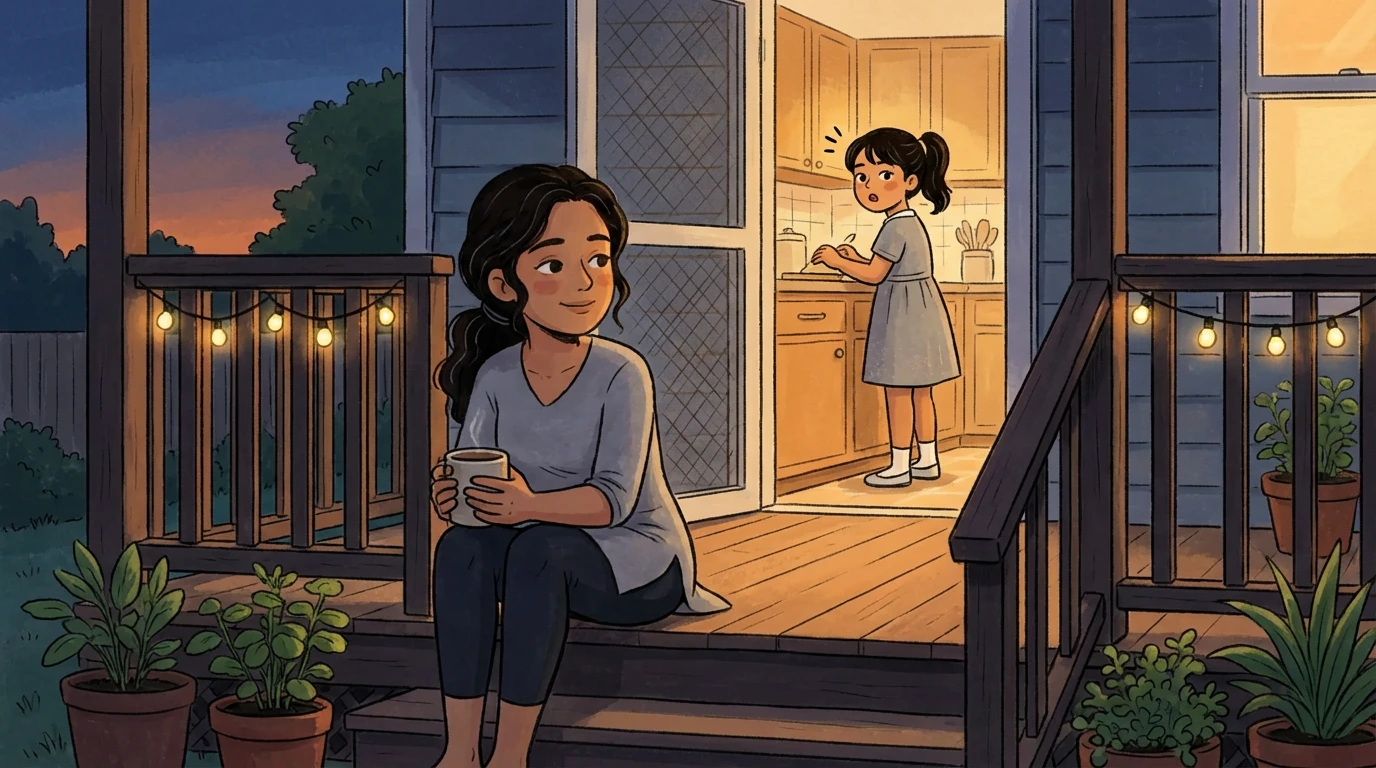
Stay. Not in their face. Not chasing them down the hallway. Just stay present, available, and visibly unbothered by the distance. Teens whose parents maintained steady warmth through the pulling-away years come back. They circle back voluntarily, usually around 16 or 17, and the relationship on the other side is deeper because this time they chose it.
FAQ
Most teens begin distancing between 12 and 14 as identity formation accelerates. The withdrawal tends to peak around 14 to 15 and gradually eases by 16 or 17, though every teenager operates on their own timeline. Earlier puberty can shift this window younger.
Normal withdrawal is selective: your teen pulls away from you but stays engaged with friends and activities. Depression looks like pulling away from everything. Watch for lost interest in things they used to enjoy, sleep and appetite changes, and isolation from peers, not just from family.
Both. Give them physical and emotional space to experiment with independence, but stay visibly available. Think of yourself as a base camp, not a search party. You do not chase them up the mountain, but you are always there when they come back down.
Completely normal and developmentally necessary. Teens are practicing for adult relationships by investing heavily in peer connections. It does not mean they value you less. It means they are doing the work of learning to form bonds outside the family system.
Respond to the feeling underneath, not the words on top. Try: 'It sounds like you're really frustrated. I want to hear what is going on.' Hold the limit on cruel language without withdrawing your presence. Most teens will soften when they realize you are not going to retaliate or disappear.