TLDR
- Power struggles are unwinnable. The harder you push a resistant child, the harder they push back. Force becomes less effective every year, and by adolescence it stops working entirely.
- Cooperation is a relationship problem, not a discipline problem. Children cooperate when they feel connected to you and don't want to disappoint you. If they've already sensed your disapproval, they stop trying.
- Empathy before the limit. Acknowledge what the child wants before you hold the boundary. 'You wish you could keep playing AND it's time for dinner' works better than 'Go to the table now.'
- Crying is progress, not failure. When a resistant child moves from screaming rage to tears, the emotional backlog is clearing. Cooperation follows.
- The stubbornness pays off later. Strong-willed kids who receive empathic parenting become teenagers who resist peer pressure and take responsibility for themselves.
The child who says no to everything
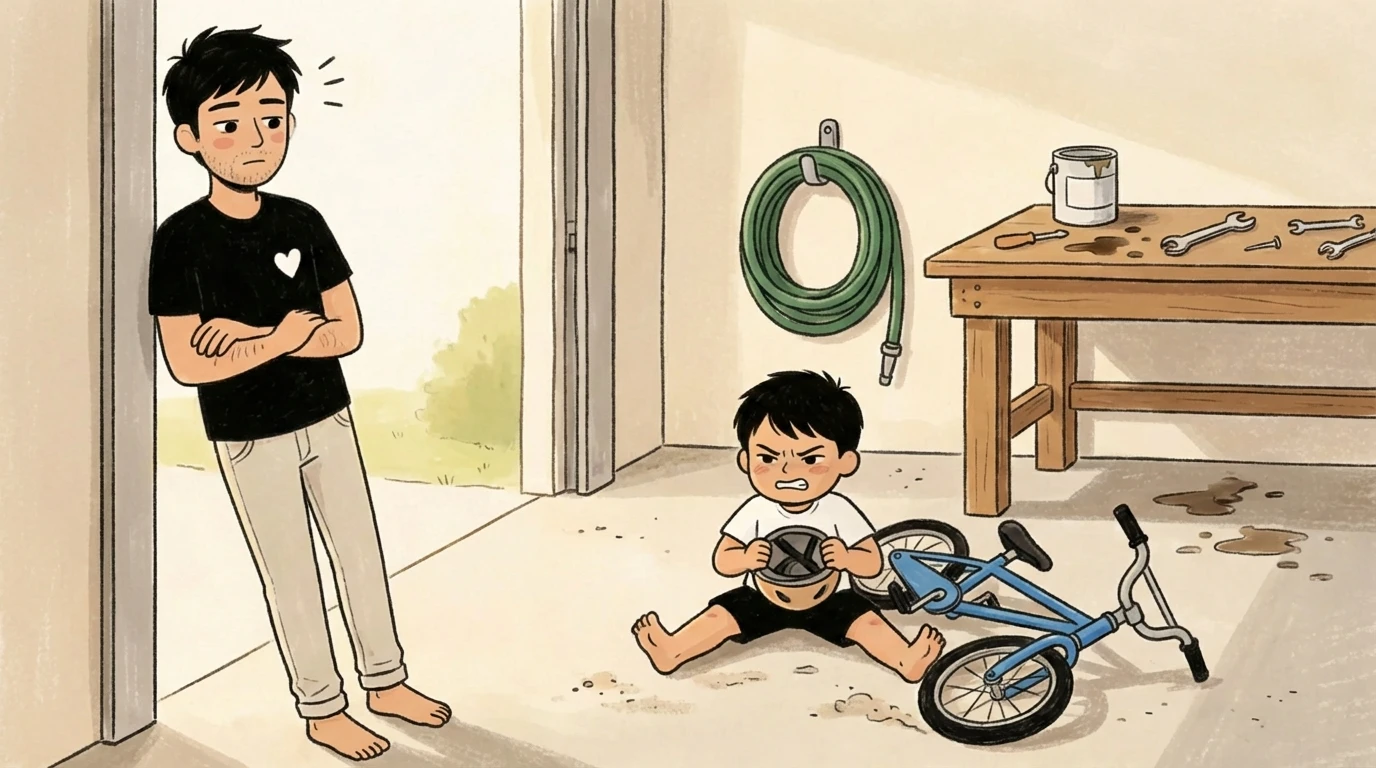
You say "time for shoes." They say no. You say "dinner's ready." They say no. You say "the house is on fire" and they say no while calmly continuing to stack blocks.
If you have a child who resists every request, you've probably tried consequences, warnings, countdowns, bribes, and the thing where you pretend to leave without them. Some of those worked once. None of them work consistently. And the ones that rely on fear or force work less every single year.
Here's what the research keeps showing: you cannot force cooperation from a strong-willed child. You can force compliance temporarily, but compliance through fear is a depreciating asset. The four-year-old you can pick up and carry to the bathroom becomes the twelve-year-old you can't, and by then, your only influence is the relationship you either built or didn't.
Why punishment makes resistant kids worse
A child who resists everything sees threats and punishment as an attack on their integrity. Where a more easygoing kid might shrug and comply, the resistant child digs in. They would rather lose every privilege you own than back down, because backing down under pressure feels like a violation of who they are.
This is the "Cool Hand Luke" dynamic. Your kid is standing up against what feels like disrespect, and no amount of escalation will convince them to surrender. If punishment worked on this child, it would have worked by now.
What forced compliance costs
When you force a child to stop doing something, they don't get to practice choosing to stop on their own. Self-discipline develops when a child gives up something they want for something they want more. If you always supply the brake, they never build their own.
Kids raised on punishment end up with weaker self-regulation, not stronger. The child who learns to listen through connection develops internal motivation. The child who listens because they're scared develops nothing except a plan to stop listening the moment you can't enforce it.
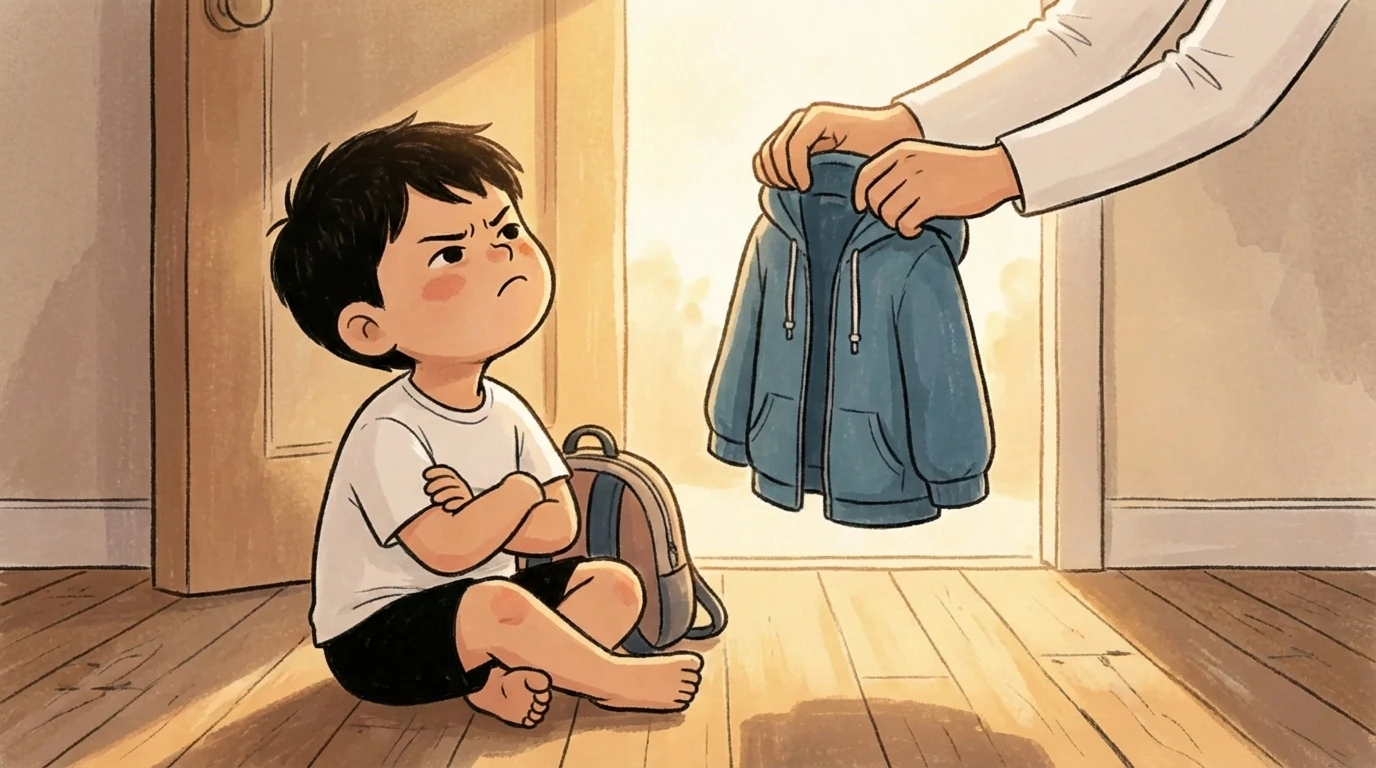
Fifth time asking for the coat
The Spirited Kids course will teach you requests that land
You'll give one calm ask and watch them move instead of repeating yourself until you're yelling.
The real reason your child won't cooperate
Strong-willed children cooperate when two conditions are met: they feel connected to you, and they believe your view of them is positive. That second one is the trap most parents fall into.
The disappointment cycle
Children behave well because they don't want to disappoint the person whose love they live for. But when a child senses that you're already disappointed in them (and kids are bloodhounds for disapproval), they conclude they've already failed. At that point, they stop trying to please you, and everything becomes a fight.
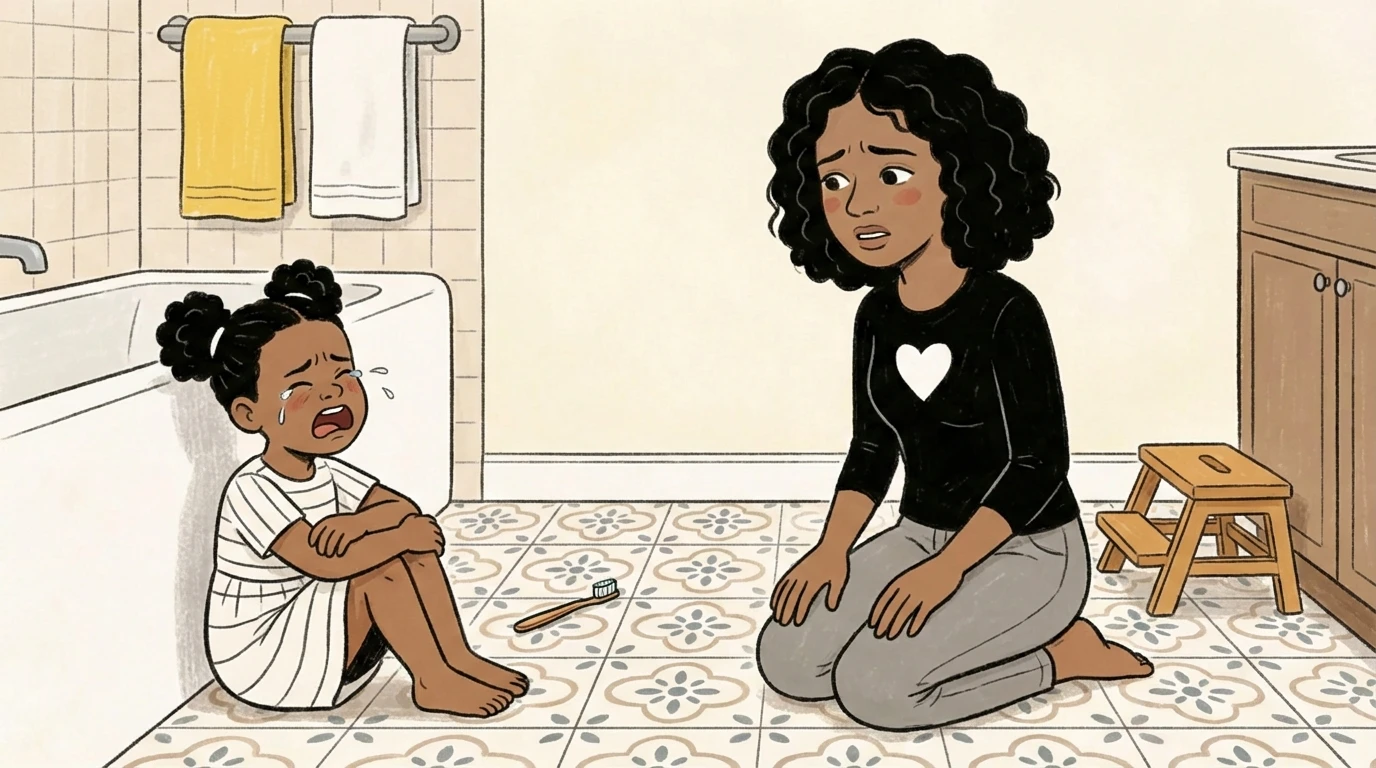
The cycle looks like this: you show frustration, they sense disapproval, they stop cooperating, their behavior gets worse, you show more frustration. Repeat until everyone is miserable and someone is crying in the bathroom (probably you).
The fight-mode defense
When your child screams "NO" and escalates into rage, they're in fight mode, using anger as armor against more vulnerable feelings underneath. Sadness, fear, the terror that you don't like them very much right now.
A child who fights instead of cries is avoiding vulnerability. The anger keeps them defended. Your job is to make it safe enough for the armor to come down.
How to get cooperation without a fight
The sequence is simple in concept and brutal in execution: sidestep the power struggle, empathize with the emotion, hold the limit without punishment, and wait for the feelings to move through.
Sidestep first
When your child says "I don't want to" and starts escalating, temporarily back off from the request. You're still holding the limit, just refusing to engage in the battle your child is using to avoid their feelings.
"I can see you really don't want to brush your teeth right now. You're so mad about it."
Then hold the boundary with empathy
Acknowledge what they want before you state what's happening. "You wish you could keep playing. I get it. AND it's time to get ready for bed." The word "and" matters. "But" erases everything before it. "And" holds both truths.
How to get cooperation from a resistant child
- Pause before reactingTake one breath. Your child's resistance triggers your fight response too. If you engage while dysregulated, you're two people in fight mode and nobody wins.
- Name what they're feelingSay it out loud: 'You are so mad right now. You did not want to stop.' Naming the emotion helps them feel seen, which is the first step toward the armor coming down.
- Give the wish in fantasySay what they wish were true: 'I bet when you grow up, you'll never go to bed. You'll play all night every single night.' The brain hears wishes as partially real, which provides relief.
- Hold the limit without lecturingState the boundary once and stop explaining. 'I won't let you throw things AND you can be as mad as you want.' Then wait. Repeating the rule ten times teaches them to ignore you.
- Stay present through the tearsWhen they shift from rage to crying, stay close. The tears are the emotional backlog clearing out. After the cry, cooperation comes naturally because they're no longer stuck in their feelings.
When they laugh instead of cry
Laughter during a limit-setting moment usually signals anxiety, not defiance. That laughter is your child trying hard not to feel the guilt or sadness underneath. You might say: "You're laughing, but I think this is hard for you. It's okay to be upset about it."
What to do when you've already lost your patience
You will lose it. That's not a maybe. Parenting a resistant child requires a depth of patience that no human consistently possesses, especially at 5:47 PM on a Tuesday when dinner is burning.
The recovery matters more than the rupture. When you've yelled or grabbed or said something you regret, come back. Get on their level. "I got frustrated and I raised my voice. That wasn't okay. I'm sorry. You didn't deserve that."
Fill your own tank first
You can't pour empathy from an empty cup (yes, it's a cliché, and it's still true). If you're depleted, resentful, and running on caffeine and obligation, you will not have the bandwidth to sidestep power struggles. Find fifteen minutes alone every day. Not folding laundry. Not scrolling. Just sitting with yourself.

The long game (and why it's worth it)
Strong-willed kids who receive empathic parenting become excellent teenagers. The stubbornness that makes age four feel like a hostage negotiation becomes imperviousness to peer pressure at fourteen. The child who won't bend to your force also won't bend to anyone else's.
But this only works if you sidestep the power struggles now rather than winning them. Every time you choose connection over control, you're building a neural pathway in your child's brain that says: "I can trust this person. I want to cooperate with them."
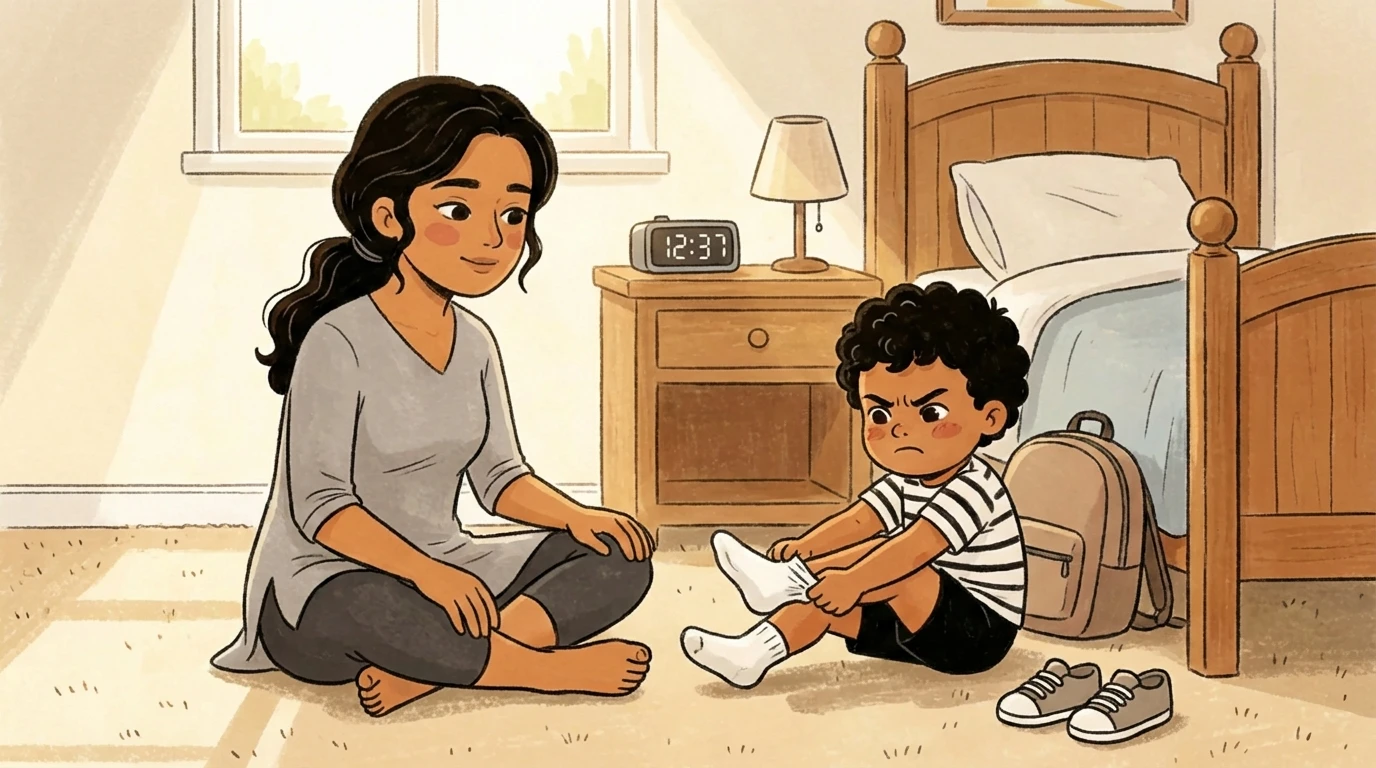
Children test limits because that's their job. A strong-willed child might need to test the same limit ten times where another child needs three. It's their learning style. They're experiential learners who cannot take your word for it. They need to discover for themselves that the boundary is firm, and they need to discover it with a parent who doesn't let it escalate to a meltdown along the way.
Your kid's resistance feels personal. It isn't. They're testing whether you'll stay steady, whether the limits are real, and whether your love survives their worst behavior. When you pass that test (imperfectly, repeatedly, over hundreds of Tuesday evenings), you build the kind of trust that no calm-down technique can replace. The connection itself becomes the cooperation.
FAQ
A child who can't access tears often needs more safety and connection overall, not just in the moment. Increase daily one-on-one play where you follow their lead and get them laughing. Laughter and roughhousing help release the anxiety that keeps the armor up.
If you're switching from punishment-based parenting, expect a transition period where behavior temporarily gets worse. Your child feels safer, so they're expressing feelings they previously suppressed. Most families see consistent improvement within two to four weeks of steady practice.
Sidestepping the power struggle is not the same as giving in. You still hold the limit. You just hold it with empathy instead of force. The request stands. You're changing how you deliver it, not whether you deliver it.
Start with yourself. When one parent shifts their approach, the child's behavior changes, which often convinces the other parent. Share specific observations rather than parenting philosophy. Two weeks of logged results are more persuasive than any argument.
The principles apply through adolescence. Connection-based cooperation scales across every age. The scripts change, the respect for autonomy increases, but the foundation stays the same: children cooperate with people they feel genuinely close to.