
TLDR
- Reconnection comes before correction. Your child cannot process what went wrong while they still feel disconnected from you. Physical closeness first, conversation second.
- Your calm has to come first. If you're still activated from the meltdown, you'll bring that energy into the repair. Regulate yourself before approaching your child.
- Name the feelings, not the behavior. Telling the story of what happened ('You were so angry the tower fell') builds emotional vocabulary they'll use next time instead of melting down.
- The do-over is surprisingly powerful. Replaying the situation with a better script creates a new memory that overwrites the old one. Kids take to it instantly because it feels like pretend play.
- Frequent ruptures are a signal. If you're apologizing to your child daily, something in your life needs attention. That's data, not failure.
The storm just ended. Now what?
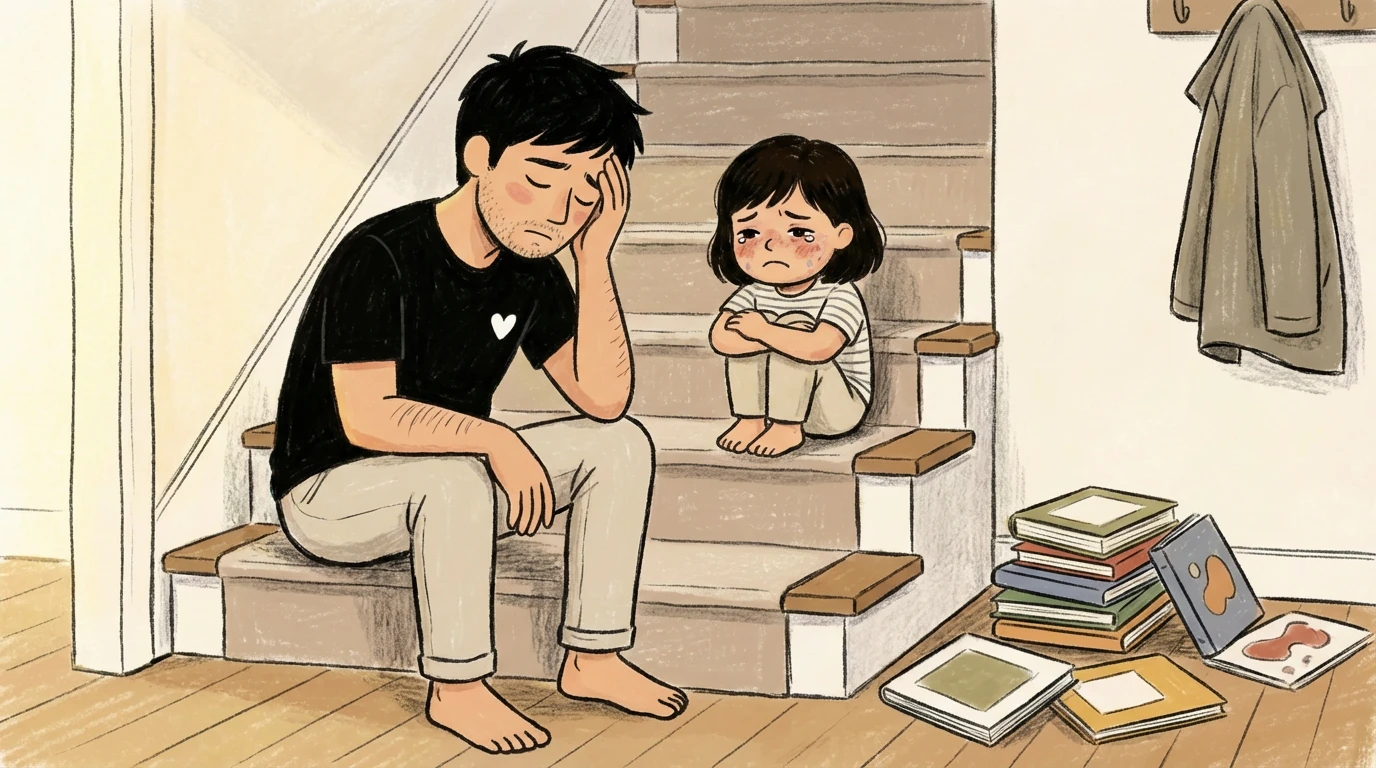
Your kid is on the kitchen floor, surrounded by the wreckage of a tantrum that started because you cut their toast wrong. (Diagonal, apparently, was the only acceptable option.) The screaming has finally stopped. They're doing that shuddering-breath thing. And every bone in your body wants to just move on.
Here's the problem: the meltdown isn't over when the noise stops. What you do in the next ten minutes determines whether this was just a bad moment or something your child learns from.
Most parents skip this part. But this window, when the prefrontal cortex is flickering back online and your child is still soft and open, is where the real work of co-regulation pays off.
The awful quiet after
The Tantrum Toolkit course will show you how to reconnect after a meltdown
You'll repair the rupture in minutes instead of carrying guilt and distance through the rest of the day.
Why the post-meltdown window matters
During a meltdown, your child's thinking brain went dark. The limbic system was running the show. But once the crying stops, the prefrontal cortex starts coming back online.
This is the only window where your child can connect what they felt to what happened. Miss it, and the meltdown becomes a blur of bad feelings with no story attached. Catch it, and you help them build a through-line: I wanted something, I got upset, I calmed down, I'm okay.
That through-line is the foundation of emotional regulation. Every time you help them construct it, you're running another wire between their emotional brain and their thinking brain.
What happens if you skip it
If you move straight to "okay, let's go" or (worse) "see, that's what happens when you don't listen," you leave the experience unprocessed. Unprocessed meltdowns stack up into a kid who melts down more often, not less, because they never learned to connect feeling to cause.
Regulate yourself first (yes, again)
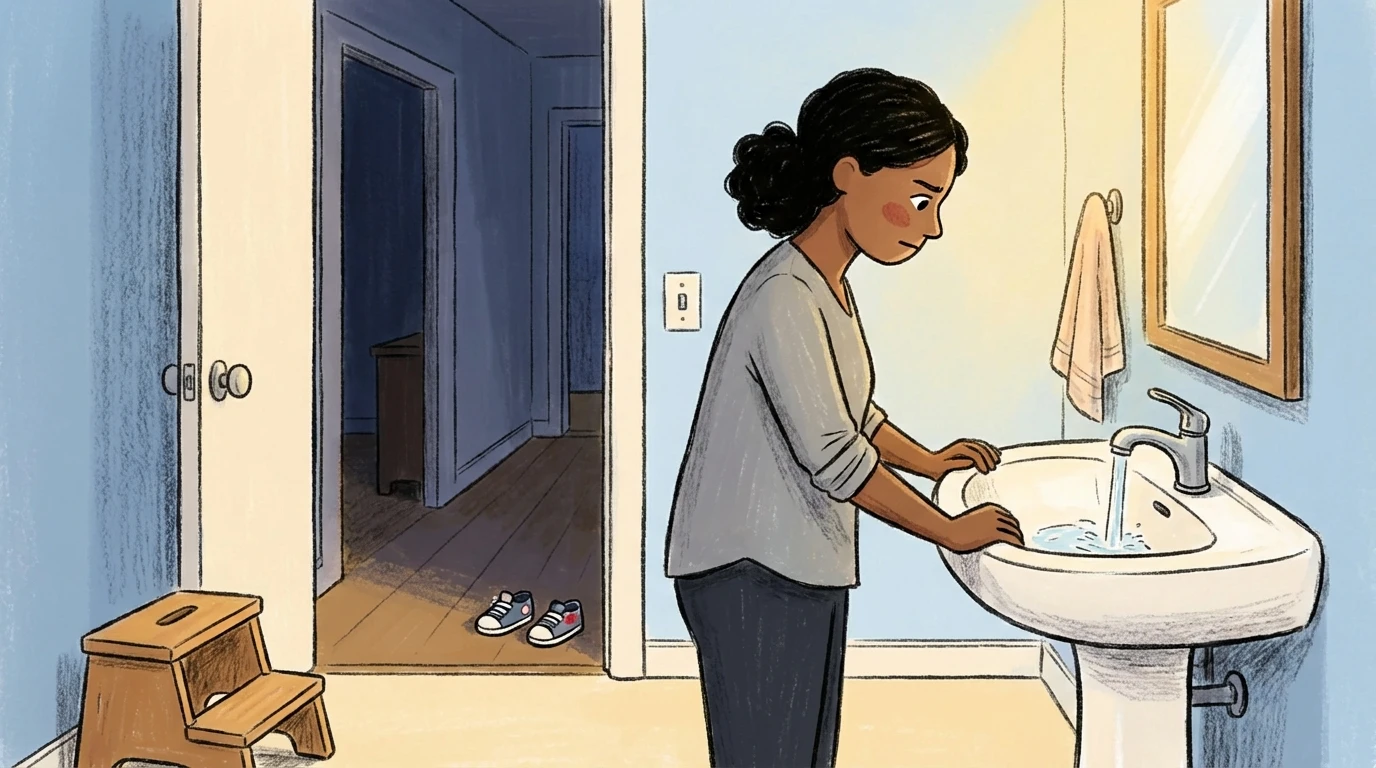
You just survived a twenty-minute meltdown. Your nervous system has been marinating in cortisol. Before you do anything with your child, check your own body.
Jaw clenched? Breathing shallow? That means you're still activated. Two dysregulated people trying to reconnect just creates another rupture.
Take sixty seconds. Step into the hallway. Breathe out longer than you breathe in. You're not abandoning your child. You're making sure you're capable of helping.
If you also lost your cool during the meltdown, deal with that first. A quick, honest apology: "I yelled, and I shouldn't have. I'm sorry." Your kid doesn't lose respect when you own your mistakes. They learn that grown-ups take responsibility.
Reconnect with your body, not your words
Your child just experienced something that felt like a threat to their nervous system. Before any teaching can happen, they need to know you're still there and you still like them.
Sit close. Offer a hug. Put a hand on their back. Physical proximity tells the nervous system "you're safe" in a way that words can't.
Some kids will crawl into your lap. Others will pull away. If yours pulls away, say "I'm right here when you're ready" and stay nearby.
When tears come back
Your child might burst into tears again when you reconnect. You apologize, you open your arms, and the waterworks restart.
Those tears are releasing the fear that built up during the conflict, the fear of losing you. Let them cry. This emotional discharge is part of the healing, not a sign you've made it worse.
Tell the story together
Once your child is really calm (not just quiet), help them name what happened. Narrate the meltdown like a picture book.
"You wanted to keep playing with the blocks. I said it was time for dinner. You got really mad. You screamed and threw the blocks. Then you cried for a while. And now you're sitting here with me, feeling calmer."
No judgment. No "and that's why we don't throw things." Just the sequence of events connected to the emotions that drove them.
This is emotion coaching in its most practical form. You're giving your child words for an experience they lived through but couldn't articulate. Over months, "I'm frustrated" will replace the thrown blocks.
The do-over: replaying the moment with a better script
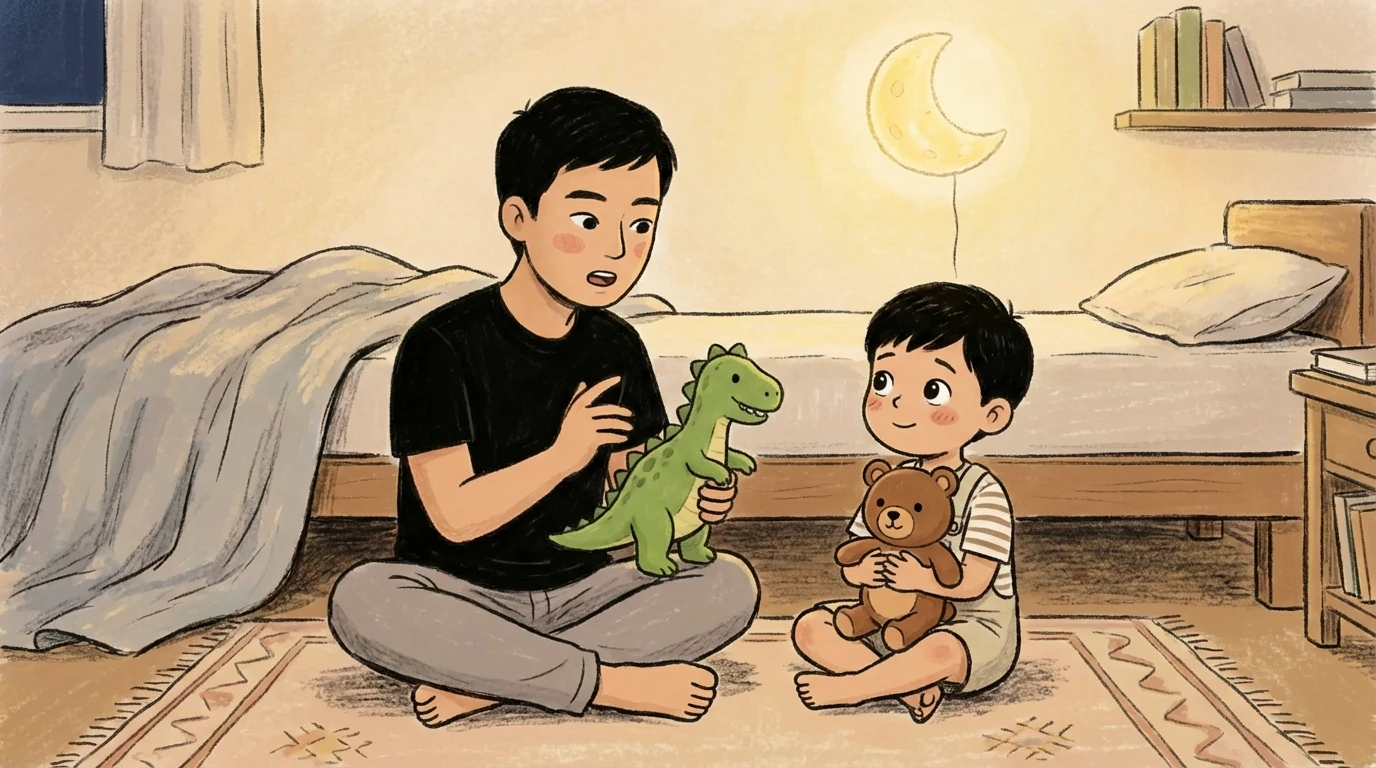
This technique sounds ridiculous until you try it. A do-over means you and your child physically reenact the situation that went sideways, except this time you both choose a better script.
"Let's pretend you just got home from school again. You walk in the door, and I'm going to ask about homework. But this time, let's try it a different way."
Why it works
Kids already understand pretend play. You're speaking their language. When they replay a conflict with a better ending:
- The new memory overwrites the old one. The warm reconnection becomes what they remember, while the details of the blowup fade.
- They practice the better version. Repeated practice makes the "good script" more automatic.
- They feel like co-authors, not offenders. You're inviting them to write a better story with you.
How to set it up
Keep it simple and specific. "I'll go back to the kitchen. You come through the front door. And this time, you can say 'Can I please have a snack before homework?'" Let your child add details. The more ownership they take, the more it sticks.
How to reconnect after a meltdown
- Regulate yourself firstBefore you approach your child, check your own body. If your jaw is tight or your breathing is shallow, take sixty seconds. Put your hands on the counter, breathe out slowly, and wait until your heart rate drops. You cannot offer calm you don't have.
- Reconnect physically before talkingSit near your child. Offer a hug or put a hand on their back. Physical proximity signals safety before any words can. If they pull away, say 'I'm right here' and wait. The body needs to feel safe before the brain can process.
- Name what happened togetherTell the story in simple language: 'You wanted to keep playing. I said it was time to stop. You got really upset.' This helps your child connect emotion to event and builds vocabulary they'll use next time instead of screaming.
- Try a do-overInvite your child to replay the moment with a better script. 'Let's pretend you just walked in again. What could we do differently?' The new version creates a positive memory that replaces the old one.
- Celebrate any small shiftIf your child calmed down faster than last time, or used a word instead of hitting, say so. 'You took a big breath by yourself. That was hard.' Naming progress reinforces the skills you're building.
When you need do-overs too often
If you're running through the repair sequence every day, pay attention. The do-over is a recovery tool, not a lifestyle.
Ask yourself: what's going on in my life that's making me lose it so often? Sleep deprivation, work stress, relationship strain, unresolved stuff from your own childhood. All of it shows up in how quickly your fuse blows.
A parent who apologizes to their four-year-old every evening has something upstream that needs fixing. Coaching, therapy, more sleep. Address the source rather than getting really good at the apology.
Creating a family signal
Once your child has seen a few do-overs, agree on a signal they can use when things start escalating. One family's kid started saying "Mom, is it time for a do-over?" whenever the parent's voice got tight. That's a child who has internalized repair and is using it to regulate the whole room.
The long game
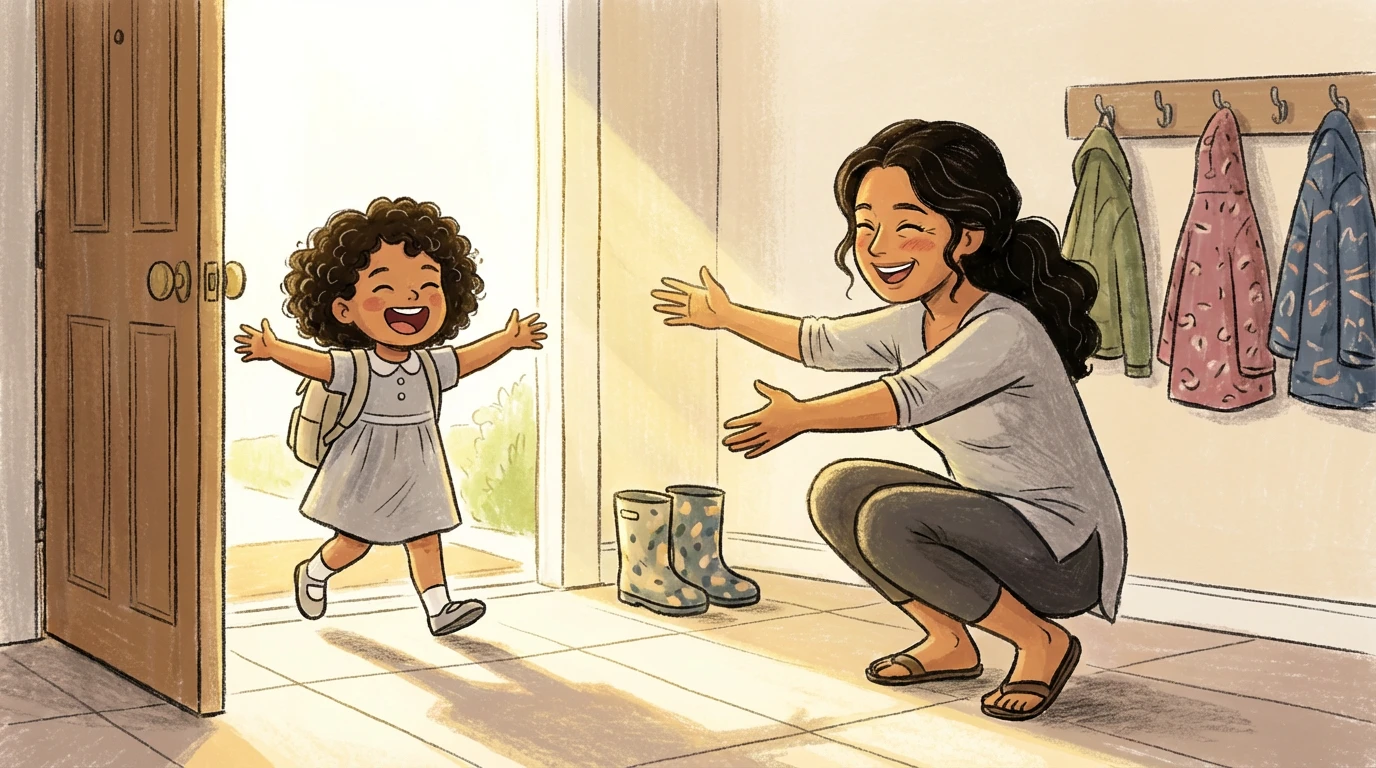
Every post-meltdown repair is a deposit. You're teaching your child that relationships survive conflict. That the people who love you come back and fix what broke. That making a mess doesn't define you, and cleaning it up is something you do together.
Kids who grow up with repair become adults who know how to apologize, reconnect after a fight, and sit with discomfort instead of running. Someone sat on the floor with them after the meltdown and said, "Let's talk about what happened."
You're building that someone right now.
FAQ
Wait until both of you are calm. For some kids, that's two minutes after the crying stops. For others, it's an hour later. Watch their body language. If they're still rigid or avoiding eye contact, they're not ready. Let them come back to you at their own pace.
Apologize first, before you try any repair with your child. Say what you did wrong, not what they did. 'I yelled, and that wasn't okay.' Your child doesn't lose respect for you when you own your mistakes. They learn that adults take responsibility too.
No. The boundary or expectation stays. A do-over replays the situation so both of you practice a better version. The homework still gets done, the toy still gets shared. What changes is how you got there, not whether you got there.
Don't push. Some kids process through play, not conversation. Try role-playing with stuffed animals or drawing pictures instead. If they shut down when you bring it up directly, that's their way of saying they need a different entry point.
Kids as young as four can start requesting do-overs once they've seen you model it enough times. By five or six, many children will initiate one without prompting. The skill transfers gradually. You'll notice them suggesting it with siblings before they use it with you.