TLDR
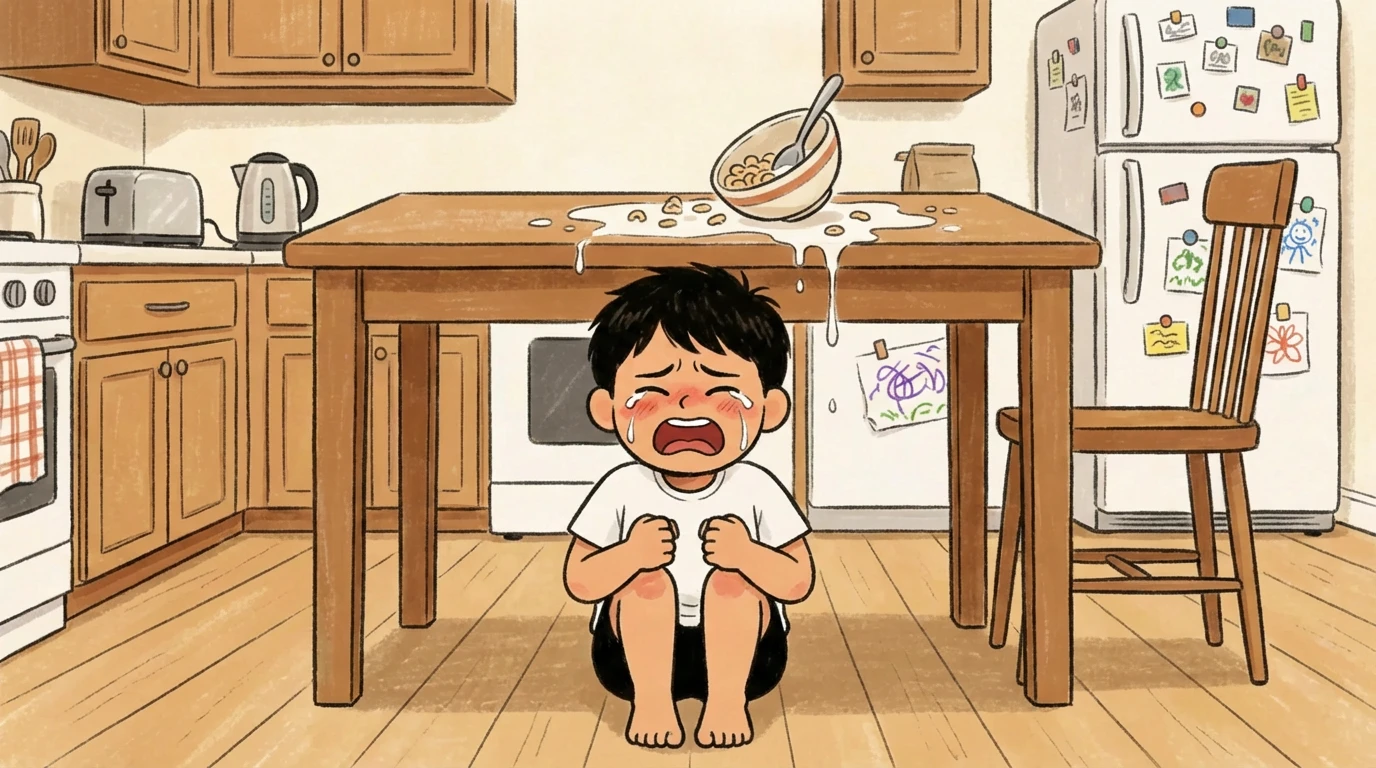
- Meltdowns past toddlerhood are not a parenting failure. The brain regions responsible for emotional control are still under construction until at least age seven, and for many kids, much longer. Frequent meltdowns signal a child who needs help building regulation skills, not a child who is broken.
- Anger almost always covers a deeper feeling. Fear, disappointment, hurt, or sadness sits underneath the rage. Until the deeper feeling gets acknowledged, the anger keeps cycling.
- Sending kids away to calm down backfires. Brain research shows children build self-soothing neural pathways by being soothed by someone else first. Isolation during distress skips the step they need.
- Co-regulation is the real skill transfer. When you stay calm and present during a meltdown, your child borrows your nervous system to build their own regulation capacity over time.
- Punishment makes explosive behavior worse. Adding shame and fear to a child already overwhelmed by difficult emotions intensifies the underlying problem rather than addressing it.
The five-year-old who still loses it
You thought you were past this. Your kid is in kindergarten now. They can read sight words, argue about tag rules, and explain in detail why bedtime is unfair.
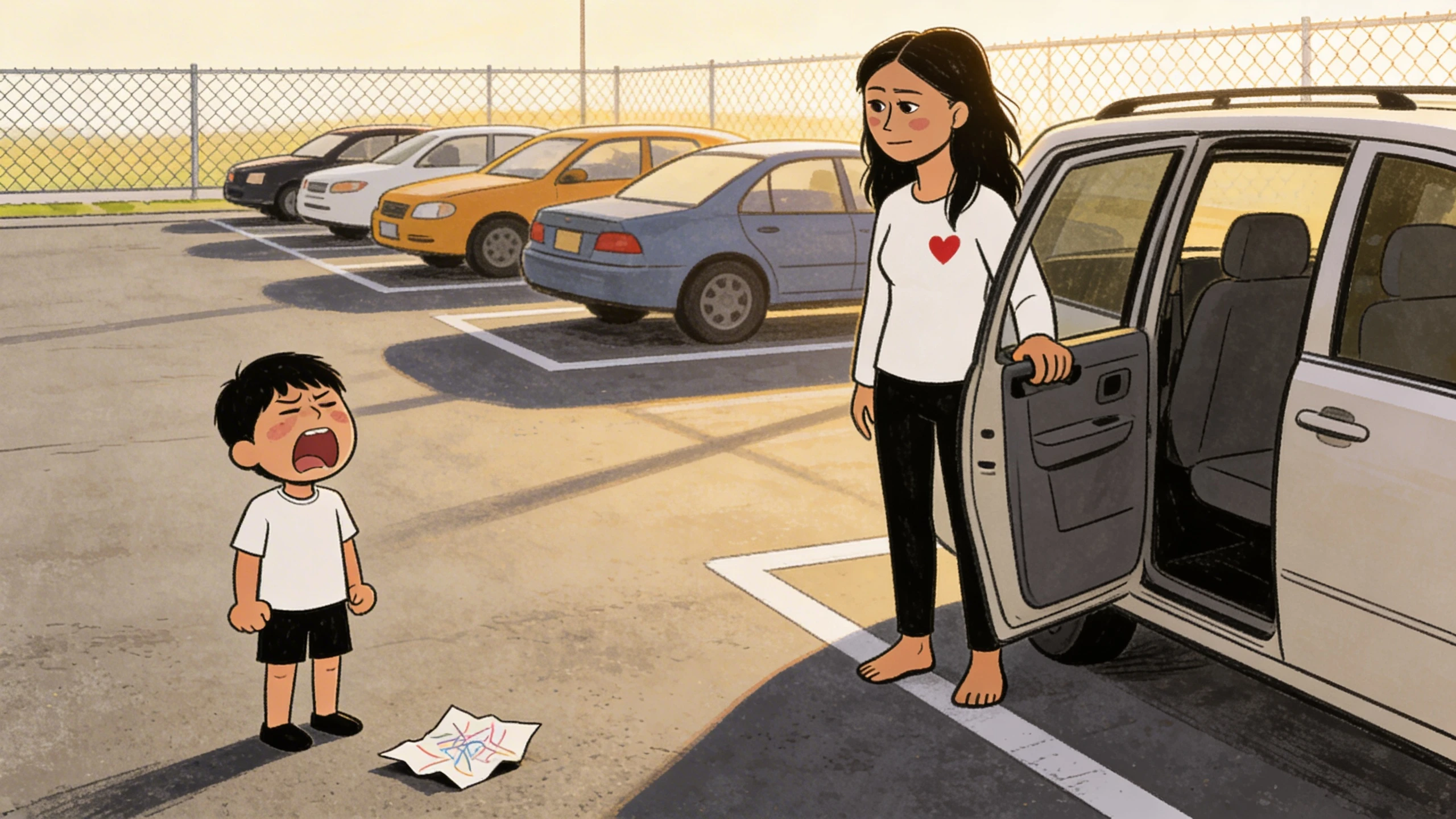
Then the wrong color cup shows up at dinner and your living room sounds like a crime scene.
If your child is five, six, seven, or older and still having full-body meltdowns, you are not dealing with a discipline problem. You are dealing with a brain still under construction. The prefrontal cortex, responsible for impulse control, emotional regulation, and the ability to not throw a shoe when things go sideways, keeps developing through the teen years. For highly sensitive kids who experience bigger meltdowns, that timeline runs even longer.
The uncomfortable truth: your big kid's tantrums may be completely age-appropriate, even if they feel like they should have stopped two years ago.
Still melting down at seven
The Tantrum Toolkit course will show you why older kids still lose it
You'll understand what's developmentally typical and adjust your response for a child who's outgrown toddler strategies.
What happens during a big-kid meltdown
The emotional backpack theory
Kids store up feelings all day. They hold it together at school, swallow frustration on the playground, and smile through things that bother them. By the time they get home, they carry a "backpack" of pent-up emotion.
Then something small happens (the wrong cup, a sibling's comment, a lost sock) and the backpack rips open. The meltdown is rarely about the trigger. It is about everything that came before.
This is why the reaction looks wildly disproportionate. Your child who over-reacts to minor setbacks is discharging accumulated stress, and the sock was the last straw.
Anger is almost never the real feeling
Underneath every explosive outburst is a more vulnerable emotion. Fear. Hurt. Disappointment. Sadness. Kids (and most adults) default to anger because it feels powerful. The feelings underneath feel terrible.
A seven-year-old who punches a pillow because his sister got more screen time is hurt that things feel unfair. He is scared he matters less. He cannot name any of that, so it comes out as rage.
Until you get to the feeling underneath the anger, the anger keeps cycling. This is why "calm down" never works. You are asking the child to stop the defense before they have dealt with what they are defending against.
Why the standard playbook fails
Most parents try three things: sending the kid to their room, lecturing about appropriate behavior, or punishing the outburst. None work for persistent meltdowns.
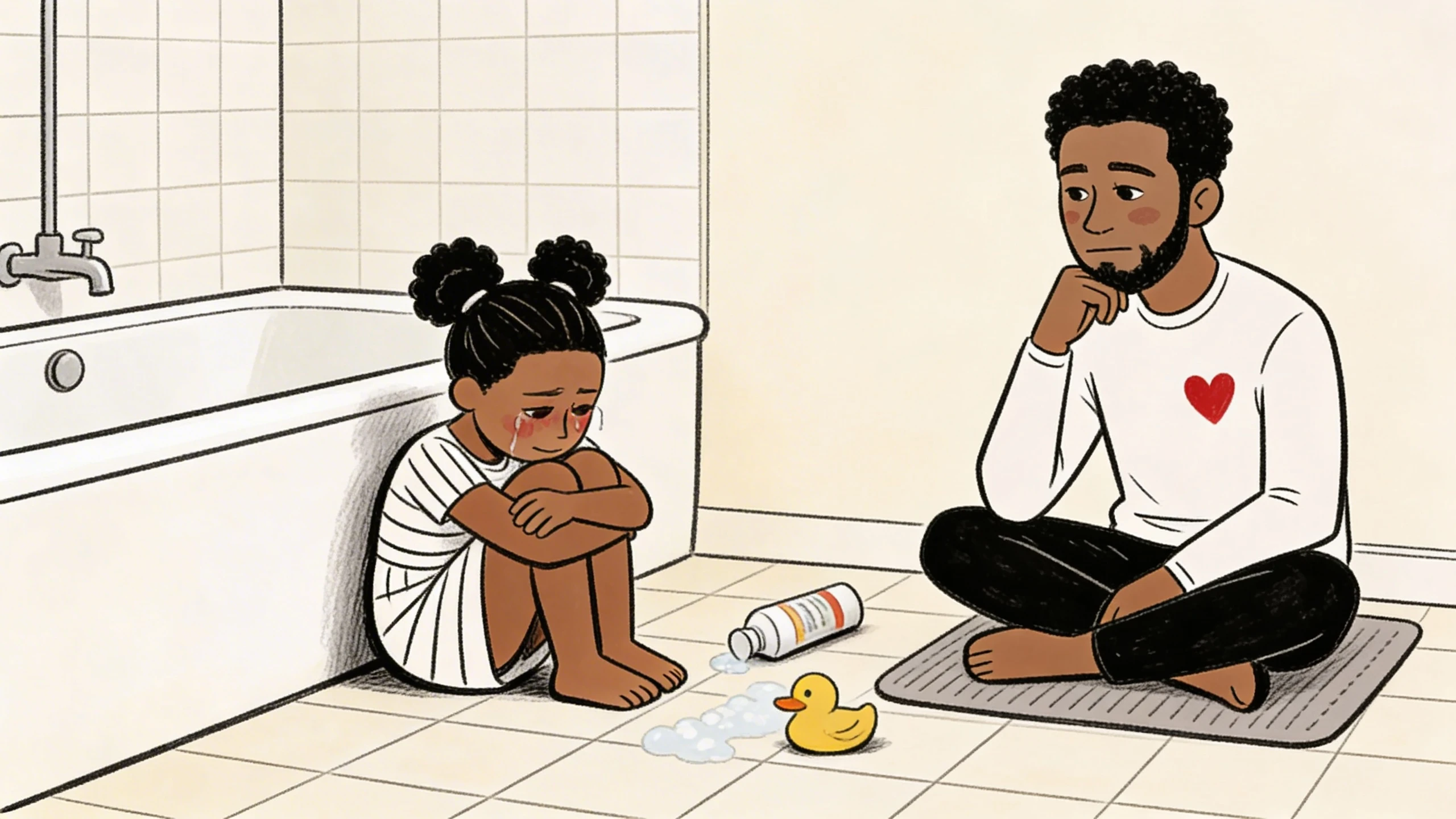
Isolation skips the step they need
Brain research on co-regulation shows that children develop self-soothing neural pathways by first being soothed by someone else. A child sent to their room mid-meltdown is being asked to use a skill they have not built yet.
Kids who were left to figure it out alone in infancy, or who are wired with high sensitivity, often arrive at school age without this internal regulation network. They are not choosing to melt down. They have not built the circuitry to do otherwise.
Punishment adds fuel
When you punish a child for losing control, you add shame and fear to someone already drowning in difficult emotions. More bad feelings in a kid who cannot handle bad feelings produces worse behavior, not better.
This is the cycle: the kid acts out, the parent punishes, the kid feels worse, and acts out harder because they now have even more unbearable feelings to discharge.
Lectures miss the window
You cannot reason with a child whose emotional brain has taken over. The rational brain is offline during a meltdown. Save the teaching for later when everyone is calm and the child can absorb it.
What to do instead
How to respond to a big-kid meltdown
- Regulate yourself firstTake a slow breath before you do anything. You cannot offer calm to your child if you are dysregulated yourself. Remind yourself: this is not an emergency, and nothing they say right now is personal.
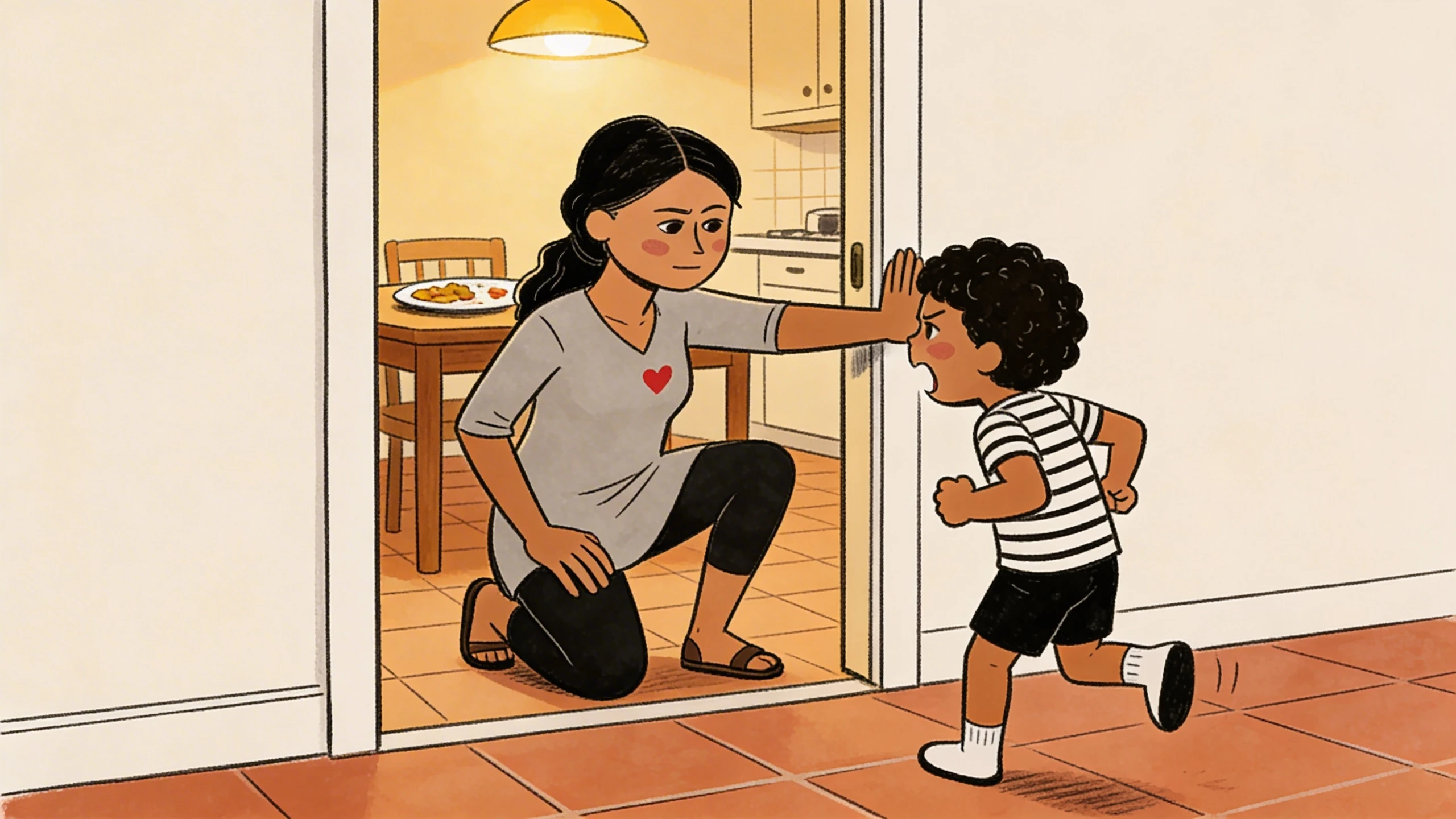
- Stay physically presentDo not send them away. Move close without crowding. Your presence is the container they need. If they are aggressive, keep yourself safe by holding their hands gently or moving just out of range, but do not leave the room.
- Name what you see, not what you wantSay 'You are so upset right now. You really wanted that and it feels terrible that you cannot have it.' Avoid 'Stop crying' or 'Calm down.' Reflect the feeling, not the behavior.
- Get underneath the angerOnce you have acknowledged the surface feeling, go deeper: 'I wonder if you also feel sad about this. Or maybe scared.' When you name the vulnerable feeling, the anger often shifts to tears. Let the tears come.
- Wait for the shiftAfter a child cries through the deeper feeling, something changes. Their body relaxes. They become cooperative, sometimes affectionate. The emotional system finally got to complete its cycle, and you can see it in the way their whole body softens.
- Reconnect before you redirectOnce calm returns, offer a hug. Say 'That was hard. I am glad we got through it together.' The lesson about behavior can wait until tomorrow. Right now, the relationship matters more than the lecture.
The boundary question
None of this means you let your kid hit you, scream obscenities, or destroy property without consequence. Boundaries and empathy are not opposites. They work together.
The script sounds like this: "You can be as angry as you need to be. But you cannot hit me. I will hold your hands to keep us both safe. I am not going anywhere."
Or for the older kid: "I hear that you are furious. You still cannot throw things. You can punch the couch cushion, stomp your feet, or tell me exactly how angry you are with words. But throwing is off limits."
What firm-but-present boundaries teach
When you hold a boundary without punishing, you send a message worth more than any consequence: I can handle your biggest feelings. You are not too much for me. Someone is keeping you safe, even from your own rage.
Kids who feel their anger could overwhelm the adults around them get more anxious, not less. They need to know someone bigger is in charge and will not crumble.
When to pay closer attention
A meltdown here and there, especially after a long day, is standard for kids under ten. But some patterns deserve attention.
If meltdowns happen daily, escalate in intensity, or involve aggression your child cannot pull back from even with support, look deeper. Some kids have sensory processing differences, ADHD, or other neurological factors that make regulation harder than temperament alone explains.
If consistent co-regulation over several months produces no improvement, or if the severity has you genuinely worried, talk to your pediatrician or a child psychologist. An evaluation gets your kid the right help.
The long game
The fix is not fast. If your child missed early opportunities to build regulation through co-regulation (because of temperament, circumstances, or just the chaos of life), you are building those neural pathways now. That takes months, not days.
But every meltdown you sit through with calm presence is a deposit in the bank. Each one builds the circuitry your child needs. Between meltdowns, you will start seeing a calmer kid, a sweeter kid, a kid who trusts you more because you showed up when it was hard.
The intensity that makes your child's tantrums so exhausting is the same intensity that will make them passionate and deeply caring when they grow into it. Your job is to sit in the storm until their brain catches up to their heart.
FAQ
There is no hard cutoff. Most children see a significant decrease in frequency and intensity between ages seven and nine as the prefrontal cortex matures. But even older kids and teens can have occasional meltdowns under extreme stress. The goal is fewer, shorter, and less intense over time, not zero.
No. Co-regulation is how children build the brain circuits for self-regulation. You are teaching the skill that will eventually replace the tantrum. Children who are consistently supported through meltdowns have fewer of them over time, not more.
Stay close but keep yourself safe. Hold their hands gently if they are hitting, or move just beyond arm's reach. Say clearly that hitting is not allowed while affirming that their feelings are. Offer alternatives like punching a pillow or stomping. Do not leave the room, as aggression often escalates when kids feel abandoned.
Occasional meltdowns at eight are within the normal range. Frequent meltdowns over minor triggers signal your child needs more help building emotional regulation. Start with consistent co-regulation at home, and if you do not see improvement over a few months, consult a child psychologist to rule out sensory or neurological factors.
Expect a rough first week or two as your child tests whether it is truly safe to show you all their feelings. After that initial wave, most parents notice a calmer baseline within a few months of consistent empathic responses during every upset, not just the big ones.