TLDR
- Physical tantrums are a stress release, not a character flaw. Toddlers and young children lack the brain wiring to regulate intense emotion. Head-banging, throwing, and hitting are their nervous system's overflow valve.
- Under the anger is always something softer. Fear, sadness, or disappointment drives the aggression. When the child feels safe enough to access those feelings, the hitting stops on its own.
- Ignoring or punishing makes it worse. Timeouts and walking away add disconnection on top of the original distress, which doubles the child's need to escalate.
- Block the harm, stay in the room. Move out of range or gently hold their hands. Set the limit on hitting without removing your presence.
- The tears after the rage are the whole point. When a child finally sobs in your arms, they're releasing the stored-up emotion that was fueling the aggression. Behavior improves after this release.
What's happening in your child's brain
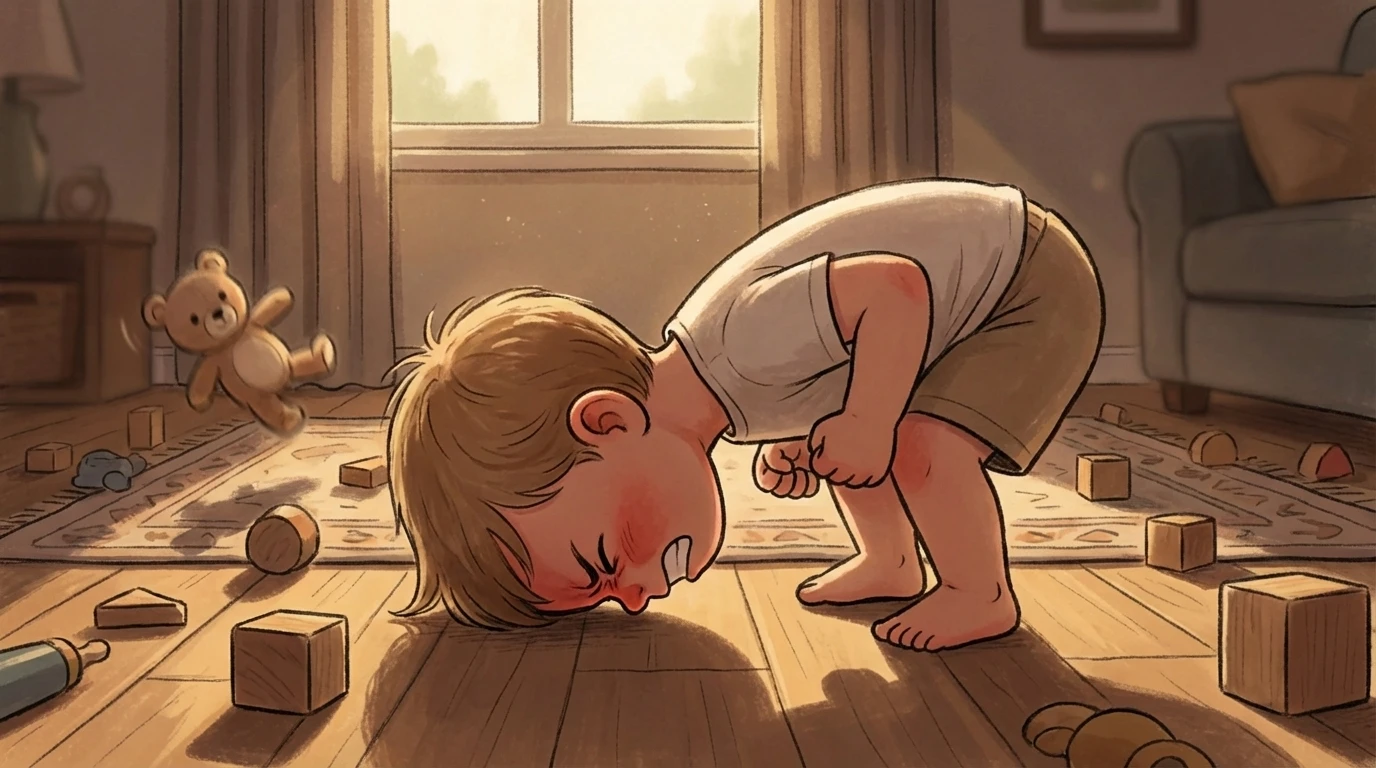
Your kid just whipped a shoe across the room or started slamming their forehead into the floor, and your first thought is what is wrong with my child. Fair. The answer is less alarming than the behavior suggests.
The prefrontal cortex, the part of the brain that handles impulse control, is under construction until roughly age seven. Your child can no more stop themselves mid-head-bang than you can stop yourself from flinching when someone throws a ball at your face. The reaction is faster than the thinking.
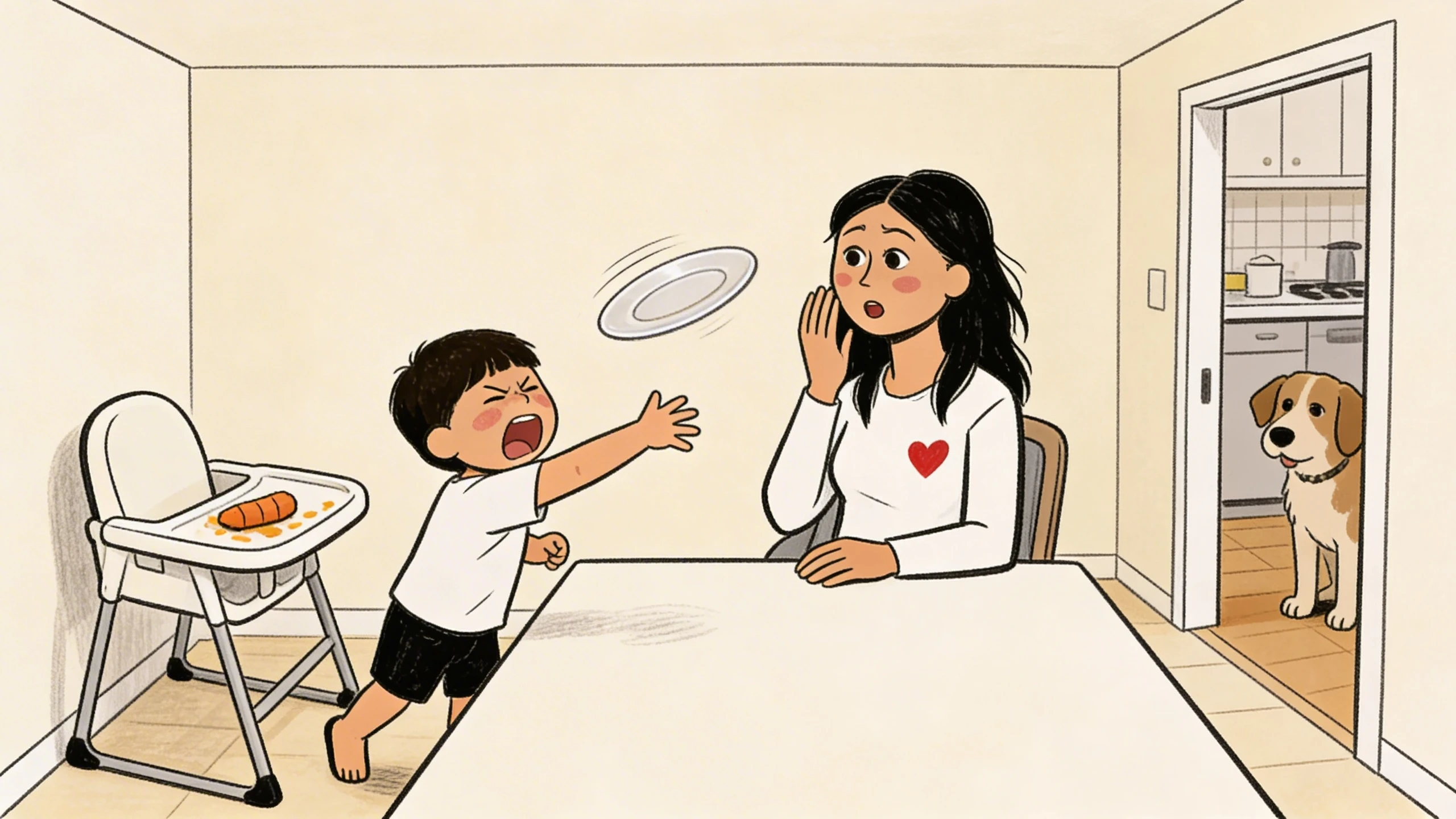
Tantrums exist for a biological reason. Young children can't put overwhelming feelings into words yet, so the feelings come out physically. Throwing, banging, hitting: the body's version of screaming "I can't handle this" when the mouth doesn't have the vocabulary. As language develops, the physical intensity fades. Right now, your child's nervous system is doing the only thing it knows how to do.
Head hitting the floor
The Tantrum Toolkit course will teach you to stop self-harm during meltdowns
You'll intervene physically without escalating the rage, keeping your child safe and yourself steady.
The feelings hiding behind the fists
Here's where it gets counterintuitive. The rage on the surface, the flailing arms, the head meeting the floor, is a defense mechanism. Underneath the anger is almost always something vulnerable: fear, sadness, disappointment, or hurt.
Your child's brain detects a threat (they can't have the thing, they failed at the task, they lost the connection with you). The threat triggers the fight response. Hitting and throwing are fight mode. The softer feelings feel too exposed, so the body goes to battle instead.
This is why you'll sometimes see a child lash out physically at a parent or sibling and then, minutes later, collapse into heaving sobs. When a child finally reaches the tears, the hitting stops. That's the shift you're working toward.
Why walking away backfires
The conventional advice is to ignore tantrums. Walk away. Don't reward the behavior with attention. Sounds logical. It's wrong.
When you leave a child alone during a physical meltdown, you double their distress. The original frustration is still there, and now they've also lost their connection to you. The tantrum doesn't de-escalate. It gets louder and more physical, because the child is panicking about the disconnection on top of everything else.
Timeouts operate on the same broken logic. Research shows they worsen behavior over time because they erode the parent-child relationship, and that relationship is the only real influence you have. A child who feels cut off during their worst moments learns that their biggest feelings make them unlovable.
This doesn't mean you give in to whatever demand triggered the meltdown. Don't hand over the candy. Don't cancel the boundary. The limit stays. Your presence also stays. Those two things can coexist.
How to respond when it turns physical
Block the harm without blocking the feelings
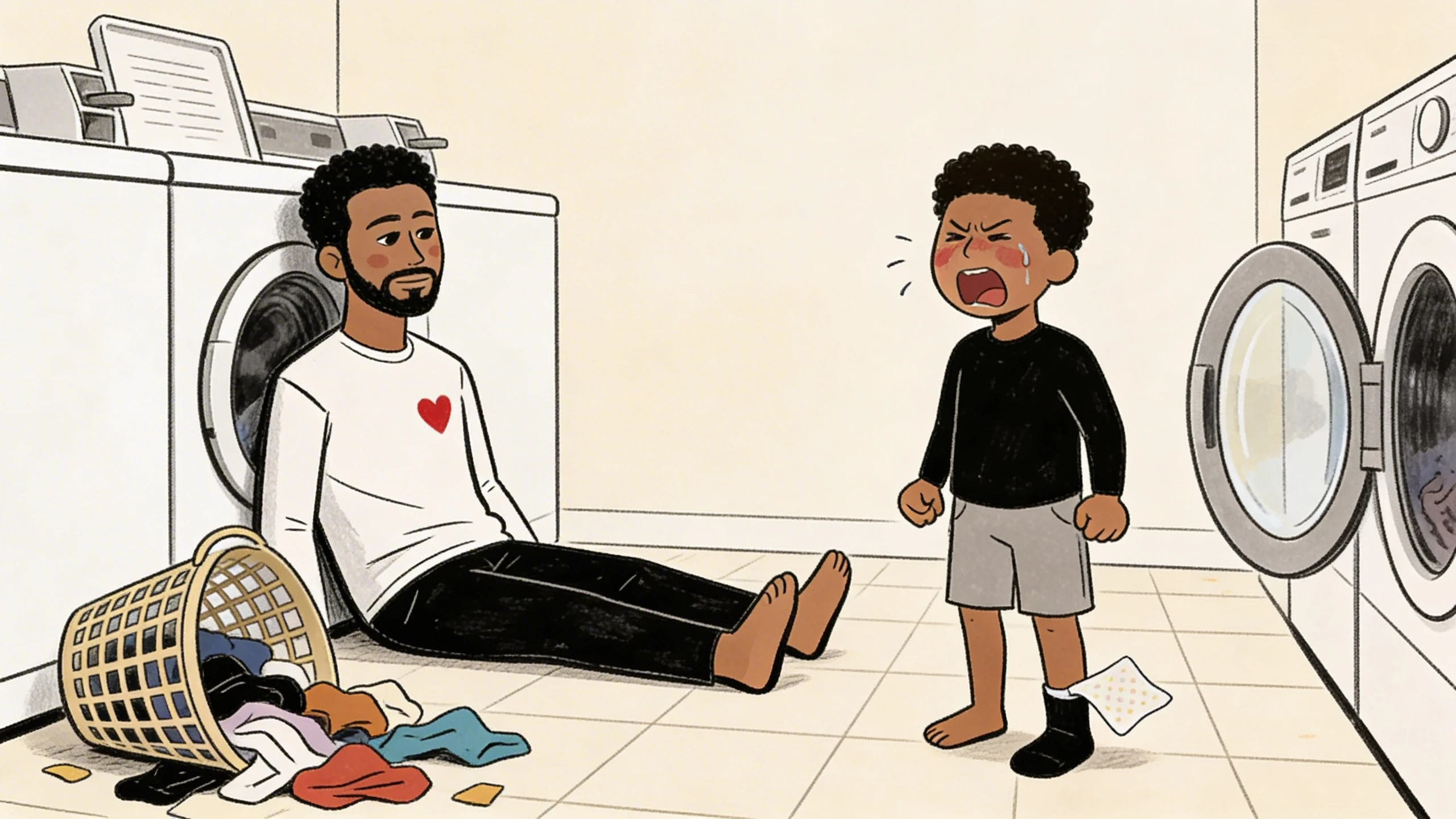
If your child swings at you, move out of reach. If they follow you to keep hitting, gently hold their hands. Say something short: "I won't let you hit. I'm staying right here." No lecture. No explaining why hitting is wrong (they know, they just can't access that knowledge right now).
Protect yourself, but don't leave the room. Put your glasses somewhere high. Keep your face out of range. The goal is to be a wall, not a target and not an absence.
Name what you see, then stop talking
One or two sentences of acknowledgment go further than a paragraph of reasoning. "You're so mad you can't have that. I get it." Then quiet. A child in emotional flooding cannot process verbal information. Every additional sentence is noise. Your presence does the work.
Let the tears come
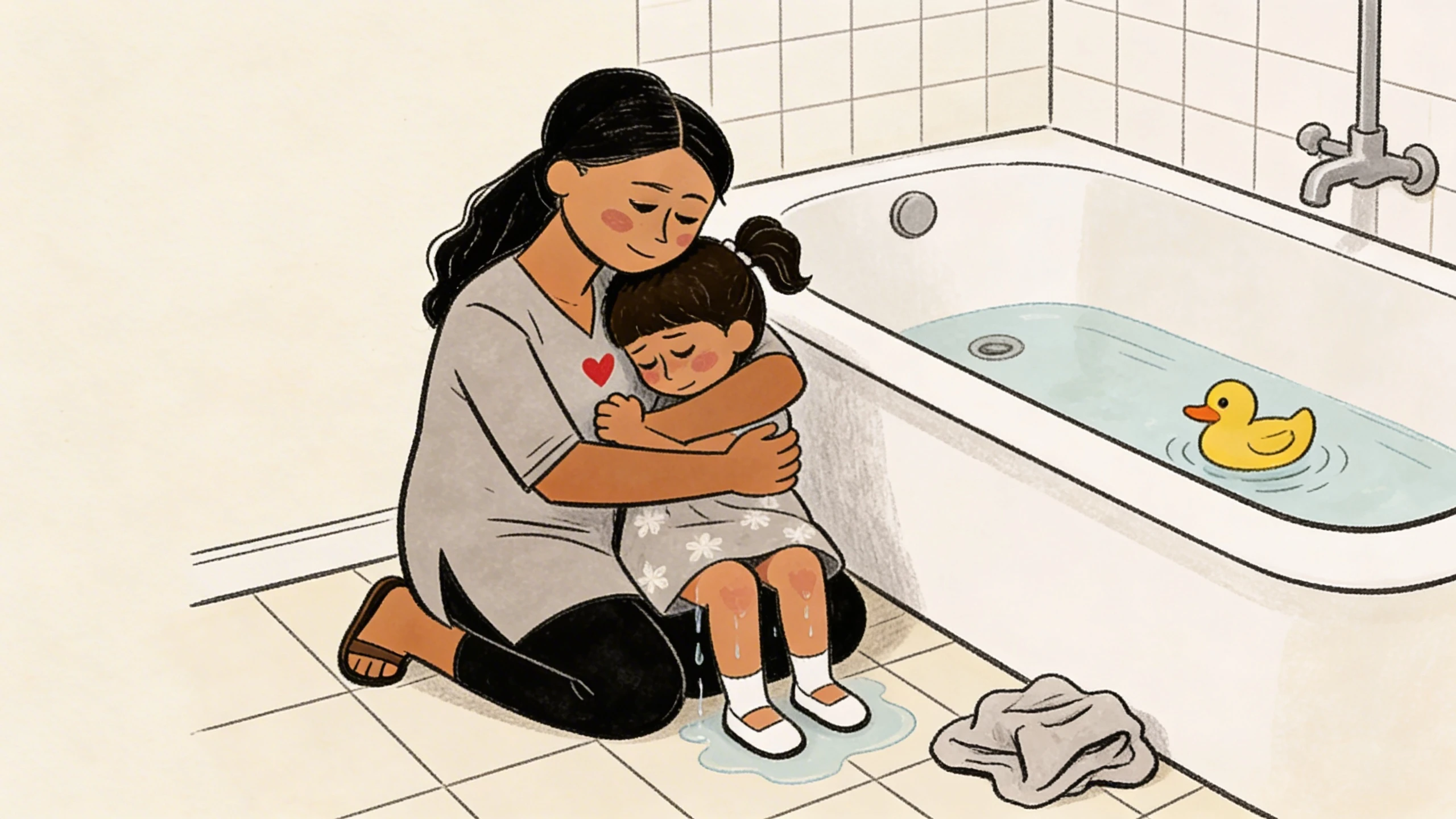
If you've stayed close and kept the boundary, something will shift. The rigid body will soften. The fists will unclench. The screaming will give way to sobbing. This is the moment that matters most.
Hold them if they'll let you. If they won't, stay nearby. Don't say "it's okay" or try to cheer them up. The crying is doing the work, releasing the fear and sadness that was powering the aggression.
After a full emotional release, most children become noticeably calmer, more cooperative, and more affectionate. The stored-up pressure has been discharged.
How to handle a physical tantrum safely
- Move yourself out of rangeStep back so you can't be hit. If your child follows, gently hold their hands and say 'I won't let you hit.' Keep your tone flat and steady, not angry.
- Stay in the roomLeaving increases panic. Sit down nearby. Your physical presence communicates safety even when your child is screaming at you to go away.
- Name the feeling onceSay something like 'You're so mad about this.' One sentence. Then stop talking. Emotional flooding blocks verbal processing, so more words won't help.
- Protect without punishingPut breakable items out of reach. If your child is head-banging, slide a pillow underneath. Set physical limits without adding shame or threats.
- Wait for the shift to tearsThe anger is a shell around softer feelings. When your child finally cries, that's the release they needed. Hold them or sit close until the sobbing winds down.
- Reconnect after the stormOnce they're calm, keep it simple. A hug, a glass of water, a quiet moment together. No post-mortem lecture. The connection is the lesson.
When "go away" doesn't mean go away
Your child screaming "GO AWAY" mid-meltdown is confusing. They sound like they want space. Most of the time, they want the opposite.
Take one step back and say: "I'm moving back a little. But I'm right here. I'm not leaving you alone with all these big feelings." Nine times out of ten, a child who screams "go away" will come to you within minutes once they feel the choice is genuinely theirs.
If your child consistently wants distance during meltdowns, sit across the room. Stay visible. The point is that they know they're not abandoned.
What to watch for
Most physical tantrums, even the scary-looking ones, are developmentally normal. Head-banging, throwing objects, and hitting during meltdowns are your child's nervous system doing its best with limited tools.
But some patterns are worth discussing with your pediatrician. If the physical behavior is happening outside of emotional meltdowns, if your child hurts themselves without any emotional trigger, or if the intensity isn't decreasing over months of consistent response, bring it up.
Watching your child slam their head into the floor triggers a specific kind of parental terror. If your child's distress is activating your own rage or panic, pay attention to that. You can't be the steady presence your child needs if your own nervous system is in crisis. Getting support for yourself is part of the strategy.
The difference between sensory-driven and frustration-driven physical behavior
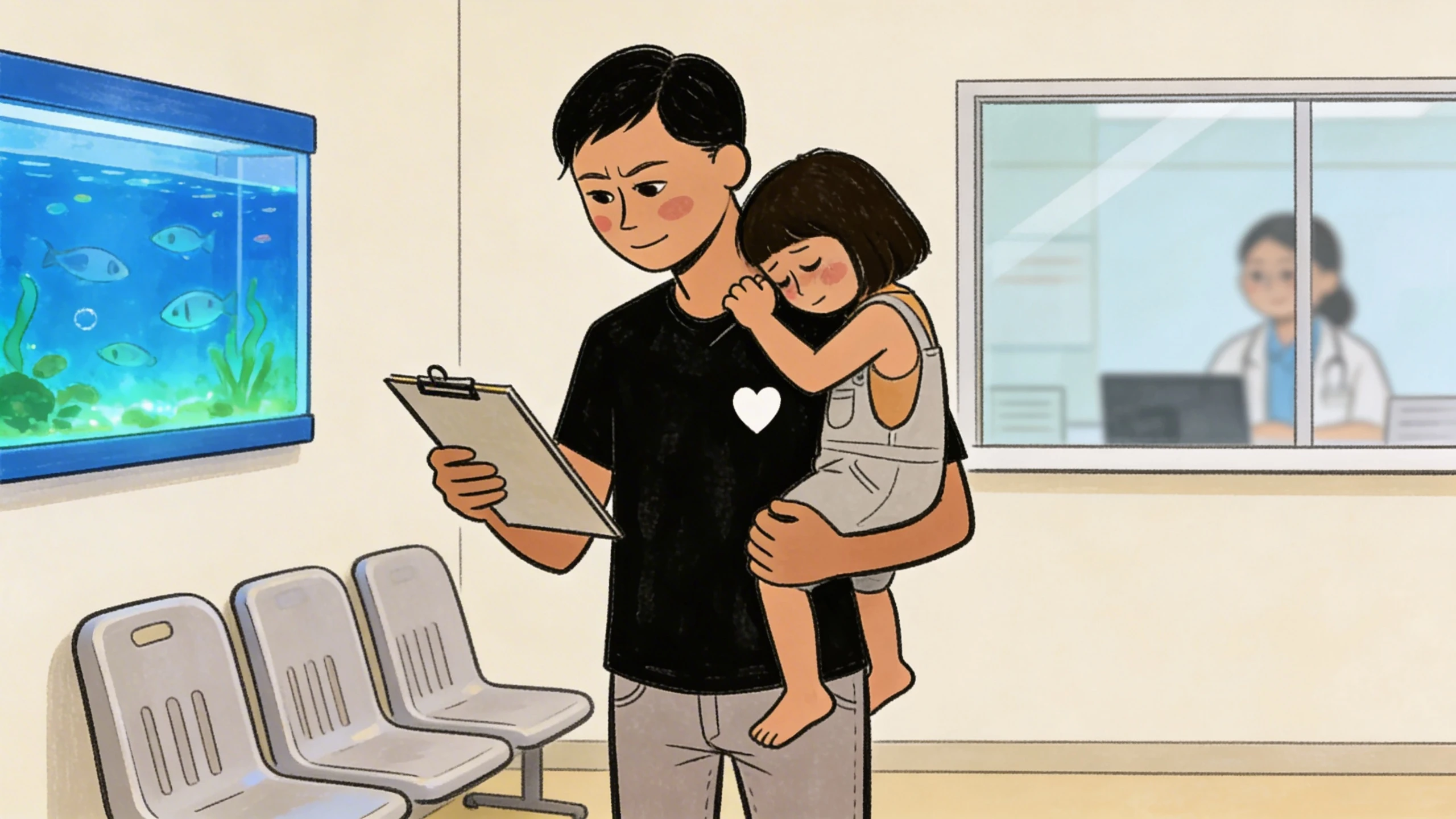
Some children throw and hit because they're emotionally overwhelmed. Others engage in repetitive physical behavior, like head-banging or hand-biting, because of sensory processing differences. Frustration-driven aggression resolves when the child accesses the vulnerable emotion underneath. Sensory-driven repetitive behavior may need environmental adjustments or occupational therapy input.
A rough guide: if the physical behavior happens during emotional meltdowns and stops once your child calms down, you're dealing with the frustration pathway. If it happens at random times or seems disconnected from emotional context, explore the sensory angle.
Prevention is boring but real
Two unglamorous strategies reduce the frequency of physical meltdowns. Daily roughhousing and laughter (wrestling, chasing games, pillow fights) change your child's body chemistry and shrink the background anxiety that makes meltdowns more likely. And connection deposits throughout the day, five minutes of undivided attention here, eye contact when they talk to you, mean your child doesn't need to escalate to get your attention.
FAQ
Most toddlers who bang their heads during meltdowns do not injure themselves seriously. They typically stop before causing real harm. Slide a pillow underneath if you can. If you notice bruising, swelling, or head-banging outside of emotional meltdowns, talk to your pediatrician.
Only enough to prevent injury. Gently hold their hands if they're hitting you, or guide them away from hard surfaces. Full-body restraint can increase panic. The goal is minimal, calm physical limits while staying emotionally present.
No. Giving attention during meltdowns does not increase tantrums as long as your child also receives connection during calm moments. You're teaching them that their hardest feelings don't make them unlovable, which is what reduces tantrums long-term.
Physical intensity in tantrums typically peaks between ages two and four and decreases as language and emotional regulation develop. By age six or seven, most children have other outlets. If physical aggression persists or worsens past age five, it's reasonable to consult a professional.
Because you're the safest person in their world. Children hold it together where they feel less secure and fall apart with the person they trust most. It's a backwards compliment. The fact that they save their worst for you means your attachment is strong.