
TLDR
- Meltdowns broadcast before they detonate. A change in voice pitch, rigid posture, clenched fists, or sudden stillness. These are your two-minute warning. Learn to read them and you buy yourself a window.
- Predictable routines are meltdown insurance. When a child knows what comes next, their nervous system stays calmer. Surprises and sudden transitions are the top triggers you can control.
- Connection before the hard moment prevents it. Ten minutes of roughhousing or one-on-one play fills your child's emotional tank so they have more capacity when something goes sideways.
- A small choice can reroute the whole spiral. Offering two acceptable options returns a sense of control to a child who feels powerless. The meltdown loses its fuel.
- Playfulness bypasses resistance faster than logic. A silly voice or a made-up game shifts attention away from the trigger. You cannot reason a toddler out of dysregulation, but you can redirect them into a penguin walk.
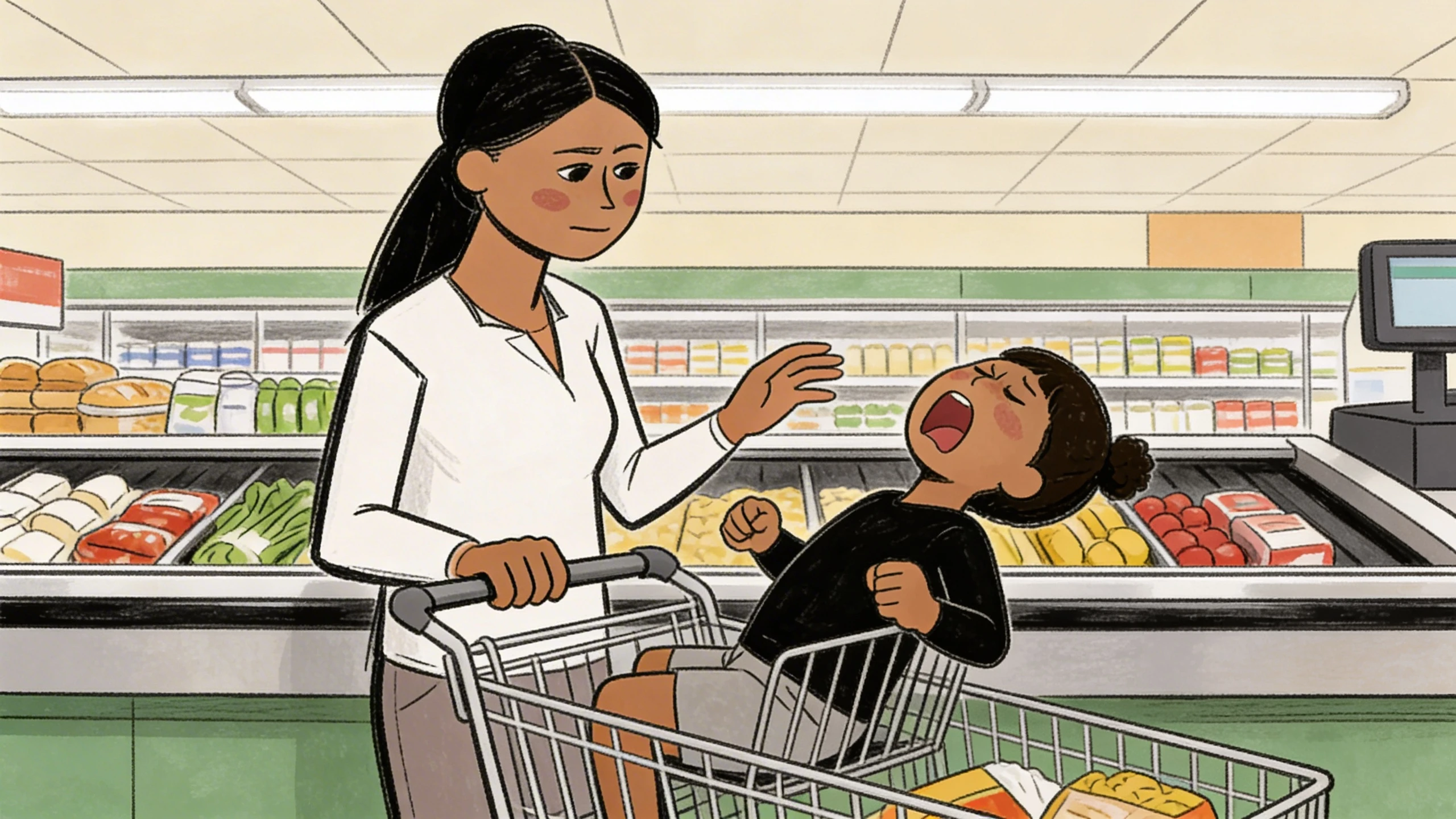
The two-minute warning most parents miss
Your kid is fine. Playing, chattering, doing their thing. And then, seemingly out of nowhere, they're on the floor screaming about the color of their cup.
Except it wasn't out of nowhere. There was a signal. Maybe several. The problem is that most parents don't recognize the warning signs until after the meltdown has already started. By then, the prefrontal cortex has gone offline and you're managing a crisis instead of preventing one.
The signals vary by kid, but the common ones look like this:
- Voice gets higher, faster, or louder
- Body stiffens or movements become jerky
- Sudden clinginess or pulling away
- Repeating the same demand with increasing urgency
- Eyes glazing over or losing focus
When you spot one, you have a window. Small, but real. What you do in that window determines whether the next ten minutes involve screaming or a smooth redirect.
The lip starts quivering
The Tantrum Toolkit course will teach you to catch the warning signs early
You'll spot the pre-meltdown cues and intervene before the tantrum fully ignites.
Why prevention beats intervention every time
Here's the math. A meltdown in progress takes ten to twenty minutes of everyone's emotional energy to get through. A well-timed redirect takes thirty seconds. Prevention is less work, less noise, and less cortisol for everyone involved.
The catch: prevention requires paying attention before things go wrong. Which is hard when you're making dinner and refereeing a dispute about who had the dinosaur first.
But the patterns are learnable. Most meltdowns fall into predictable categories, and once you know your child's triggers, you can plan around them the way you plan around nap time. A hungry toddler at 5 PM is a ticking bomb. That's prevention thinking.
The triggers you can predict
Three categories cover most toddler meltdowns:
- Transitions. Leaving the park, turning off the show, stopping play for dinner. Any shift from a preferred activity to a less preferred one. The late afternoon hours are transition landmines because everything stacks: tiredness, hunger, overstimulation.
- Sensory overload. Too much noise, too many people, too long in a store. Kids who are prone to sensory overwhelm hit their limit faster and harder. The signal is usually withdrawal or agitation before the explosion.
- Powerlessness. Being told "no" four times in a row. Having things done to them (getting dressed, buckling in) without warning. Feeling invisible while adults talk. A child who feels like they have zero control over anything will grab control the only way they know how.
Once you identify which category your child's meltdowns usually fall into, you can set up the environment to reduce the triggers before they fire.

The prevention toolkit
How to prevent a meltdown before it starts
- Build predictable routinesTell your child what's coming before it happens. 'After this show, we put on shoes.' Previewing transitions reduces the shock that triggers meltdowns. Use the same sequence daily so the routine does the work.
- Front-load connection timeTen to fifteen minutes of roughhousing, chasing, or focused one-on-one play fills your child's emotional tank. Do this before any situation that requires sitting still or cooperating. A connected child tolerates more.
- Offer choices before the demandGive two acceptable options before the moment of conflict. 'Red shoes or blue shoes?' returns a sense of control and bypasses the power struggle entirely.
- Name the feeling earlyWhen you see the warning signs, narrate: 'You look frustrated that we have to leave.' Giving the feeling a name before it peaks teaches your child to recognize it too. This builds the vocabulary they need to eventually say it instead of scream it.
- Redirect with playA silly voice, a made-up challenge, or a race to the car shifts attention away from the trigger. Playfulness is a toddler's native language. Use it before logic, which they cannot process when they are escalating.
Routines are doing the heavy lifting
When your child knows what comes next, their nervous system stays regulated. Predictability is the most underrated meltdown prevention tool you have. The kid who melts down when the show ends is upset because they didn't know it was about to end.
Preview every transition. "Two more minutes, then shoes." "After dinner, bath time." "When the timer goes off, we leave the playground." You will feel like a broken record. That's the point. The repetition builds an internal structure your child can lean on.
Proactive limits work the same way. When a child knows the boundary exists before they hit it, the collision is softer. "We're going to Target and we are not buying toys today." State it in the car. State it again walking in. The boundary becomes a fact of the environment, like gravity. Still disappointing, but predictable.
Connection as a preventive deposit
A child who feels connected to you can tolerate more frustration before tipping over. Think of it like a bank account. Every minute of focused, one-on-one attention is a deposit. Every "not now," every ignored bid for attention, every distracted "uh-huh" while scrolling is a withdrawal.
Fifteen minutes of roughhousing before a restaurant, a car ride, or a family dinner can double how long your toddler handles sitting still. The physical play releases tension and fills the movement need before the child gets stuck in a chair. It also generates laughter, which releases the same feel-good hormones that counteract stress.
Think of it as preventive maintenance. The same way you wouldn't skip an oil change and then be shocked when the engine seizes.
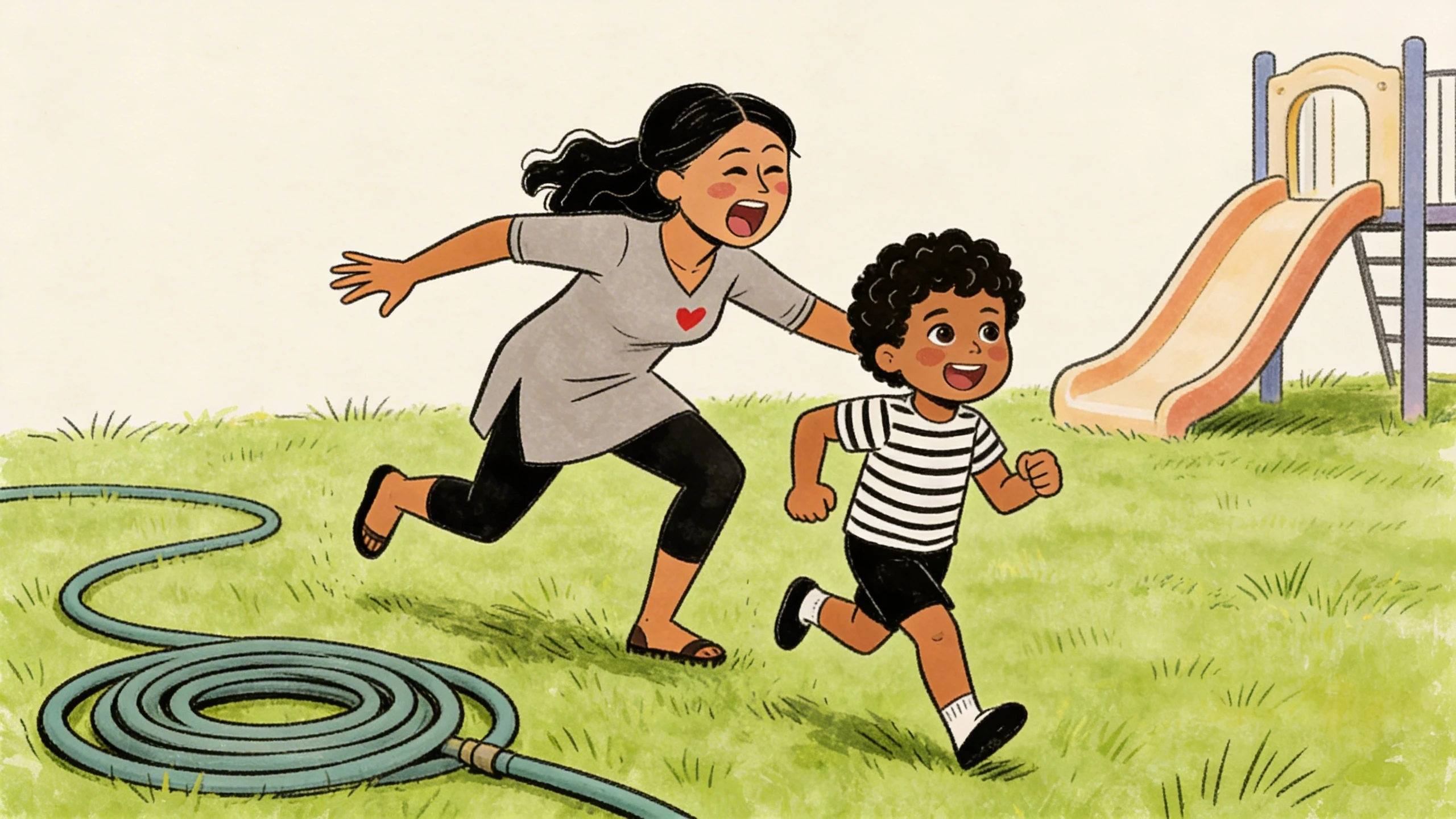
When you spot the warning signs: what to say
You've seen the stiffening jaw. The pitch change. The repeated "but I want it" getting louder. Here's your thirty-second playbook.
Option one: name what you see. "Your body looks tense. Are you feeling frustrated about leaving?" Teaching kids to identify their emotions by name builds the wiring they'll need to say "I'm mad" instead of throwing a shoe. It also tells them you're paying attention, which is often all they needed.
Option two: offer a choice. "We have to leave the park. Do you want to race me to the car or ride on my shoulders?" The limit stays. The meltdown loses its fuel because the child has something to decide.
Option three: go playful. "Oh no, I think the car is hungry. Should we feed it a passenger? Quick, before it starts honking." You cannot reason a toddler out of a rising meltdown, but you can redirect them into a silly game. Playfulness shifts their attention off the trigger and onto something fun.
What not to do
- Don't reason or explain. "We have to leave because it's getting dark and dinner is almost ready and we need to..." Stop. Too many words overload a system that's already heating up.
- Don't threaten. "If you don't come right now, no dessert." Threats require cause-and-effect processing. A child on the edge of dysregulation can't do that math.
- Don't ignore the signals. Hoping it will pass is a gamble, and the house usually wins. The earlier you intervene, the smaller the intervention needs to be.
Building your child's toolkit over time
Prevention gets easier as your child develops the vocabulary and self-awareness to catch their own warning signs. That development happens through your consistent modeling.
Every time you say "I'm feeling frustrated, so I'm going to take three breaths," you're installing software they'll run later. Every time you preview a transition, you're teaching them to anticipate change. Every time you offer a choice, you're showing them that calming strategies exist and can be used before things get bad.
The long game looks like this: a seven-year-old who says "I need a minute" instead of throwing a controller. A ten-year-old who recognizes their own signals and asks for space. That capacity doesn't appear from nowhere. It's built, one redirected meltdown at a time, by a parent who learned to read the warning signs.

FAQ
It will. Prevention reduces frequency, not guarantees perfection. When a meltdown happens despite your best read, switch to co-regulation: stay close, talk less, wait it out. The fact that you caught the early signs means you're building the skill. Each attempt sharpens your timing.
Context and pattern. A child repeating a request once is normal. A child repeating it with rising pitch and a stiffening body is escalating. Track your child's specific signals over a week and you'll start seeing the pattern clearly.
Only if the choices undermine your boundary. Saying 'red shoes or blue shoes' keeps the rule (shoes are going on). Saying 'shoes or no shoes' removes the boundary. The limit stays firm. The choice is about how, not whether.
Most children start identifying their own emotional cues between ages four and six, with consistent parental modeling. You'll notice them using language you taught them: 'I'm getting mad.' That's the payoff of all those months of narrating their feelings for them.
Ten to fifteen minutes of focused, phone-free connection per day makes a measurable difference. It works best when you let the child lead the play. Roughhousing and physical games have the strongest preventive effect because they address both the connection and movement needs at once.