TLDR
- Every tantrum is a symptom carrying information. Tantrums tell you something about what is happening inside your child's body and brain. the real question whether that something is developmental (normal) or clinical (needs help).
- Duration, frequency, and recovery are your three metrics. A tantrum that lasts 40 minutes every day and ends with your child unable to function for an hour afterward looks different from a 10-minute blowup twice a week.
- Anger in children is almost always fear wearing a disguise. Explosive, volatile behavior signals a child who is struggling and frightened underneath. The visible rage is a defense against deeper feelings they cannot bear.
- Sensory processing issues change the math on tantrums. Some children experience the world at a volume other kids do not. Lights, sounds, textures, and transitions hit harder, and their meltdowns reflect the genuine overwhelm of a nervous system under siege.
- Getting help early is not an overreaction. If your gut says something is off, trust it. A good evaluation either gives you a plan or gives you peace of mind. Both are worth the appointment.
The tantrums that keep you up at night
Every parent has watched their child melt down and thought, for a second, is this normal? Usually the answer is yes. Toddlers tantrum because their brains are under construction and the part that handles impulse control will not be fully online for years. That covers about 90% of the meltdowns you will see.
But you are not here because of the 90%. You are here because something about your child's tantrums feels different. Longer. Harder. More violent. And the standard advice about staying calm and riding it out is not cutting it anymore.
Your instinct that something is off is probably worth investigating. Children who are struggling communicate through behavior. The tantrum is the message. Your job is to figure out what it says.
What "normal" tantrums look like
Developmentally typical tantrums peak between ages 2 and 4. They last 2 to 15 minutes. The child is upset about something specific (a denied cookie, a transition, a sibling who looked at their toy wrong). They cry, maybe throw something, maybe go boneless on the floor. Then it passes. They move on.
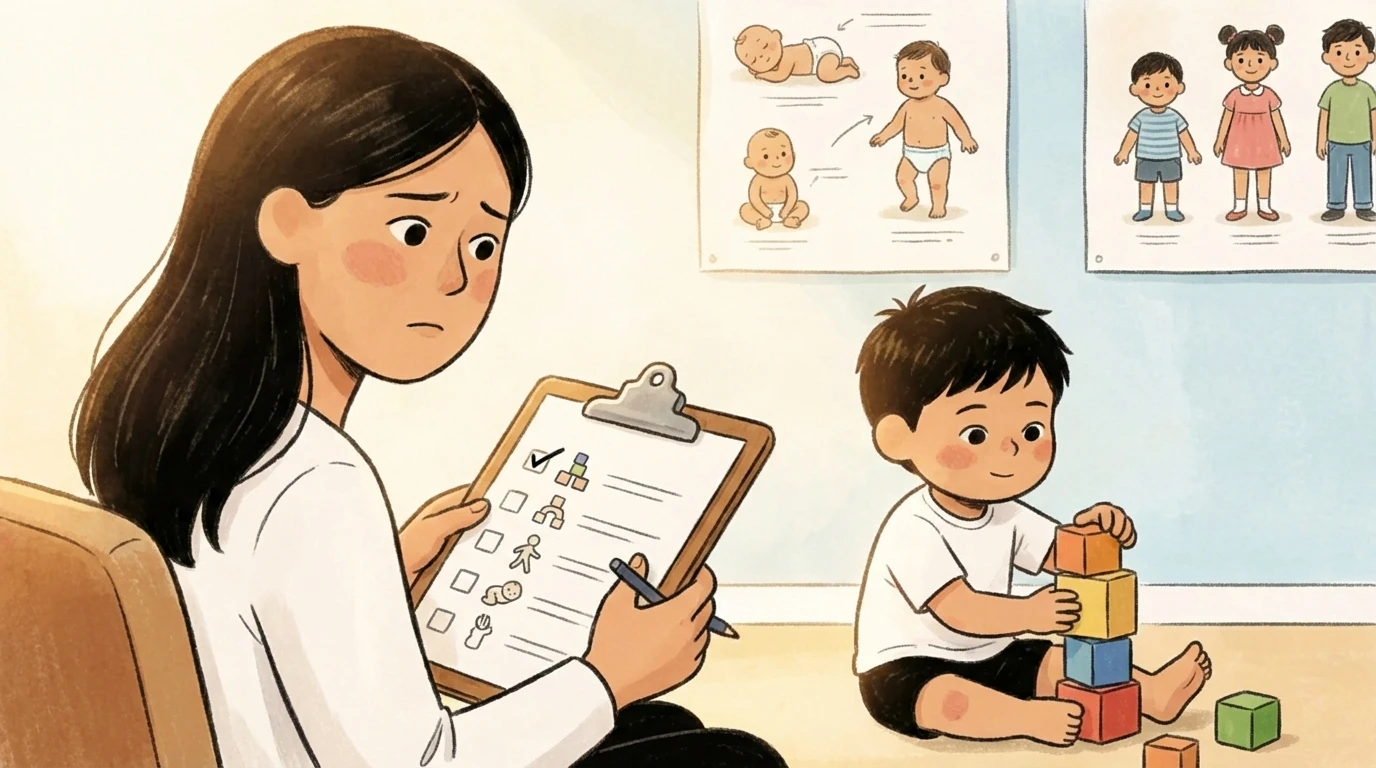
The recovery piece matters more than the tantrum itself. A kid who has a spectacular meltdown and is cheerfully building with blocks ten minutes later is showing you a nervous system that can dysregulate and come back. Messy, loud, and inconvenient, but healthy.
When the pattern shifts
- Tantrums that consistently last longer than 20 minutes
- Inability to recover without extreme intervention (you must physically hold them, or they exhaust themselves into sleep)
- Self-injury during meltdowns (head-banging, biting themselves, scratching their own face)
- Hurting others during every episode, not occasionally
- Increasing frequency after age 4 or 5
- Tantrums disconnected from any identifiable trigger
One bad week does not qualify. You are looking for a pattern that persists over months.
Googling at midnight
The Tantrum Toolkit course will help you tell normal tantrums from red flags
You'll know which patterns warrant a professional call and which are just a rough developmental stretch.
Anger is almost always something else
Anger in young children functions as a defense against feelings they cannot bear. The rage you see on the outside is covering fear, grief, overwhelm, or helplessness on the inside.
A child who seems aggressive and out of control is miserable, doing the only thing their underdeveloped brain knows how to do with feelings that are too big for their body.
The sensory piece
Some children experience the world at a different volume. Lights are brighter. Sounds are louder. Clothing textures are unbearable. Transitions between activities feel like being yanked from one reality into another without warning.
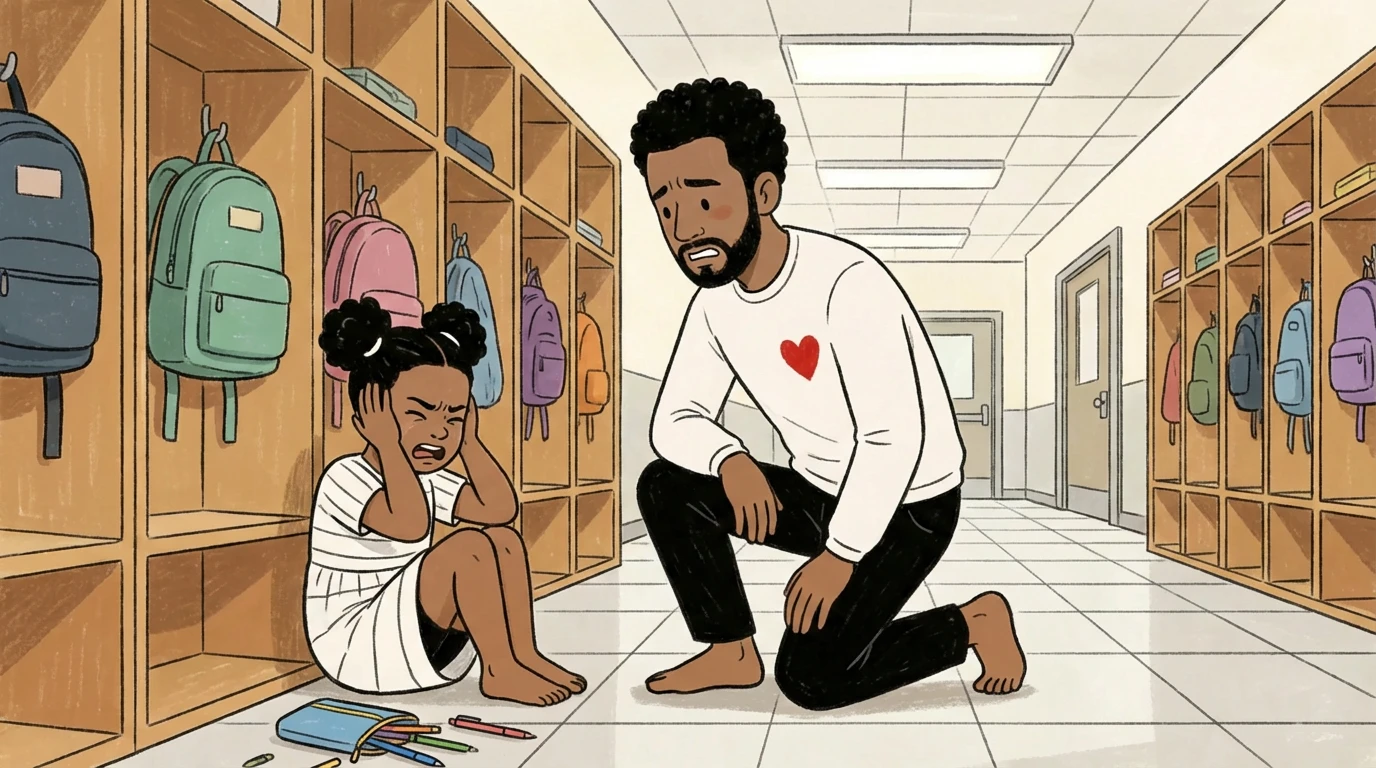
These kids tantrum more because they are genuinely overwhelmed by things other children filter out. Their nervous system is flooded, and the tantrum is the only pressure valve they have. If your child's meltdowns often involve covering their ears, refusing certain clothes, gagging at food textures, or falling apart in noisy environments, sensory processing may be part of the picture.
The anxiety piece
Anxiety-driven tantrums look different from frustration-driven ones. The child is terrified of something they cannot articulate, and the cookie was just the last straw on a nervous system already running at maximum.
Children who direct extreme language inward during tantrums are telling you something important. A five-year-old who says "I'm the worst" or "nobody likes me" during a meltdown is showing you the story they carry inside. If anxiety is driving the tantrums, the meltdowns will not improve until the anxiety is addressed.
The difference between big feelings and explosive aggression
All kids hit sometimes. All kids throw things sometimes. The line between developmentally normal and concerning comes down to the pattern around the behavior.
Concerning aggression looks like this: The child cannot stop once they start. They seem unable to hear you during the episode. They hurt siblings, peers, or animals without apparent remorse afterward. The outbursts at school are getting them excluded from activities. Other parents have stopped scheduling playdates.
Pay attention to what happens after the storm passes. A child who is devastated by their own behavior ("I didn't mean to hit her") is showing you that their values and impulse control still have room to grow together. That gap is workable. A child who shows no distress about hurting others needs professional evaluation.
How to decide if your child needs evaluation
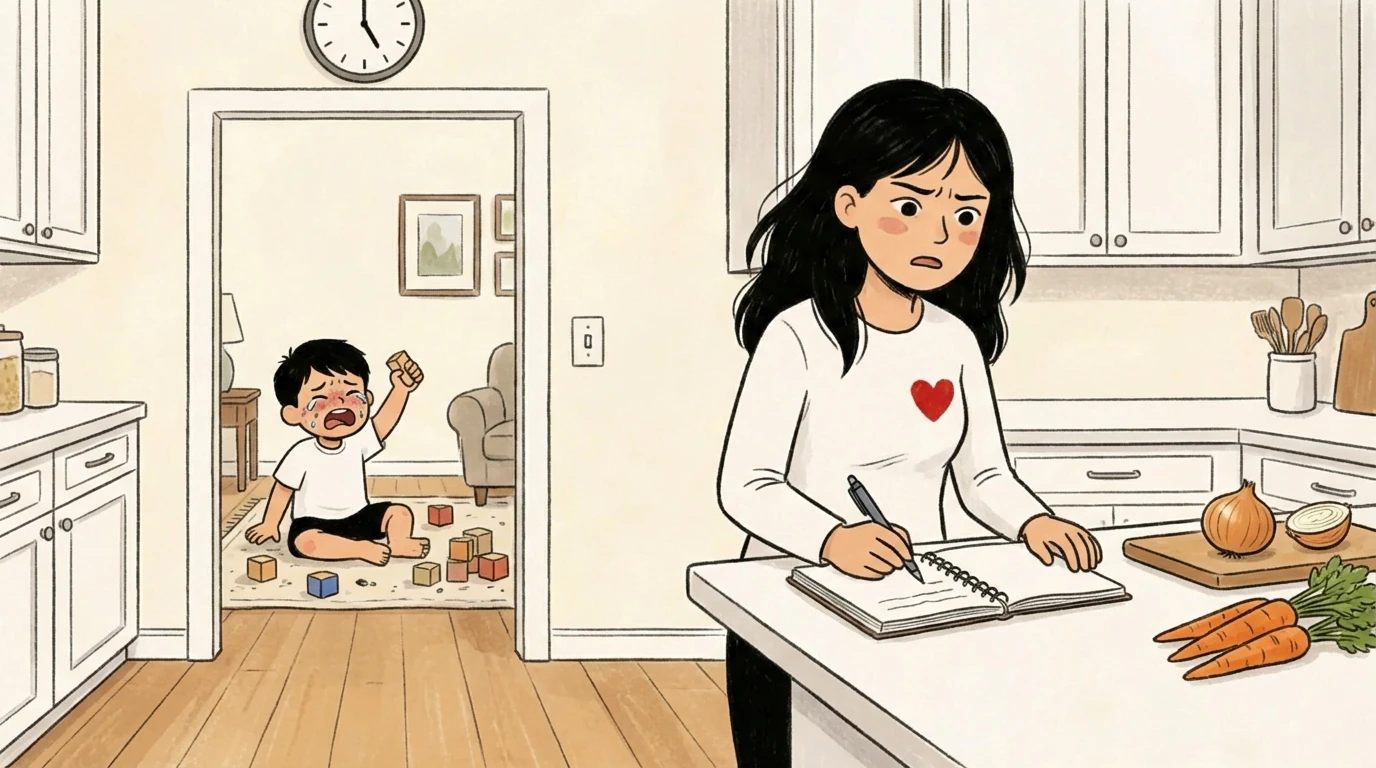
- Track duration, frequency, and recoveryFor two weeks, note how long each tantrum lasts, how often they happen, and how long it takes your child to return to baseline. Write it down. Patterns are easier to see on paper than in the fog of parenting.
- Note the triggers or lack of themTantrums with clear triggers (denied request, transition, hunger) are less concerning than episodes that erupt without warning. If you cannot identify what set it off, something internal may be driving it.
- Watch for self-directed distressChildren who say things like 'I'm stupid' or 'I wish I wasn't here' during meltdowns are communicating pain that goes beyond the moment. These statements deserve a calm follow-up conversation when everyone is regulated.
- Check the social pictureIf your child is struggling with peers, getting excluded, or unable to function in group settings without melting down, those are data points worth bringing to a professional.
- Trust your gut and make the callContact your pediatrician or find a child psychologist who specializes in early childhood. A good evaluation either gives you a roadmap or tells you everything is on track. Either outcome is valuable.
What to do while you figure it out
You do not need a diagnosis to start helping right now. The strategies that help struggling kids are the same ones that help all kids. You just need more of them.
Regulate yourself first
Your child's nervous system is reading yours constantly. If you are anxious or running on fumes, your child absorbs that and it makes their regulation harder. Biology, not blame.
Name the feeling, not the behavior
During a meltdown, skip the lecture. Say what you see: "You are so angry right now. Something about this feels really unfair to you." You are showing your child that someone understands what is happening inside them. That understanding is what teaches them to understand it themselves.
Hold the boundary without the battle
"I will not let you throw that. I can see you are furious. I am right here." Firm limit. Emotional acknowledgment. Physical presence. Safety is what an overwhelmed nervous system needs to come back down.
When to call in help
Finding the right specialist matters more than finding one fast. You want someone who understands that explosive behavior in young children communicates something important about what they are feeling inside.
Make the call when:
- Your child's tantrums are getting worse over time, not better
- The meltdowns are affecting their ability to function at school or with friends
- You have tried everything you know and nothing is shifting the pattern
- Your child is expressing hopelessness or self-harm during episodes
- Your own relationship with your child is suffering because the behavior is consuming everything
A good evaluation looks at the whole picture: temperament, sensory processing, attachment, anxiety, family dynamics, school environment. It gives you a map, not a label.
The thing your child needs you to know
The child who screams for 45 minutes over a broken cracker is in genuine distress. The child who hits their sibling and then sobs about it is caught between impulses they cannot control and values they are only beginning to develop.
Your child is working harder than you think. The fact that you are reading this, trying to figure out whether they need more support, means they have a parent who is paying attention. That matters more than any diagnosis.
FAQ
They do not stop completely at any magic age. Tantrum frequency typically decreases after age 4, but occasional meltdowns are normal through age 7 and beyond. Adults have tantrums too, they just look different. Worry about the pattern, not the existence of tantrums.
They can be one piece of a larger picture. Frequent, intense meltdowns combined with sensory sensitivities, difficulty with transitions, social challenges, or attention issues warrant professional evaluation. Tantrums alone do not indicate a diagnosis, but tantrums plus other persistent struggles are worth investigating.
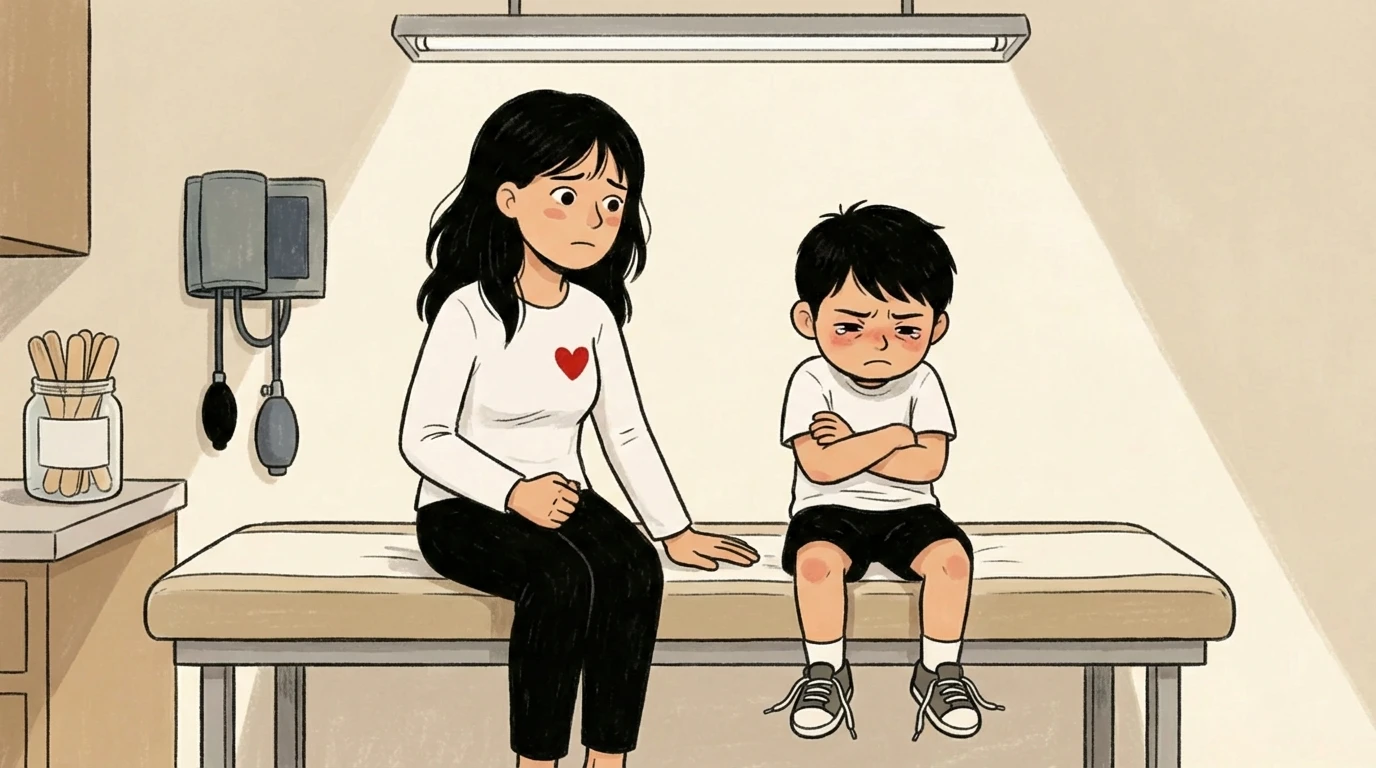
A written log of frequency, duration, triggers, and recovery time is more useful than video. Pediatricians need pattern data, not footage. Track for two weeks before the appointment and bring your notes.
Temperament is inborn. Some children feel everything bigger, react more intensely, and take longer to recover. You did not create that wiring. What you can control is how you respond, and that response shapes whether the intensity becomes manageable over time or stays stuck.
Track the data together for two weeks. Numbers are harder to argue with than gut feelings. If the log shows a concerning pattern, bring it to a pediatrician and let a professional weigh in. Sometimes a third party breaks the tie.