
TLDR
- Teens pull away because their brains are wired to. The drive toward independence is biological, not personal. Chasing them harder makes the pulling away faster. Your job is to be findable, not to be in pursuit.
- Presence beats conversation every time. Most teens will not sit down for a heart-to-heart on your schedule. They talk sideways, in the car, while doing something else, at 10:47 PM when you are half asleep.
- Physical affection still matters, but on their terms. A twelve-year-old who wants five minutes of cuddling at bedtime is anchoring themselves before stepping further into independence.
- Your calm reaction to their worst moments is the connection. When you stay steady through the eye rolls, the slammed doors, and the 'you don't understand anything,' you become the proof that the relationship can survive conflict.
- Fun is underrated as a parenting strategy. Shared laughter builds more trust than shared lectures. If your teen associates you with correction, they will avoid you. If they associate you with fun, they will seek you out.

They are not shutting you out
It feels like rejection. Your kid used to run to the door when you came home. Now they grunt from behind a closed door and you consider it a win.
Here is what is happening: their brain is building an independent operating system, and the construction requires distance from the original manufacturer. Between ages 12 and 18, the adolescent brain prunes old neural connections and builds new ones at a pace not seen since toddlerhood. The emotional regulation center goes offline for remodeling while the gas pedal (limbic system) runs hot.
Your teenager still loves you. They are just temporarily unable to express it without feeling like they are betraying their emerging identity. The parents who stay connected through this are the ones who make themselves easy to find.
Stop talking, start being nearby
The biggest mistake parents of teens make is trying to connect through conversation. You sit them down, you ask how school was, you get "fine," and you feel like a failure.
Teens do not connect face-to-face on demand. They connect sideways.
The car principle
Some of the best conversations with teenagers happen in vehicles. No eye contact required. A shared direction of travel. A built-in time limit.
Do not turn the car into an interrogation room. Drive. Play their music. Wait. If they talk, listen longer than feels comfortable before responding. If they do not talk, the proximity is doing the work.
The 10:47 PM phenomenon
Your teenager will want to talk about something real at the worst possible time. You are brushing your teeth, half asleep, and suddenly they appear in the bathroom doorway with a question about a friend situation that is clearly about something bigger.
Drop everything. The fact that they chose this moment means their guard is finally down. If you say "can we talk about this tomorrow," tomorrow never comes.

Missing them from downstairs
The Parenting Teens course will teach you low-pressure ways back in
You'll find the three-minute openings your teen already leaves for you and stop forcing the big talks.
Connection that does not feel like surveillance
Your teen can detect a disguised check-in from three rooms away. "So how are things with Emma?" translates instantly to "I am monitoring your social life." They shut down not because they have something to hide, but because the question feels like it comes with an agenda.
Enter their world instead
Ask your teenager to show you something they care about. Their playlist, a game they are playing, a creator they follow. The key is genuine curiosity with zero judgment. If they show you a song with explicit lyrics, do not flinch. They are testing whether you can handle their real world.
When you enter their world on their terms, you earn a visitor pass to the parts of their life they usually keep private. Criticize what you see there, and the pass gets revoked permanently.
Text like a human, not a parent
Teens live on their phones. Meet them there, but drop the parental tone. A meme that reminded you of them lands better than "How was your day?" A quick "this made me think of you" with a link to something from their interest is connection without pressure.
Do not call unless it is urgent. A phone call from a parent in front of peers is social poison. Scheduling regular one-on-one time works, but let them pick the activity and keep your phone in your pocket.
Physical affection is not just for little kids
Your teenager might still want to be held. A twelve-year-old who crawls onto the couch for five minutes of cuddling at bedtime is anchoring themselves in your physical presence before stepping further into independence.
The research is clear on this. Children whose emotional connection needs are consistently met gradually develop the ability to self-regulate without parental contact. The need decreases precisely because it was honored, not because it was pushed away.
Read the signals
Some days your teen will lean into a side hug. Other days they will flinch if you touch their shoulder. Both responses are normal, sometimes within the same hour. Follow their lead. A hand on the back as you pass in the kitchen. A shoulder squeeze after a hard day. Brief, casual, no fanfare.
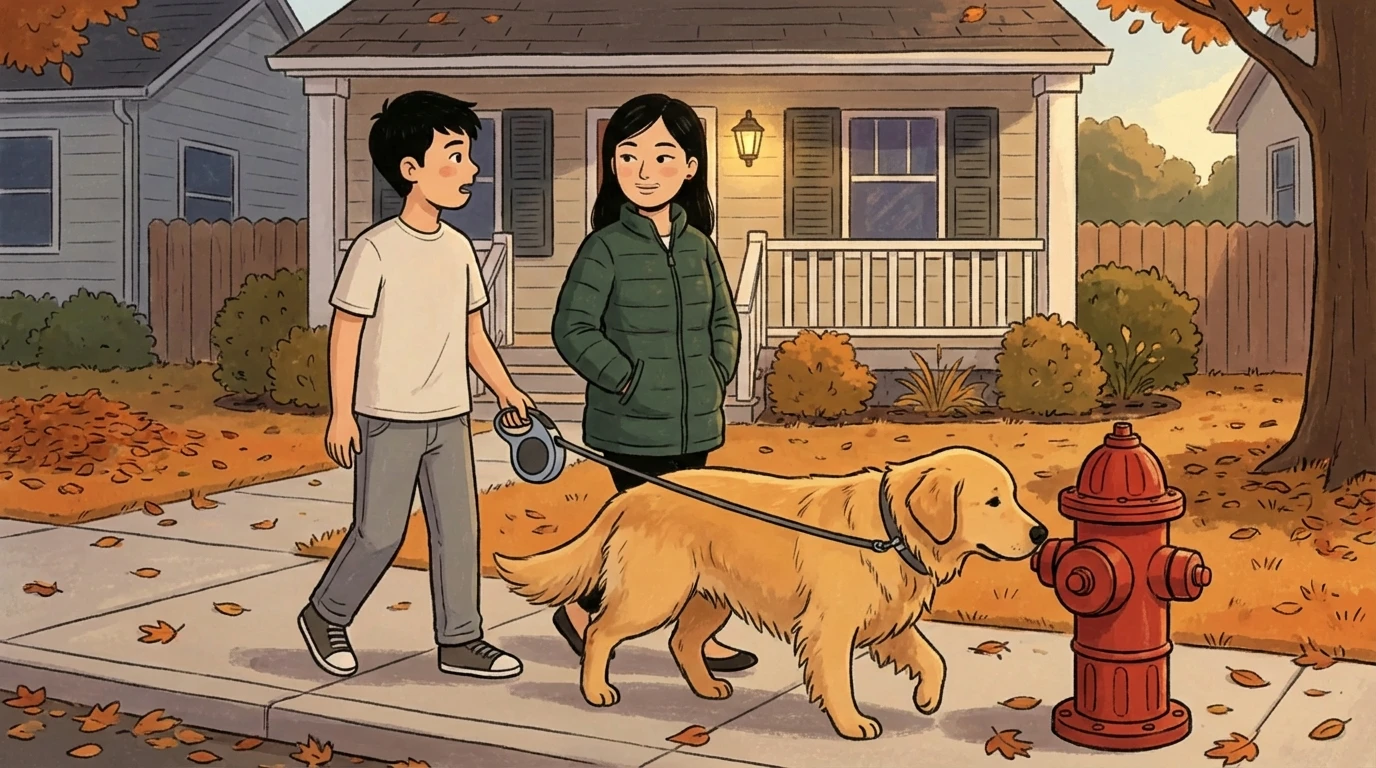
If your teen has stopped all physical contact, do not force it. Sit on the same couch. Walk the dog together. Proximity without touch still registers as connection.
The things that wreck it
Most parents do not lose their teenager through neglect. They lose them through well-intentioned habits that communicate the wrong message.
Solving their problems for them tells a teen they are incompetent. When they vent about a friend betrayal, they want you to listen, not to fix it. Try: "That sounds awful. What are you thinking about doing?"
Commenting on every mistake teaches them to hide failures instead of learning from them. If they bombed a test, they already know.
Attending their events to coach from the sidelines turns your presence into pressure. Show up to watch, not to improve.
Over-reacting to what you find on their phone or social media destroys the one window you have into their digital life. If you explode about a post, they will get better at hiding, not better at judgment.
And if you find yourself filling the connection gap with worry instead of presence, that is a sign to step back and take care of yourself first. Anxious hovering is surveillance dressed up as love.
The lettuce principle
There is an old metaphor about growing lettuce: when it does not grow well, you do not blame the lettuce. You check the soil, the water, the sunlight.
Your teenager is the lettuce. If the relationship is struggling, the move is to examine the conditions you are providing. Are you safe to talk to? Are you fun to be around? Do they associate you with acceptance or with correction?
When your teenager feels understood, they stop needing to push you away to feel like themselves.
This phase has an endpoint. The parents who maintain connection through the teen years, imperfect, messy, full of door slams and long silences, find that their kids come back. To something better than the old relationship. A relationship between two adults who know each other.
How to stay connected to your teen
- Be nearby without hoveringSit in the same room while they do homework or scroll their phone. Do not start a conversation. Let proximity do the work. Teens register your presence even when they ignore you.
- Drive them places and keep quietCar rides create low-pressure connection. Play their music. Do not ask about grades. If they talk, listen without rushing to respond or fix anything.
- Enter their world without judging itAsk them to show you a playlist, a game, or a creator they follow. React with curiosity, not with parental evaluation. One flinch and the tour ends.
- Text instead of callingSend a meme, a link to something they like, or a quick 'thinking of you.' Keep it short. Do not follow up with 'did you see my text?' if they do not reply.
- Show up for the 10:47 PM talksWhen your teen starts talking at a terrible hour, stay. Put down the phone, lean against the doorframe, and listen. These moments will not repeat on a convenient schedule.
- Follow their lead on physical contactSome days a hug lands. Some days a shoulder touch makes them flinch. Brief, casual touch without fanfare. Never force it. Proximity counts even without contact.
FAQ
Completely normal. The adolescent drive toward independence requires emotional separation from parents. Teens who stop sharing everything are building a private self. Stay available without pushing, and most teens cycle back to conversation on their own timeline.
No. A preteen wanting brief physical connection at bedtime is healthy, not regressive. Children who get their attachment needs met develop the ability to self-regulate without parental contact over time. The need shrinks precisely because it was honored.
Stop asking them to. Direct questions trigger defensiveness. Instead, be physically present during low-pressure activities like car rides, cooking, or walking the dog. Teens talk sideways, and they choose the timing. Your job is to be available when they are ready.
They are testing whether the relationship can handle their worst moments. Do not match their intensity or withdraw. A steady response like 'I can hear you are upset, I am here when you want to talk about it' keeps the door open without rewarding cruelty.
Not necessarily. Their phone is where their social world lives. Instead of competing with the phone, enter the digital space. Ask to see what they are watching. Send them things you find interesting. The phone is a bridge, not a wall, if you use it that way.