TLDR
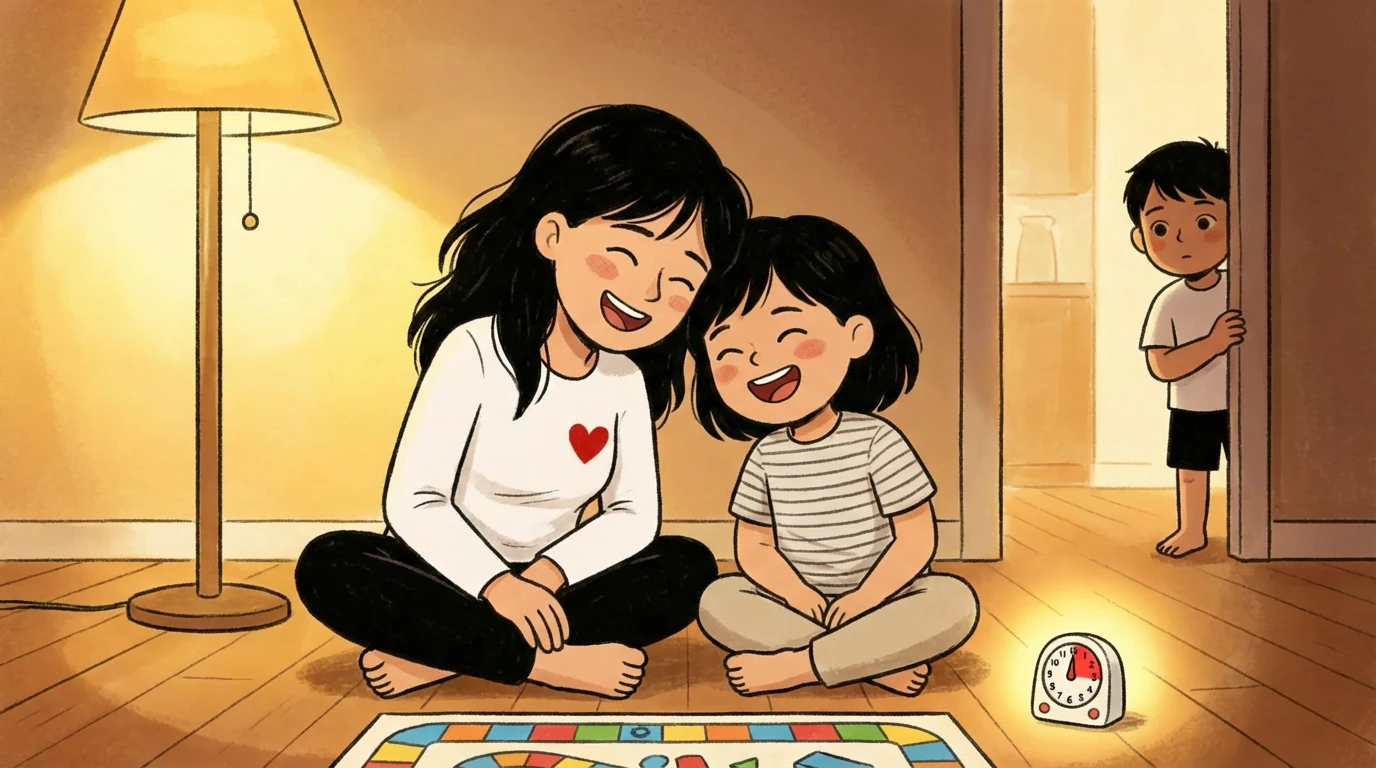
- Sibling rivalry is a resource competition. Your attention is the resource. When it feels scarce, kids fight for it. Scheduled one-on-one time makes the scarcity disappear.
- Ten minutes daily beats two hours on Saturday. Consistency matters more than duration. A child who knows their time is coming tomorrow stops competing for scraps today.
- Name it after the child. Call it 'Maya Time' or 'Leo Time.' Naming it makes the child feel like they own something nobody else gets, which is the entire point.
- Follow their lead completely. No teaching, no correcting, no suggesting. Your job is to watch, participate when invited, and be fully present. The child decides what happens.
- Meltdowns at the end are a good sign. When your child falls apart because the timer went off, they finally got something they were starving for. The tears are processing, not manipulation.
Why your kids are fighting for your attention (and how to stop it)
You love all your children. You've said it out loud, you've said it in cards, you've said it while separating them from each other's hair. And they still fight like they're auditioning for the last seat on a lifeboat.
Here's what's happening. Your attention is a finite resource, and your children know it before you do. Every interruption, every "just a minute," every time you turn to deal with the other kid mid-sentence confirms that attention is scarce. Scarce resources get fought over. This is economics, not bad behavior.
The fix is surprisingly mechanical. Give each child a predictable, protected block of your undivided attention. When a child knows their time is coming and nobody can take it from them, the desperation that drives sibling jealousy loses its fuel.
Other child tugging your sleeve
The Sibling Harmony course will help you structure solo time
You'll carve out fifteen minutes that reduce the rivalry instead of making the waiting child feel abandoned.
What one-on-one time looks like
One-on-one time means something specific. Reading together on the couch while you check your phone between pages doesn't count. Running errands with one kid because the other had soccer practice doesn't count either. Those things are fine, but they're something else.
This is 10 to 20 minutes where your phone is off, the other children are handled, and one child has your complete presence. No agenda. No teaching moments. No multitasking. You show up and the child decides what happens.
Name it after the child
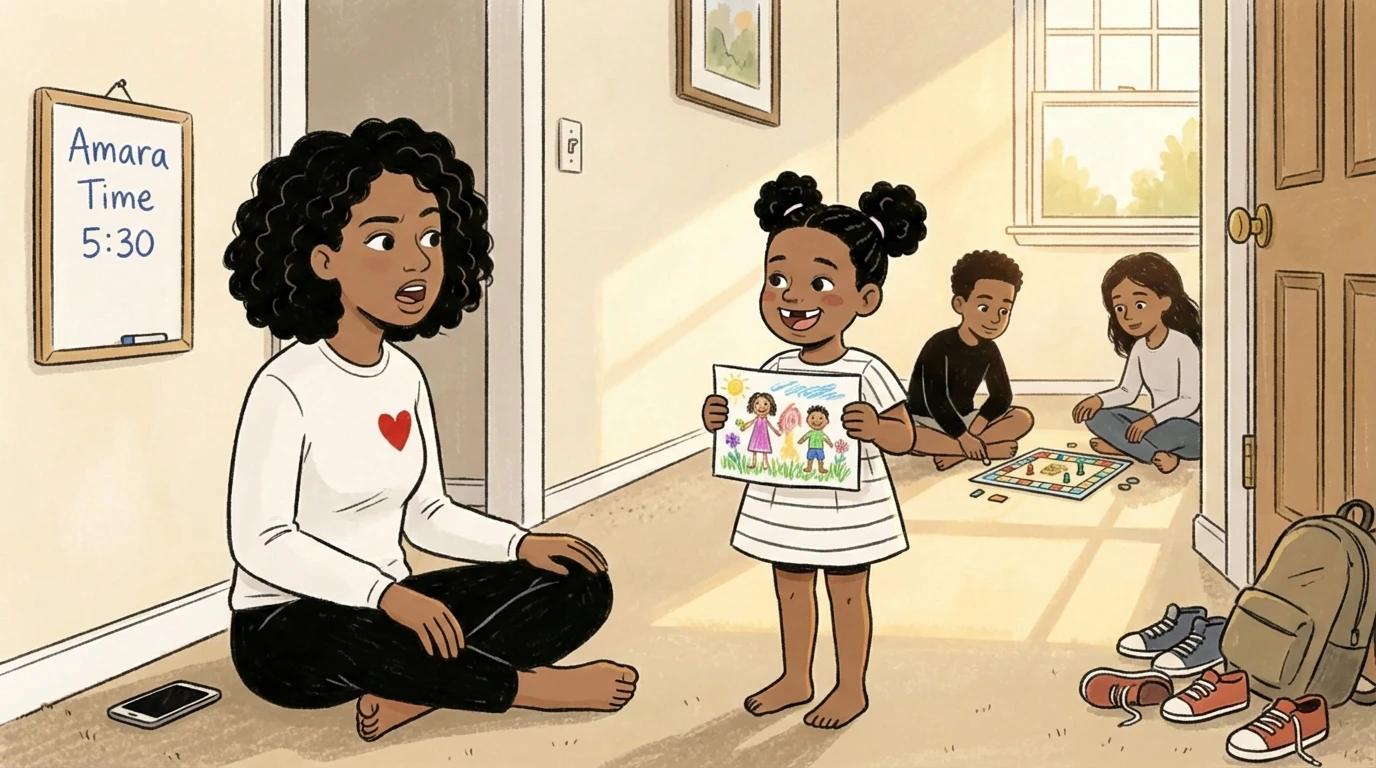
Call it "Jonah Time" or "Priya Time." The name matters because it signals ownership. Your child has a thing that belongs only to them, not shared with siblings, not interchangeable. When a sibling protests, you can say, "This is Priya Time. Your time is tomorrow at 4."
Set a timer and protect the boundary
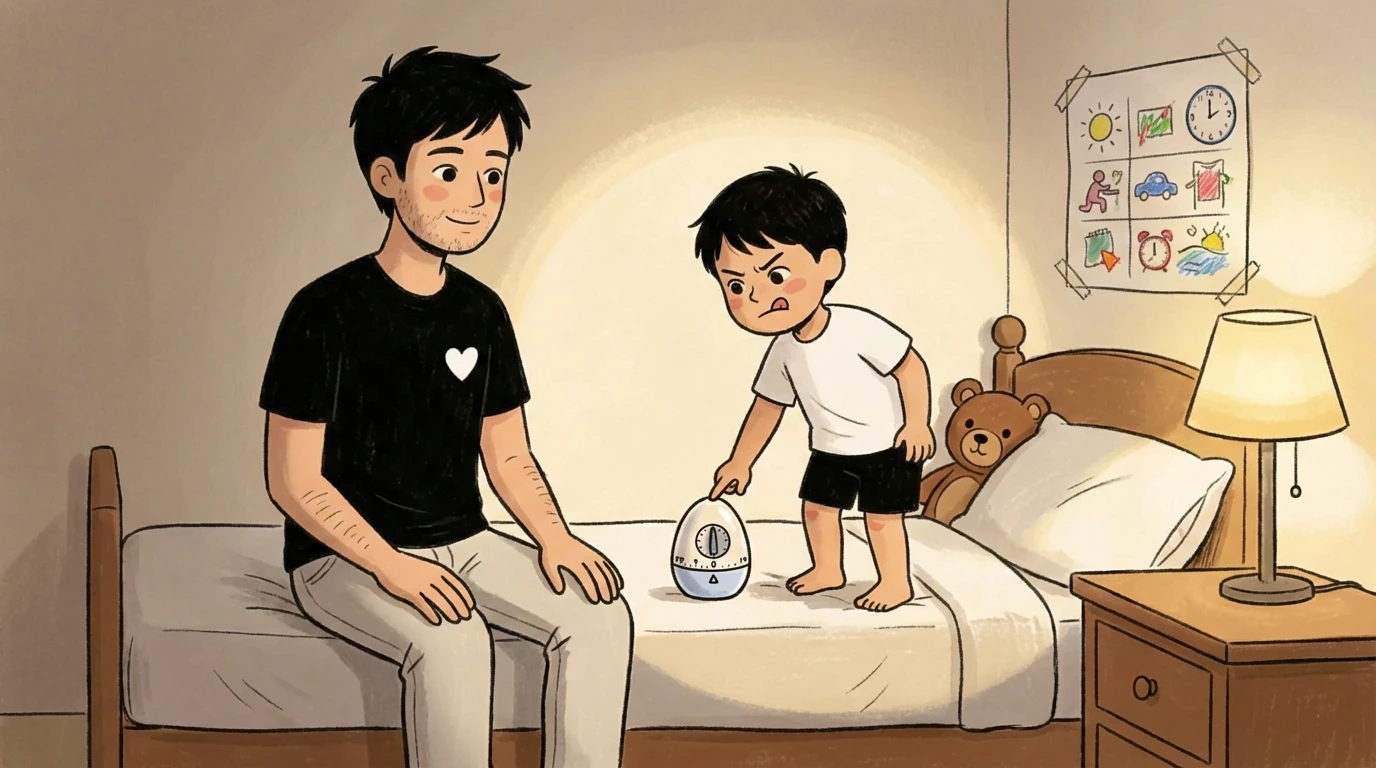
Use an actual timer. The boundary does two things: it tells the child the rules are different during this window, and it tells you when to stop. When the timer goes off, stop. Even if they beg. One-on-one time needs edges to feel real. Without them, it bleeds into regular life and loses its power.
No screens, no books, no structured activities
The instinct is to plan something. Resist it. Baking cookies together is quality time, and quality time is wonderful, but one-on-one time is different. It's unstructured because unstructured play is how children process emotions and communicate things they can't say directly. A child who spends their ten minutes crashing toy cars into each other might be working through something. Let them.
If your child asks to do something normally off-limits, look for a safe way to say yes. Jumping off the dresser becomes jumping off the dresser onto a mattress you moved there. The message: your desires matter to me, and I'll find a way when I can.
The research behind why this works
A national survey of U.S. families found that parents who spent frequent one-on-one time with their kids were far more likely to have children who flourished, including having closer parent-child relationships. The inverse held too: children who received little individual attention had lower wellbeing and weaker attachment.
The critical distinction is active engagement versus mere presence. A longitudinal study following nearly 5,000 families found that a father's active one-on-one involvement predicted fewer behavior problems by age 15. Simply living in the same house did not. Presence requires engagement to count.
This holds across every age. Toddlers build secure attachment through focused attention. School-age kids who get regular individual time have fewer behavior problems and less family conflict. Teenagers who maintain small rituals of connection with a parent (a weekly coffee, a regular walk) report less attention-seeking behavior and warmer relationships.
How to make it happen
You're already overwhelmed. You have two or three kids, a job, dinner to make, and the suggestion that you add another thing to the schedule sounds like a cruel joke. But you're already spending time putting out fires that one-on-one time would prevent. This removes from your plate rather than adding to it.
Start with what you can sustain
Ten minutes counts. Daily is ideal, but three times a week is substantially better than never. The worst version of this plan is the ambitious one you abandon after a week. Pick a frequency you can keep, then build from there.
Handle the logistics of multiple children
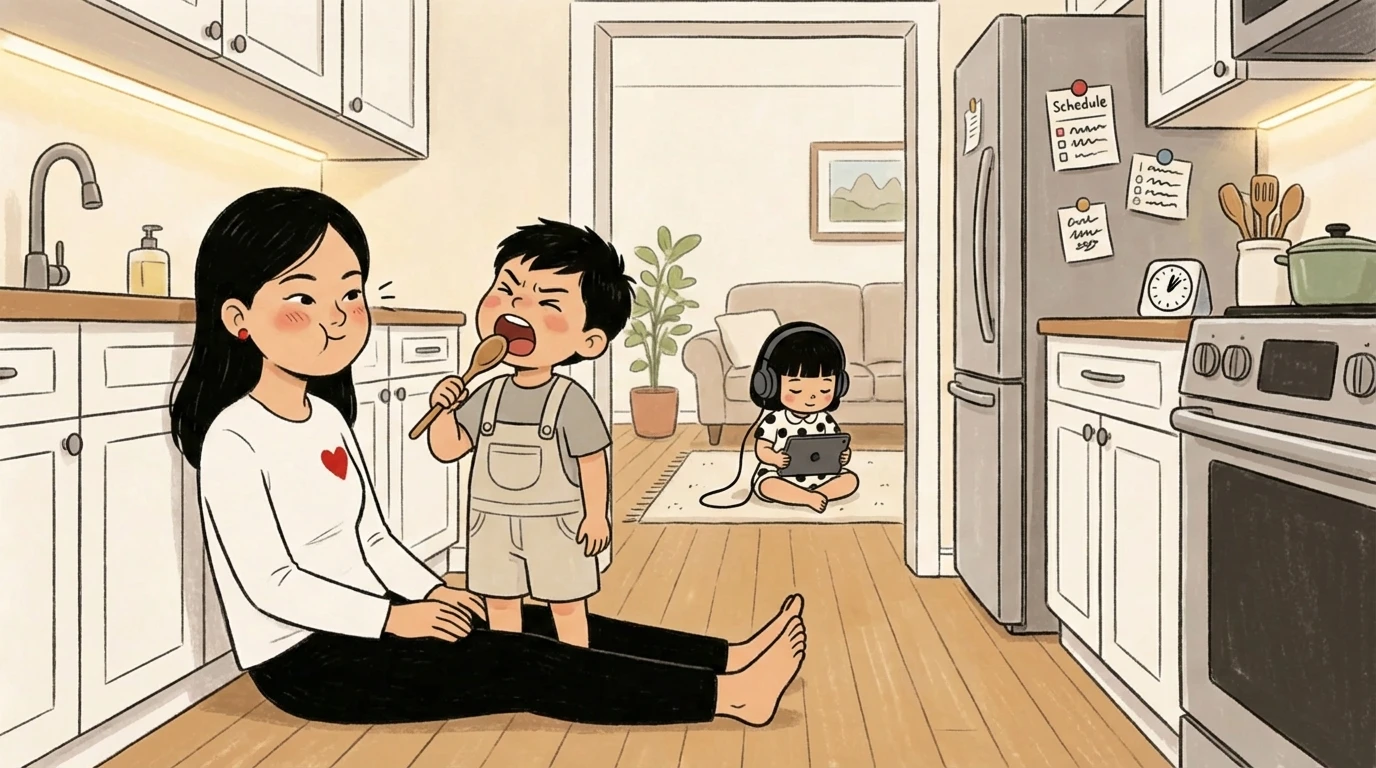
The other kids need to be occupied. Audiobooks with headphones work well for older siblings because they absorb attention completely. A partner takes the others. A trusted neighbor swaps: you take their kid for twenty minutes, they take yours. If you have a partner, split the load so each parent has regular one-on-one time with each child.
Post a visible schedule. When every child can see that their time is coming, the protests decrease. "It's Kai Time right now. Your time is Wednesday after school."
How to start one-on-one time this week
- Pick a child and a time slotStart with the child showing the most behavioral struggles. Choose a time you can protect from interruptions, even if it's only ten minutes before bed.
- Name it after themTell the child: 'Starting tomorrow, we're going to have Mia Time every day. It's just you and me for fifteen minutes, and you get to pick what we do.'
- Set up sibling coverageArrange for a partner, audiobook, or trusted neighbor to handle the other children. If no coverage exists, use a time when siblings are naturally occupied like nap time or independent play.
- Follow their lead without directingWhen the timer starts, ask what they want to do. Then do it. No teaching, no correcting, no checking your phone. Describe what you see: 'You're building that tower really tall.'
- End when the timer ringsIf they melt down, empathize: 'It's so hard to stop. I loved this too.' Don't extend the time. The boundary is what makes it feel different from regular life.
- Add the next child within a weekOnce the routine sticks for one child, add the next. Every child in the house eventually gets their own named time slot.
What happens when you stop
If you've been doing one-on-one time consistently and life interrupts it (a new baby, a move, a brutal work stretch), you'll see the rivalry spike again within days. The behavioral improvements are maintained by the practice, not permanently installed by it. This is like exercise, not surgery.
When you restart, say it out loud: "I know we missed our time together. I missed it too. Let's get back to it." Children who hear you name the gap learn that self-care and repair are normal, not signs of failure.
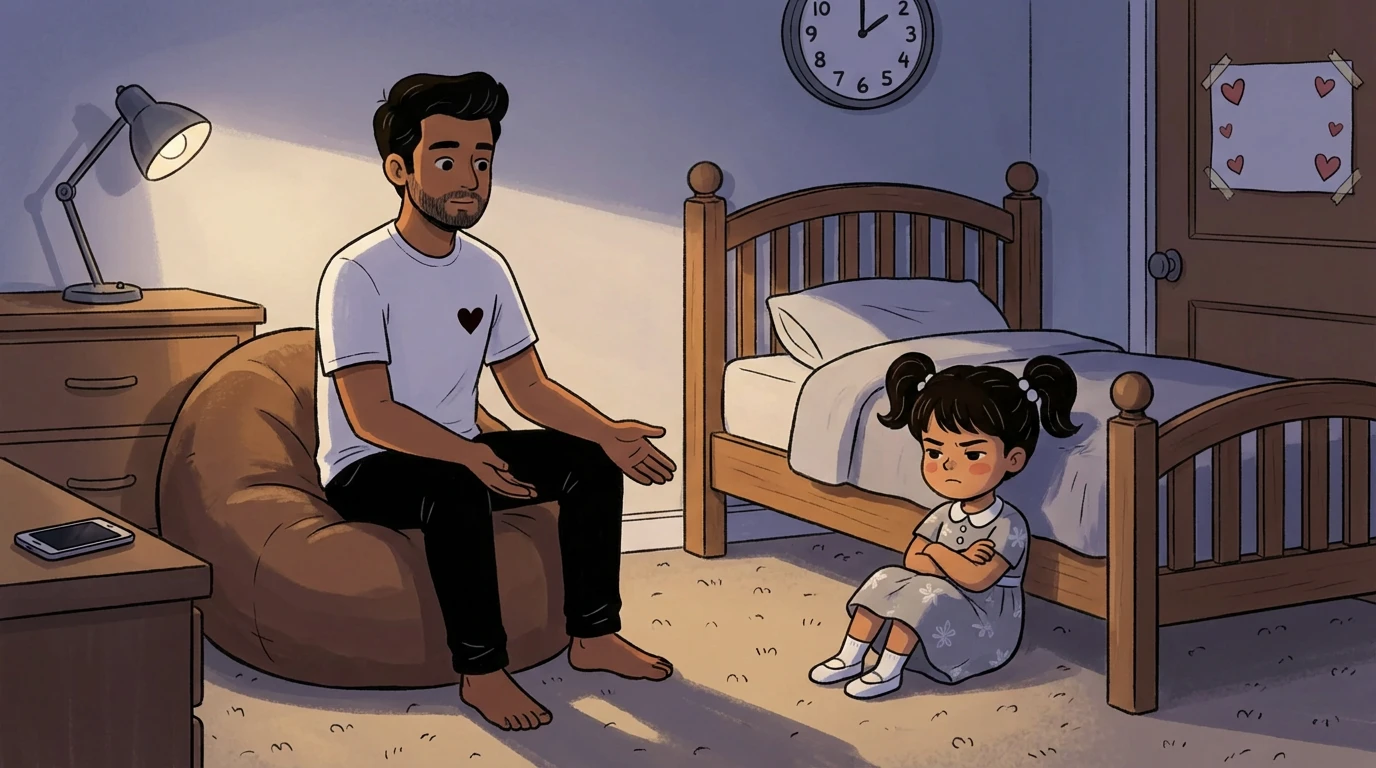
The child who resists
Some kids, particularly older children or kids who've been disconnected for a while, will be suspicious. They'll shrug, say "I don't care," or refuse to pick an activity. This is a test. They're checking whether you'll give up.
Don't give up. Show up anyway. Sit near them. Say, "I'm here for our time. We don't have to do anything." Presence without pressure is what breaks through the resistance. It might take a week. For a deeply disconnected child, it might take a month. Keep showing up.
FAQ
Give it to them. Fairness means giving each child what they need, not identical amounts. A child going through a hard transition might need daily time while a stable sibling is fine with three times a week. Explain this to the other kids directly: 'Your brother is having a tough time right now, so he needs extra time with me. Your time isn't going away.'
It works differently. Teens won't sit on the floor and play, but a weekly coffee run, a walk, or staying up late together watching something serves the same function. The key is consistency and following their lead on what feels comfortable. Forced family fun backfires with teens.
Screens are off the table during this time. If your child insists, say, 'Screens are for other times. Right now it's just us. What else sounds fun?' If they're stuck, offer two choices. Most kids adapt quickly once they realize you're genuinely available.
Stay close and empathize: 'You don't want to stop. I get it. I loved playing with you too.' Don't extend the time. The meltdown means your child got something they were hungry for, and the tears are processing the loss of it. Schedule a small buffer after the session for the first few weeks.
Yes, and ideally both should. Each parent-child relationship is distinct. A child who gets regular time with both parents builds two secure attachment bonds. Coordinate schedules so the child gets variety without either parent burning out.