TLDR
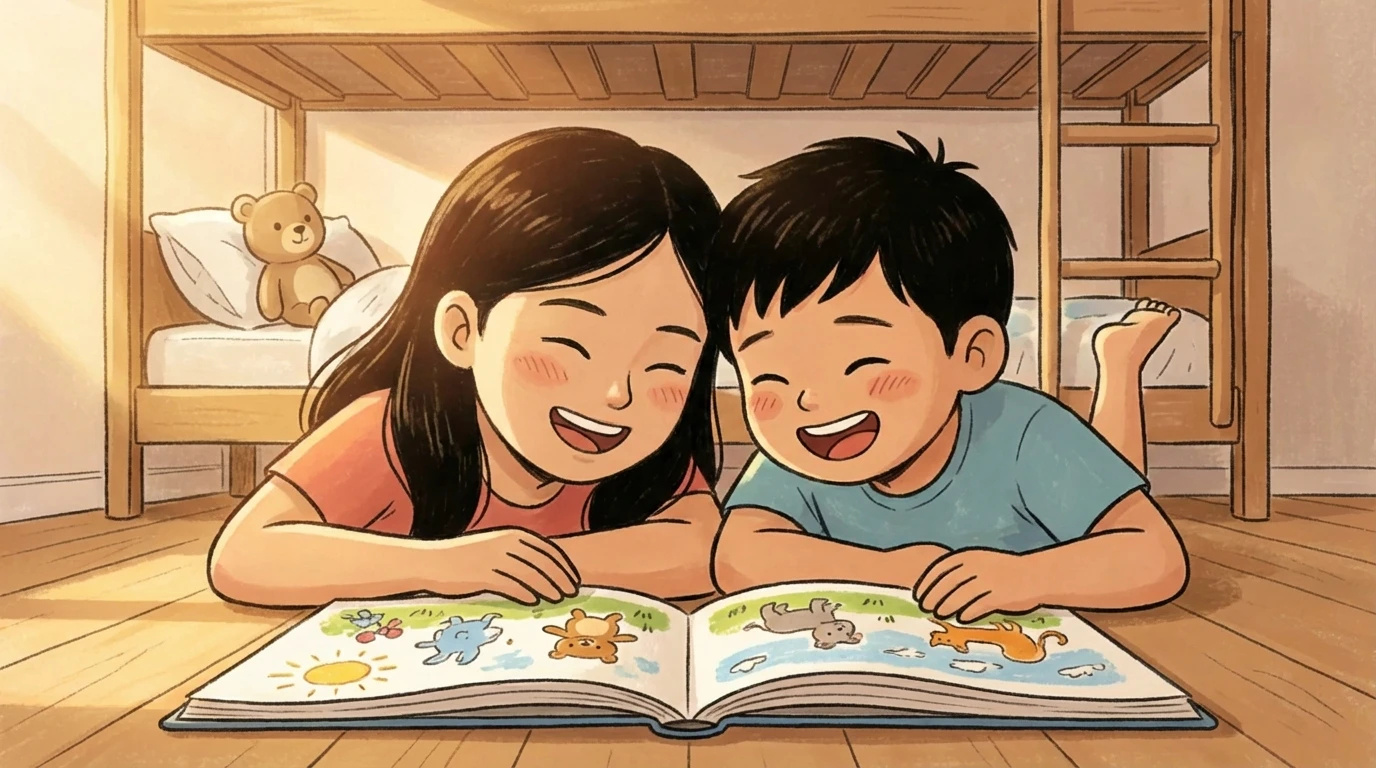
- Positive interactions matter more than zero conflict. Research shows siblings who fight often but have lots of fun together end up closer than siblings who simply ignore each other. The ratio to aim for: five good moments for every bad one.
- Shared activities are the fastest deposit. Find one thing both kids enjoy and protect that playtime like it's sacred. A daily shared activity builds more goodwill than a week of conflict mediation.
- Laughter is a bonding drug. Roughhousing, dancing, and being silly together release oxytocin. That bonding hormone does more for the sibling relationship than any lecture about being kind.
- Never compare your kids to each other. Even positive comparisons backfire. Telling one child their sibling is better at something teaches both kids that your love is conditional and competitive.
- Your relationship with each child is the foundation. When each kid feels secure in your love, they stop competing for it. Daily one-on-one time is the single highest-use move you have.
The ratio matters more than the fighting
Your kids fought three times before breakfast. Someone got scratched. Someone screamed a word they definitely learned from you. And now you are standing in the kitchen wondering if siblings are supposed to hate each other this much.
The fighting matters far less than you think. Research from Po Bronson found that siblings who fight frequently but have plenty of positive interactions end up with strong relationships as adults. Siblings who simply ignored each other had less conflict but stayed distant for life. The goal is to stack so many good moments that the fights become background noise.
Dr. John Gottman's research found that relationships need five positive interactions to counterbalance every negative one. If your kids fight six times a day, you need about thirty positive moments. A shared laugh counts. A high-five counts. A smile across the dinner table counts. You are protecting joy that already wants to happen.
Kids who never choose each other
The Sibling Harmony course will show you how connection starts
Your kids will begin seeking each other out instead of tolerating shared space, through illustrated lessons with audio narration.
Find the thing they both love (and guard it)
The fastest way to build a positive balance between siblings is shared activities. Finding overlap when one kid wants to play astronaut and the other wants to play store requires creativity. Suggest a store on the moon. Build forts. Do art together.
Once they are playing happily, protect that time. Do not interrupt to announce dinner is almost ready. The corollary to "never wake a sleeping baby" is "never interrupt siblings who are getting along." Those moments are building the relationship bank account faster than anything else you can do.
Schedule it if it will not happen on its own
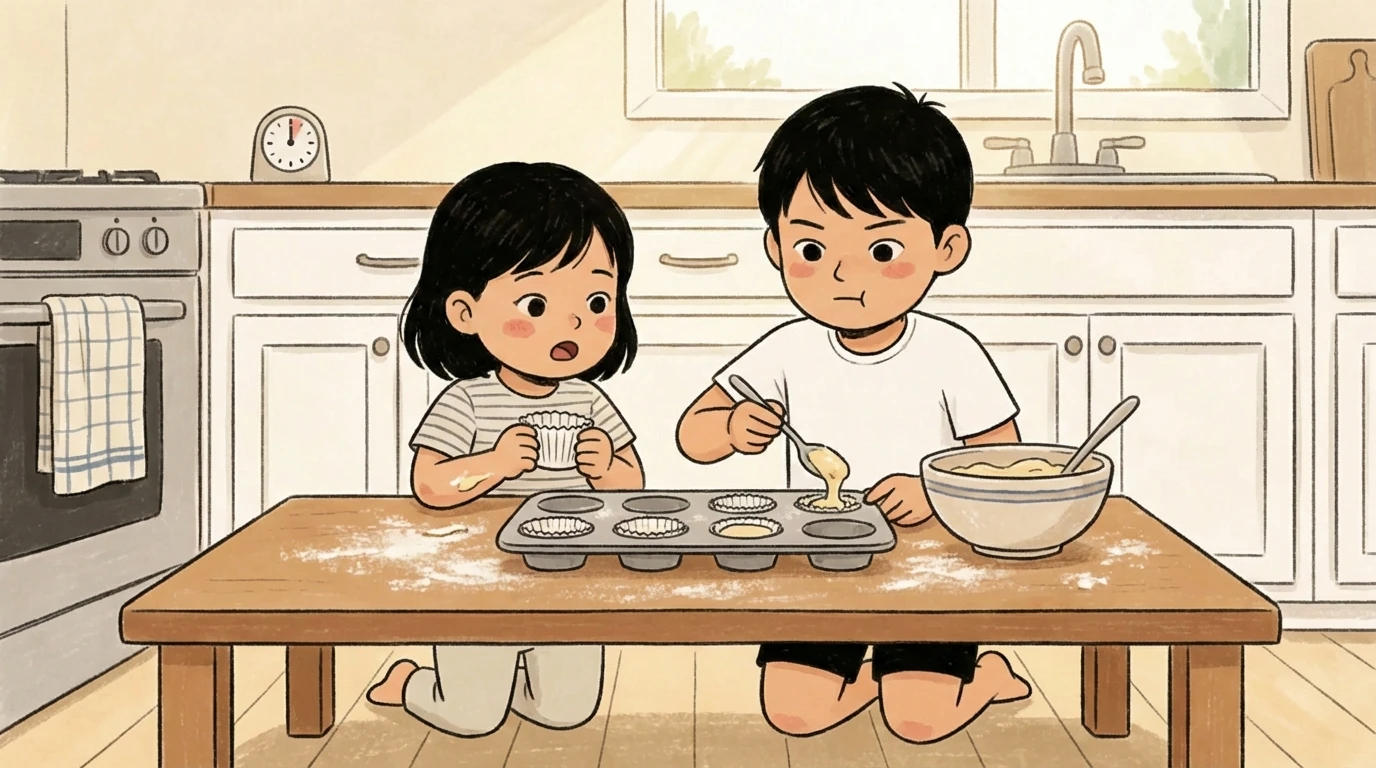
Some kids, especially those with big age gaps or different temperaments, will not gravitate toward each other naturally. Schedule fifteen minutes of daily sibling time with a planned activity they both enjoy. Cards, baking muffins, building with blocks. Structure removes the negotiation that starts fights.
Use their bodies to build the bond
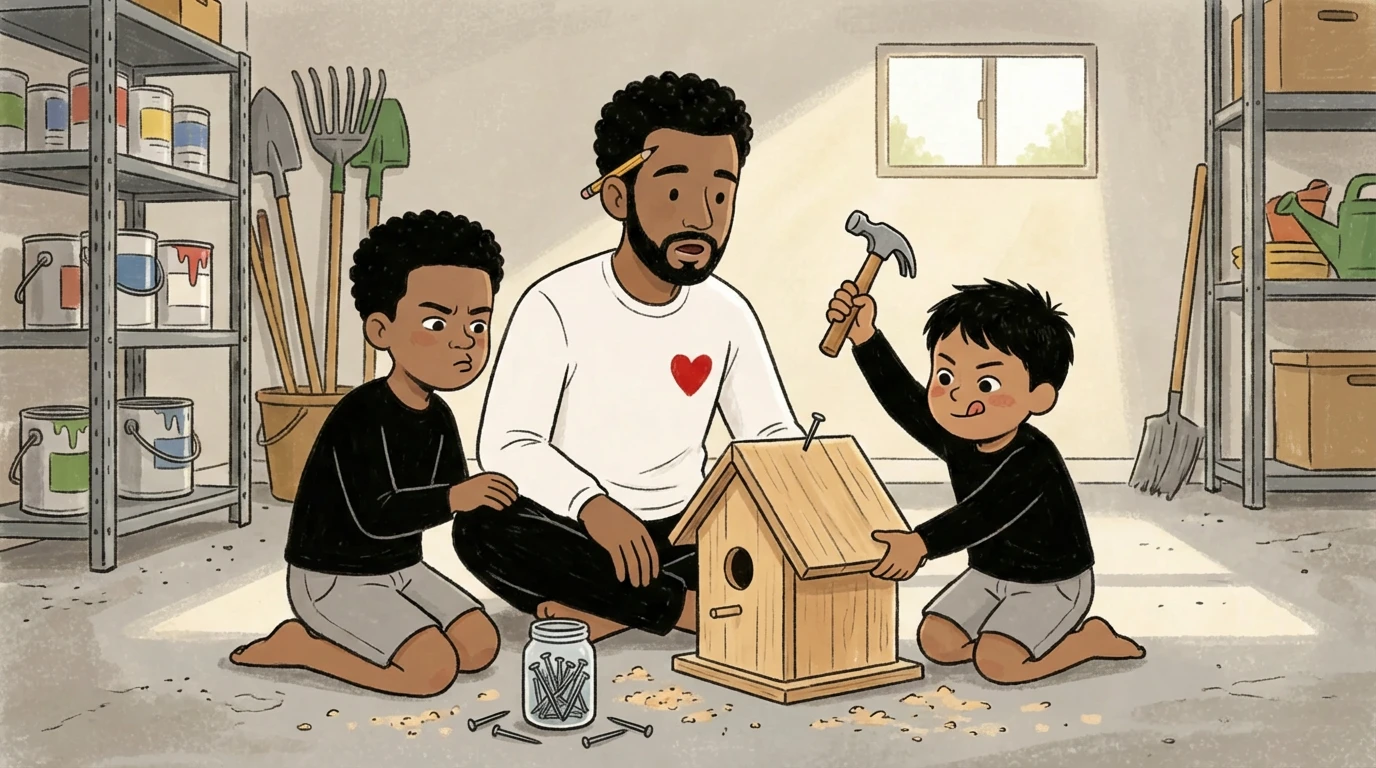
Oxytocin is the bonding hormone, and you can trigger it on purpose. Roughhousing, dancing, singing, laughing together, snuggling on the couch. These are neurochemistry working in your favor.
When your kids are laughing together, their brains are bonding them to each other. A ten-minute wrestling match where both kids end up in a giggling pile does more for the relationship than a thirty-minute conversation about being kind.
Team them up against you. When roughhousing, put the kids on the same side against the grownups. When designing a scavenger hunt, make them partners instead of competitors. Every shared victory reinforces "we are on the same team." Give them a project to own together: decorating for a birthday, planning a living room picnic, writing a letter to grandma.
Stop comparing (yes, even the nice comparisons)
You think you are motivating your kid when you say, "Why can't you just sit down and do homework like your sister does?" What your kid hears: "Your sister is better than you, and I love her more."
Even positive comparisons poison the well. Telling one child, "I wish your brother was as good at this as you are" teaches the praised child that love is conditional on outperforming the sibling. They develop an investment in their brother staying the "bad kid."
Appreciate each child individually. "I love how you sing while you draw" beats "You're so much more creative than your brother." When a child needs correction, address the behavior without referencing the sibling.
Let them have their own space
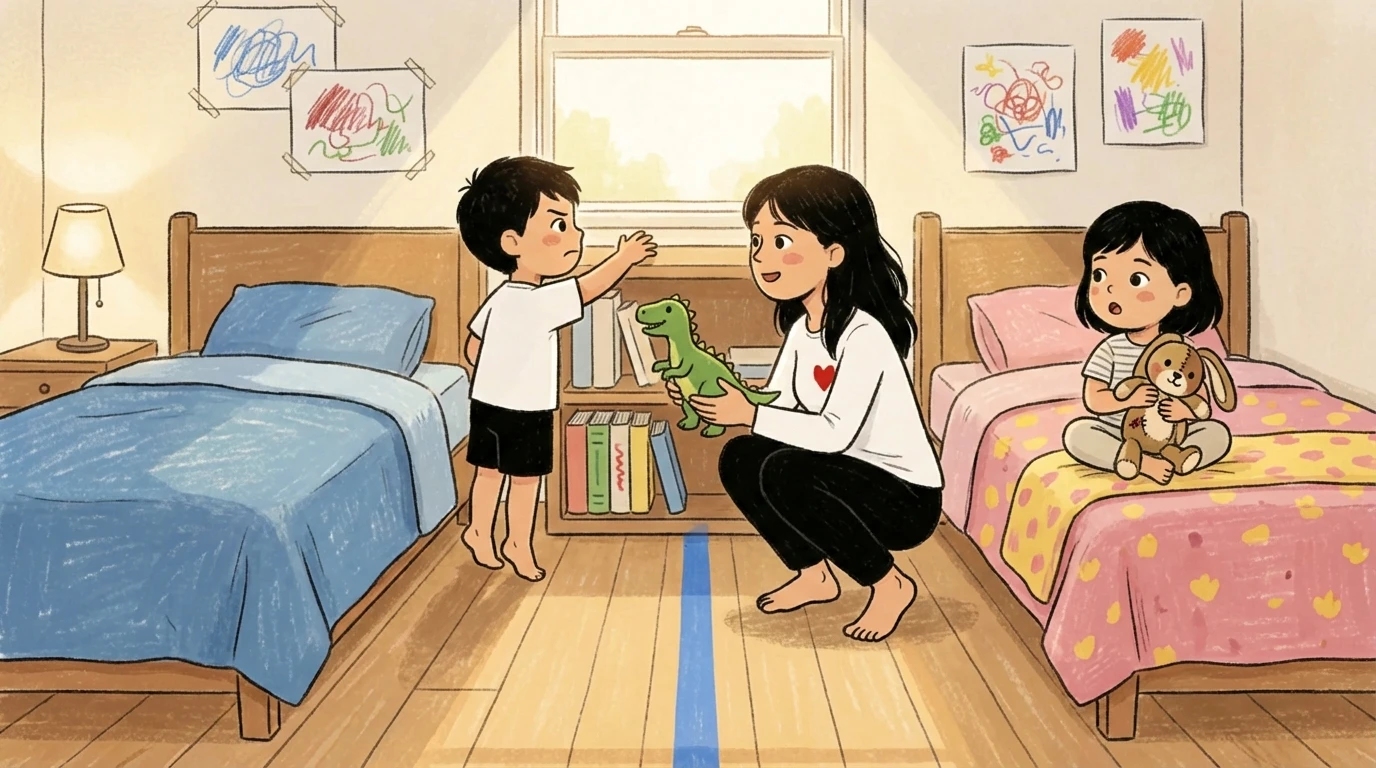
Siblings share parents, toys, mealtimes, and the spotlight. Even kids who share a room need a space that belongs only to them. A high shelf for treasured possessions. A reading corner. Children who know they can retreat when they need to are more generous when they come back together.
Teach the words they do not have yet
When you tell kids to "use their words," most of them have no idea what words to use. An upset four-year-old cannot access reasonable language any more than you can calmly recite poetry during a panic attack.
Give them the script. When one child hurts another: acknowledge the feeling ("You wanted him to stop touching you, so you pinched him"), set the limit ("No pinching. Pinching hurts"), teach the alternative ("Tell your brother: stop touching me"). Do this a hundred times. They start saying it to each other without your help.
Coach instead of referee
When siblings fight, resist the urge to figure out who started it. Taking sides convinces the "losing" child that you love the other one more. Instead, coach the upset child to express their feelings with empathy: "Daniel, you look upset. Can you tell your sister what you don't like?" Then give the other child a choice: "Serena, Daniel says he doesn't like being pushed. Will you stop, or do you need my help to move apart?" Nobody gets labeled the villain. Both kids learn skills.
How to build a strong sibling bond
- Stack positive interactions dailyAim for five good moments for every conflict. A shared laugh, a hug, a collaborative game. These deposits build the goodwill that makes conflict survivable.
- Protect happy play ruthlesslyWhen siblings are playing well together, do not interrupt. No announcements, no chore reminders, no 'five more minutes.' Let the bond build uninterrupted.
- Use oxytocin-producing activitiesRoughhousing, dancing, singing, laughing. Team the kids against the grownups. Physical play bonds siblings through neurochemistry, not just fun memories.
- Stop all comparisons between siblingsAddress behavior individually. Never use one child as the standard for another, even positively. Appreciate each kid for who they specifically are.
- Teach conflict scripts explicitlyAcknowledge the feeling, set the limit, teach the alternative words. Do this a hundred times and they will start using the language without you.
- Build daily appreciation ritualsAt dinner, each family member names one specific kind thing someone else did. Specificity matters. Over time, kids start noticing kindness on their own.
Build rituals that make kindness visible
Start a family kindness journal. When you notice one child helping the other, write it down with the date. "Mia helped Leo reach the light switch." "Leo picked up Mia's crayon when it rolled under the table." Read the entries aloud on Sunday evenings.
First you notice the kindness. Then the kids start noticing it. Then they ask you to write things down. Then they start doing kind things on purpose because it helps the whole family and it feels good to see their name in the journal.
At dinner, try appreciation rounds. Each person names one specific kind thing someone else did that day. Appreciation melts resentment. Kids who practice noticing what their sibling does right have less energy left for cataloguing what their sibling does wrong.
The foundation underneath everything
Every strategy on this list depends on one thing: your individual relationship with each child. When a child knows there is more than enough love for them regardless of what their sibling gets, the competition quiets down.
Daily play that matters with each kid individually. Laughter. Empathy when they are upset. A child who feels emotionally full does not need to fight their sibling for scraps.
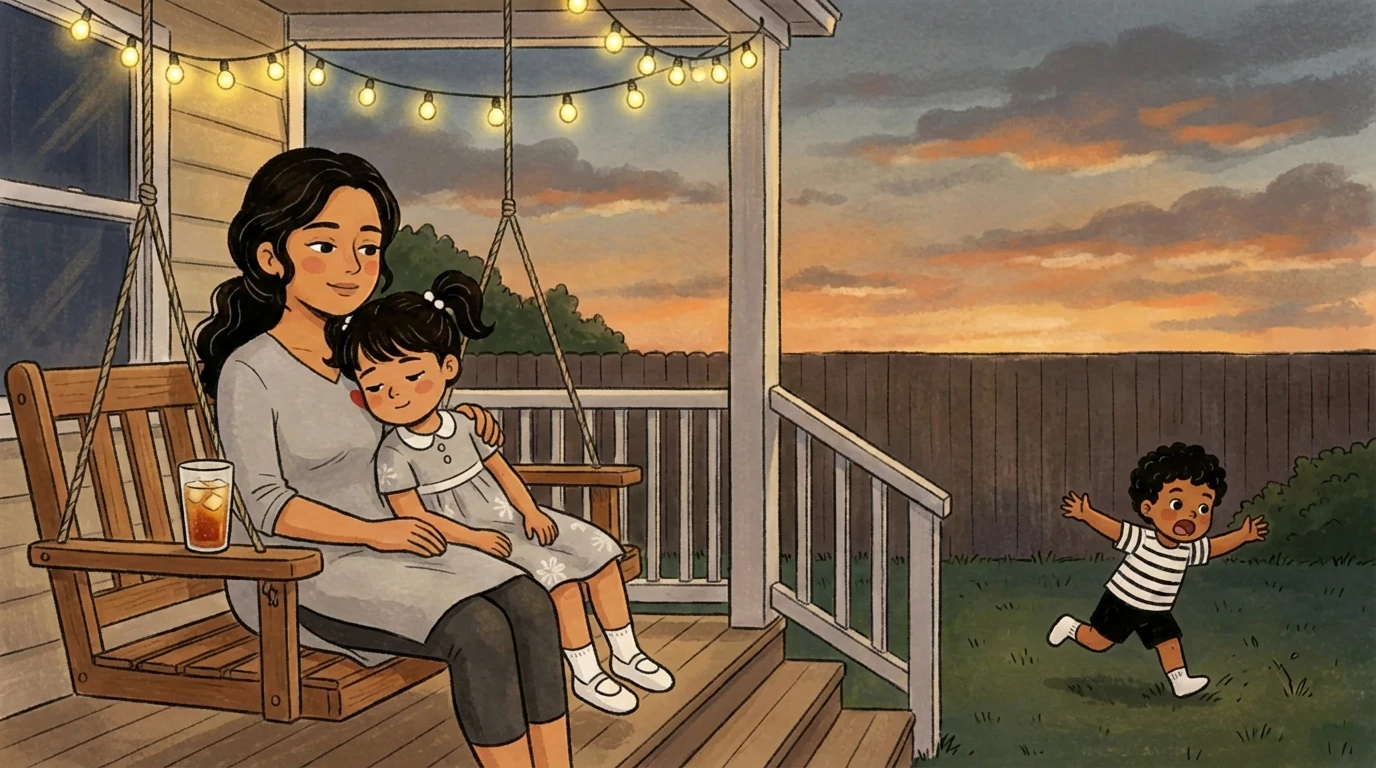
You will not get this right every day. The siblings who grow up close are the ones whose parents kept stacking positive moments even on the bad days, not the ones with perfect parents.
FAQ
Schedule structured sibling time with an activity both can enjoy. The older child can read to the younger one, teach them a card game, or lead an art project. Fifteen minutes daily of planned togetherness builds connection even when organic play does not happen naturally.
Respect the reluctant child's boundary while naming the other child's disappointment. Say 'Your brother needs alone time right now. That is hard when you want to play. Let's find something fun for you.' Forced togetherness breeds resentment, not closeness.
Let each child use a toy for as long as they want, up to the next meal. When they put it down, the other child asks 'Are you done with your turn?' Forced sharing teaches kids that crying gets results. Self-regulated turns teach patience and generosity.
Yes. Conflict is how children learn negotiation, empathy, and repair. It depends on whether they have enough positive interactions to balance it out. Aim for five good moments for every fight. Siblings who never fight usually just avoid each other.
Give each child predictable daily one-on-one time. Ten to fifteen minutes, phone off, their activity, their lead. When each child knows they have guaranteed undivided attention coming, the urgency to compete drops. Consistency matters more than duration.