TLDR
- Play is how children practice being human. Self-directed play creates low-stakes environments where kids rehearse high-stakes skills: emotional regulation, problem-solving, social negotiation, and recovering from failure.
- The decline of free play tracks with rising childhood anxiety. Developmental psychologist Peter Gray documented that as children's opportunities for free play dropped over recent decades, depression and anxiety in kids rose in parallel.
- Risky play reduces anxiety rather than creating it. Climbing higher, running faster, and exploring new territory teaches children they can face fear and survive it. Eliminating all risk eliminates the training ground for courage.
- Nature makes kids calmer, healthier, and more focused. Outdoor play lowers stress hormones, extends attention spans, protects vision, and boosts academic performance. The mechanism is physiological, not just about getting wiggles out.
- Parents need to go outside too. In modern life, kids can't be outdoors without adults present. The answer is restructuring family time so everyone is outside more, not sending kids out the door alone.
Your kid's brain is under construction (and play is the foreman)
You signed your three-year-old up for swim lessons, music class, and a preschool with a STEM curriculum. And yet, the thing building the most brain architecture right now might be the twenty minutes they spent poking a stick into a puddle while you checked your phone.
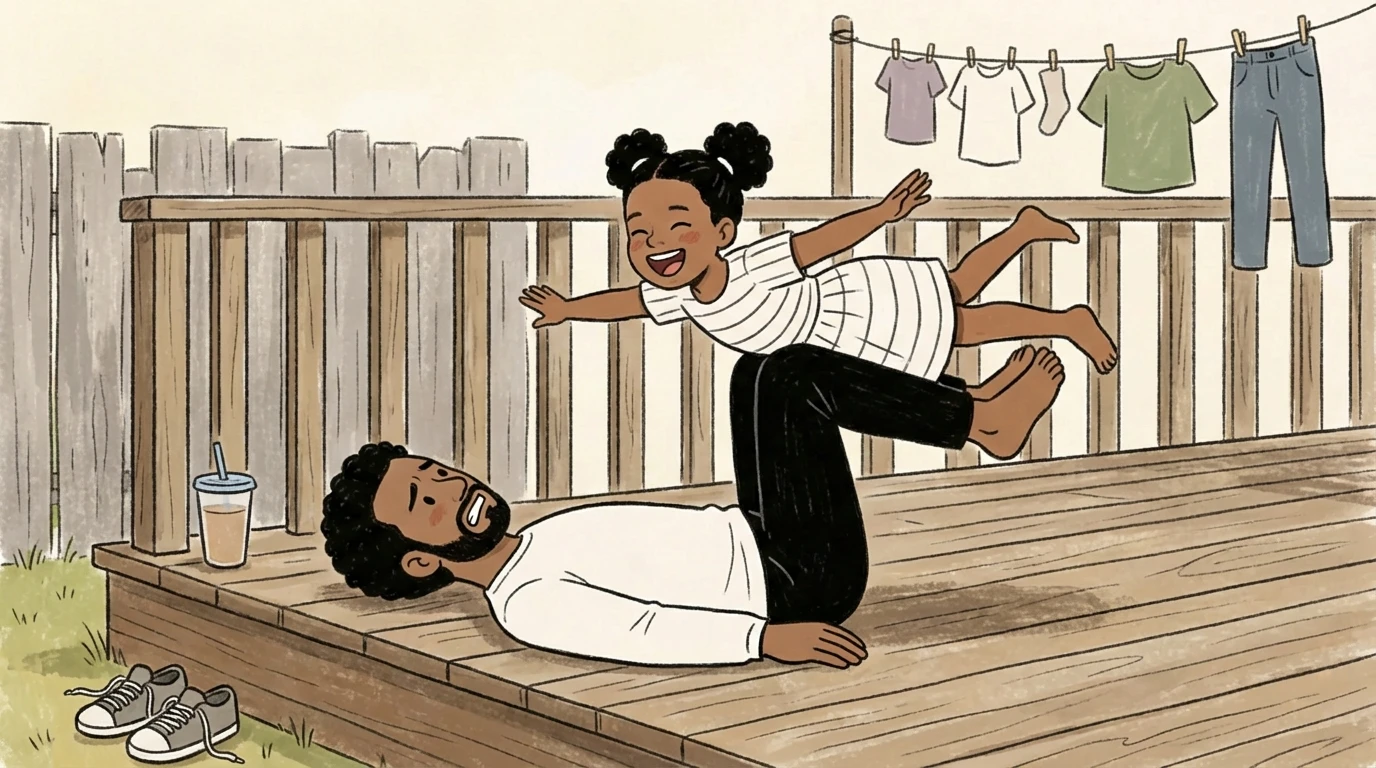
Play is how children wire themselves for life. When a game goes sideways, when they scrape a knee and have to decide whether to cry or keep going, they are running the same emotional regulation drills they'll need at 25 when a project falls apart at work. The stakes are small. The neural pathways being laid down are not.
Developmental psychologist Peter Gray has tracked something uncomfortable: as children's opportunities for free play have dropped over recent decades, rates of depression and anxiety in kids have climbed. Play provides the training ground where resilience gets built. Remove the training ground, and you remove the skill.
Guilty watching them just play
The Science of Parenting course will show you what play builds
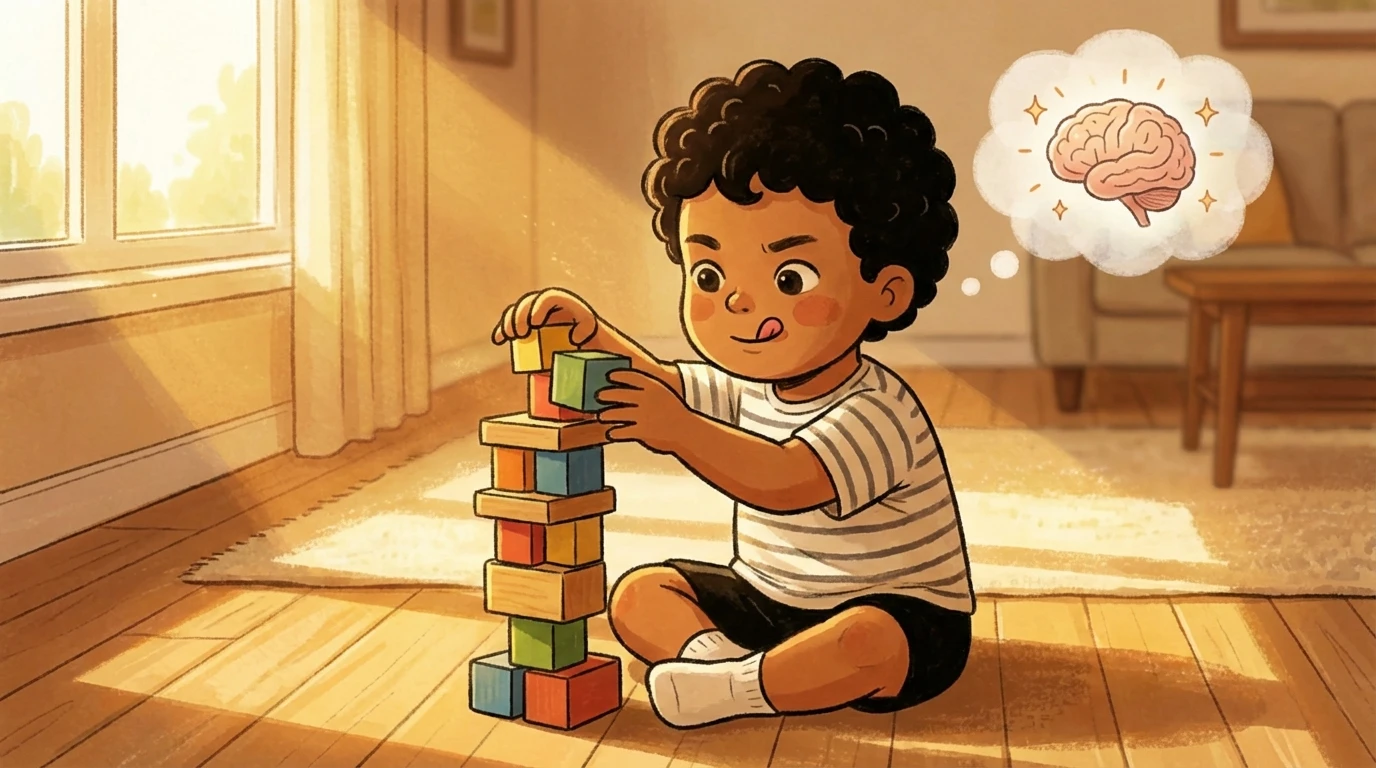
You'll watch your kid stack blocks knowing exactly which neural pathways are firing — no flashcards required.
What self-directed play teaches
Here's the part that makes structured activities look a little less impressive. When children direct their own play (no adult running the show, no rules printed on a laminated card), they develop four capabilities that are hard to build any other way.
Emotional regulation through repetition
A game of tag that ends in tears. A tower that keeps falling down. Losing at cards to a sibling who gloats. These micro-frustrations are reps. Each one gives a child practice at calming down from disappointment in doses small enough to manage. The emotional challenge of losing a board game is real, but it won't break them. That's what makes it perfect training.
Confidence that's earned, not awarded
When a kid finally catches the ball after missing it forty times, that confidence comes from their body knowing they did something hard, not from you saying "great job." Self-efficacy built through direct experience sticks in a way that praise alone never will.
Problem-solving under pressure
Negotiating the rules of a made-up game. Fixing a bike chain with a rock because you're a mile from home. Inventing a new game because everyone is bored with the old one. These activities stretch executive functioning (planning, flexibility, self-control) in ways that worksheets and structured lessons miss entirely.
Social skills you can't teach from the couch
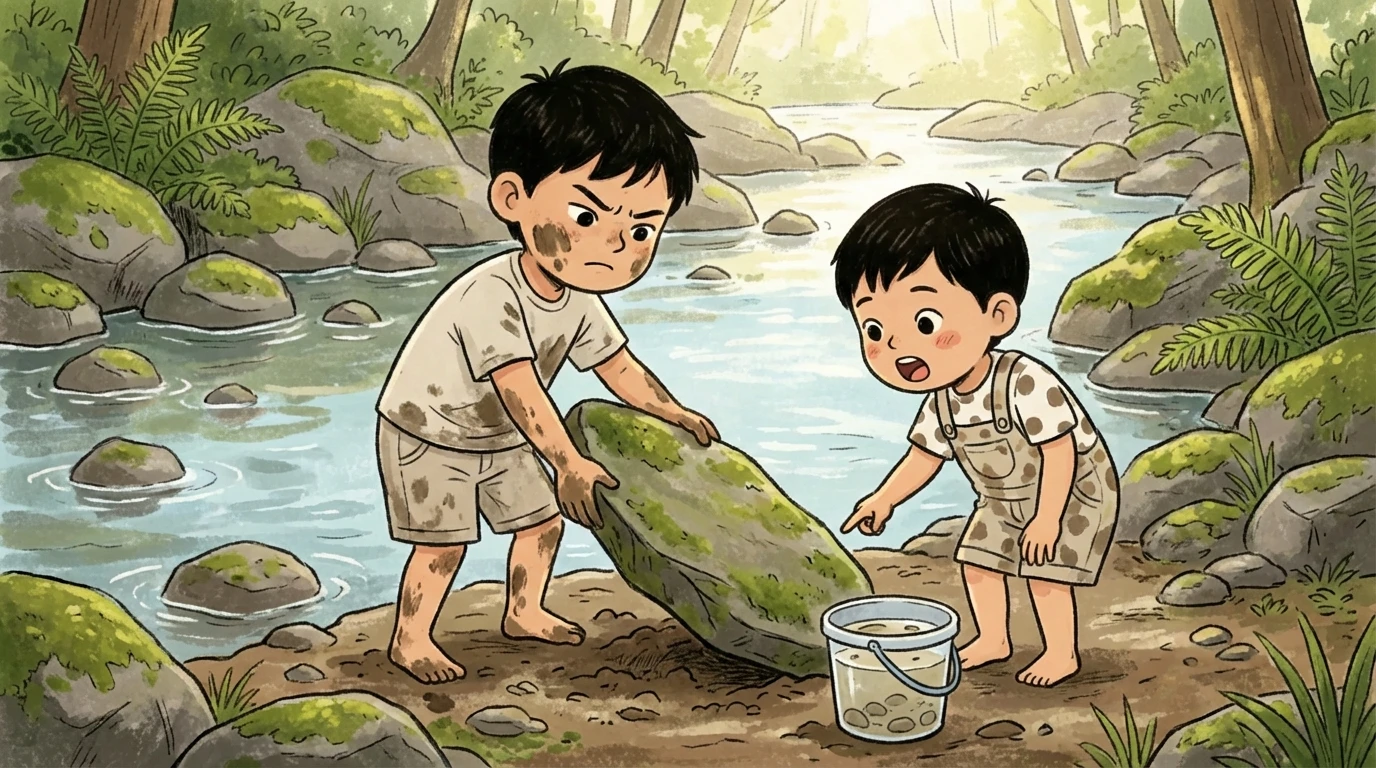
Peer play teaches sharing, negotiating, handling disagreements, and working toward something together. And here's what makes it different from adult-led group activities: when children run their own play, they have to build consensus, manage conflict, and maintain relationships to keep the game alive. Nobody assigned them a partner. Nobody is moderating. The social skills emerge because the play demands them.
This is why early social development through play matters so much. When your toddler is fighting over a shovel at the sandbox, they are enrolled in a crash course on human negotiation.
How to protect your child's play time
- Block unstructured time every dayTreat free play like an appointment that can't be bumped for another activity. Your child decides what to do with this time. You decide that it exists.
- Step back when they struggleWhen the block tower falls or the game isn't working, resist fixing it. The struggle is the point. Growth happens in the gap between frustration and figuring it out.
- Say yes to safe riskClimbing a tree, balancing on a wall, racing down a hill. Each one is a practice run for courage. Stay close enough for real danger, far enough to let them stretch.
- Get outside togetherParks, backyards, trails. Outdoor play is less structured by default, which means more imagination and more physical movement. Your kid needs both the space and your willingness to be out there.
- Put your phone awayNot on silent. Away. Your child will play differently when they know you are watching, present, and not scrolling. And you'll see things you would have missed.
Why "scary" play is the opposite of dangerous
Your kid wants to climb higher. Your stomach drops. Every parental instinct screams "get down from there." But researcher Ellen Sandseter found something counterintuitive: play that feels "just a little bit scary" (climbing, racing, exploring somewhere new) reduces anxiety and phobias rather than creating them.
The mechanism is simple. Children discover they can face fear and come out the other side. Each type of risk teaches a specific lesson:
- Physical risk (climbing and sometimes slipping): body awareness and balance
- Speed risk (biking down a hill too fast): understanding control and limits
- Social risk (joining a group, telling a joke that bombs): recovery when things go sideways
Mistakes in play are how children learn, in safe doses, to handle bigger challenges later. Your job is to make sure the risks happen in contexts where the consequences are survivable and instructive.
Here's the trap: when you eliminate all risk, you also eliminate the opportunities for courage, resilience, and judgment to develop. The gift you give by letting your child stretch (while staying close enough for real safety) is the lesson that fear can be faced and setbacks aren't fatal.
Take the whole operation outside
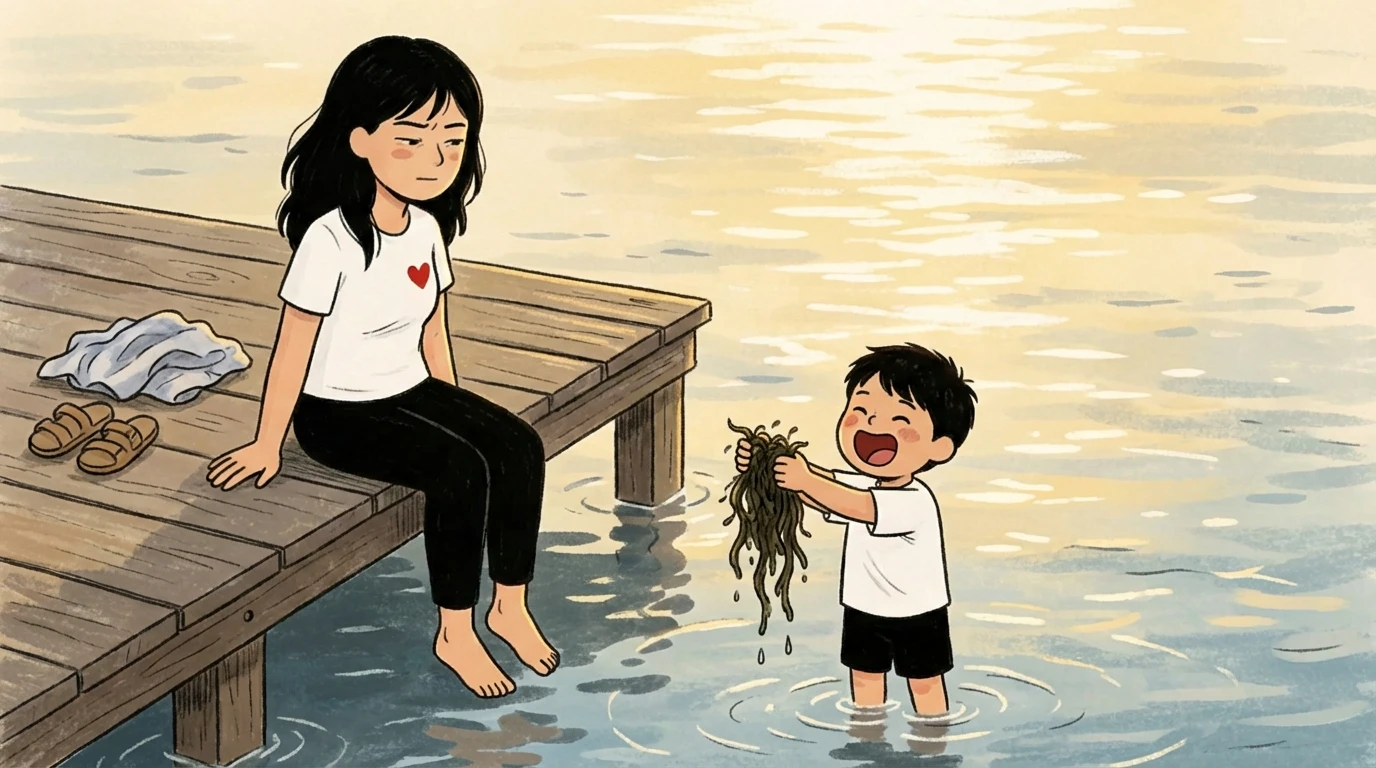
Fresh air is physiologically active. Time in nature lowers stress hormones and blood pressure in both children and adults. Kids who play outdoors have longer attention spans, better test scores, better vision, and stronger protection against obesity. Children with ADHD show reduced symptoms after time outside.
The nature problem most families face
The average modern child spends most of their time indoors, and the reasons are practical: no yard, no neighborhood kids outside, safety concerns that require supervision, and the gravitational pull of screens. You can't just open the door and say "go play" the way your parents did.
The real solution is boring but effective: you go outside too. Screen-free outdoor activities become the default when parents restructure the family's time rather than trying to push kids out the door alone.
Making it work without a production
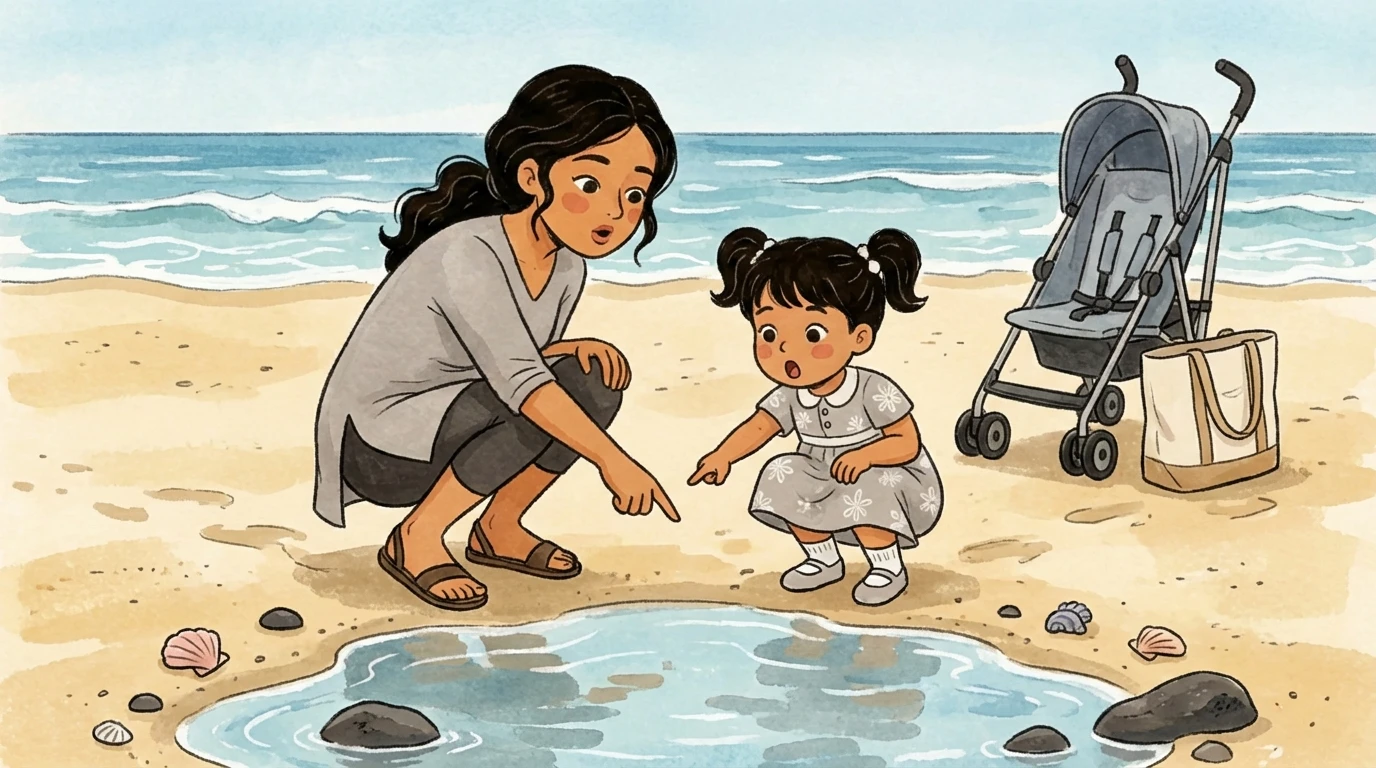
You don't need a national park. A bucket of water with funnels and cups in a backyard. A nature walk where you collect rocks. A blanket and a frisbee at the park. The entry cost is low. The real barrier is putting your phone in your pocket and being present while your child discovers what happens when you pour water on an anthill.
Turn off the phones (yours, theirs, really) and let boredom do its job. When there's nothing to do and no screen to fill the gap, children invent. They imagine. They exercise the same creative muscles that outdoor play and nature have been building in kids for thousands of years.
The connection to everything else
Play is development. The emotional regulation your child practices when a game goes wrong is the same regulation they'll need when a friendship falls apart at fourteen. The early bonding that happens through playful interaction in infancy sets the stage for every relationship that follows.
Every hour of protected, unstructured play is an investment in the adult your child is becoming. The returns are measurable: better emotional health, stronger social skills, more resilience, less anxiety.
So the next time your child is poking a stick into a puddle for the fifteenth consecutive minute, consider the possibility that nothing you could offer would be more productive than what they're already doing.
FAQ
There is no single magic number, but pediatricians recommend at least one hour of active physical play daily. Beyond that, protecting blocks of time where your child chooses what to do (with no adult agenda) is what matters most. Even thirty minutes of truly self-directed play builds skills that structured activities miss.
Yes, within reason. Research by Ellen Sandseter shows that play involving manageable risk (climbing, balancing, exploring) reduces anxiety rather than creating it. Your job is to ensure the environment is safe enough that mistakes are survivable, not to eliminate the possibility of mistakes entirely.
This is normal, especially for older kids. The fix is making outdoor time a family habit where you are present and engaged. Children follow what their parents do, not what their parents say. Go outside together and the screens lose some of their pull.
Yes. Research consistently shows that children who have recess and outdoor play before academic tasks perform better on tests, have longer attention spans, and show more frustration tolerance in the classroom. Physical activity sends oxygen to the brain that enhances cognitive function, which goes well beyond just burning energy.