Parenting Science

1
Attachment theory in plain english: What secure attachment really means
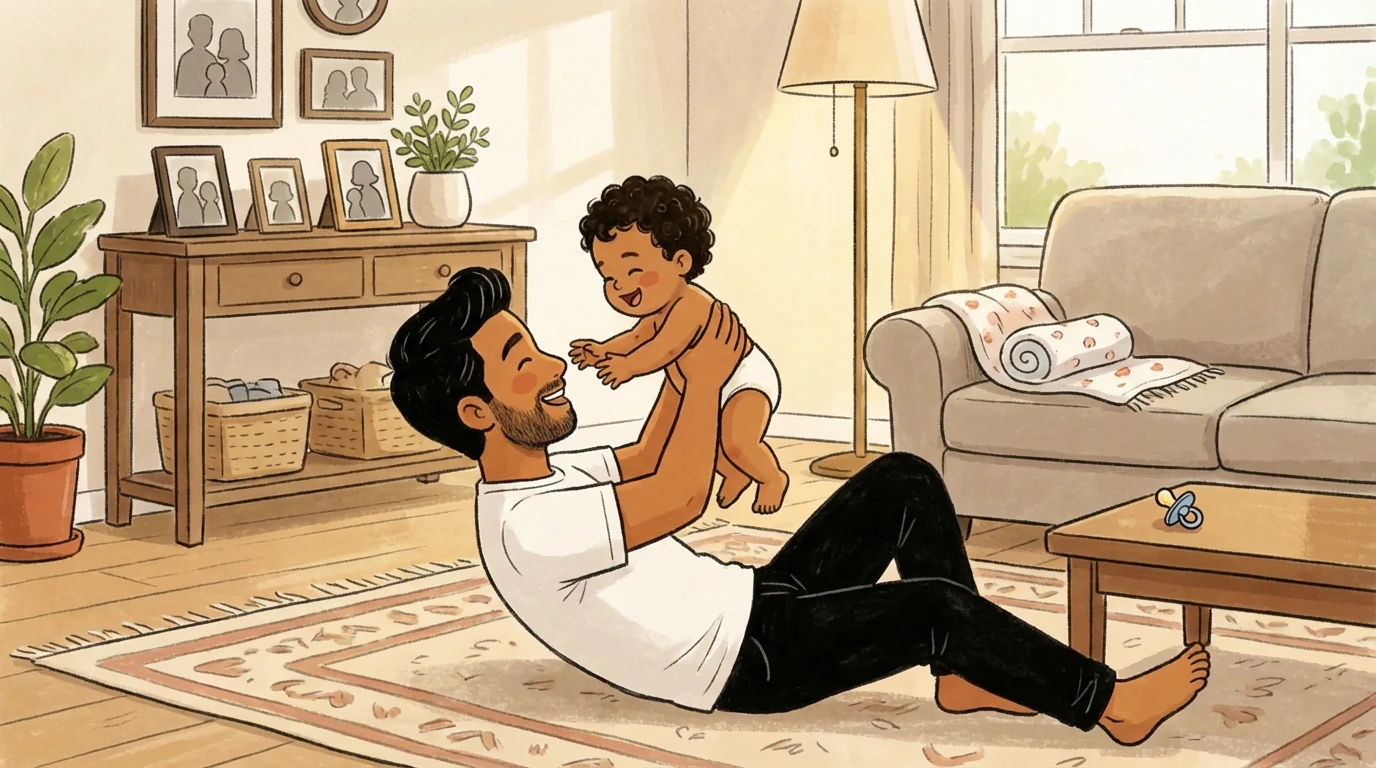
Attachment theory got hijacked by parenting culture. The actual science doesn't care about breastfeeding or co-sleeping. It cares whether your child trusts you'll show up.

Last updated

2
The developing brain: Why kids can't 'just behave' (prefrontal cortex explained)
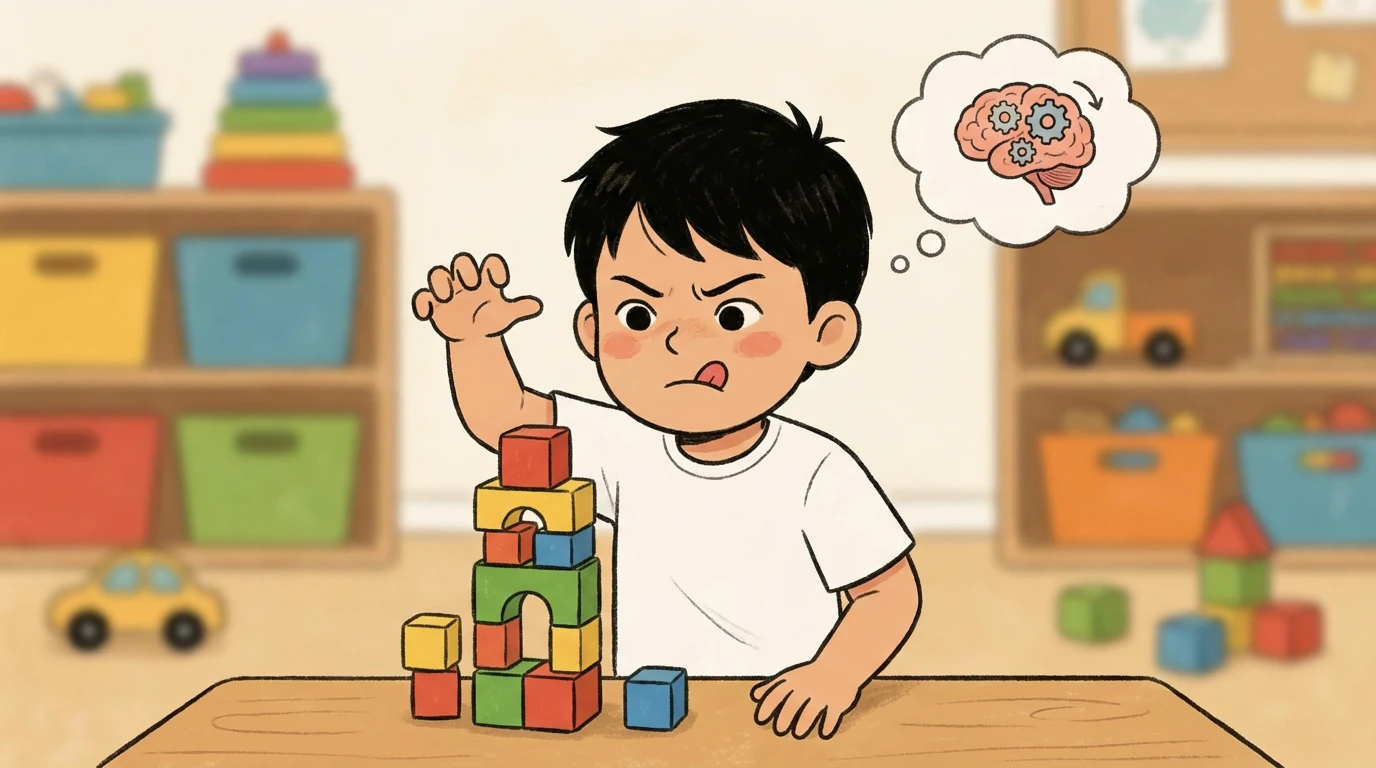
Impulse control doesn't come online until age 5-7. Until then, your child's emotional wiring runs every decision with zero brakes. Not defiance — biology.

Last updated

3
Co-regulation and the neuroscience of how your calm becomes their calm
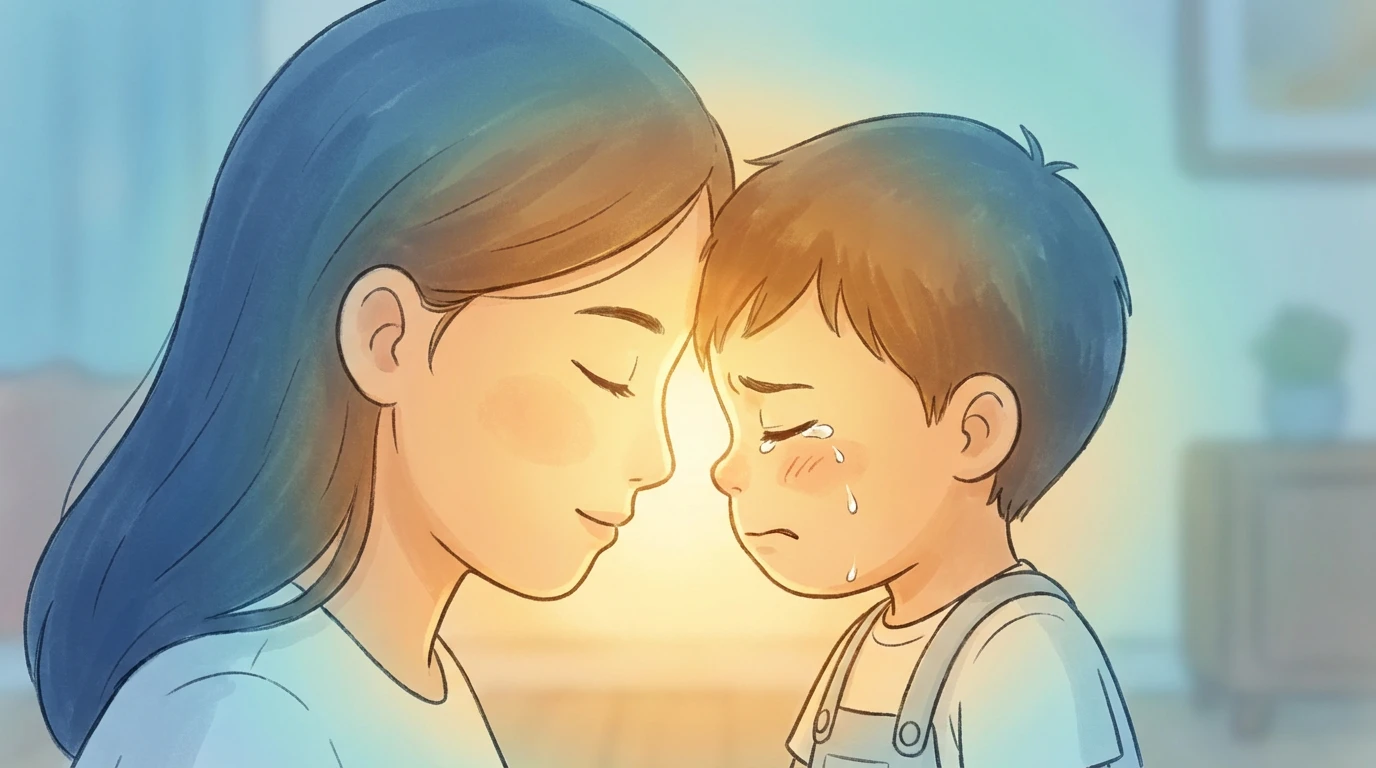
Your steady breathing talks directly to your toddler's survival brain. The neuroscience of why logic fails mid-meltdown, and 4 body-level tools that reach them.

Last updated

4
Polyvagal theory for parents: Why your nervous system runs the show
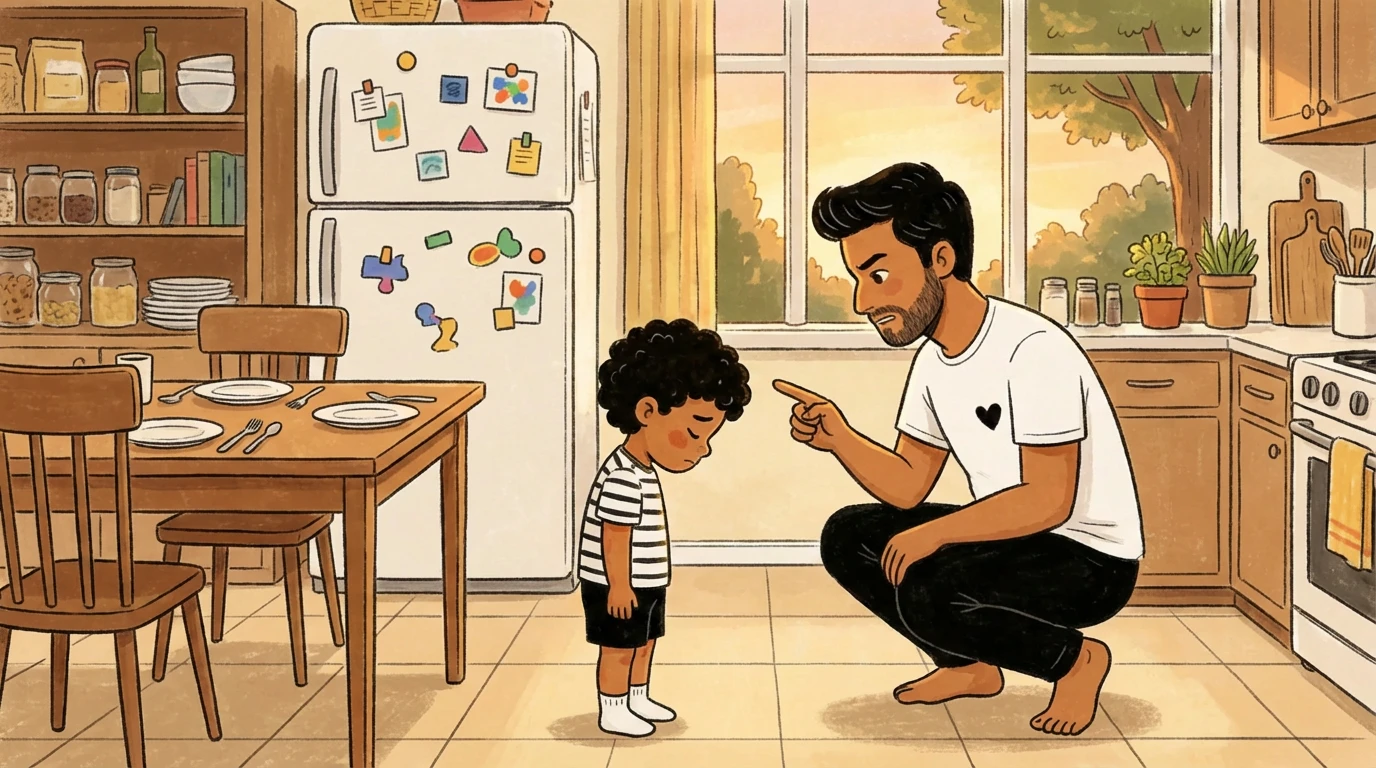
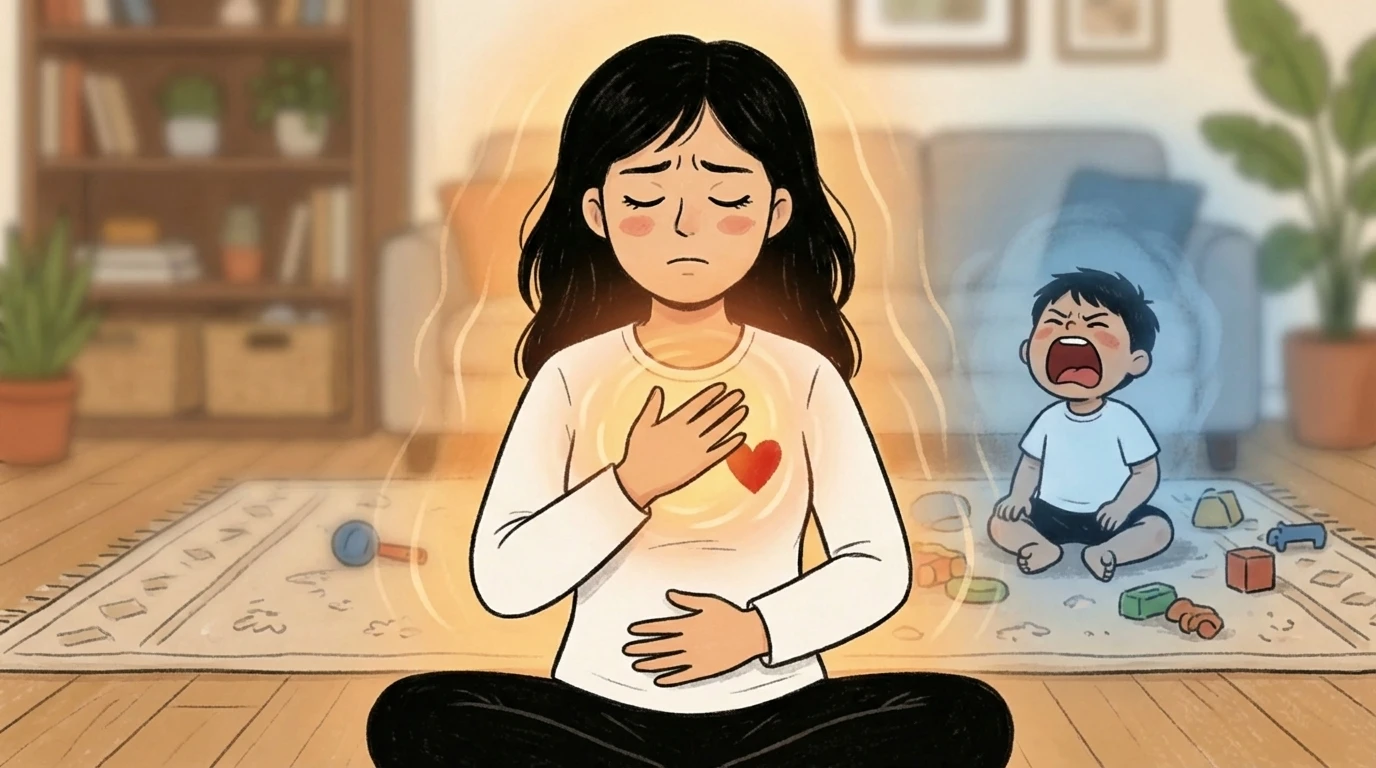
Your body picks fight, flight, or shutdown before your brain weighs in. Spot your state, then use the matching strategy to co-regulate with your child.

Last updated

5
Why punishment backfires: The brain science of consequences, shame, and fear
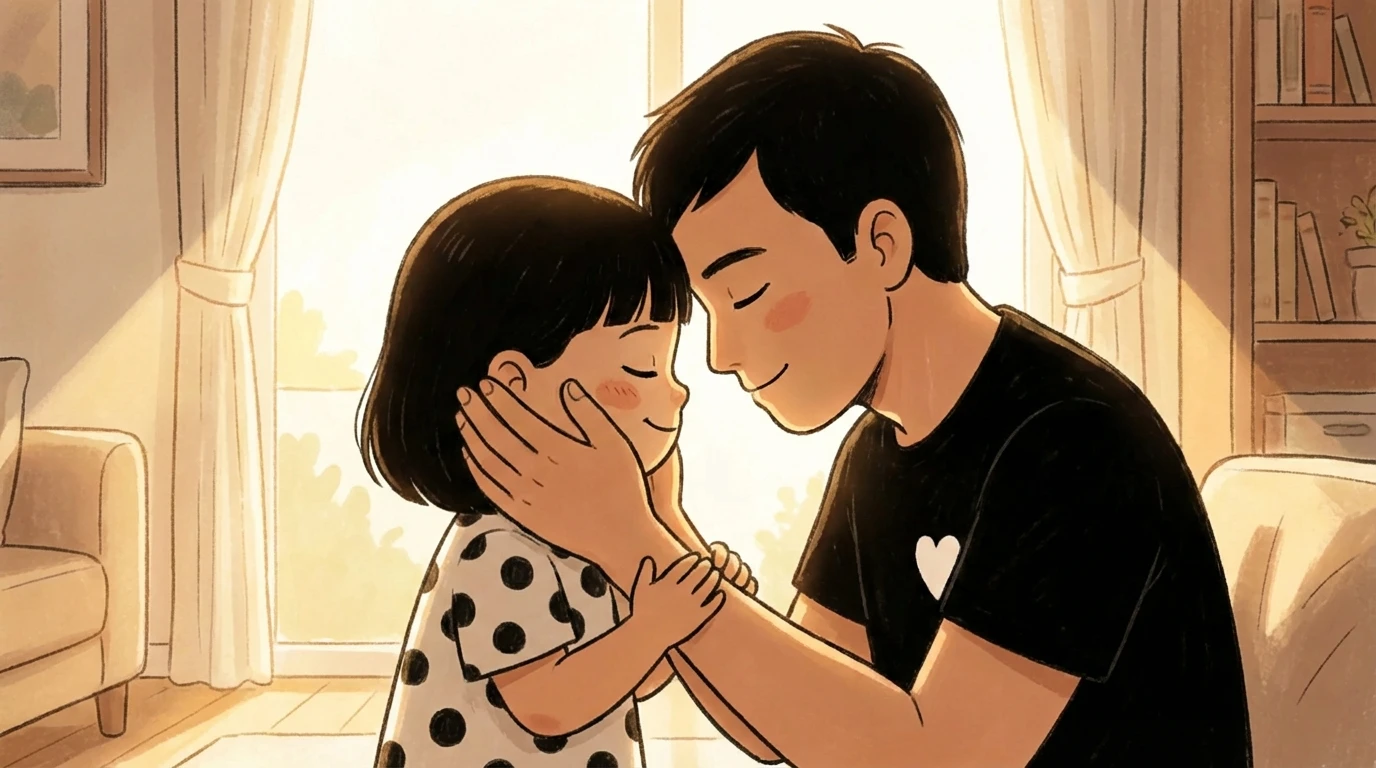
Cortisol shuts down your child's learning center during discipline. They learn to hide, not do better. Specific, in-the-moment praise rewires the pattern.

Last updated

6
The research behind connection-based parenting: What studies show
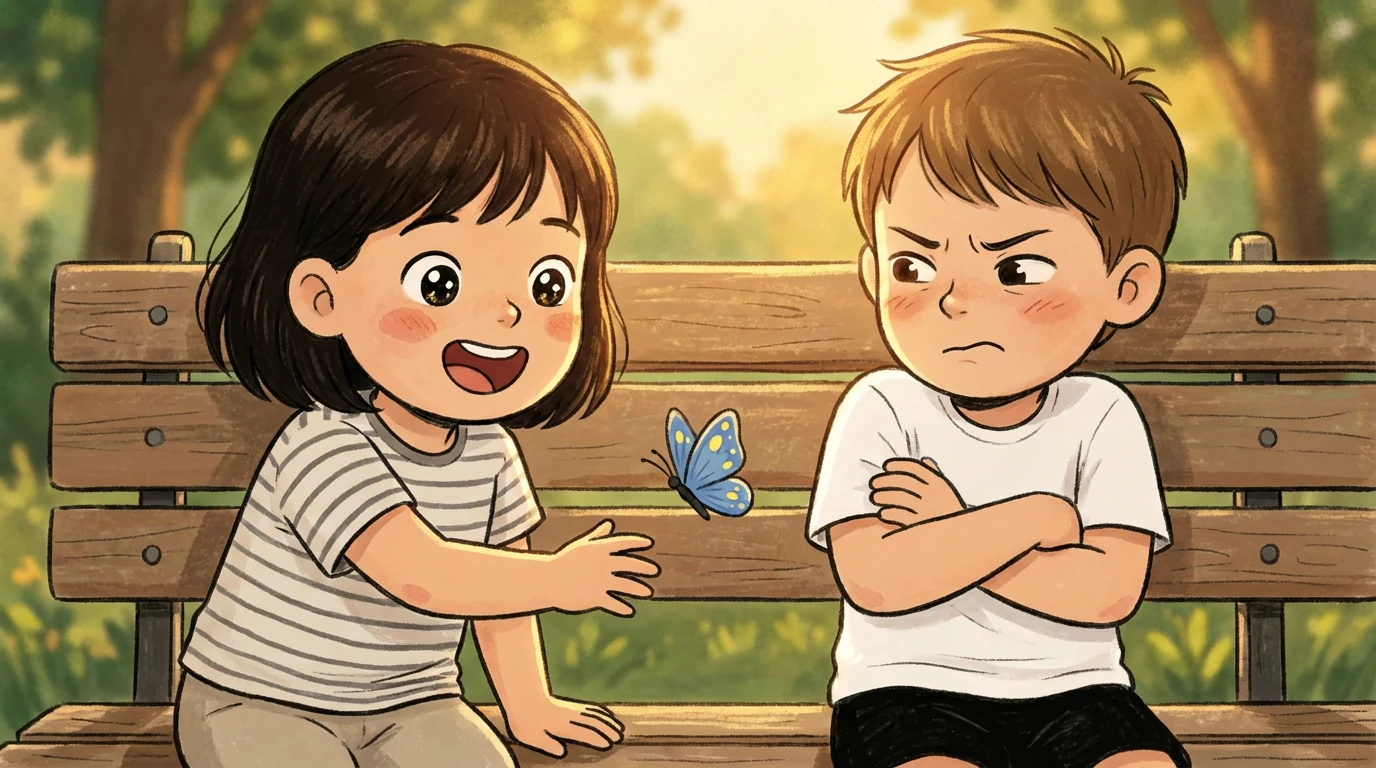
Secure attachment predicts better health, grades, and behavior into adulthood. Why limits with empathy build self-discipline, and why punishment consistently backfires.

Last updated

7
The science of temperament: Why kids are wired differently
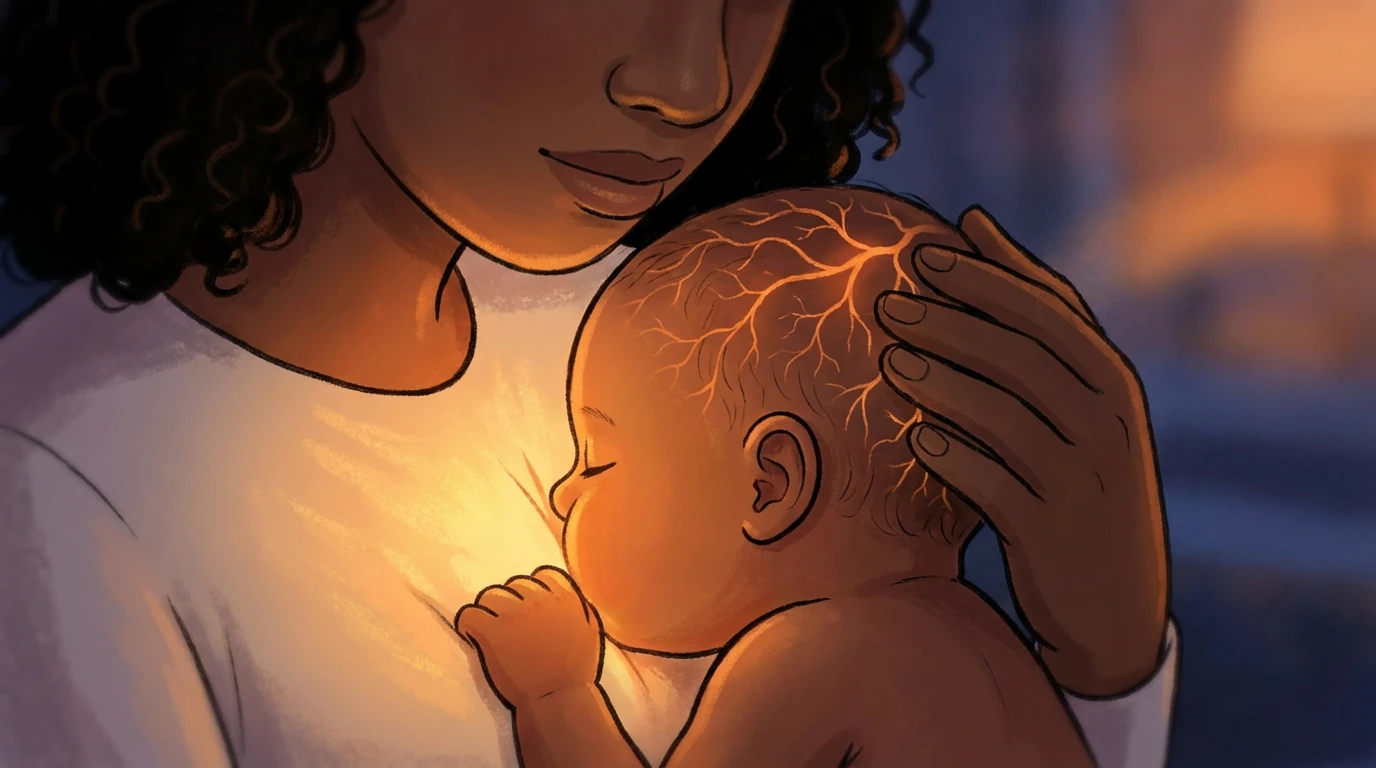
40-60% of your child's personality is genetic. The rest you can shape. Practical ways to stop fighting their nature and parent to their strengths.

Last updated

8
How soothing babies grows their brains: The neuroscience of responsiveness
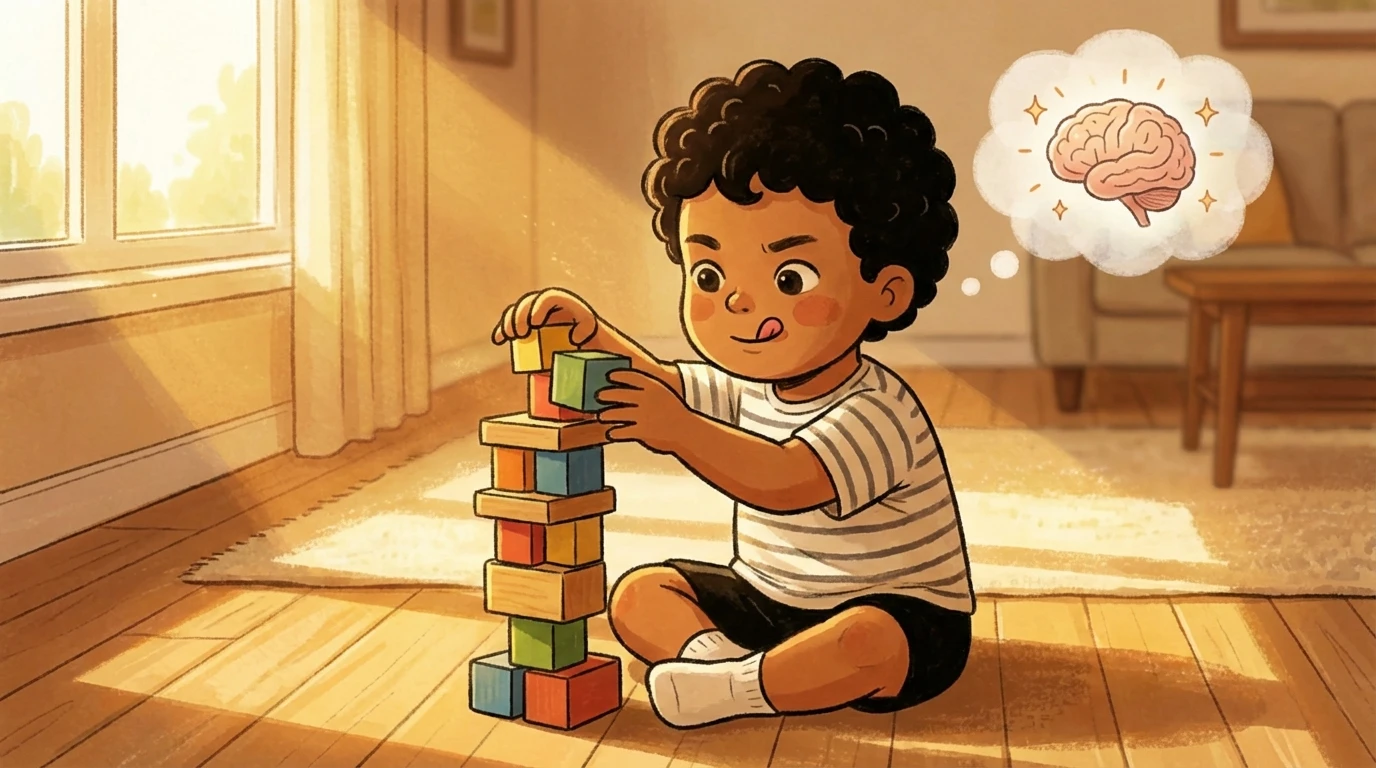
When you comfort your crying newborn, oxytocin fires and neural pathways form. They can't calm themselves yet. Your response wires that skill for life.

Last updated

9
Why play matters more than you think: The research on play and brain development
When your child directs their own games, they practice calming down, facing fear, and recovering from setbacks. What to protect and what to skip.

Last updated

Free Download

Get Your Your Child's Brain Development Guide

Enter your email and we'll send Your Child's Brain Development Guide straight to your inbox — free, instant, no strings attached.