TLDR
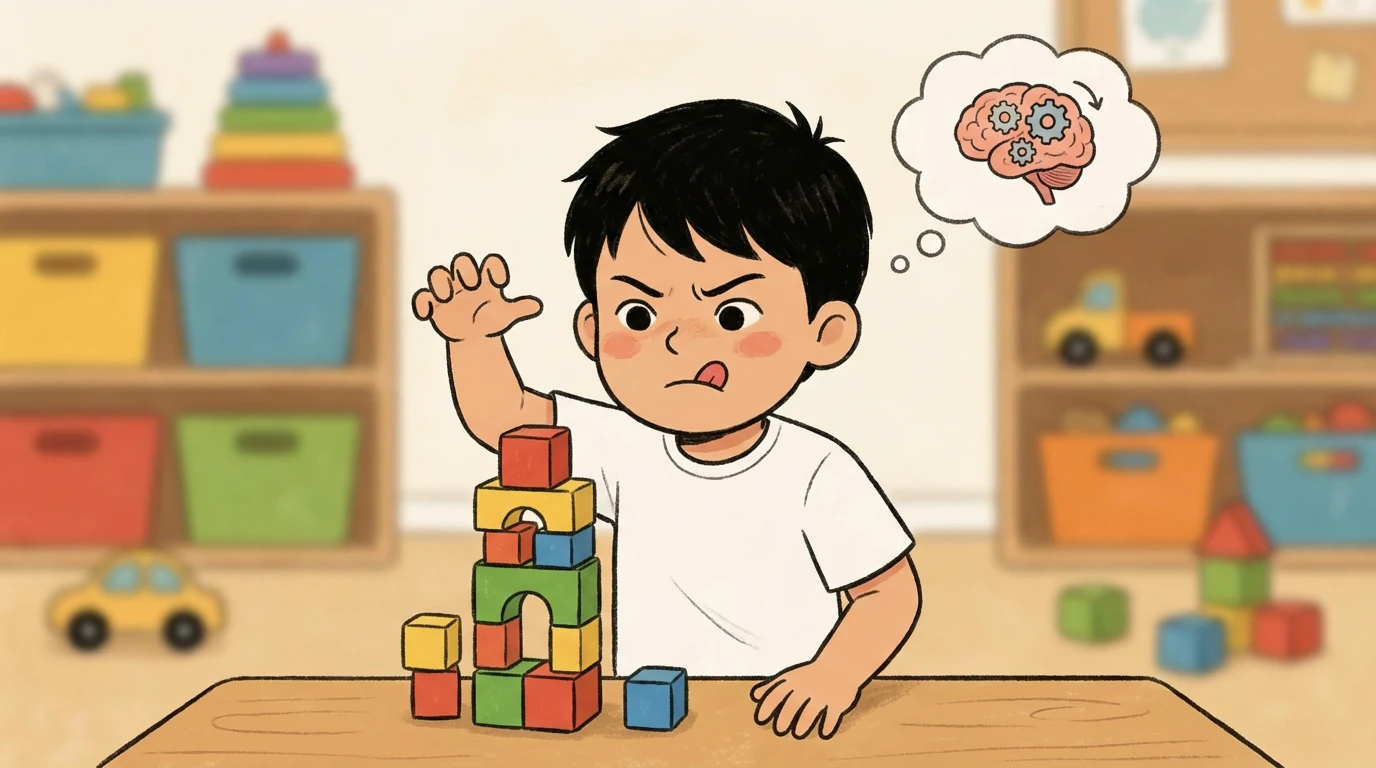
- The emotional brain is fully online at birth. The logical brain is not. The amygdala handles fear, anger, and big feelings from day one. The prefrontal cortex, which handles impulse control and reasoning, does not start developing until ages 5 to 7. Some kids, closer to 8 or 9.
- Expecting a toddler to 'use their words' is like expecting them to drive. The brain region required for that skill is under construction. You can model it, but you cannot demand it. The wiring is not there yet.
- Punishment shuts down the part of the brain you are trying to build. Stress hormones from punishment activate fight-or-flight and block access to the prefrontal cortex. The child cannot learn from the experience because the learning center just went offline.
- Co-regulation builds the circuits your child will eventually use alone. Every time you stay calm during their meltdown, you are lending them your prefrontal cortex. Over time, those repeated experiences wire their own regulation capacity.
- The brain changes around age six, and the investment pays off. Children raised with empathic limits and co-regulation become visibly more emotionally mature than peers. The neural pathways built through years of patient response start working independently.
Your three-year-old is not giving you a hard time
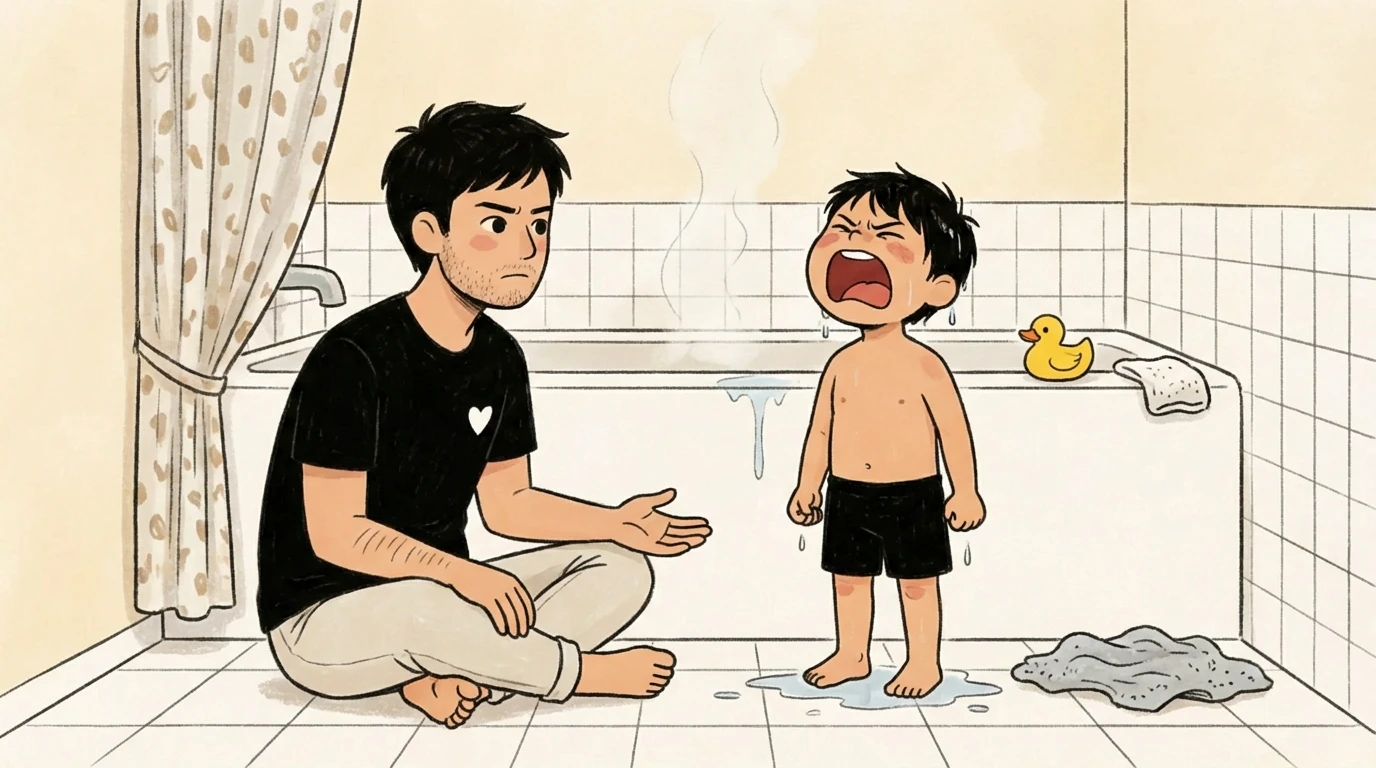
Picture this: your kid is on the floor of the grocery store because you put the bananas in the wrong spot in the cart. Not the wrong spot in the store. The wrong spot in the cart.
You are standing there, other shoppers performing their best "I would never" face, and the thought lands: What is wrong with this child?
Here is your answer: nothing. Their brain is doing exactly what a brain at that age does. The part responsible for logical thinking, impulse control, and emotional regulation has not been built yet.
The prefrontal cortex, the region that allows humans to pause before reacting, consider consequences, and regulate emotions, does not begin developing until ages 5 to 7. For some kids, that timeline stretches to 8 or 9. Full maturation? Not until the mid-twenties.
That means every time your toddler has a meltdown in the cereal aisle, they are operating with a fully loaded emotional brain and almost zero braking system.
Asking them to use their words
The Science of Parenting course will show you what their brain can do
You'll match your expectations to their developmental stage instead of repeating instructions they can't follow yet.
Two brains, one online
Think of it as two systems running in parallel, except one of them is still being assembled.
The emotional brain (amygdala)
Fully operational at birth. It handles fear, anger, anxiety, shame, and the fight-or-flight response. Fast, reactive, zero concern for context. It is the reason your toddler screams when you break the cheese wrong.
The logical brain (prefrontal cortex)
This is the system responsible for: thinking before acting, understanding consequences, seeing someone else's perspective, managing frustration without hitting, and waiting for things.
It is under construction. The scaffolding is up, but the building is not finished. And it will not be finished for years.
The imbalance is the whole story. A fully operational alarm system generating intense emotions, and zero capacity to regulate them. The tantrum is the only output the system can produce.
What this looks like at every age
The prefrontal cortex does not flip on like a switch. It builds in layers, and each stage comes with predictable behavior that looks like defiance but is development.
Ages 1 to 3
They refuse to share. They throw food off the highchair to see what happens. They say "no" to everything, including things they want. They hit when they are frustrated because their mouth cannot form the sentence "I am angry that you took my block."
They are scientists running experiments with the only tools available.
Ages 3 to 5
They insist on doing everything themselves, then melt down when it does not work. They are inflexible about routines. They test every boundary you set, not because they are trying to break you, but because testing boundaries is how an underdeveloped brain maps the world. They cannot yet understand why limits exist. The reasoning hardware is not installed.
Ages 5 to 7
The first real signs of impulse control appear. They can talk themselves through simple problems and are generally more cooperative. But they still have periodic meltdowns, difficulty seeing other perspectives, and increasing fears. The brakes are starting to work, but they are not reliable yet.
Ages 8 to 9
Now they can think logically, recognize other people's feelings, and cope with anger using real strategies. This is the prefrontal cortex coming online. Everything you did in those earlier years built the circuits they are now using independently.
Why punishment makes it worse
Here is where the brain science gets practical. When you punish a child for behavior their brain cannot yet control, you are not teaching a lesson. You are activating their stress response.
Punishment, whether it is yelling, time-outs, or consequences delivered in anger, floods the child's system with adrenaline and cortisol. Those stress hormones shut down access to the prefrontal cortex. The learning center of the brain goes offline the moment the child feels threatened.
The child may comply out of fear. But no lasting learning happens. No internalization. No growth of the very circuits you are trying to build.
And it gets worse. Chronic stress from punitive responses does not just block learning in the moment. It slows the development of the prefrontal cortex itself. The part of the brain you most want to grow is the part most damaged by the approach you are using to "fix" the behavior.
How to work with your child's developing brain
- Name what you see, not what you wantInstead of 'stop crying,' try 'you are really upset right now.' Labeling the emotion helps their brain start building pathways between feeling and language. You are doing prefrontal cortex construction work.
- Regulate yourself firstYour nervous system talks to theirs before your mouth does. If you are in fight-or-flight, they will match you. Stop, breathe, let your shoulders drop. Their brain reads your body, not your words.
- Wait for calm before teachingTeaching moments only work when the prefrontal cortex is accessible. During a meltdown, that region is offline. Stay close, stay steady, and save the lesson for after the storm passes.
- Set limits without shameHold the boundary ('I will not let you hit') while accepting the feeling ('you are so mad right now'). The limit stays. The emotion is allowed. Both are true at the same time.
- Track physical statesA tired, hungry, or overstimulated child has even less access to their developing prefrontal cortex. Low blood sugar alone can take a regulated kid and turn them into a floor-screaming stranger. Snacks are brain science.
Co-regulation is construction work
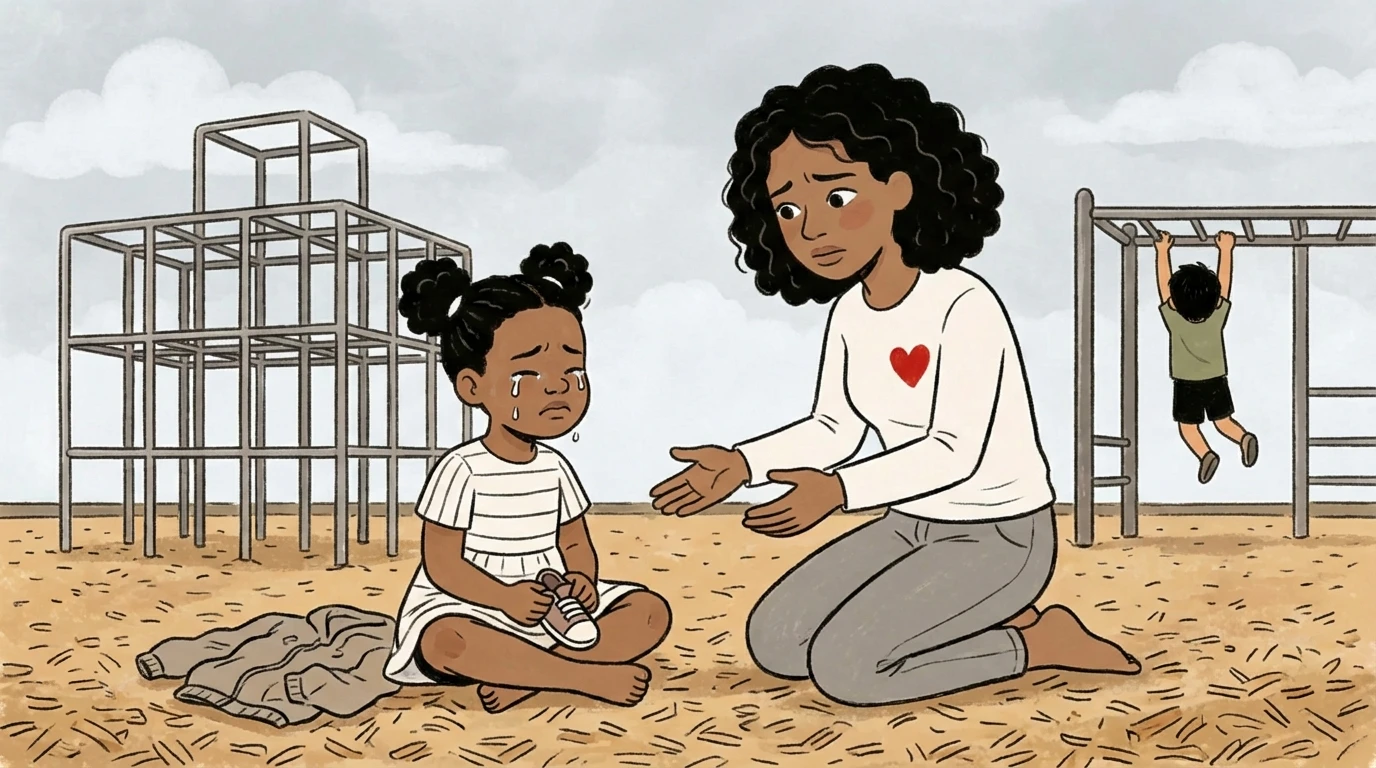
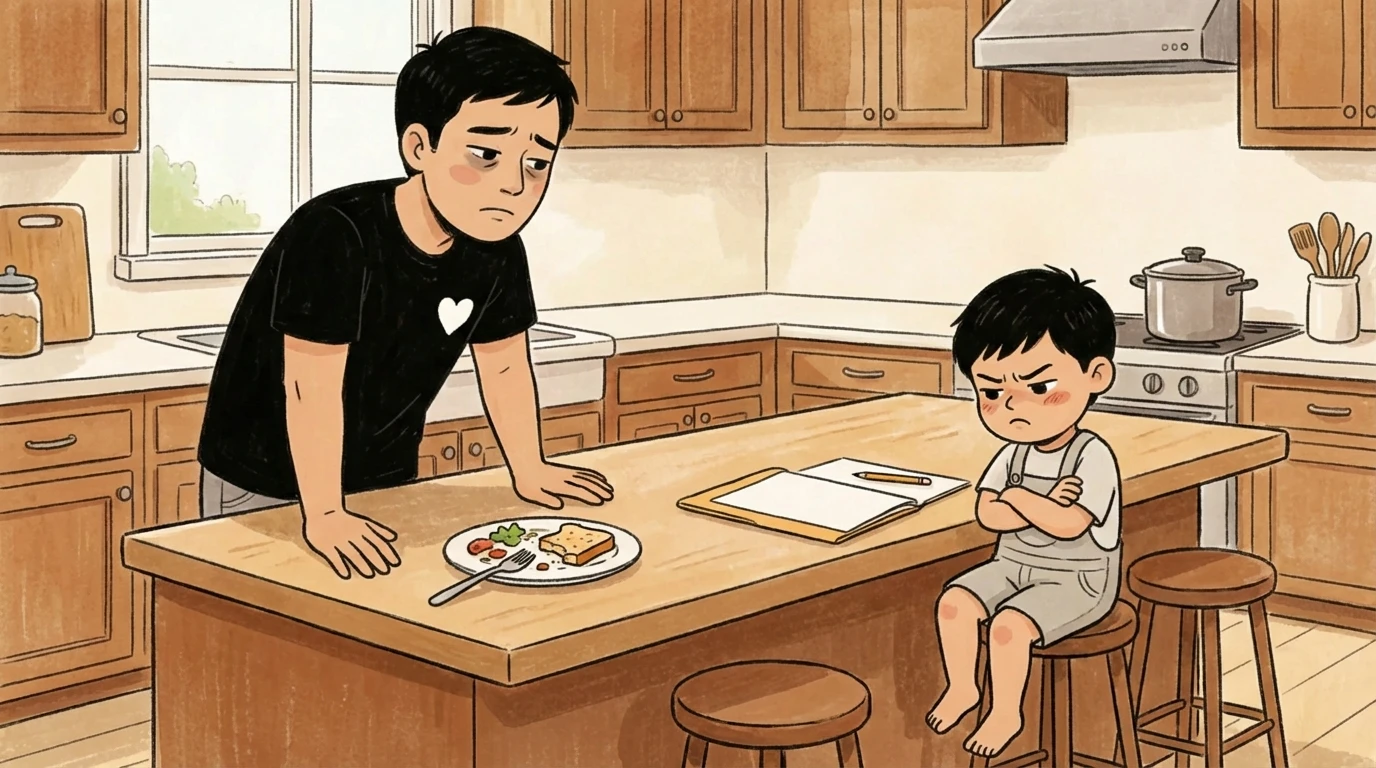
When your child is melting down and you stay regulated, something measurable happens in their nervous system. Your calm signals safety. Safety interrupts their stress response. Their amygdala stops screaming, and whatever sliver of prefrontal cortex they have comes back online.
This is co-regulation, and it is the mechanism by which your child's brain learns to self-regulate.
Every time you lend them your calm, you are building their capacity to find their own. The parent's regulated state becomes the template for the child's developing self-regulation. This is why teen emotional volatility still has roots in these early years. The wiring laid down through co-regulation in toddlerhood is the same wiring teenagers draw on when they are overwhelmed.
And you do not have to get it right every time. Research shows parents need to be attuned about 30 to 50 percent of the time. What matters more than perfection is repair: you lost your temper, you come back, you reconnect. Every repaired rupture teaches the brain that relationships survive mistakes.
The age-six shift
Around age six, something visible happens. Children who have been raised with empathic limits and co-regulation start to look different from their peers. They are more cooperative, not because they are afraid of consequences, but because they have internalized the boundaries. They manage anger without exploding because the prefrontal cortex circuits built through years of patient co-regulation are now functioning on their own.
The investment is invisible for years, and then suddenly it is not. That is the nature of brain development. You are pouring concrete for a foundation you cannot see until the building rises.
The prefrontal cortex is still developing well into adulthood, so nothing becomes effortless at six. But the trajectory shifts. The child who was met with empathy during meltdowns becomes the child who can meet themselves with empathy.
What you are doing at 2 AM
The next time you are crouched beside a sobbing child at an hour no human should be awake, know this: you are not just surviving the moment. You are building a brain. Every patient response lays down neural pathways. Every "I am right here" strengthens circuits that will eventually let them handle hard things without you.
The behavior will pass. The brain you are building will not.

FAQ
The prefrontal cortex begins developing around ages 5 to 7, and impulse control improves gradually from there. Full maturation does not happen until the mid-twenties. You will see meaningful progress in the early school years, but expecting consistent self-control before age 5 is expecting hardware that has not been built yet.
No. Limits are necessary and important. The key is how you deliver them. Hold the boundary firmly while accepting the emotional response. All feelings are allowed; not all behavior is. You can stop the hitting without shaming the anger behind it.
Development timelines vary. Some children, especially highly sensitive ones, reach emotional regulation milestones later than peers. If your 7-year-old still melts down, it does not mean you have failed. It means their particular brain is still building those circuits. Consistent co-regulation remains the most effective response.
Co-regulation means staying calm and present during your child's distress while holding the boundary. You are not removing the limit. You are removing the threat. The child learns that big feelings are survivable and that the boundary still stands, both at the same time. That is the opposite of giving in.