
TLDR
- Teen emotional volatility is developmental, not personal. The prefrontal cortex is under construction until the mid-twenties. Your teenager does not yet have the hardware to regulate emotions the way you do. The moodiness is a feature of the timeline, not a defect in your kid.
- Your reaction determines the trajectory. When you match their intensity, you confirm that losing control is how adults handle conflict. When you stay regulated, you become living proof that big feelings do not have to run the show.
- Self-centeredness at this age is normal, not narcissism. Teens are doing the developmental work of building a self. That project consumes most of their bandwidth. They are not ignoring your feelings on purpose. They genuinely do not have the spare capacity to notice.
- The worry line is about function, not frequency. A teen who has a terrible afternoon but recovers by evening is fine. A teen who cannot get to school, maintain friendships, or function at home for weeks needs professional support.
- Connection survives moodiness. Disconnection does not survive your reaction to it. The teens who come through this phase with their parent relationship intact had parents who held limits without cruelty and treated the volatility as temporary.
The kid who slammed the door used to hold your hand
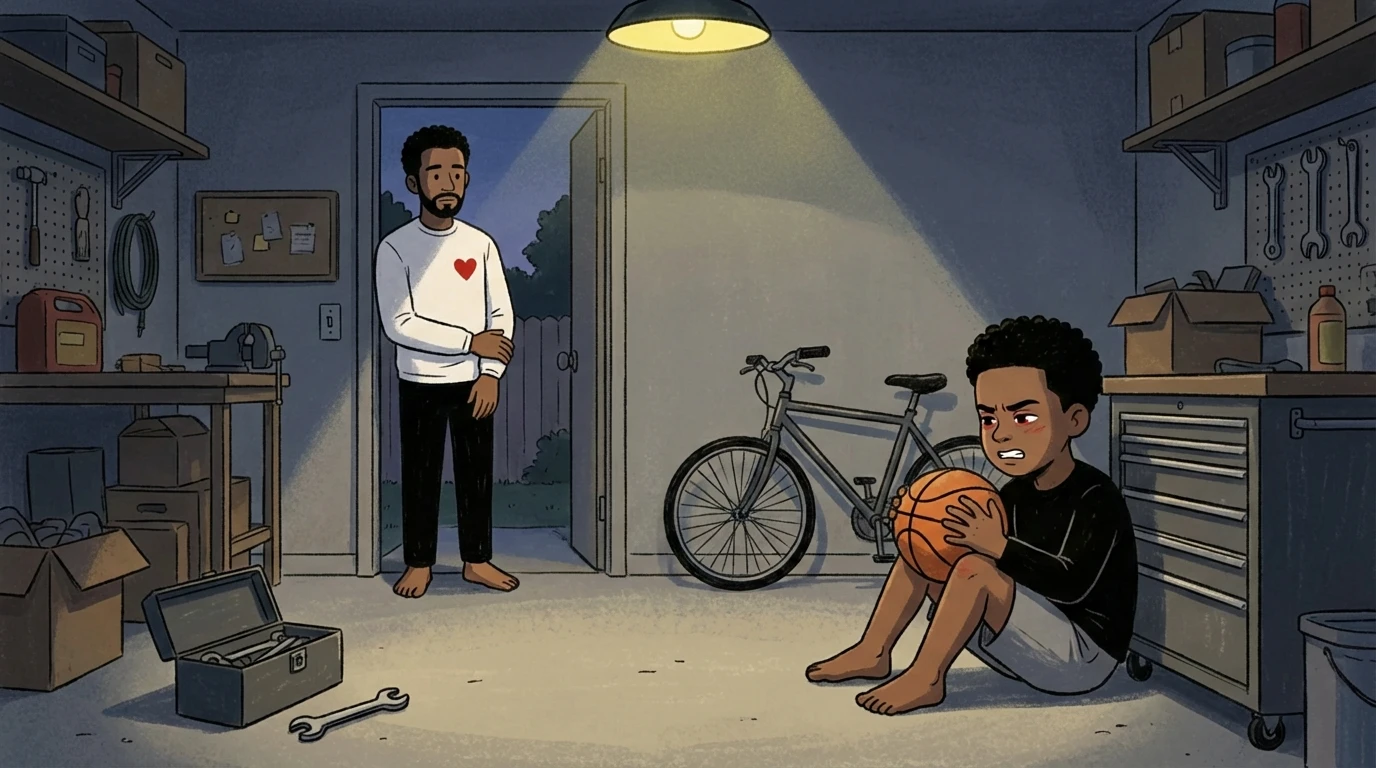
Somewhere between twelve and fifteen, your child traded bedtime hugs for door slams and replaced "I love you" with silence that could strip paint. You did not get a memo.
This is puberty doing exactly what puberty does. Hormones flood a brain that does not yet have the wiring to process them. The prefrontal cortex is under renovation. Your teenager is running a power plant on a half-built electrical grid.
The result looks like rage about nothing, tears over everything, and self-absorption that makes you wonder if you raised a tiny dictator. You raised a human whose developing brain is doing exactly what the research predicted.
What is happening inside their head
Three things collide during adolescence, and the collision is louder than any of them would be alone.
Hormones without a regulator
Puberty dumps estrogen and testosterone into the system before the brain's regulatory equipment can handle the load. Cortisol spikes more easily. Sleep cycles shift. Your teen's emotional volume knob is jammed on high, and the dial that should turn it down will not be fully installed for another decade. A forgotten charger produces the same emotional reaction as a genuine crisis because the brain cannot yet sort threat levels.
Identity under construction
To figure out who they are, teenagers have to figure out who they are not. You are the first thing they push against because you are the closest, the safest, and the most available surface to test. Every argument about curfew is secretly an argument about autonomy. Every "you don't understand" is a rough draft of "I am becoming someone separate from you."
If you had a younger child who struggled with big feelings around anger, you already know this pattern. The teenage version runs the same software on more powerful hardware.
Social pressure as a second job
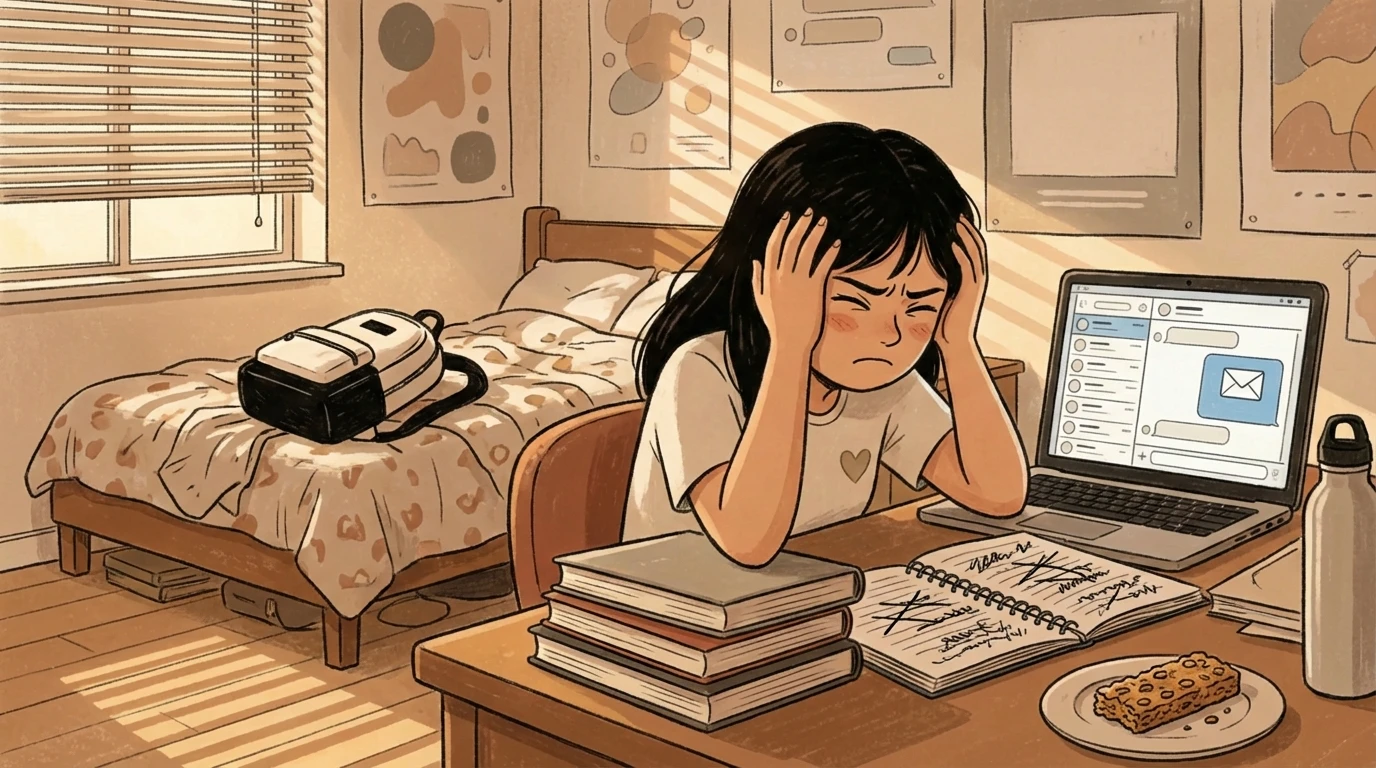
Middle school and high school are sorting systems. Your teen spends hours managing social hierarchies, reading micro-signals, and performing a version of themselves that keeps them safe in the group. By the time they walk through your front door, the mask comes off. You get the unfiltered version because home is the only place it is safe to fall apart.
Laughing then slamming doors
The Parenting Teens course will teach you which mood swings need attention
You'll tell the difference between normal volatility and something worth acting on, without overreacting to either.
The responses that make everything worse
You have probably tried all three. Most parents cycle through them before finding something better.
Matching their energy. Your teen yells, you yell louder. You just taught them that the person with the most power wins. That is the opposite of what you want them to carry into adult relationships.
Shaming them for the emotion. "How dare you talk to me like that" in front of their friends. Mocking the tears. A shamed teenager does not become less volatile. They become more secretive. The moodiness goes underground and the relationship erodes.
Withdrawing your presence. The silent treatment. The cold shoulder. Your teenager is already terrified that growing up means losing you. When you pull away, you confirm their worst fear, and the volatility doubles.
What works instead
The approach is simple to describe and maddening to execute: stay connected while holding limits on behavior.
Respond to the feeling, not the words
Your teen says: "You ruin everything. I can't stand being in this house."
Translation: "I feel powerless and I don't have the vocabulary to say that without being dramatic."
Your job is to respond to the translation. Try: "It sounds like you're really frustrated right now. I want to hear what's going on. Can you tell me without the 'I can't stand this house' part?"
You just validated the feeling, held the limit on language, and invited a retry. Most teens, once the first wave passes, will take you up on it.
Give it twenty minutes
A teenager mid-explosion cannot hear you. Their amygdala is running the show. Say: "I can see you're really upset. I'm going to give us both some space and we'll talk in a bit." Then walk away. The conversation after the storm is where the real teaching happens.
Hold the line on treatment, not on tone
Your teenager is allowed to be angry. They are allowed to disagree. They are allowed to feel things so intensely it scares you both. They are not allowed to call you names, throw things near people, or use words designed to wound. "You can be as furious as you want. You cannot call me an idiot." That sentence is worth memorizing.
How to handle a teen emotional blowup
- Pause before you reactYour teen just said something designed to provoke you. Take one breath. If you respond from your triggered state, you will match their intensity and the conflict doubles. One breath buys you the space to choose.
- Translate the outburstRude words are bad packaging around a real feeling. 'You never listen' means 'I feel unheard.' Name the feeling out loud: 'It sounds like your opinion didn't feel like it mattered here.' Watch their face change.
- Set the boundary in two sentences'I hear that you're angry. You can tell me that without the insults.' No lecture, no threat, no twenty-minute speech about respect. Brief and done.
- Walk away if it escalatesSay: 'I want to hear you out, but not while we're both this heated. Let's come back to this in twenty minutes.' Then leave the room. It is strategy, not retreat.
- Reconnect after the stormCircle back and ask: 'What were you really upset about earlier?' Listen more than you talk. The repair conversation is where trust gets built, and trust is what prevents the next blowup from being worse.
When moodiness crosses the line
Here is the question every parent wants answered: how do I know if this is normal or if something is wrong?
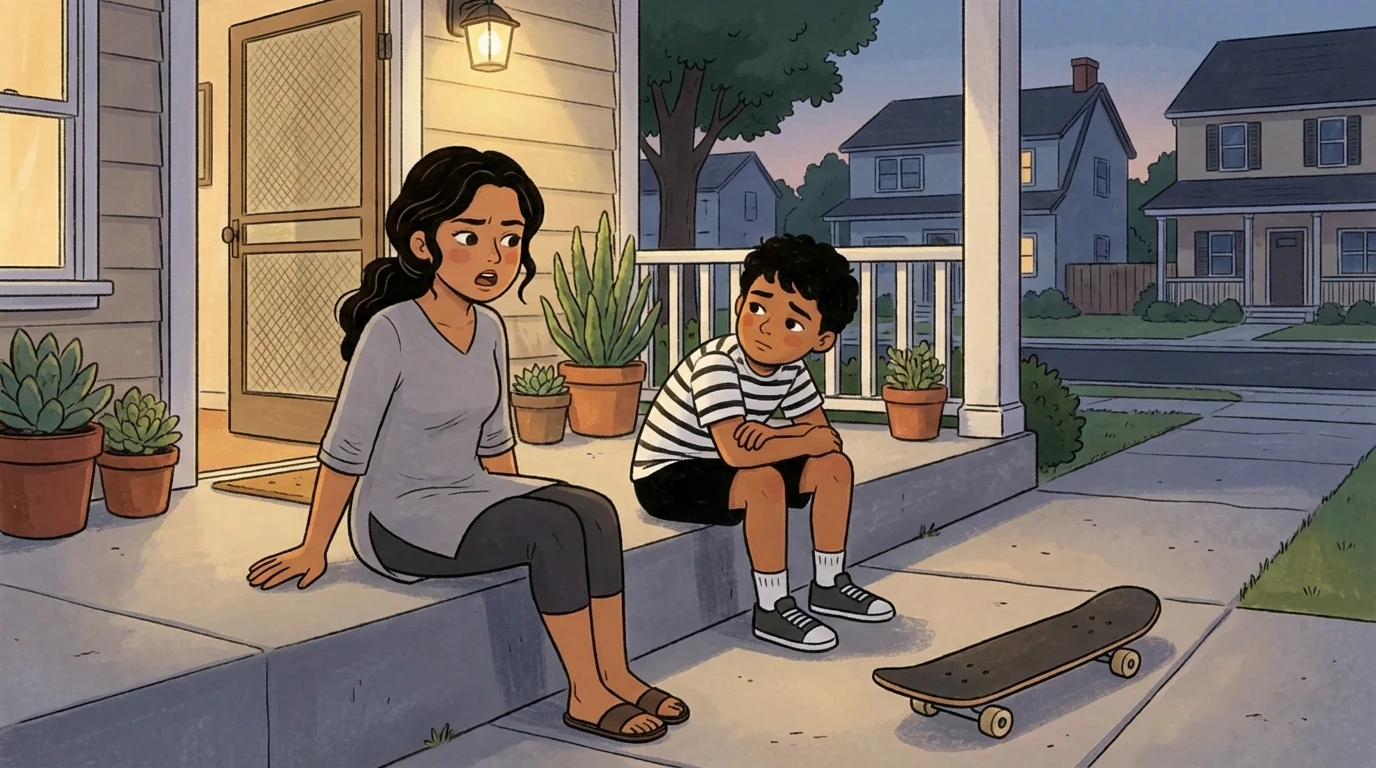
The metric is function, not frequency. A teen who has a terrible afternoon but bounces back by the next day is going through normal development. A teen who cannot get to school, drops all their friends, stops eating, or whose anger makes you physically afraid is telling you something bigger is happening.
The rule of thumb: if anxiety or emotional distress is preventing your teenager from meeting normal developmental challenges, that is the line. Can they still function at school? Maintain friendships? Recover from blowups within a reasonable timeframe?
If yes, you are looking at a teenager being a teenager. If no, or if the intensity keeps escalating week over week with no recovery periods, trust your instincts.
What warrants professional support
Sustained verbal attacks that leave you shaking. Anger that includes threats of self-harm or harm to others. Complete withdrawal from everything they used to care about. Patterns that worsen despite your best efforts over weeks, not days. These are not phases to ride out. These are signals.
The long game with teen volatility
The teen years are temporary. The relationship is permanent. Every time you stay regulated through an outburst, you deposit into a trust account your adult child will draw on later. Every time you blow up, you make a withdrawal.
The teenagers who come through this phase with their parent relationship intact share a pattern: their parents stayed connected even when it was hard, held boundaries without cruelty, and treated the volatility as a developmental stage rather than a verdict on their kid's character.
Your teenager who screamed "I hate you" this morning may sit next to you on the couch tonight and watch something without saying a word. That silent proximity is their version of an apology. Accept it.
And if the emotional coaching skills you built when they were younger feel rusty, the same principles still apply at fifteen. You are still naming feelings, still holding limits, still staying close. The packaging changes. The core does not.
FAQ
Completely normal. The adolescent brain processes emotions with the amygdala before the prefrontal cortex can weigh in. The rapid mood shifts are neurological, not manipulative. They will stabilize as the brain matures through the late teens and into the twenties.
This is a sign of secure attachment. Your teen saves the worst for the person they trust most. The teacher gets the polished version. You get the unfiltered reality because your kid believes, somewhere underneath all that attitude, that you will not leave.
Normal moodiness has recovery periods. Your teen has a bad evening but bounces back. Depression flattens everything for weeks. Watch for loss of interest in things they used to love, persistent sleep changes, social withdrawal, and hopelessness that does not lift. If you see that pattern, call their pediatrician.
Hold limits on behavior, not on feelings. Punishing a teen for expressing frustration teaches them to stop expressing it to you entirely, which is worse than the outburst. Address the language and actions that cross the line, but do not punish the emotion itself.