TLDR
- The rudeness is a side effect of brain construction. The prefrontal cortex is under renovation during the preteen years. Impulse control, perspective-taking, and emotional regulation are offline at exactly the moment your kid's feelings get louder.
- Your reaction is the variable that matters most. If you match their intensity, you confirm that aggression is how adults handle conflict too. If you stay steady, you become the proof that regulation is possible.
- Shame makes disrespect worse, not better. A preteen humiliated for their tone will not become more respectful. They will become more secretive. The rudeness goes underground and the relationship erodes.
- Connection is the antidote, not punishment. Preteens who feel genuinely known by their parents have less need to push them away. The disrespect drops when the attachment feels secure.
- This phase has an expiration date. The preteen identity crisis peaks between 10 and 13. By 15 or 16, most teens who maintained a solid relationship with their parents circle back voluntarily.
Your sweet kid just said something terrible
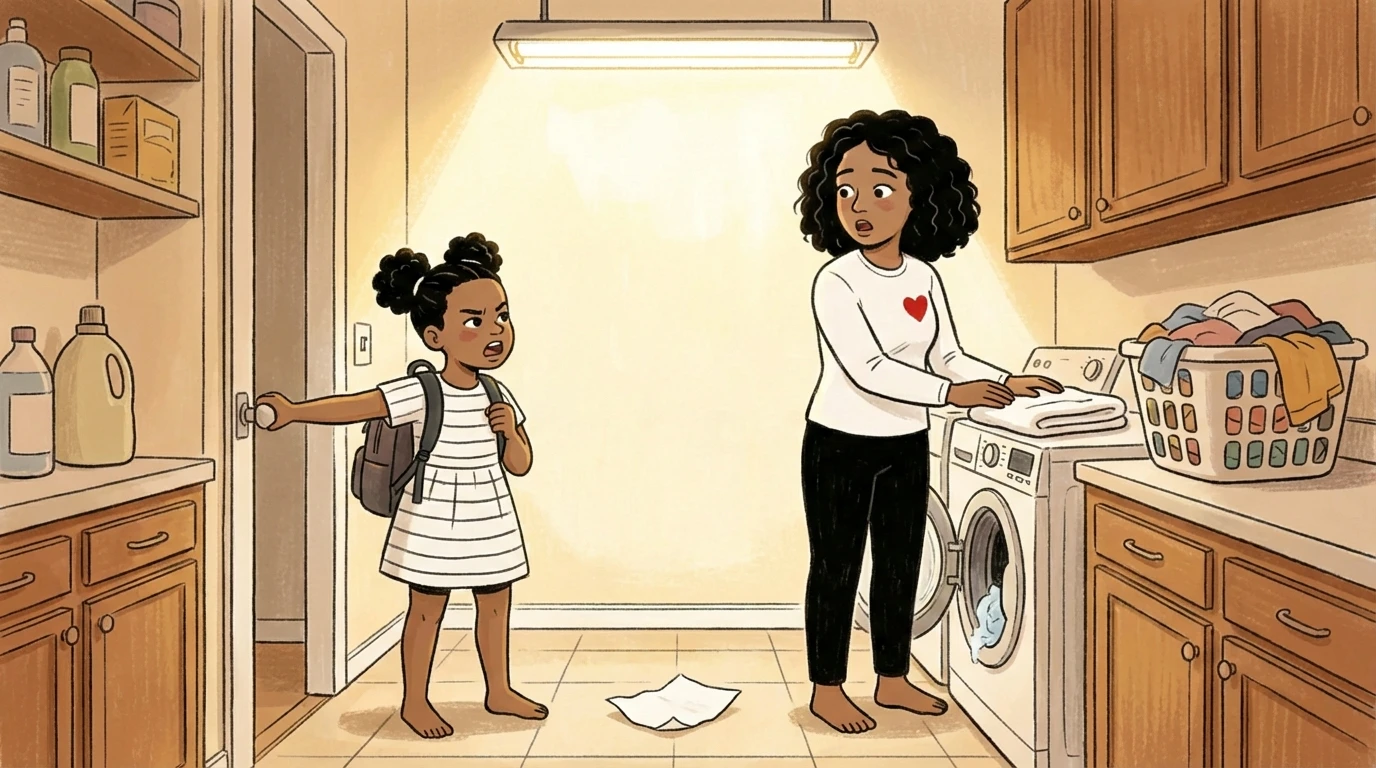
It arrived without warning. One day your child was asking you to read them a bedtime story, and six months later they looked you in the eye and said something so cutting you had to leave the room.
Welcome to the preteen identity crisis. Between ages 10 and 13, your child's brain is running two massive projects simultaneously: building an independent self and dismantling the version of themselves that needed you for everything. The rudeness is demolition noise.
This is the same kid who held your hand in the parking lot last year. That kid is still in there. They are just temporarily buried under hormones, social pressure, and a prefrontal cortex that went offline for remodeling.
What the research says
Developmental psychologists have documented this shift for decades. The preteen years bring a spike in parent-child conflict that peaks around age 12 and gradually declines. The fights are about autonomy. Your kid is testing whether they can disagree with you and survive.
If you had a younger child who talked back, you already know this pattern. The preteen version is the same impulse with a larger vocabulary and sharper aim.
Why it feels so personal (and why it is not)
Here is the paradox: your preteen is rude to you because you are safe. The teacher, the coach, the friend's parent all get the polished version. You get the raw feed because your kid trusts, on some deep level, that you will not leave.
That does not mean you should enjoy it. It means the rudeness is information, not a verdict. Your child is saying, in the worst possible way: "I need space and I don't know how to ask for it without being awful."
Three things drive preteen disrespect:
- Hormonal chaos. Puberty floods the brain with estrogen and testosterone before the regulatory systems can handle them. Your child's emotional volume knob is stuck on ten.
- Identity construction. To figure out who they are, they have to figure out who they are NOT. You are the first thing they push against because you are the closest thing.
- Social hierarchy anxiety. Middle school is a brutal sorting system. The stress of navigating peer dynamics leaks out at home because home is where the mask comes off.

The three responses that make it worse
You have probably tried all of these. Most parents do.
Matching the aggression
Your kid sneers "You're so embarrassing" and your nervous system fires. You snap back with something equally harsh, or you escalate: "You want to talk to me like that? Fine, no phone for a week."
You just taught your preteen that the person with the most power wins the argument. That is the opposite of what you want them to learn. If you feel your composure slipping, that is your signal to pause, not to fight harder.
Shame and humiliation
"How dare you speak to me that way" in front of their friends. Mocking their attitude. Bringing up the rudeness at dinner in front of siblings.
Shame does not produce respect. It produces resentment and secrecy. A shamed preteen does not stop being rude. They stop being rude where you can hear it, and they stop telling you anything real.
Withdrawing your affection
The silent treatment. The cold shoulder. The "Fine, if you don't want to talk to me, I won't talk to you either."
Your preteen is already terrified that growing up means losing you. When you withdraw, you confirm their worst fear. The disrespect gets louder because the anxiety underneath it just doubled.
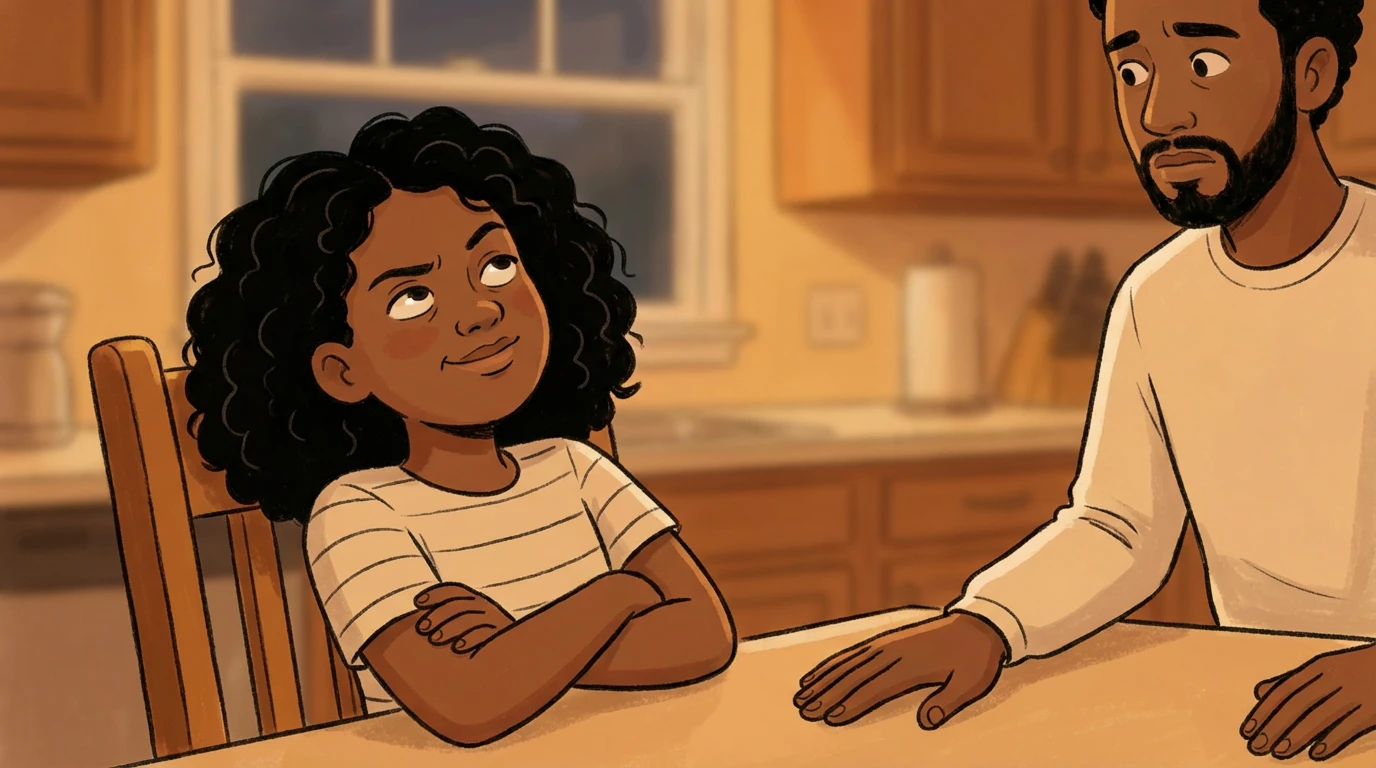
Eye roll and whatever
The Parenting Teens course will help you decode preteen rudeness before you react
You'll hear what's underneath the attitude and respond to that instead of matching their tone.
What to do instead
The approach that works is frustratingly simple and maddeningly hard to execute: stay connected while holding limits on language.
Separate the feeling from the delivery
Your kid says: "You never let me do anything. I hate living here."
Translation: "I feel powerless and I don't have the words to say that without being dramatic."
Your job is to respond to the translation, not the transcript. Try: "It sounds like you're feeling really trapped right now. I want to hear what's going on. Can you tell me without the 'I hate living here' part?"
You just did three things. You validated the feeling. You held the limit on language. And you invited them to try again. Most preteens, once the initial burst passes, will take you up on that invitation.
Give it twenty minutes
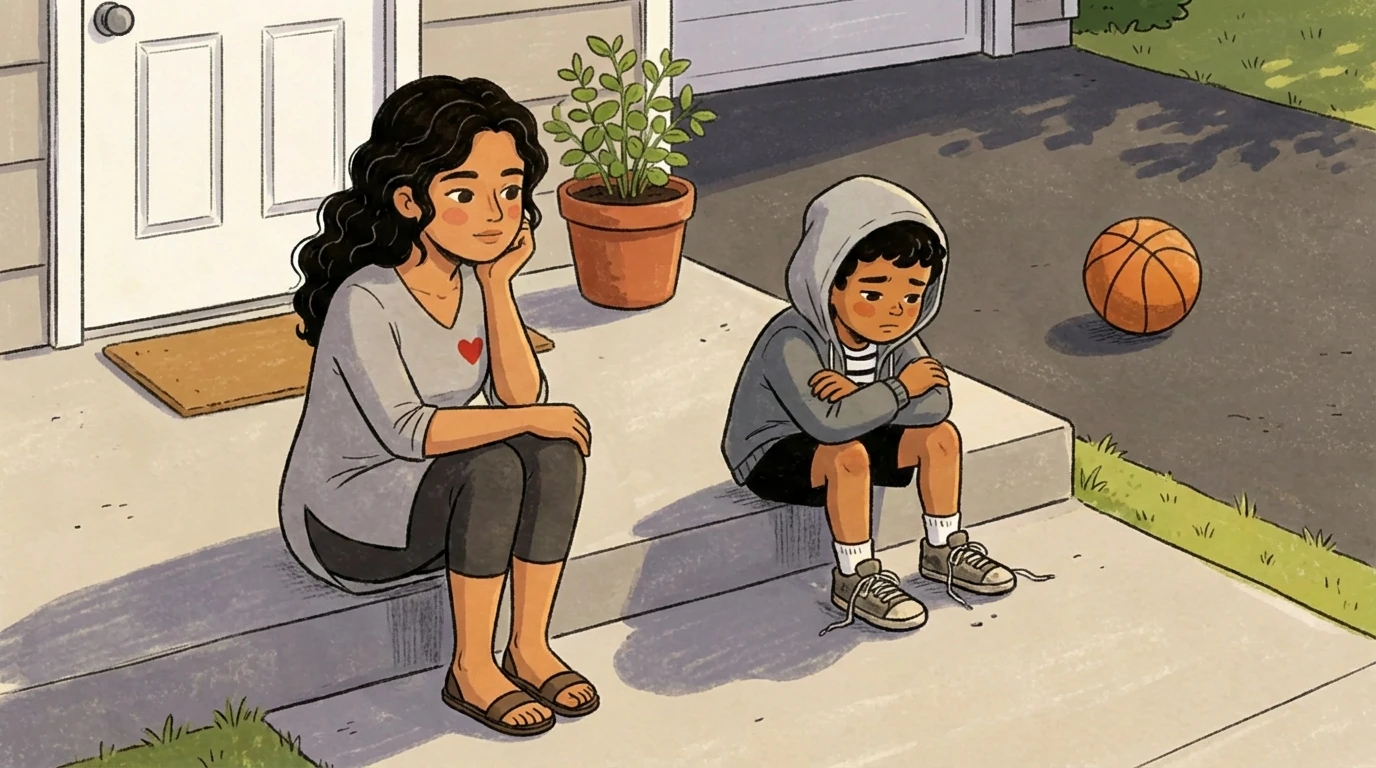
A preteen in full-blown attitude cannot hear you. Their amygdala is running the show. Anything you say lands as threat, not guidance. Say: "I can see you're really upset. I'm going to give you some space and we'll talk about this in a bit."
Then walk away. Come back in twenty minutes. The conversation you have after the storm is where the teaching happens.
Hold the line on treatment, not on tone
Your preteen is allowed to be frustrated. They are allowed to disagree. They are allowed to feel angry. They are not allowed to call you names, slam things near people, or use language designed to wound.
The boundary is on behavior, not on emotions. "You can be as mad as you want. You cannot call me an idiot." That is a sentence worth repeating until it becomes reflex.
How to respond to preteen disrespect
- Pause before you reactYour preteen just said something designed to provoke you. Take one breath. If you respond from your triggered state, you will match their intensity and the conflict doubles. One breath buys you the space to choose your response.
- Respond to the feeling underneathTranslate the rude words into the emotion driving them. 'You never listen' means 'I feel unheard.' Name that feeling out loud: 'It sounds like you feel like your opinion doesn't matter here.' Watch what happens to their face.
- Hold the limit on language brieflyTwo sentences maximum. 'I hear that you're frustrated. You can tell me that without calling names.' No lecture, no threat, no history lesson about respect. Brief and done.
- Walk away if it escalatesIf the rudeness ramps up, say: 'I want to hear you out, but I can't do that while we're both this heated. Let's come back to this in twenty minutes.' Then leave the room.
- Reconnect after the storm passesThis is where the real work happens. Circle back later and ask: 'What were you really upset about earlier?' Listen more than you talk. The repair conversation builds the trust that prevents the next blowup.
The long game with preteen attitude
The preteen years are temporary. The relationship is permanent. Every time you stay steady through an eye roll, you deposit into a trust account your teenager will draw on later. Every time you blow up, you make a withdrawal.
The preteens who come through this phase with their parent relationship intact share a few things in common: their parents stayed connected even when it was hard, their parents held boundaries without cruelty, and their parents treated the attitude as a developmental stage rather than a character flaw.
This is part of a larger pattern of adolescent development that plays out in predictable phases. The disrespect you are seeing now will likely shift into the moodiness and emotional volatility of mid-adolescence. Understanding the full arc helps you not take any single phase as the final verdict on your kid.
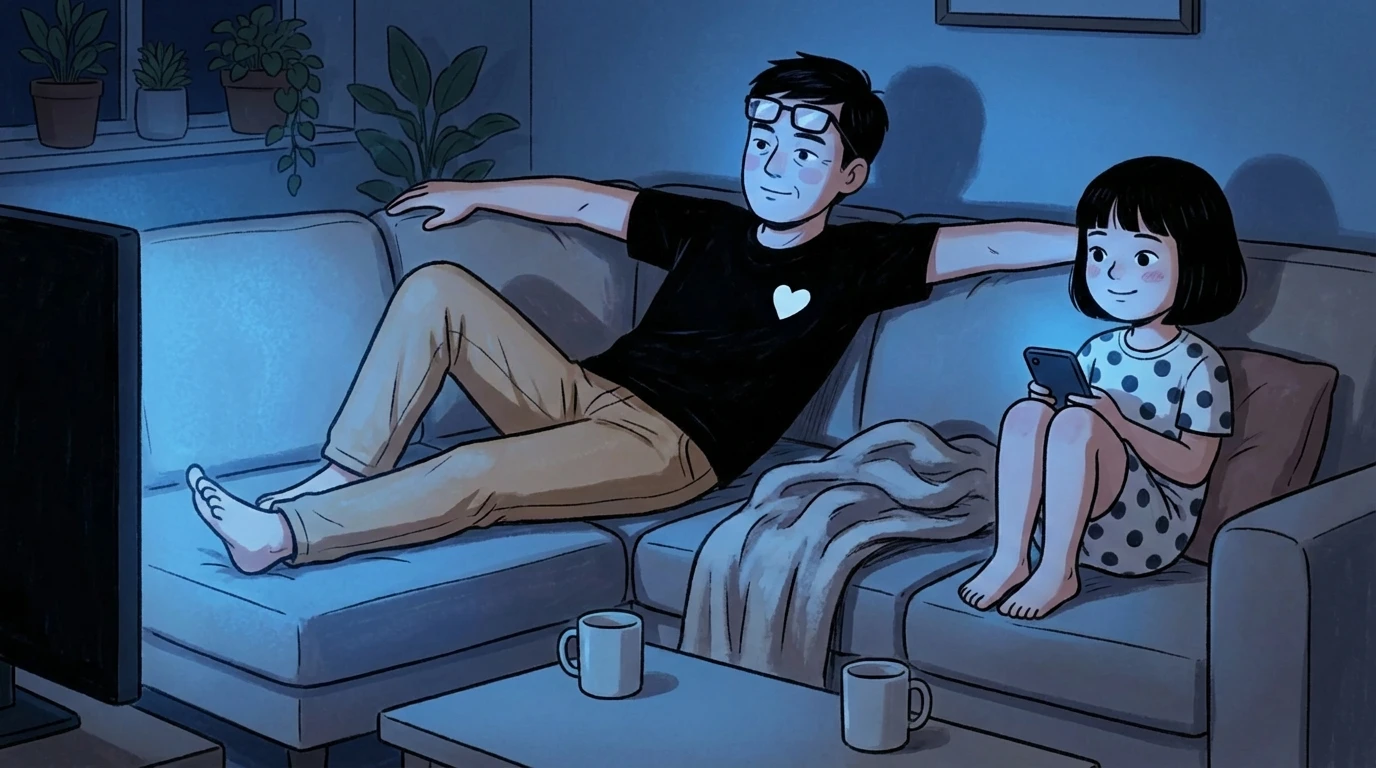
Your preteen who said "I hate you" this morning will probably crawl onto the couch next to you tonight and watch a show without saying a word. That silent proximity is their apology. Accept it.
And if the intensity of the conflict keeps escalating beyond what feels manageable, or if the disrespect is accompanied by other concerning behaviors, trust your instincts. You know the difference between a preteen testing boundaries and a kid who is struggling with something bigger.
FAQ
Completely normal and a sign of secure attachment. Your child saves the worst behavior for the person they trust the most. The teacher gets the mask because the stakes feel higher. You get the real version because your preteen believes, deep down, that you will not leave no matter what they say.
Punishment addresses the symptom while ignoring the cause. Hold limits on language and behavior, but skip the grounding and phone confiscation in response to attitude. A preteen punished for expressing frustration learns to stop expressing it to you entirely, which is worse than the rudeness.
If the disrespect includes threats of harm, sustained verbal attacks that leave you shaking, contempt that seems designed to destroy rather than test, or patterns that are getting worse despite your best efforts, those warrant professional support. Occasional ugly words during a conflict are normal. Daily cruelty is different.
The peak of parent-child conflict typically hits around age 12 and gradually eases by 14 or 15. Preteens who maintain a connected relationship with their parents through this phase usually come out the other side more respectful than before, not because the phase was pleasant but because the trust survived it.