TLDR
- Multiple warning signs together signal a crisis. One bad week is one bad week. Cutting combined with substance use, withdrawal, and written expressions of hopelessness is a pattern that demands professional help today, not next month.
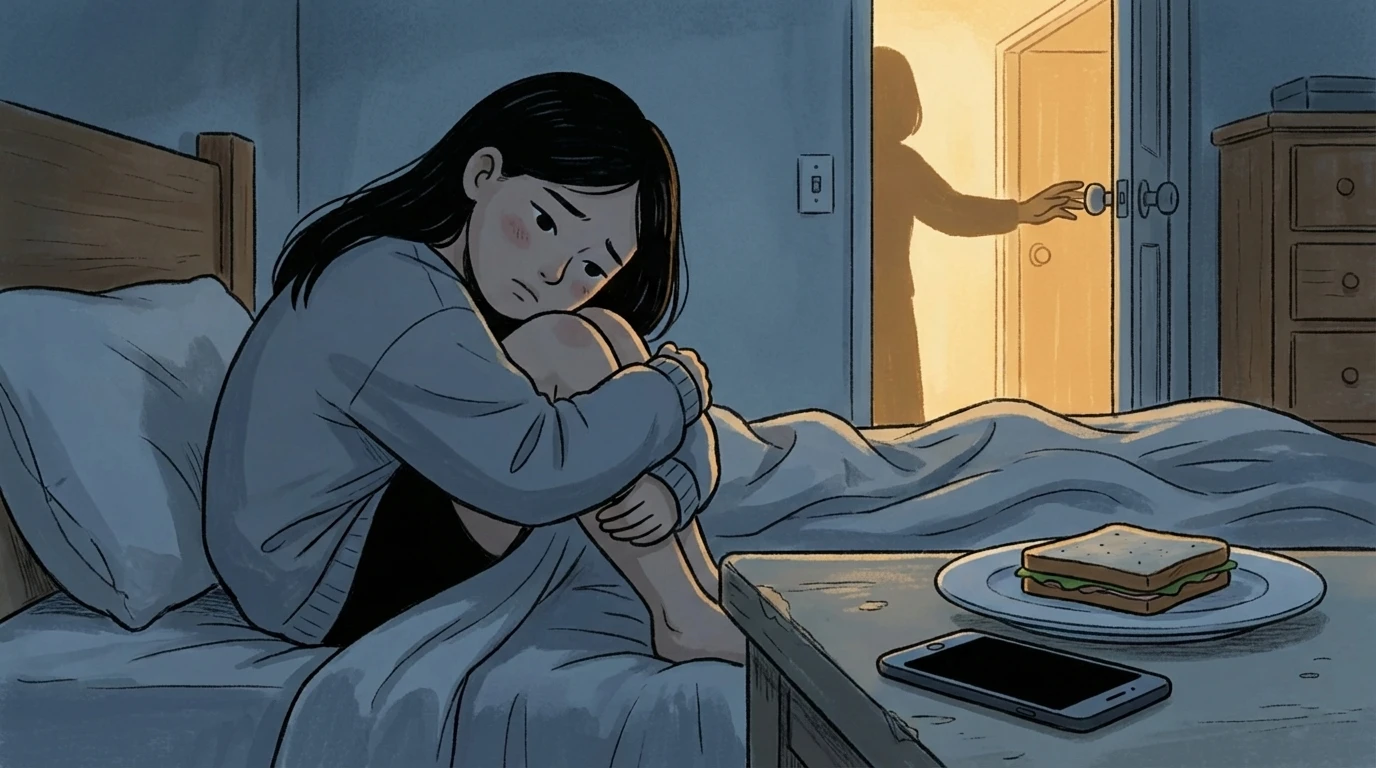
- Teens communicate pain sideways. They write it in journals, say it in group chats, and carve it into their skin. They rarely walk into the kitchen and say 'I need help.' The absence of a direct request does not mean the absence of a crisis.
- You cannot be both parent and therapist. Your love matters enormously, but love alone cannot treat depression or assess suicide risk. A counselor experienced with teenagers can reach things your kid will not say to you.
- Shame accelerates the spiral. If your teen believes their pain makes your life worse, they hide it. Every reaction that centers your fear instead of their experience teaches them to go quieter.
- The window at 12 to 15 is real. Teens in this age range are still open to parental influence. Waiting until 17 to address self-harm means working with someone who has already decided you are not a safe person to tell.
The signs you are hoping you misread
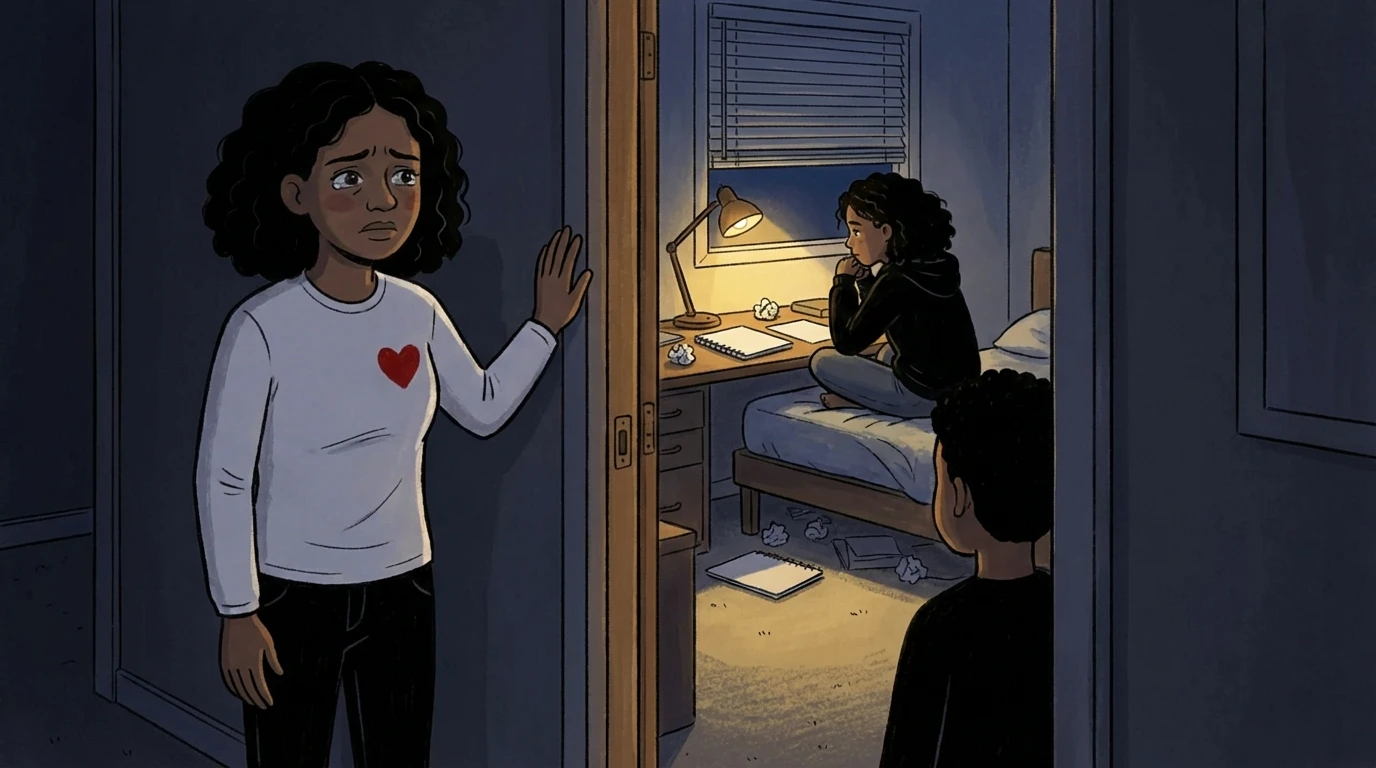
You found something. A note, a message thread, a mark on their arm they explained away too quickly. And now you are standing in the hallway outside their room running a calculation in your head: Is this real? Is this the age? Is this just dramatic teenage stuff?
Stop calculating. If you are asking the question, the answer is that it deserves attention. The difference between "dramatic" and "in danger" is not something you can assess from the hallway.
Here is what matters: the specific behaviors that indicate your teen is in genuine distress, not just having a rough week.
Physical warning signs
Cutting marks on wrists or arms. Unexplained scratches explained with stories that do not hold together. Long sleeves in July. Bruises in places that do not match the excuse. Any physical evidence that your teen has experimented with methods of self-harm, including ropes, belts, or ligatures.
These are cries for help from someone who does not have the vocabulary to ask for it out loud.
Behavioral shifts that form a pattern
One behavior in isolation might mean nothing. Several together form a picture:
- Substance use (alcohol, drugs, pills from the medicine cabinet)
- Sexual risk-taking that feels compulsive rather than curious
- Chronic lying that goes beyond normal teen privacy
- Withdrawal from activities they used to care about
- Giving away possessions
- Writing about death, worthlessness, or being a burden
When younger children express despair, it often sounds different. A seven-year-old might say "I wish I was never born" after a bad day. A fourteen-year-old writing "Mom's life would be better without me" in a journal has moved past frustration into something that requires professional evaluation.

Why your love is not enough (and that is not an insult)
You love your kid. You have told them. You have shown them. And they are still cutting, or drinking, or writing things that make your stomach drop.
You did not fail. The pain your teenager is carrying exceeds what parental love can treat. You would not set a broken femur at home with good intentions. Depression, self-harm, and suicidal thinking are medical-grade problems that need medical-grade intervention.
The trap most parents fall into: doubling down on affection and hoping it will be enough. You hug them more, tell them you are proud of them, try to be more present. All of that is good. None of it replaces a trained professional.
Why they will not tell you what is really wrong
Your teen may be hiding something specific: abuse, an experience they are ashamed of, a situation they think will make you angry or disappointed. Or they may not even understand what is wrong. Depression does not always come with a reason. Sometimes the brain just breaks and the kid does not know why.
A counselor who specializes in teenagers can create conditions where your kid says the unsayable. In a room where the consequences feel different. Where the person listening does not have a stake in the answer.
Something on their arm
The Parenting Teens course will walk you through the conversation that matters most
You'll know the exact words that keep the door open and the warning signs that mean call for help now.
What to do right now
If you have found evidence of self-harm, suicidal writing, or a pattern of the behaviors listed above, the timeline is now.
How to respond when your teen shows signs of self-harm
- Find a teen-specialized counselorSomeone experienced specifically with adolescents and self-harm, not a general therapist. Your pediatrician can refer you, or search through your insurance provider's directory for adolescent specialists. Do this today, not this weekend.
- Set up three types of sessionsJoint sessions for you and your teen together, individual sessions where your teen talks without you in the room, and individual sessions for you. You need support too. A parent in crisis cannot steady a child in crisis.
- Talk to your teen directlySay: 'I found something that worries me and I love you too much to pretend I didn't see it. I'm not angry. I'm scared because I care about you. We're going to get some help together.' Then stop talking and listen.
- Remove access to meansLock up medications, remove sharp objects from their space, secure anything that could be used for self-harm. Do this quietly and without drama. Safety first, conversation second.
- Stay close without hoveringYour teen needs to know you are available without feeling surveilled. Check in daily with a light touch: 'How was today, one word?' Give them room to answer honestly or not answer at all. Consistency matters more than intensity.
If there is a crisis right now
If your teen has made a suicide attempt, expressed an immediate plan, or you believe they are in danger tonight: call 988 (Suicide and Crisis Lifeline) or go to your nearest emergency room. Do not wait for a therapy appointment.

The communication gap that scares parents most
Here is the part that keeps you awake: your teen is expressing their pain everywhere except to you. They write it in chats. They tell strangers online. They put it in their body. And you found out by reading their messages or noticing their scars, not because they came to you.
Your relationship is not broken beyond repair. Your teen is doing what most teens do with unbearable feelings: they leak them sideways. Knowing when to seek professional help is the move that bridges this gap, because a therapist becomes the translator between your teen's inner world and your need to understand it.
When another adult is part of the problem
If your teen lives in a household where another adult dismisses their pain, calls them a brat, or has checked out of parenting them entirely, the urgency doubles. A teenager who is mistreated or excluded in their own home, and whose one safe parent seems unable to change the situation, experiences a compounding injury. The original pain is bad enough. Watching you not address it teaches them their suffering is tolerable.
This is about the fact that a kid who feels invisible at home will find increasingly dangerous ways to be seen, not about blame.
If your co-parent or partner is part of the problem, finding a therapist who works with family dynamics becomes even more urgent. You may need to make hard decisions about your living situation. Your teen's safety comes before household peace.
One thing to hold onto
Research on adolescent resilience keeps landing on the same finding: a teenager who knows one adult genuinely loves them and believes in them can survive remarkable amounts of adversity. One committed, consistent, non-judgmental adult relationship is the single strongest predictor of recovery.
You are reading this article. That means you are already that person. The fact that you are scared does not disqualify you. It qualifies you.
Your teen may not be able to hear that right now. Get them the professional support they need, stay close, and trust that the connection you have built over fourteen or fifteen years does not evaporate because of one terrible season.
FAQ
Yes, but frame it as concern rather than confrontation. Say what you saw, say you are worried, and say you are not angry. Avoid interrogation. The goal of the first conversation is to open a door, not to get a full confession. If they shut down, tell them the door stays open and follow up with professional help.
Take it seriously anyway. 'Just experimenting' with self-harm still means your teen reached for physical pain to manage emotional pain. That coping mechanism does not get better on its own. A professional evaluation costs you nothing but time. Dismissing it could cost you everything.
For mild behavioral changes, maybe. For cutting, suicidal writing, substance use, or a pattern of the warning signs described above, no. These are beyond the scope of parental love and good intentions. Bringing in a teen-specialized counselor is the responsible next step.
Start with your own sessions. A therapist can coach you on how to approach your resistant teen and what to watch for at home. Many teens who initially refuse therapy will agree once they see their parent going. Remove the stigma by normalizing it in your household.