TLDR
- Peer pressure is mostly invisible, not dramatic. The bigger threat is the slow drift toward group norms your teen absorbs without noticing: how to dress, who to exclude, what risks feel normal.
- Lecturing about peer pressure makes it worse. Every lecture positions you as the clueless adult who does not understand. Your teen stops listening and starts hiding. Questions work. Speeches do not.
- Teens who feel connected to parents resist pressure better. Research is clear on this. A teen who can talk to you without getting a sermon is a teen who has an anchor when the social current gets strong.
- Scripts matter more than principles. Your teen knows peer pressure is bad. What they lack is the exact words to say when someone is watching them and waiting. Give them sentences, not philosophy.
- Unhealthy friendships are a separate problem from peer pressure. A teen who takes on the role of rescuer or caretaker for struggling friends is carrying a weight no fifteen-year-old should carry. That pattern needs its own conversation.

The peer pressure your teen faces looks nothing like the one you were warned about
You probably grew up hearing about peer pressure as a single dramatic moment. Someone offers you drugs at a party. You say no. End of lesson.
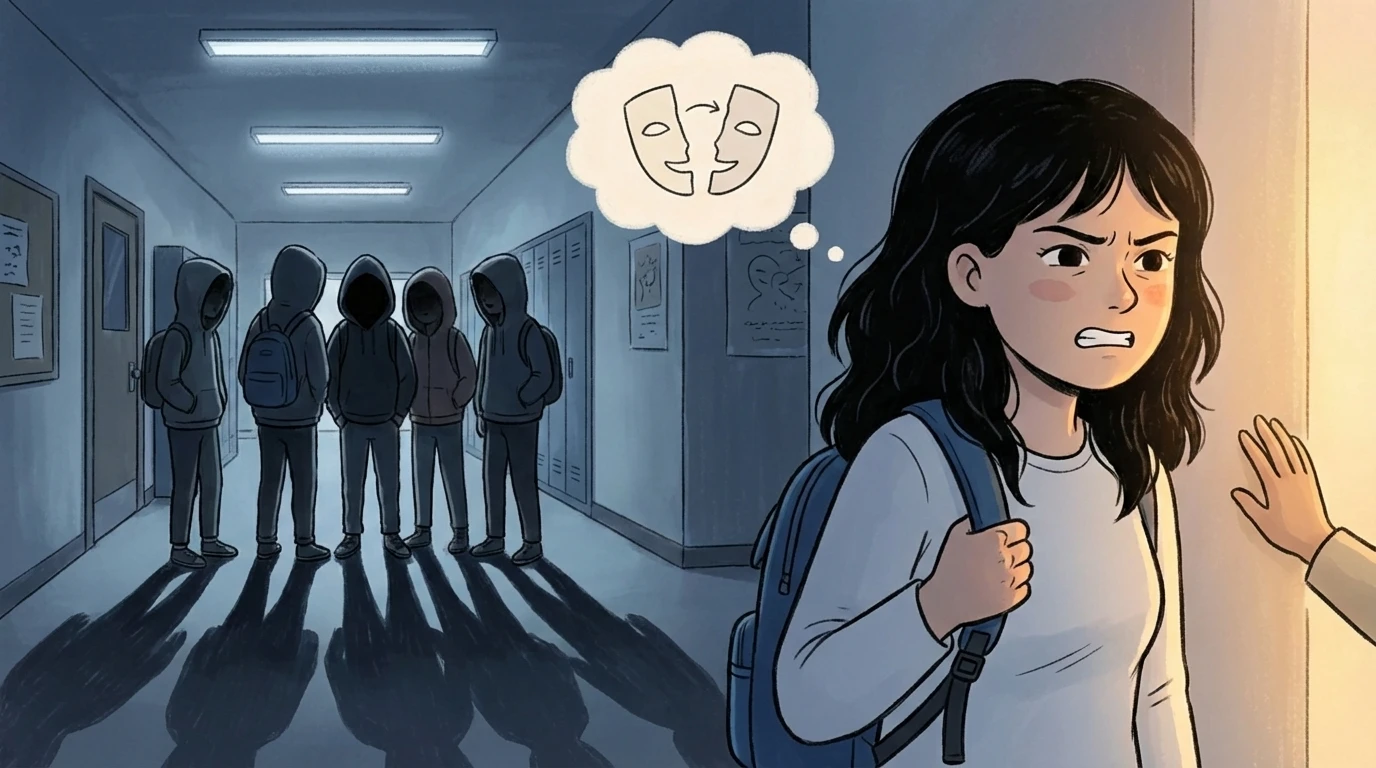
Your teen's version is quieter. It is the group chat that decides who is in and who is out before school starts. It is the unspoken agreement that everyone roasts the new kid, and silence counts as participation. It is the slow realization that your teen has started dressing, talking, and thinking like their friend group, and they cannot tell you when the shift happened.
The teenage brain is wired for this. Fitting in feels necessary for survival. So when your teen goes along with teasing they know is wrong, they are responding to a neurological alarm that screams: do not get separated from the group.
Why your teen will not tell you about it
Your teen probably will not come to you when peer pressure is at its worst. They will come home irritable, or withdraw to their room, or pick a fight about something unrelated. You will have no idea that a friend group is squeezing them into a shape that does not fit.
They stay quiet because they do not have the language yet. A ten-year-old acting out because their friend group shifted does not say "I am experiencing social pressure." They get rude and disruptive, because the feelings have nowhere else to go.
The listening board approach
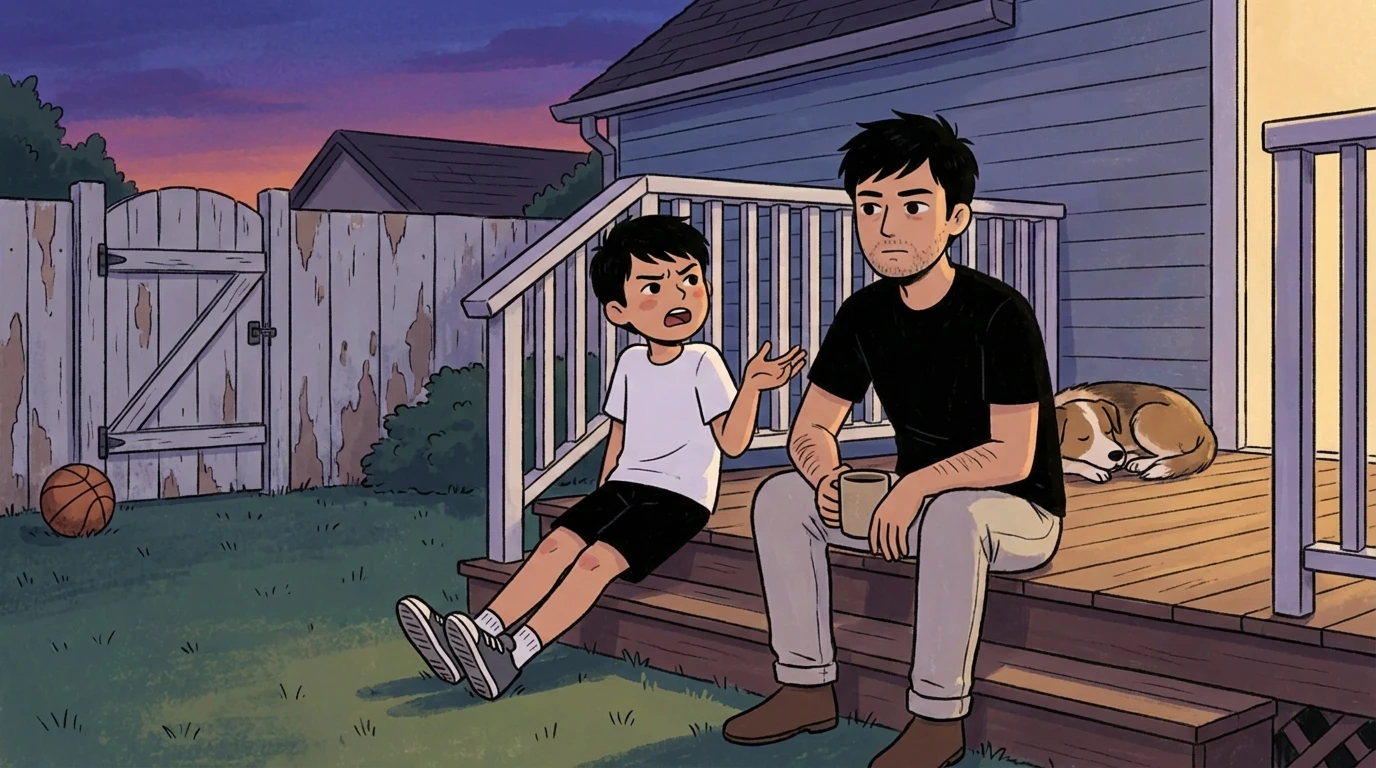
The single most effective thing you can do is become a daily listening board. Create space for your teen to talk, then bite your tongue.
Let them blow off steam first. Do not interrupt with solutions. Do not point out that the friend they are defending today is the one they were furious with yesterday.
After they have emptied the tank, get them laughing. Humor lowers the anxiety response. The sequence matters: listen, release, laugh. Skip straight to advice and they will stop talking.
Different kid after hangouts
The Parenting Teens course will show you how to address bad influence without banning friends
You'll strengthen your teen's own judgment so the friend group loses its pull, through illustrated lessons with audio narration.
Questions that build an inner compass
Once your teen feels heard (not in the same conversation, usually the next day), start asking questions that help them develop their own judgment. Not rhetorical questions designed to lead them to the answer you already have. Real ones:
- "How are you feeling about that?"
- "What are your options?"
- "What do you think would happen if you tried that?"
You are building a decision-making system inside your teen's head, and that takes repetition, not a single brilliant talk. The goal is to help them find their own answers, so that when you are not there (which is increasingly often), they have something to work with.
Helping your teen see the pressure for what it is
Most teens do not realize they are being pressured. The pressure feels like their own desire. They want to wear those shoes. They want to skip class. Making the invisible visible is one of the most powerful things a parent can do.
Name the pattern without lecturing
There is a difference between "You are just following the crowd" (accusation) and "I have noticed your friend group has strong opinions about what is cool. Do you ever feel squeezed by that?" (observation, leaves room for thought).
Help your teen notice the compromises they are making. "Are those compromises worth it?" is not a rhetorical question. Sometimes the answer is yes. The earlier kids develop the ability to speak up for themselves, the better equipped they are when stakes get higher.
Give them actual words to use
Your teen does not need a philosophy lecture on integrity. They need sentences they can say when six people are staring at them.
- "I am good, you all go ahead."
- "That is not really my thing."
- "Come on, we do not need to do this. Let's go."
- If challenged: "Whatever, I just do not feel like it."
The simpler the script, the more likely they will use it. Grand moral statements die instantly in a school hallway. The goal is an exit line that costs them nothing socially.
When friendships themselves become the problem
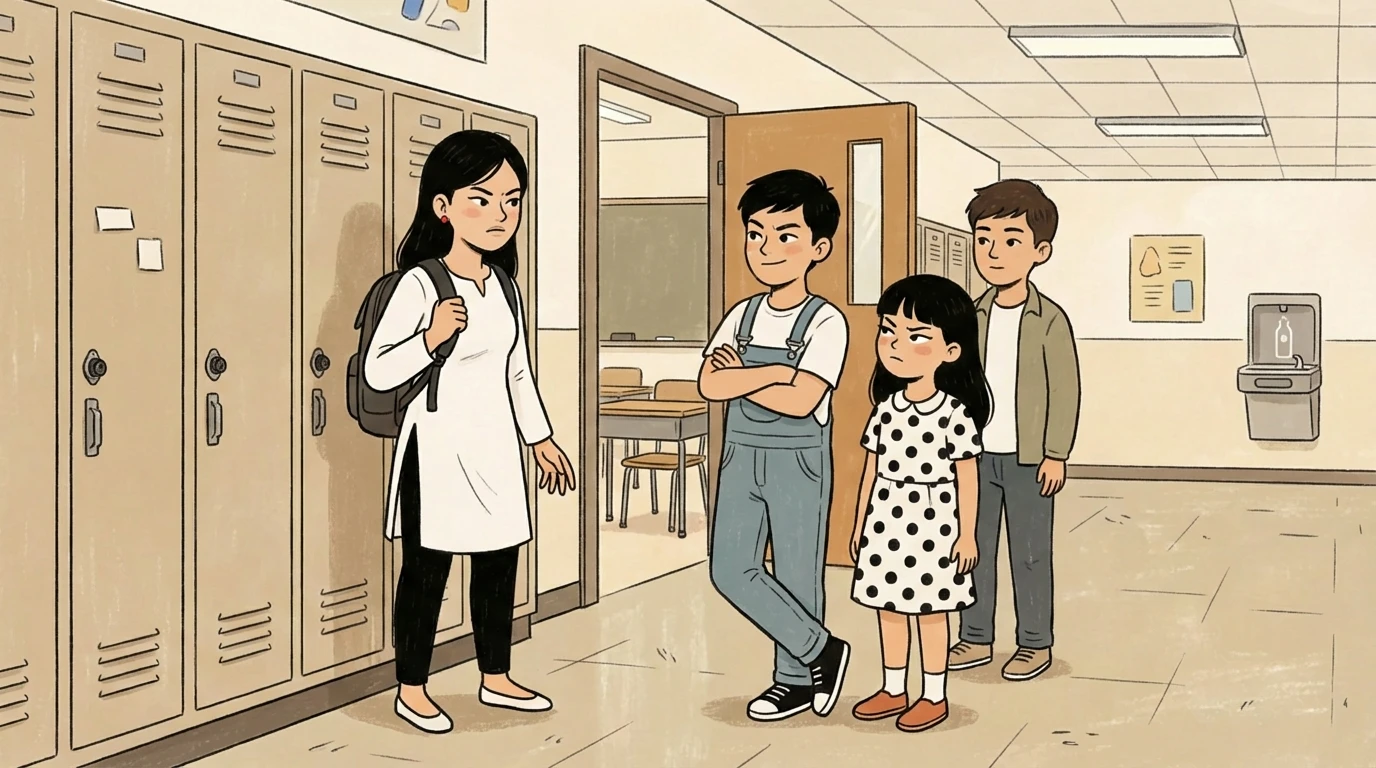
Peer pressure and unhealthy friendships overlap but they are not the same thing. Peer pressure is about the group pulling your teen toward conformity. Unhealthy friendships are about specific relationships that drain your teen or push them into roles they should not be playing.
The teen rescuer pattern
Some teens fall into the role of caretaker for struggling friends. They become the one everyone calls at 2 a.m. The concern is a fifteen-year-old functioning in a parental role, putting their own needs second to care for peers with problems that require adult intervention.
Point this out directly and expect defensiveness. Your teen lashes out hardest when they are most overwhelmed.
How to reach them
Lead with empathy about the burden, not criticism of the pattern. "It sounds exhausting to be the person everyone depends on" opens a door. "You are too invested in your friends' problems" slams it shut.
This recognition will not happen in one conversation. Keep the channel open. Once your teen stops defending their commitment to being a good friend, they can start admitting the role is too heavy. Only after that opening exists can you introduce the idea that healthy friendships involve give and take, not one person constantly rescuing.
The online layer makes everything harder
Everything above gets amplified when you add social media and group chats. The social comparison is constant. The exclusion is visible (you can see the party you were not invited to in real time).
Your teen's phone is the primary delivery system for peer pressure. The group chat decides who is in, the stories decide what is cool, and the likes decide who matters. All of this happens in your teen's pocket, 24 hours a day.
You cannot remove the phone (the social cost may be worse than the phone itself). What you can do is help them develop critical awareness about online dynamics. "Who benefits when you feel bad about yourself after scrolling?" is a question worth asking more than once.

What protects teens from peer pressure
The research is consistent. Teens who feel they can talk to their parents without receiving a lecture or an overreaction are more resistant to negative peer influence on every measure.
That is the whole strategy. Be the person your teen can talk to. The one who listens, asks good questions, and trusts their teen to figure it out with support.
You will not get this right every time. You will lecture when you should listen. That is fine. The relationship is built on the fact that you keep showing up and keep treating your teen like a person capable of good decisions, even when the evidence is temporarily unconvincing.
How to help your teen handle peer pressure
- Listen before you adviseCreate daily space for your teen to talk. Let them vent completely before you say anything. The release itself has value. Advice can wait until the next day.
- Ask real questionsNot trick questions. Not leading questions. Questions like 'What are your options?' and 'What do you think would happen?' that build their internal decision-making.
- Make the invisible visibleHelp your teen notice the pressure to conform without accusing them of following the crowd. 'Do you ever feel squeezed by that?' works. 'You are just copying your friends' does not.
- Give them exit scriptsSimple, casual sentences they can use in the moment: 'I am good, you go ahead' or 'That is not really my thing.' The simpler the script, the more likely they will use it.
- Stay connected above all elseA teen who can talk to you without getting a sermon is a teen who has an anchor. The relationship is the protective factor. Everything else is secondary.
FAQ
They might be right, or they might not recognize the pressure because it feels like their own choice. Do not argue about whether it counts as pressure. Instead ask what they like about the group and whether they ever feel like they have to go along with something to stay included. Let them draw their own conclusions.
Banning friendships usually backfires and drives the relationship underground. A better approach is to strengthen your connection with your teen and keep communication open. Teens whose parents stay close and ask good questions tend to drift away from unhealthy friendships on their own.
Skip the word 'peer pressure' entirely. Talk about specific situations instead. 'I noticed everyone in your group started vaping. What is that about?' is a real conversation. 'Let us discuss peer pressure' is a lecture waiting to happen.
Earlier than you think. Preteens around ten or eleven are already navigating shifting friend groups and social hierarchies. The listening and questioning habits you build before the teen years are the ones your teen will rely on when the pressure intensifies.