TLDR
- The internet is a city, not a playground. It has libraries, parks, and also dark alleys. You wouldn't drop your kid off downtown alone. Apply the same logic to their online access.
- Parental controls are speed bumps, not walls. Software helps, but kids are resourceful. The real protection is the relationship you build so they come to you when something goes wrong.
- Cyberbullying has replaced the playground bully. Online bullying follows kids home, into their bedrooms, 24 hours a day. Watch for sudden mood shifts, avoiding devices, or reluctance to go to school.
- Rules before devices, always. Write a screen contract together before you hand over the phone. Expectations set in advance prevent fights later.
- Your own phone habits are the loudest lesson. If you scroll through dinner, they will too. Model the relationship with technology you want them to have.
You handed them a device and now you can't sleep
Your kid needed a tablet for school. Or you gave them your old phone so they'd stop borrowing yours. However it happened, they now have a portal to the entire internet in their hands, and you're lying awake wondering what they're seeing on it.
That worry is reasonable. The internet contains extraordinary resources for learning and connection. It also contains content and people that no child is equipped to handle alone. What matters is how much scaffolding you build around that access.
Your kid probably knows more about the technology than you do. But knowing how to use a tool and knowing how to use it safely are two completely different things. You know more about life, about people, about what manipulation looks like.
A group chat that feels off
The Screen Sanity course will teach you to spot digital trouble early
You'll catch the warning signs in messages and behavior before a cyberbullying situation escalates.
Why "just trust them" doesn't work yet
You trust your kid. The issue is that the parts of the brain responsible for impulse control and risk assessment are still under construction well into the teenage years. A ten-year-old who would never talk to a stranger at the park will happily chat with one in a game lobby, because the online context doesn't trigger the same alarm bells.
Kids process online interactions differently than face-to-face ones. The physical distance makes consequences feel abstract. Sending a mean message doesn't produce a crying face in front of them.
This is why establishing safety foundations before or alongside giving a child a phone matters so much. The device arrives with zero context. You supply the context.

The rules that prevent most problems
Setting rules after a crisis is damage control. Setting them before the device lands in their hands is prevention. Both work, but one involves a lot less crying.
Screen contracts work better than lectures
Write it down. A signed screen contract posted on the fridge works better than a verbal agreement your child will conveniently forget. The contract covers when they can use devices, where (public areas only), what requires your permission, and what happens if a rule gets broken.
Kids respond well to written agreements because they feel fair. Review the contract together every few months as they get older and earn more access.
Privacy settings are a joint project
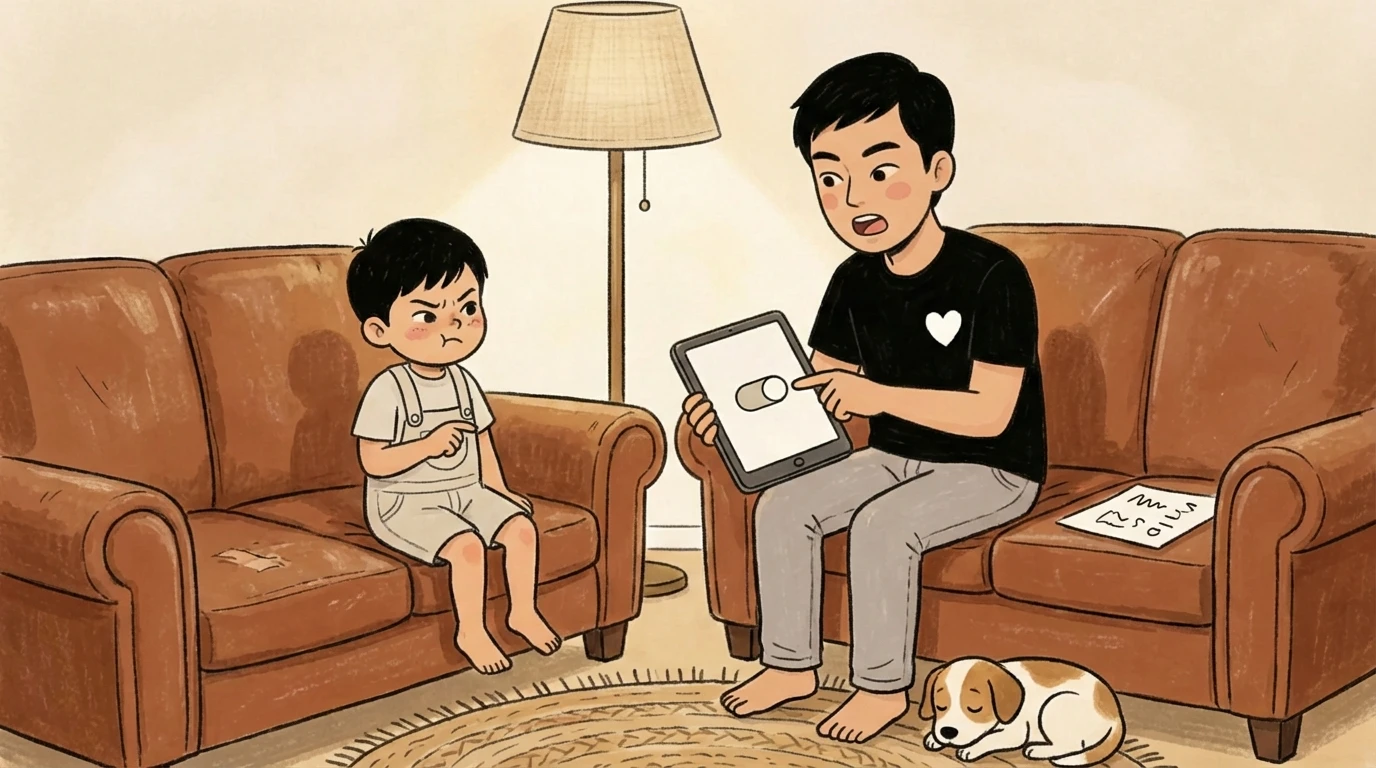
Don't set them in secret. Sit down together and walk through the privacy settings on every app they use. Explain what each setting does and why you're choosing it. Maximum privacy as the default, loosened only with discussion.
If a platform requires users to be 13 and your child is 10, don't help them lie about their age. Those restrictions exist because the content and dynamics on those platforms aren't designed for younger kids.
How to set up online safety rules
- Write a screen contract togetherCover when, where, and how long they can use devices. Include what happens if rules break. Post it somewhere visible and review it every few months as your child matures.
- Set up devices in shared spacesComputers and tablets stay in the living room or kitchen. No screens behind closed bedroom doors. This single rule prevents most hidden exposure to harmful content.
- Walk through privacy settings togetherSit with your child and review every app's privacy controls. Explain what each setting does. Default to maximum privacy and loosen only after discussion.
- Establish a daily check-in routineWhen your child first starts using a new platform, review their activity together daily. Keep it casual and curious, not interrogative. Taper off as trust builds.
- Model the behavior you expectPut your own phone down during meals and family time. If you can't stop scrolling, they're watching and learning that screens always win.
Cyberbullying: the bully that follows them home
Playground bullying was contained. The bell rang, you went home, and you got a break. Online bullying doesn't have a bell. It follows your child into their bedroom, into the car, into the bathroom. A child being bullied online has no physical escape unless you create one.
Warning signs to watch for
Kids rarely announce they're being cyberbullied. What you'll see instead: sudden avoidance of a game or app they used to love. Mood shifts after using their device. Anger or withdrawal that seems disconnected from anything happening in the house. Reluctance to attend school or social events. If your child who used to beg for screen time suddenly wants nothing to do with it, pay attention.
The instinct to help a child who is being bullied is the right one. But online bullying requires a specific response.
What to do if it's happening
Save everything. Screenshots with dates. Don't reply to the bully and don't delete the messages. Report the user on the platform, block them, and inform the school if the bully is a classmate. If the behavior is threatening, contact local authorities.
The hardest part: resist the urge to take away the device as a protective measure. Your child may interpret that as punishment for being victimized. Instead, adjust settings, block the specific person, and increase your monitoring temporarily.
Teaching them to protect themselves
Rules and monitoring cover the outside. But you also need to build the inside: a child who recognizes when something feels wrong and tells you about it.
Teach them that uncomfortable online encounters deserve the same response as uncomfortable in-person ones: tell a trusted adult. No secret is ever worth keeping if it makes you feel bad. This applies to strange messages from people they don't know, requests for photos, pressure to share personal information, and social pressure from peers that plays out in group chats.
The "nothing posted online is ever truly private" rule needs to be repeated until it's reflexive. Whatever they type, send, or post can be screenshot, forwarded, and seen by anyone. If they wouldn't say it to someone's face, it doesn't belong on a screen. And teaching kids about personal boundaries in the physical world extends directly to their digital life. Their body, their information, their images: all theirs to protect.
Building the tell-me-anything relationship
None of the rules above work if your child is afraid to come to you when something goes wrong. The single most protective factor in online safety is a kid who believes their parent will help, not punish, when they report a problem.
This means: when they do tell you something, stay calm. Even if what they're describing makes your stomach drop. Your reaction in that moment determines whether they'll come to you next time. Oh, you saw that? Tell me what happened. Not: Why were you on that site?

Porn, predators, and the conversations you're avoiding
If your child has unsupervised internet access, they will encounter pornography. Research suggests most children stumble across it by age eight, not because they went looking.
Have this conversation before first exposure, not after. Around age eight is the window. Keep it factual: what they might see does not reflect how real relationships work. You don't need to be graphic. You need to be first.
The predator risk, while lower than the panic suggests, still exists. The rules: never share personal information, location, or photos with people you haven't met in person. Never agree to meet someone from online without a parent present.
Your phone is their textbook
Here's the part nobody wants to hear. If you spend dinner scrolling, they're learning that screens are more interesting than people. If you text while they're talking to you, they're learning that a device outranks a person in front of you.
Your own relationship with your phone is the most powerful teaching tool you have. Put it away during family time. Announce what you're doing when you pick it up: "I'm checking the weather for tomorrow, then I'm putting it down." Let them see you choosing presence over the screen.
FAQ
There's no universal right age. The better question is: can they follow the screen contract rules consistently? Can they tell you when something makes them uncomfortable? If you're unsure, start with a basic phone without internet access and upgrade as they show responsibility.
When they first start using messaging, yes, and be transparent about it. Tell them you'll be reviewing messages together until they build a track record of safe use. As trust grows, transition to spot checks. The goal is supervised independence, not permanent surveillance.
Take it seriously without shaming them. Remove the device temporarily, have them read the messages out loud to you so they hear the impact, and work together on making it right. Kids who bully online often don't register the harm because they can't see the other person's face.
They're a useful layer but not a replacement for conversation and monitoring. Use them for content filtering and time limits, especially with younger kids. But know that determined older kids will find workarounds. The relationship is always the stronger safeguard.
Start with curiosity, not alarm. Ask what they saw and how it made them feel. Validate that it's normal to feel disturbed. Explain what the content was in age-appropriate terms. Thank them for telling you. Your calm response teaches them that bringing problems to you is safe.