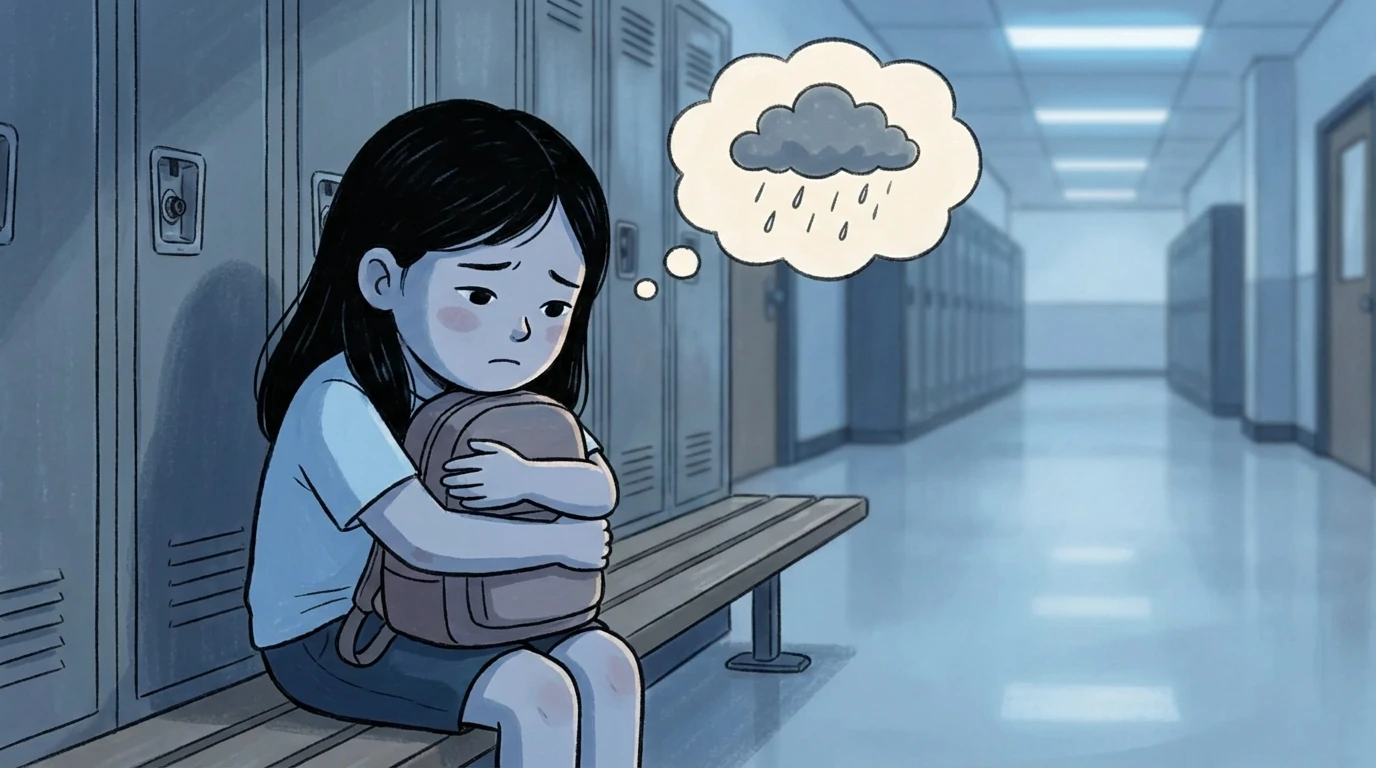
TLDR
- Bullying is not the same as a one-time conflict. True bullying is intentional, repeated, and involves a power imbalance. A single rude comment on the playground is not bullying. The distinction matters because the response strategies are different.
- Your child's first defense is a home where feelings are welcome. Kids who feel safe talking to you will tell you when something is wrong. Kids who expect judgment or dismissal will suffer in silence.
- Staying calm removes the reward the bully wants. Every bully is testing for a reaction. If your child can hold steady, the bully loses interest because the interaction stops paying off.
- Role-playing builds responses your child can access under pressure. Stress destroys improvisation. Practicing scripts at home creates automatic pathways so your child can respond even when their heart is pounding.
- You may need to intervene with the school, even if your child begs you not to. Document everything. Advocate. Emotional bullying and exclusion cause the same damage as physical aggression. If the school does not act, escalate.
What counts as bullying (and what does not)
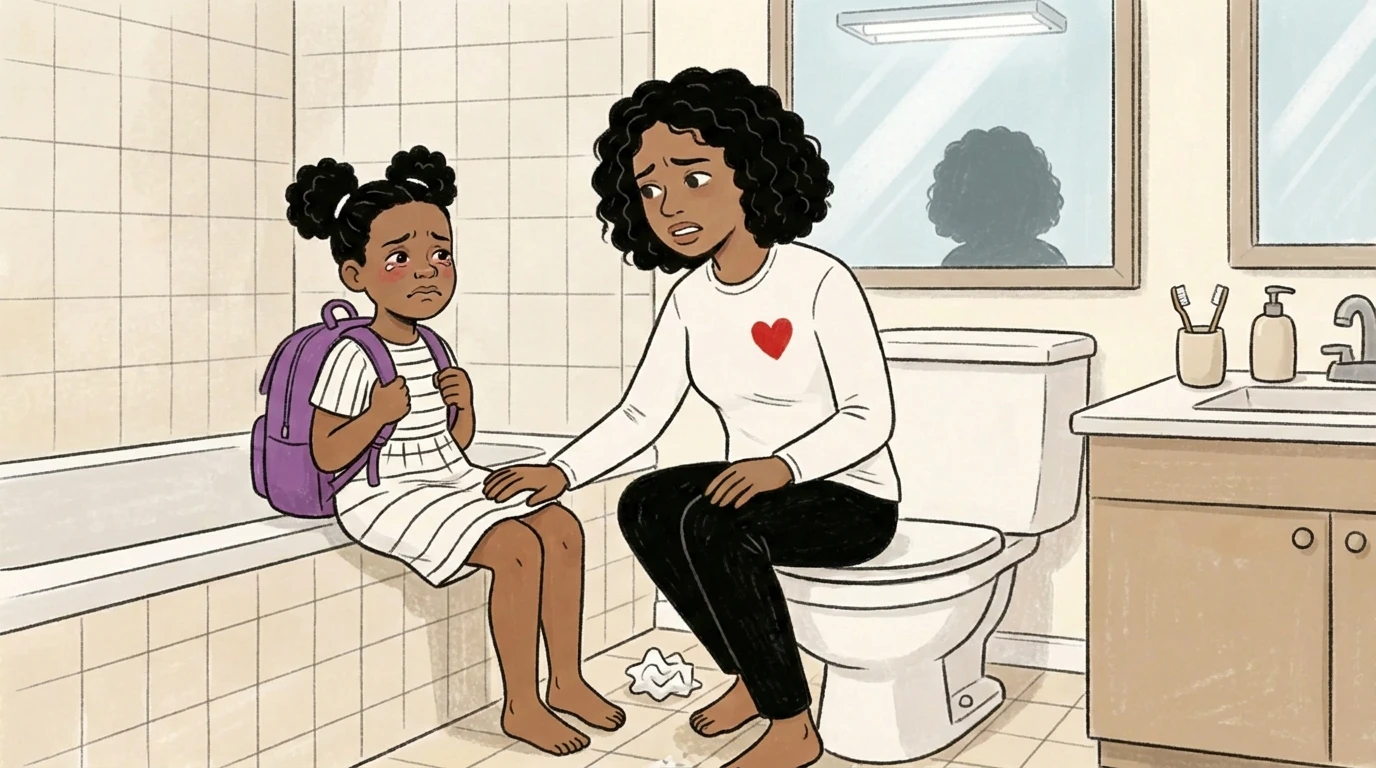
Your kid came home upset because someone called them a name at lunch. Before you draft an email to the principal, pause. A single rude comment is just a kid being a jerk, which is a different problem with a different solution.
True bullying has three ingredients: it is intentional, it is repeated, and there is a power imbalance. The power can be physical size, social status, or access to embarrassing information.
When it crosses the line
Watch for patterns rather than isolated incidents. Your child mentions the same name repeatedly. They start avoiding places they used to enjoy. Their sleep changes, their appetite shifts, they become withdrawn or uncharacteristically angry.
Shoved again at recess
The Social Skills course will give your child a response that sticks
You'll role-play three sentences together until your child can deliver them without freezing or crying.
Why your child might not tell you
Here is a paradox that will keep you up at night: the kids who need help the most are the least likely to ask for it.
Children are ashamed of being bullied. They believe it means something is wrong with them. They worry you will overreact, make it worse, or be disappointed.
How to be the parent they talk to
Connection is the foundation. It is a daily deposit into the trust account, built through one-on-one time where your child leads and you follow. No agenda, no teaching moments, just being together.
When they do bring something up, resist the urge to fix it immediately. Ask questions first. "What happened next?" "How did that feel?" "What do you wish you had done?" Your child needs to feel heard before they can hear your advice.
Teaching your child to respond
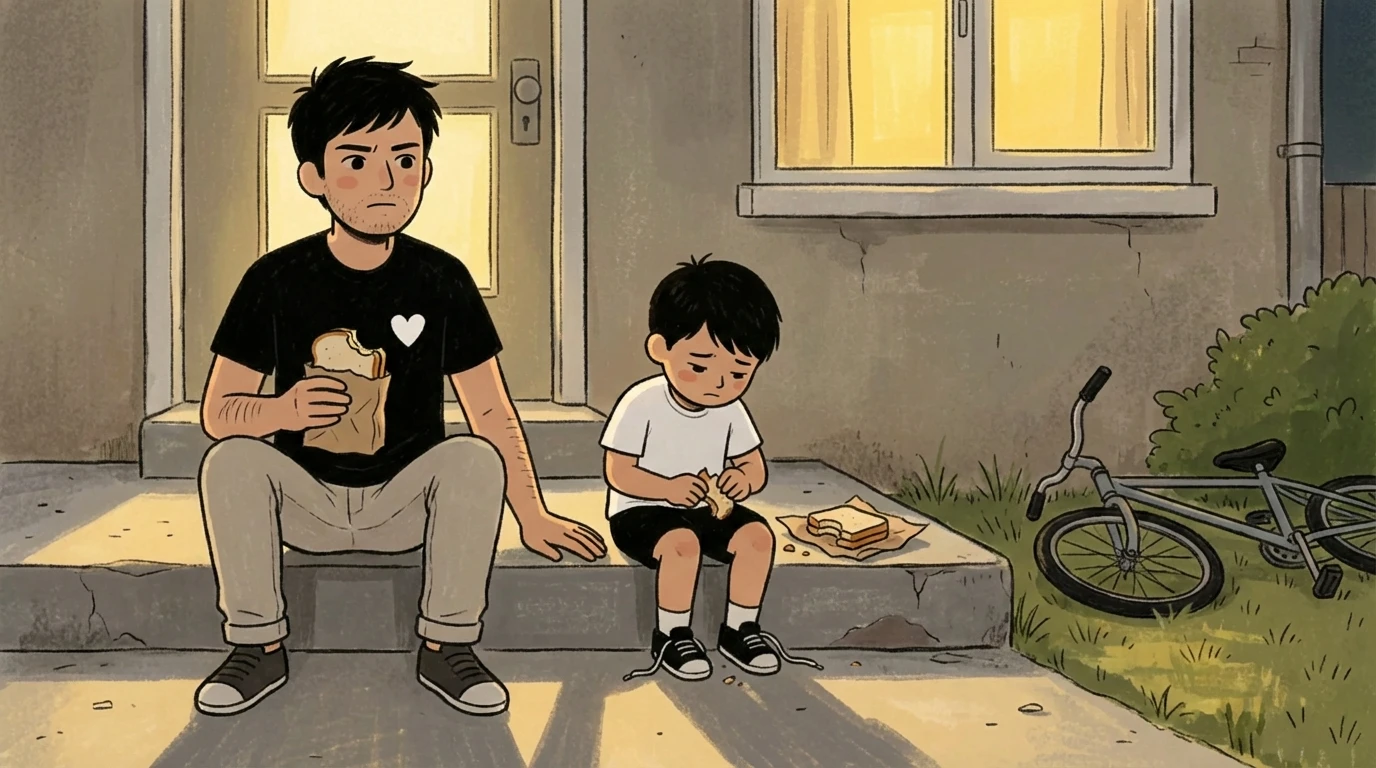
You cannot follow your child around the playground with a clipboard. But you can give them a toolkit they carry in their head.
The core principle: calm removes the reward
Every bully is running an experiment: If I push this button, what happens? If the answer is tears, panic, or fury, the experiment was a success. The bully got what they wanted: a feeling of power.
The calmer your child stays, the more likely the bully will lose interest and move on. Your child is choosing when and where to have those feelings. They can fall apart at home with you. At school, they need a poker face.
Scripts that work under pressure
Stress destroys improvisation. Your child will not think of the perfect comeback while their face is burning and their heart is hammering. That is why you practice assertiveness at home through role-play until the words come automatically.
Make it a game. You play the bully, your child practices responding. Keep it light enough that they are laughing, because laughter dissolves the tension that makes the topic feel scary.
Assertive responses:
- "That's teasing. Stop it."
- "I want you to leave me alone."
- "Why would you say that?"
Deflecting responses (for verbal teasing):
- "So?"
- "Thanks for telling me."
- "And your point is?"
Exit responses:
- "I think I have something else to do right now."
- Walk away without looking back.
Practice until your child can deliver these with a strong voice and straight posture. The body language matters as much as the words.
How to prepare your child for bullying situations
- Talk about bullying before it happensDiscuss how bullying works and why bullies test for reactions. Children who understand the dynamic can respond without taking it personally.
- Role-play responses togetherYou play the bully, your child practices scripts. Keep it playful so they laugh. Laughter dissolves the fear and builds confidence.
- Teach the poker facePractice staying calm when someone says something mean. The goal is strategic delay, letting them feel everything later, at home, with you.
- Build their assertiveness dailyKids who practice saying 'I want' and 'Stop that' in low-stakes situations at home can access those words under pressure at school.
- Rehearse the exitWalking away is not weakness. Practice the physical action of turning around and leaving. Remove the shame from retreat.
- Debrief after real incidentsWhen something happens, ask what they did and what they wish they had done. Adjust the scripts together. Each real situation is data for the next rehearsal.
The online dimension
Bullying used to end at the school gate. Now it follows your child into their bedroom through a screen. Online safety is part of the bullying conversation whether you want it to be or not.
What makes cyberbullying different
Kids who would never say something cruel to someone's face will type it without hesitation. The screen removes the feedback loop of watching another person's face crumble.
When your child first uses social media, review it with them daily. Out of curiosity, not surveillance. "What was fun today? Did anything feel weird?" Children develop judgment through reflection, not through rules posted on the refrigerator.
When cyberbullying happens
You have one advantage: documentation exists. Screenshot everything. Save dates. Block the person. Then bring the evidence to the school. Schools are responsible for addressing bullying that affects the learning environment, even when it happens off campus.
When to step in as the parent
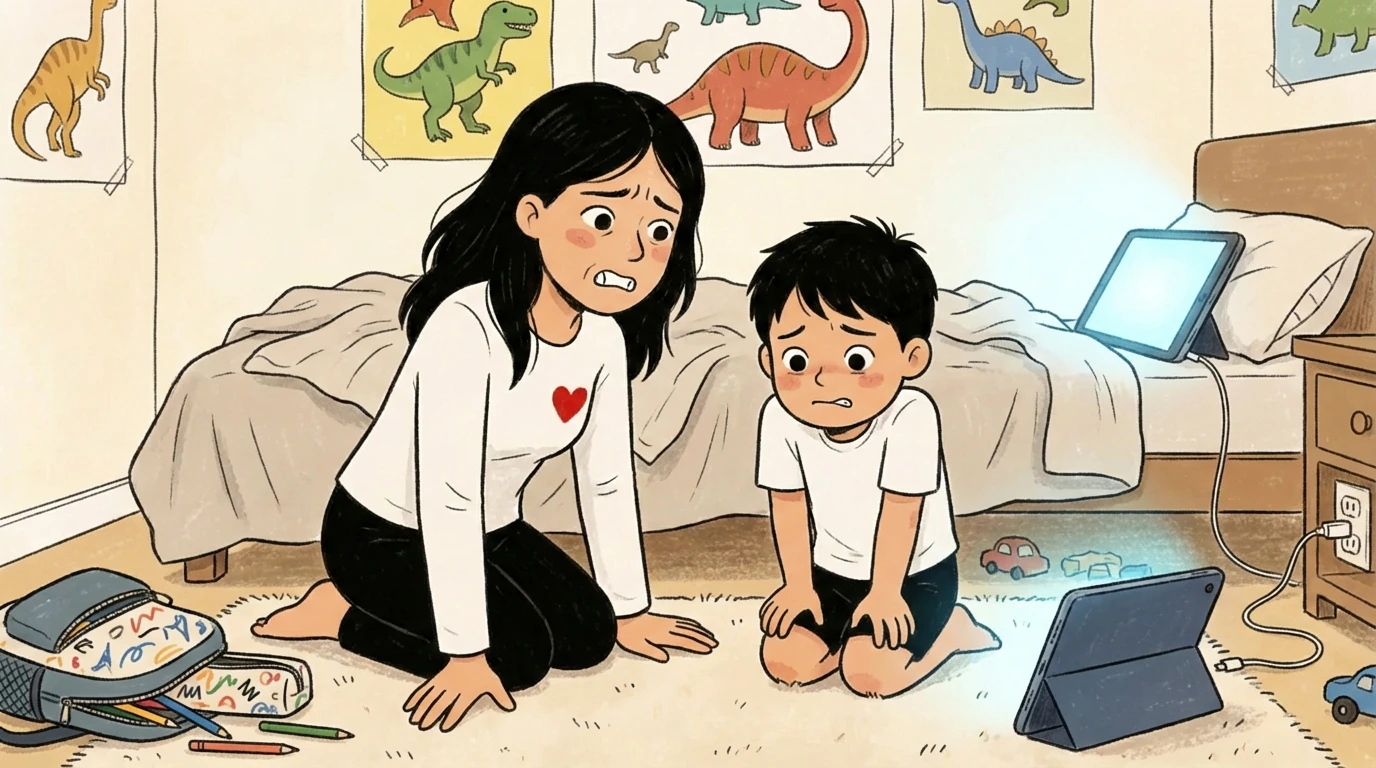
Your child may beg you not to talk to the school. They are terrified it will make things worse. And sometimes they are right that a clumsy intervention backfires.
But here is the line: if the bullying is repeated, if your child's behavior has changed, or if they are in physical danger, you intervene. Their short-term embarrassment matters less than their long-term safety.
How to intervene effectively
Document everything your child tells you. Dates, names, what happened, who witnessed it. The school needs this evidence to act.
Request a meeting with the teacher or counselor. Present the pattern, not a single incident. Ask for a safety plan. If the school dismisses it, escalate to the principal. If the principal dismisses it, go to the district.
Emotional bullying and exclusion cause the same damage as physical aggression. Do not let anyone tell you that being labeled and excluded is "just kids being kids."
Building resilience from the inside
You cannot prevent every cruel comment your child will ever hear. What you can do is build resilience so the comments do not shatter them.
Resilience starts at home. Every time you listen without judging, set limits without shaming, and show up even when your child pushes you away, you are building the internal scaffolding that holds them together when someone at school tries to tear them down.
When the hurt goes deeper
Some kids carry the weight of bullying into anxiety that needs professional support. Watch for: school refusal, nightmares, stomachaches every morning, preoccupation with revenge, or statements about hating themselves.
If you have been consistently present, coaching responses, and working with the school for several months without improvement, seek a therapist who works with children. Go as a family if possible.
The long view
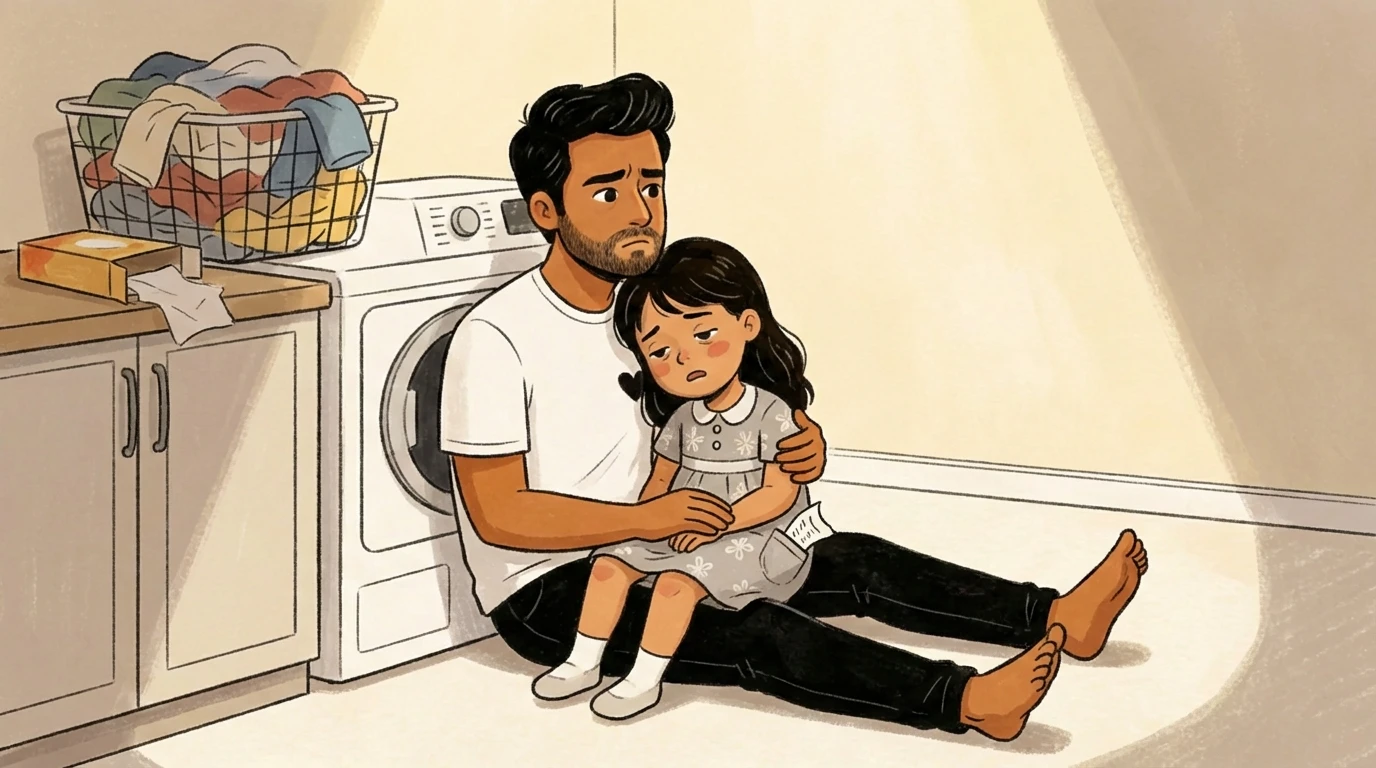
There will be a night when your child comes home and you can see it on their face before they say a word. Something happened. Someone was cruel. And every cell in your body will want to fix it, fight it, or make it disappear.
You cannot make it disappear. But you can sit with them while they cry. You can say, "That was wrong. You did not deserve that. I am on your side."
And then you can practice. Role-play the response for next time. Adjust the script. Send the email to the teacher.
Your child will not remember every mean thing someone said to them. But they will remember that you believed them, that you gave them words to use, and that when it mattered, you did not look away.
FAQ
Before it happens. Around age four or five, start discussing how bullying works in age-appropriate terms. Use stuffed animals to act out scenarios. The goal is for your child to recognize bullying dynamics and have practiced responses before they encounter them at school.
Teach them that physical retaliation escalates the situation and often gets the victim punished. Walking away is not weakness. Telling an adult is not tattling. The goal is to remove the reward the bully seeks, and a fight gives them exactly what they wanted: a reaction.
Proceed with caution. Many parents become defensive when told their child is bullying. It is usually more effective to go through the school, which can address the behavior in a structured way. If you do speak to the parents, lead with empathy and shared concern rather than accusation.
Watch for persistent changes lasting more than a few weeks: school refusal, sleep disruption, loss of appetite, withdrawal from activities they used to enjoy, talk of self-harm, or preoccupation with revenge. If your consistent support and school intervention have not improved things after several months, a child therapist can help.