TLDR
- Bossiness is a control strategy, not a character flaw. Kids who dictate every rule of every game are managing anxiety. The rigidity keeps unpredictable social situations from overwhelming them.
- Punishment teaches the exact behavior you are trying to stop. When you use power to crush a child's power grab, you model bossiness. They learn that whoever is biggest gets to make the rules.
- Laughter is a back door to releasing the fear driving the behavior. Silly games where your child gets to be in charge (on purpose, with you hamming it up) drain the anxiety that fuels real-life controlling behavior.
- The anger you see is protecting feelings your child cannot face. Fear, embarrassment, and helplessness hide behind the bossing. When kids feel safe enough to cry about those feelings, the need to control relaxes.
- Supervised playdates are where real skills get built. One-on-one, with you on the floor nearby, intervening before things explode. Group dynamics are too overwhelming for a child still learning to share power.
Why your child runs every game like a tiny dictator
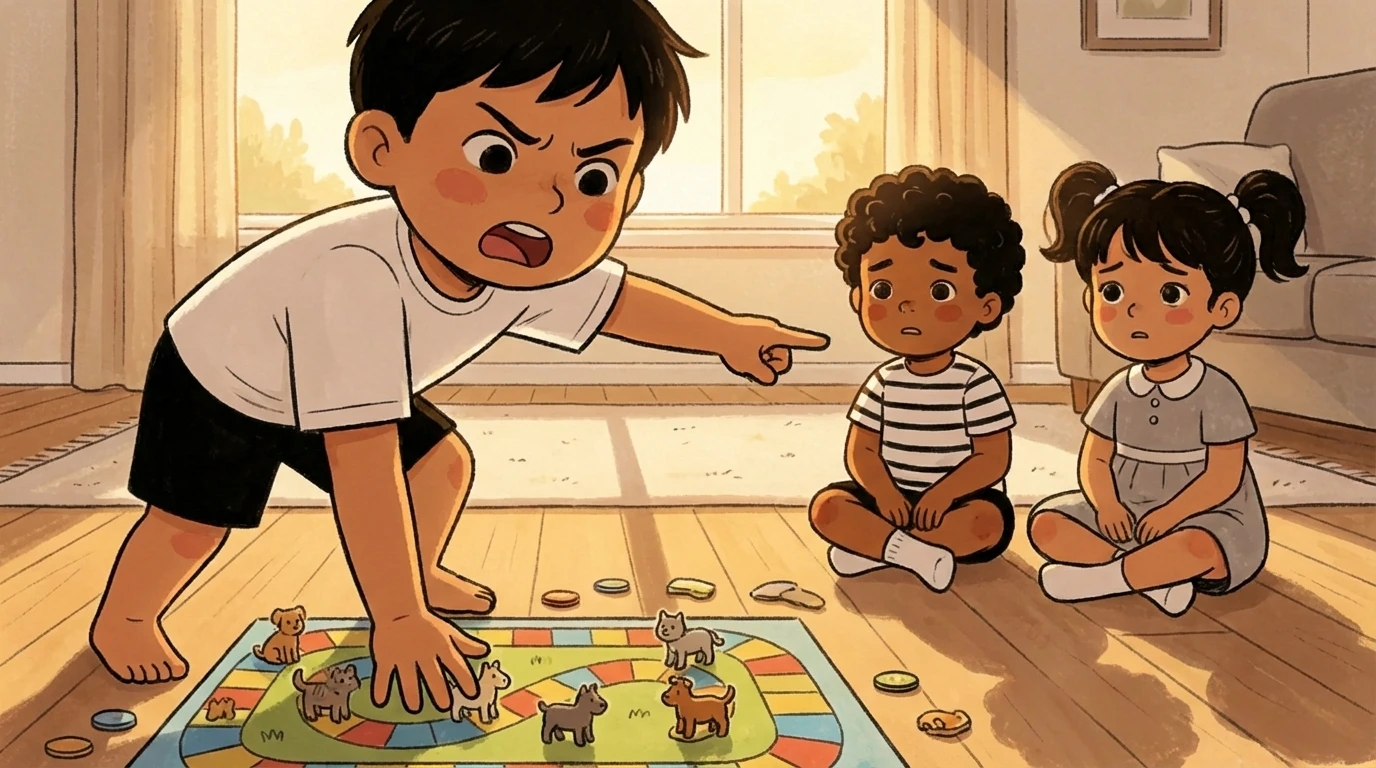
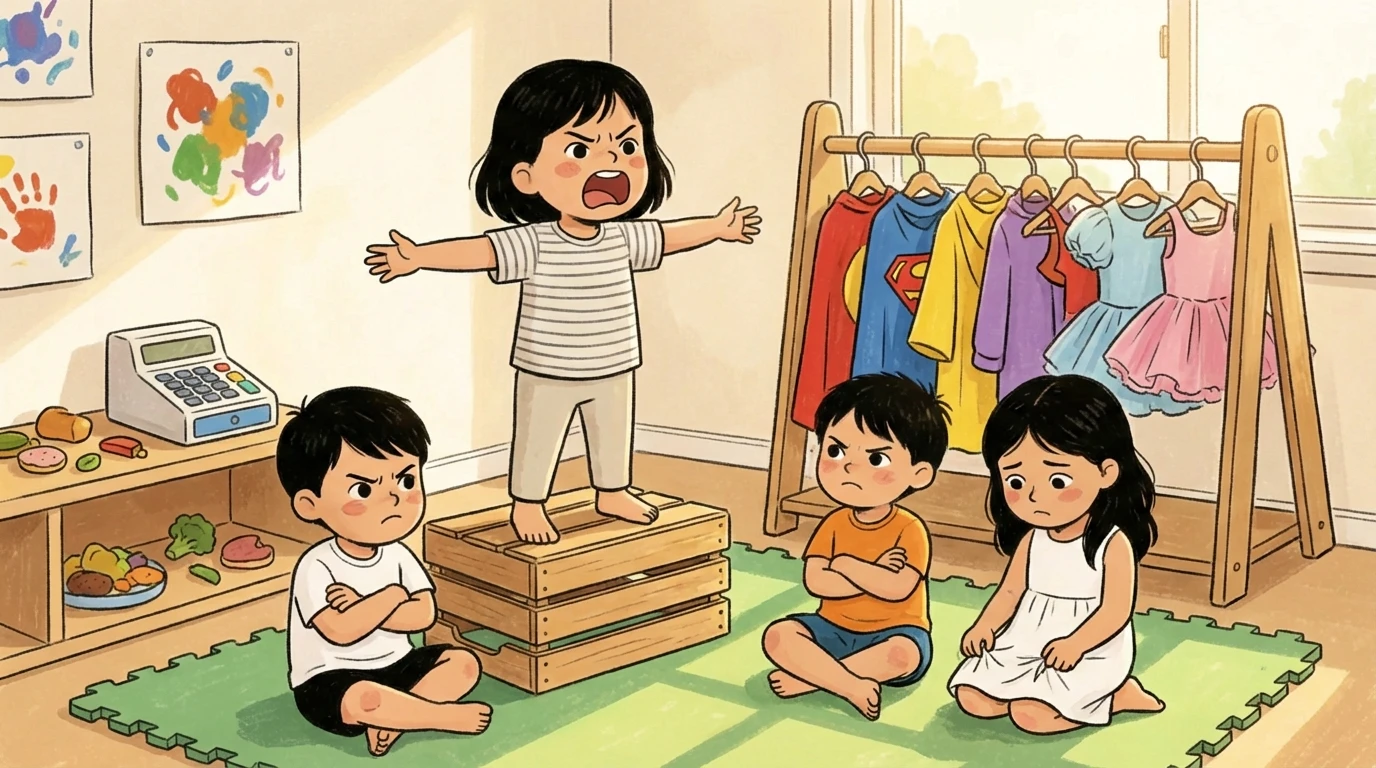
Your kid walks into a playdate and within three minutes has assigned roles, invented rules, and declared herself the queen. If the other children improvise, she melts down. If they leave, she rages.
It looks like arrogance. But here is what is happening inside her head: everything is too much, and controlling the game is the only way to make it stop feeling scary.
Bossiness in young children is almost always an anxiety response. The child who cannot tolerate anyone else's ideas is the child whose nervous system treats unpredictability as a threat. Controlling the game is survival strategy.
The cycle runs like this: she tries to control the situation, other kids push back, her fragile grip collapses, and she floods with anger that is really fear and helplessness wearing a loud disguise.
Dictating every game's rules
The Social Skills course will help you curb the control without crushing confidence
You'll redirect your child's need to run the show into leadership that other kids want to follow.
The power paradox you need to understand
Here is the part that stings. Every time you use your authority to crush her authority, you are modeling the exact behavior you want to eliminate. If you boss her into not being bossy, she learns that bigger people get to make the rules.
This does not mean you stop setting limits. But you set them with empathy instead of force. "You wanted everyone to play your game and they said no. That is so frustrating. We still do not get to scream at people."
Kids who feel controlled at home through power-based discipline will attempt the same power plays with peers. If you want your child to share control with friends, she needs to experience shared control with you first.
Why labels make everything worse
If you catch yourself thinking "my kid is a bully," stop. That framing builds an identity around the behavior. "She is learning to share control" frames the same situation as a skill in progress.
When other parents or teachers start applying the bully label, it sticks in ways that become self-fulfilling. A child who has been labeled the bully starts to believe they are broken, which increases the fear and defensiveness driving the bossiness in the first place.
The giggling cure (this one sounds ridiculous and works)
Laughter releases the same anxieties as tears. A child who has laughed hard is a child whose emotional backpack is a little lighter, which means they walk into social situations with more flexibility.
The bossy game
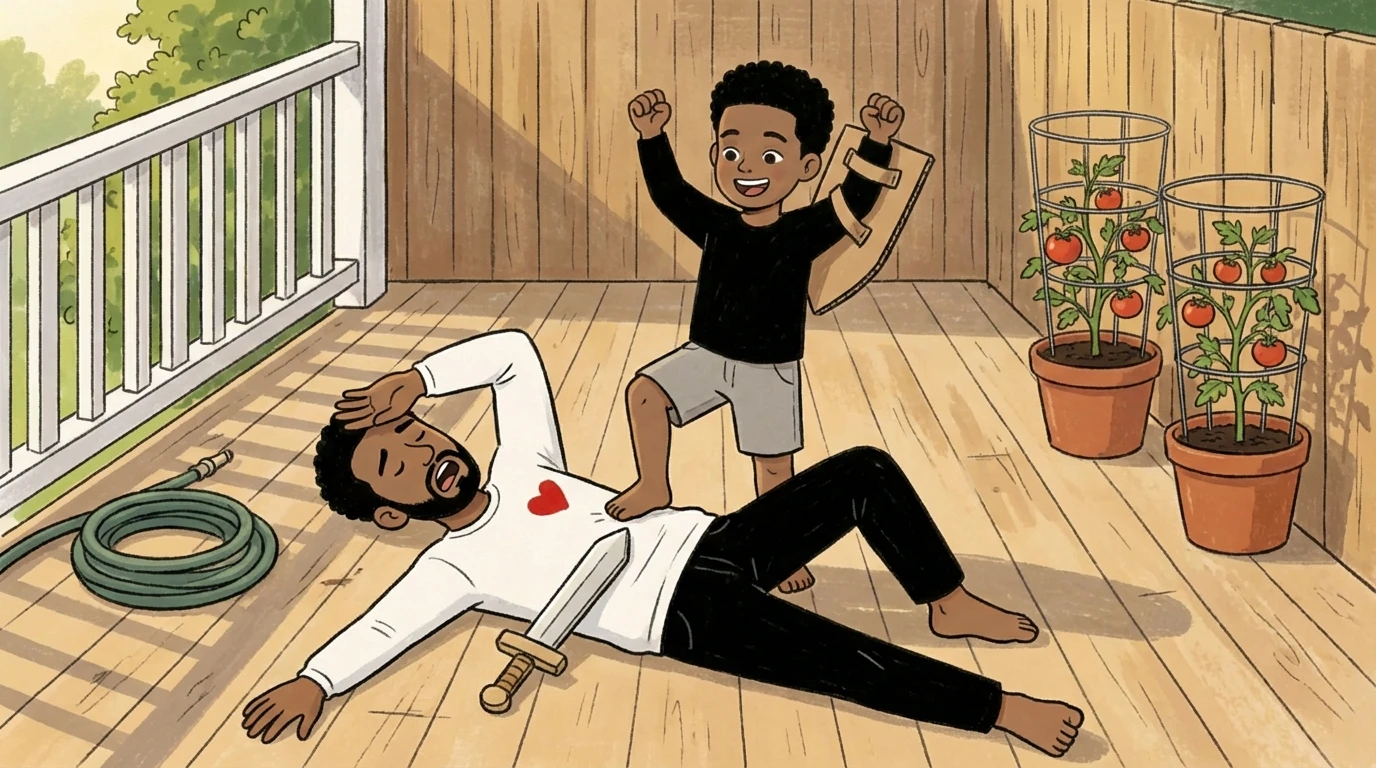
Tell your child: "Let's play the bossy game. You are the boss and I have to do everything you say." Then follow her orders badly. Bumble. Trip over things. Loudly complain that she always gets her way. The goal is maximum giggling.
This works because it gives her legitimate power and control in a safe context. She gets to be in charge (which is what she desperately wants) while everyone knows it is play (which keeps it from reinforcing actual bossiness). Ten minutes of belly laughing, morning and night, takes the edge off.
Playing school
Let her be the teacher. You are the hopeless student who cannot remember anything. Ham it up. This directly addresses school anxiety by letting her master the feared situation through play.
And here is the part that matters for the long game: the more you play together about these issues, the more trust builds between you, which makes her more likely to cry when she is upset instead of raging.
Getting past the anger to the tears underneath
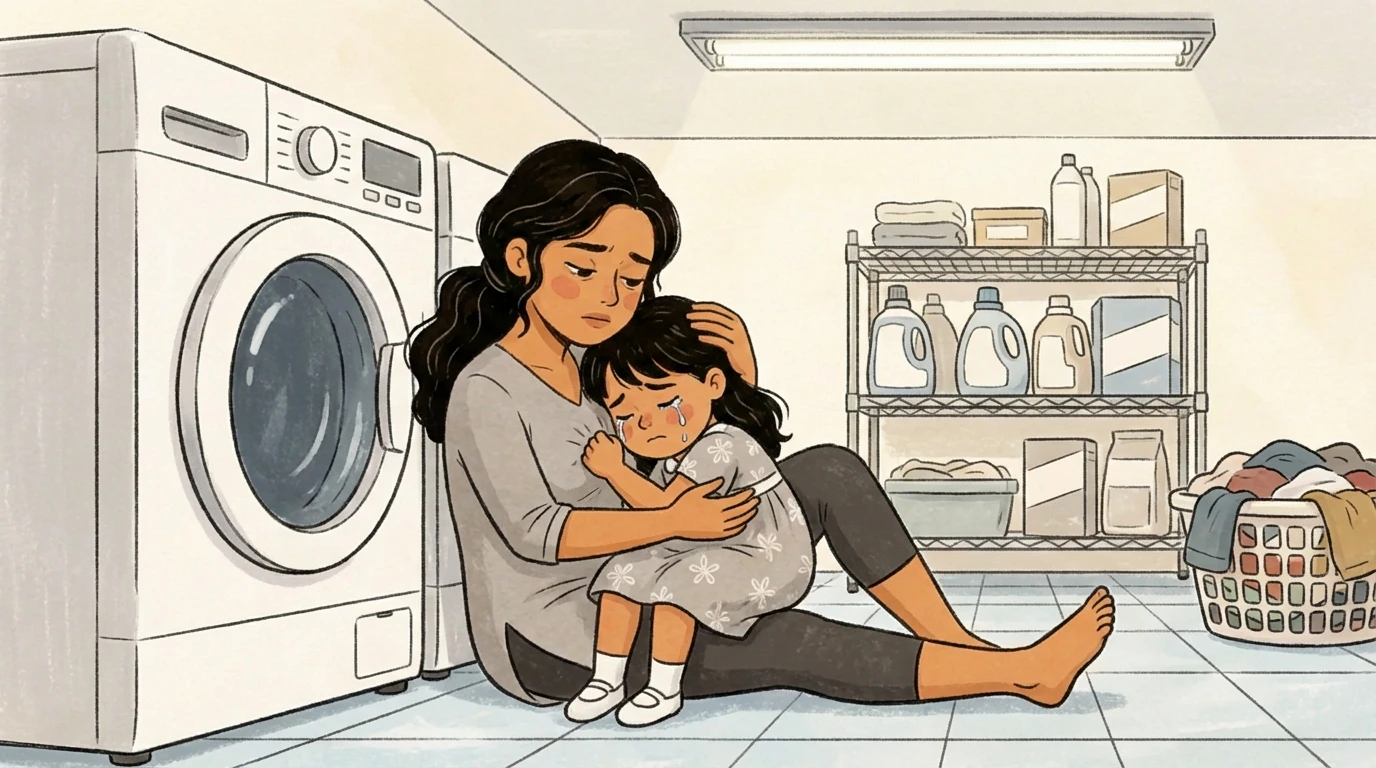
The anger your child shows is a bodyguard. It stands in front of the feelings she cannot face: fear of rejection, embarrassment about losing control, helplessness when the world does not bend to her script.
When you offer empathy and she pushes you away, the empathy is working. It is taking her toward those scary feelings, which is precisely why she gets angry in the first place.
Find a time when you will not be interrupted. Cuddle up. Then say something like: "You had such a hard time with the kids at the park yesterday. You got so mad when they would not play your game. That must have felt awful."
She might shut you out. Stay soft. She might say "shut up." Move back but do not leave. "I hear you. I am staying close. You do not have to be alone with these big feelings."
Your goal is to get past the anger to the fear beneath it. You will know you have arrived when she trembles and cries. Once crying begins, stop talking. Just hold her. "Everyone needs to cry sometimes. I am right here."
A child who has cried deeply about the frustration underneath the bossiness will walk into the next playdate carrying less. She will still be sensitive. But she will have more room to flex.
How to coach your child through bossy behavior
- Play the bossy game dailyGive your child ten minutes of being legitimately in charge while you follow orders badly and generate maximum laughter. This drains the anxiety fueling real-life control grabs.
- Set limits with empathy, not forceName what they wanted, validate the frustration, hold the boundary. 'You wanted to pick the game and they said no. That is frustrating. We still do not scream at friends.'
- Welcome the tears behind the angerFind a quiet moment, bring up a recent hard situation, and stay close even if they push you away. The crying is the breakthrough.
- Arrange supervised one-on-one playdatesSit on the floor with the kids. Intervene before things escalate. Model trading, turn-taking, and compromise in real time so your child sees it done.
- Name effort, not just resultsWhen your child almost loses it but pulls back, say so. 'You wanted to grab that toy and you stopped yourself. That took a lot of strength.' Progress is built from partial wins.
The supervised playdate strategy
Group playdates are overwhelming for a child who is still learning to share power. Start with one friend, one parent (you), and no distractions.
What your job looks like
Sit on the floor. Do not scroll your phone. Do not chat with the other parent. Watch the kids play and step in the moment you see the controlling behavior starting.
"You both want the truck. Devon has it right now. What could we trade him so you get a turn?" You are modeling negotiation in real time. Your physical presence at their level signals that conflict is manageable.
When the meltdown happens anyway
If she hits, comfort the other child first (they are the injured party). Then hold your child: "You must have been very upset to hit. But hitting hurts. We need to stop playing now." Leave. No lecture. The consequence is immediate and natural.
A strong-willed child will rage about leaving. Hold the limit. The second time you leave early, something shifts. She starts to connect the dots between hitting and losing the thing she wanted most.
The difference between bossy and assertive
Here is the line you are walking. You do not want to squash your child's leadership instinct. You want to teach her to use it without bulldozing other people.
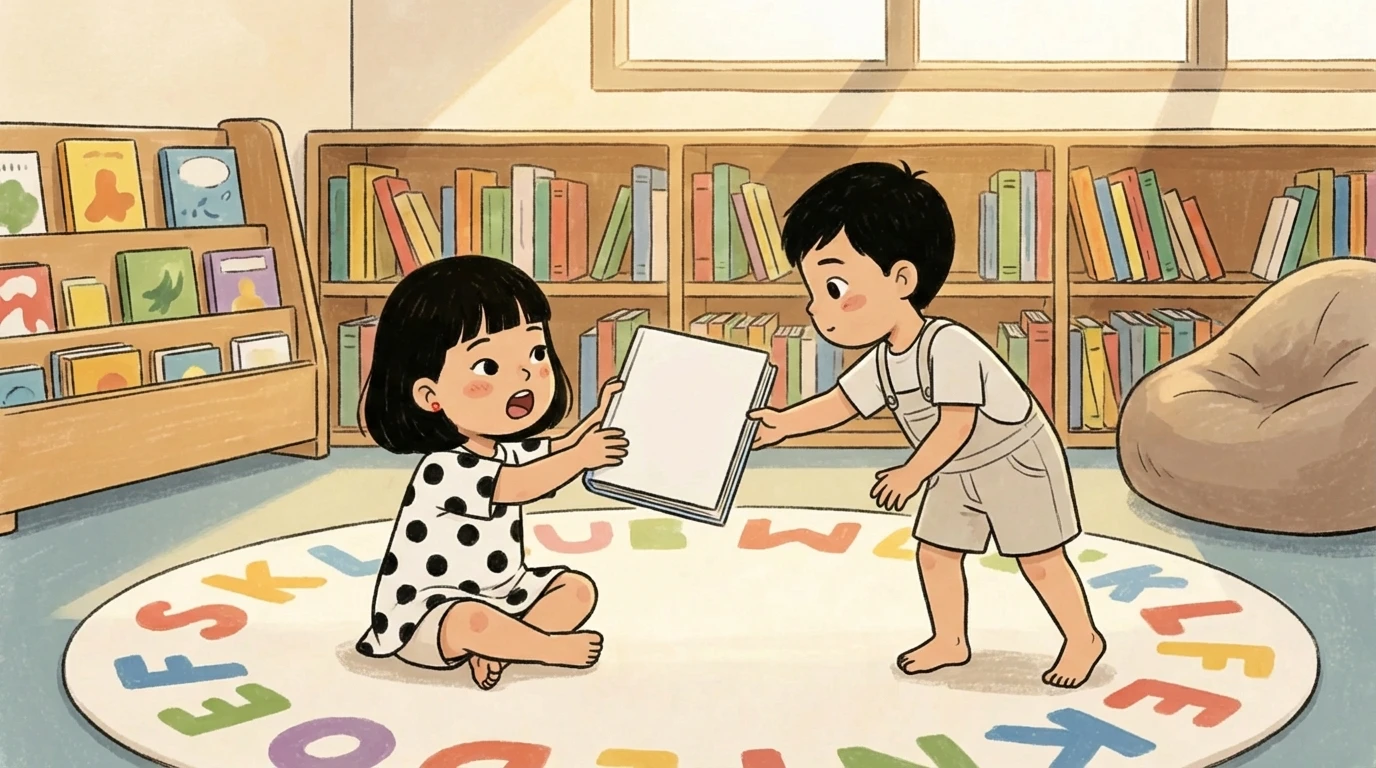
A bossy child says "we are playing my game and those are the rules." An assertive child says "I have an idea for a game. Want to try it?" Same energy, different delivery. The assertive version invites rather than commands.
You build this by practicing at home. When she tells you what to do, reflect it back: "That sounded like an order. Can you try asking me instead?" Then follow through when she asks. She needs to learn that asking works better than commanding.
When to look for outside help
Three to six months of consistent work with the strategies above should produce visible change. She will still be sensitive and easily overwhelmed by group dynamics, but she should feel less threatened and handle it with more flexibility.
If you are doing all of this and nothing is shifting, seek a professional evaluation. Some kids carry anxiety that needs more targeted support. Some have sensory processing differences that make group situations physically uncomfortable. A child therapist can sort out what is developmental and what needs specialized help.
FAQ
Four-year-olds are experimenting with power and social hierarchy. Some degree of wanting to be in charge is completely normal. It becomes a concern when the child consistently cannot tolerate any loss of control, melts down when peers have different ideas, or resorts to aggression to enforce their rules.
Leadership instinct is a strength. The goal is not to crush it but to redirect it from commanding to inviting. Practice at home: when your child gives an order, ask them to rephrase it as a question or suggestion. Then follow through so they learn that asking works.
Bossiness and bullying are different things. Most bossy preschoolers are managing anxiety, not seeking to harm. With empathy, supervised practice, and emotional release through laughter and tears, the controlling behavior typically softens within a few months.
Other parents notice. That is uncomfortable. Focus on what you can control: stay close during playdates, intervene early, and show the other parent you are actively working on it. Most parents respect a parent who is present and trying.