TLDR
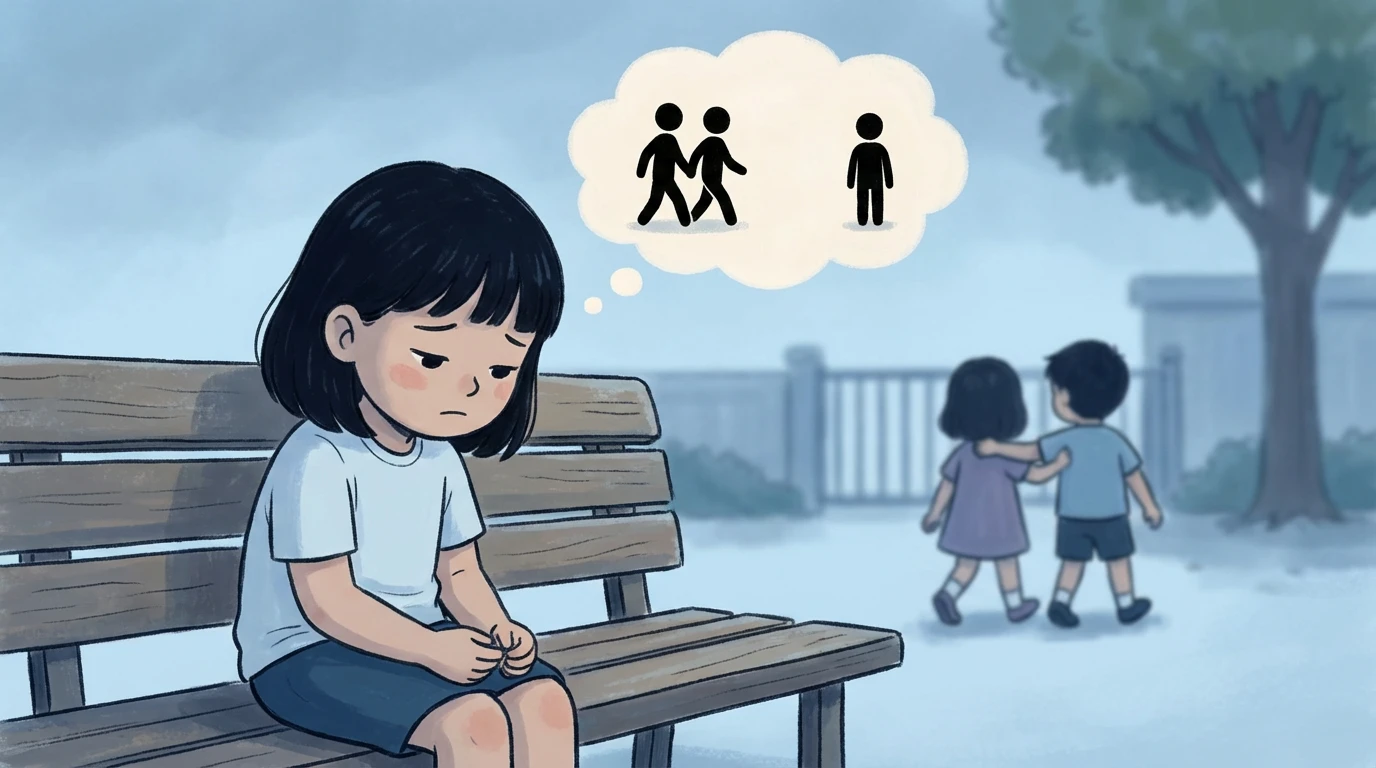
- Your child needs your presence, not your solutions. When kids share friendship pain, jumping to fix it signals that the feeling is intolerable. Sitting with them through it teaches that hard emotions are survivable.
- 'I won't be your friend' is normal preschool currency. Four-year-olds use social exclusion language the way toddlers use the word 'no.' It is a power play, not a personality flaw. But it still needs active coaching.
- Exclusion hurts so much because humans are wired for belonging. The pain of being left out is real and significant at every age. Minimizing it with 'I'm sure they'll play with you tomorrow' makes your child feel worse, not better.
- Anger about friendships is almost always fear or sadness underneath. When your child rages about being excluded, the anger is the surface layer. Below it sits hurt, fear of abandonment, or grief over a lost connection.
- Clinginess to one friend signals a need for broader confidence. A child who follows one friend everywhere is trying to feel safe through that person. The fix is building internal confidence, not restricting the friendship.
When your kid says "nobody wants to play with me"
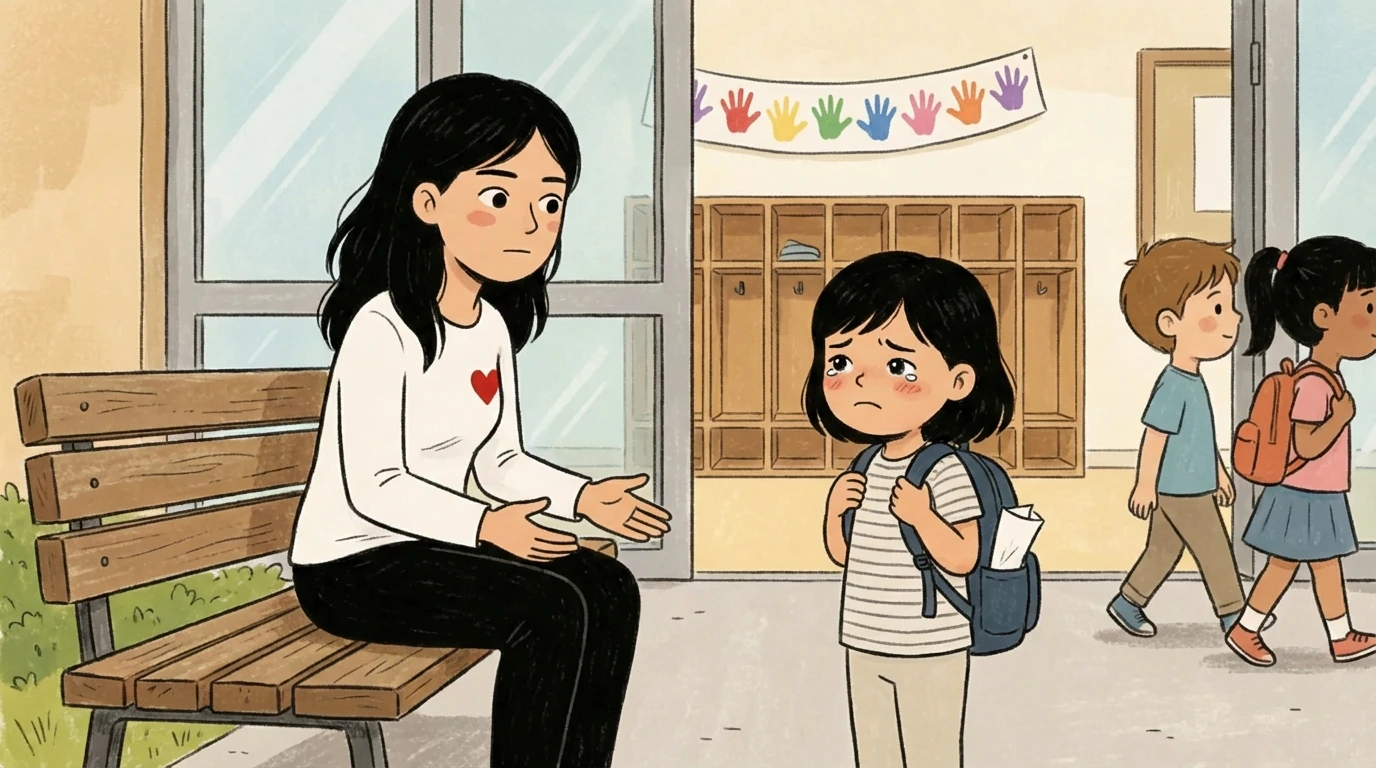
You pick them up from school and the words hit before you even get the seatbelt clicked: "Nobody played with me today. I sat by myself at recess."
Your stomach drops. You want to text the teacher. You want to call another parent. You want to say, "Sweetie, I'm sure they'll want to play tomorrow."
Do none of those things.
Your child is handing you an emotion to witness. The phrases that work are simple:
- "I'm so glad you told me about this."
- "That sounds really painful."
- "I believe you."
- "Tell me more."
That is the whole move. No fixing, no strategizing, no reassuring them out of their feelings. Kids emotionally supported through rejection develop the internal resources to bounce back without you eventually.
You can't sit with us
The Social Skills course will teach you how to coach through exclusion
You'll know exactly what to say at bedtime when your child comes home crying about being left out.
Why you keep trying to fix it (and why you need to stop)
When your child tells you about friendship pain, your nervous system activates your own stuff. That moment in fourth grade when you ate lunch alone. The birthday party you were not invited to.
Your childhood wounds hijack your response to your child's present situation. You start solving their problem with the urgency of your own unresolved feelings. Take a breath. Notice what belongs to you and what belongs to them.
Friendships are supposed to be messy
Kids can be best friends on Monday and refuse to speak on Tuesday. This is normal. Friendship is the training ground where children learn to express needs, sit with disappointment, and repair after conflict.
The goal is to give your child coping skills for the full range of friendship experiences, including the ones that sting. That is what builds real resilience.
"I won't be your friend" and other preschool power plays
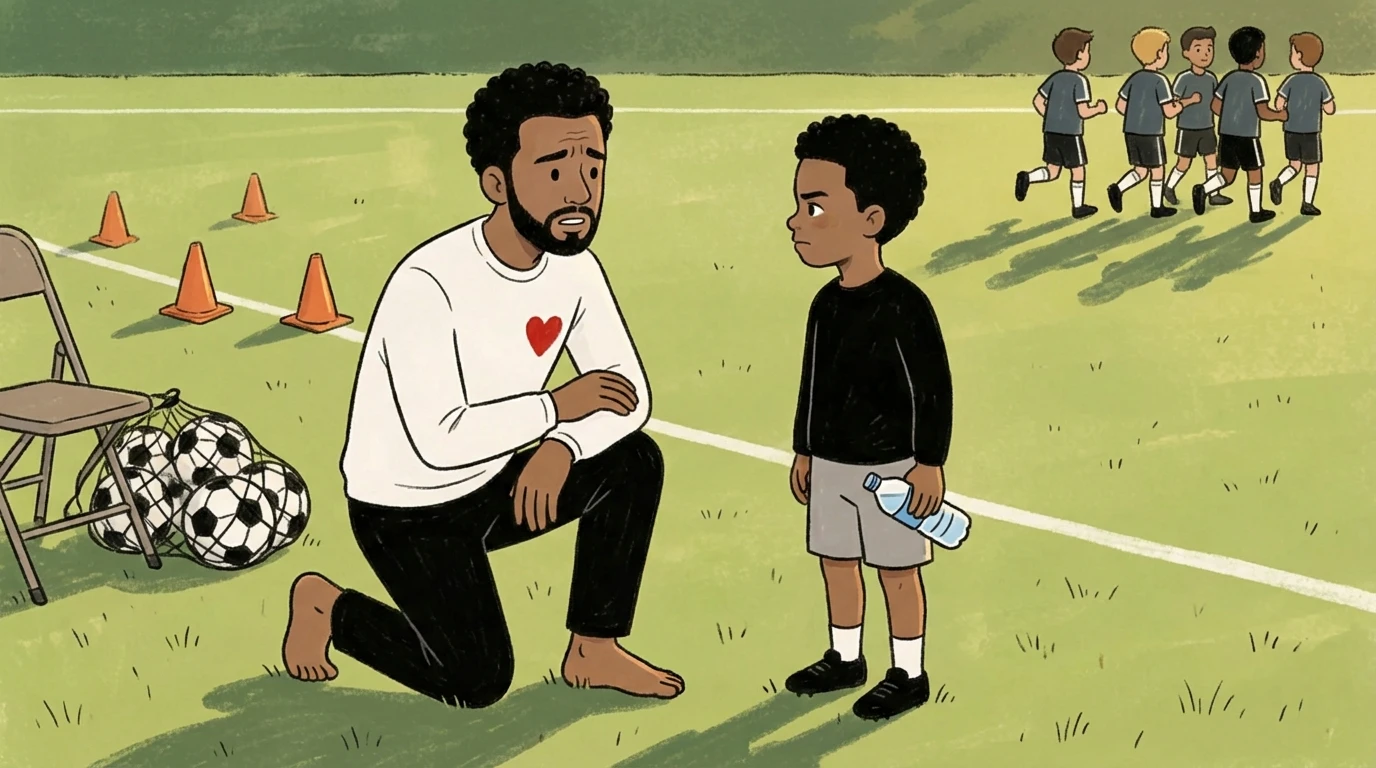
If you have a four-year-old, you have heard some version of this: "You're not my friend anymore." Or the escalated edition: "If you don't do what I want, you can't come to my birthday party."
Every preschool teacher on earth will tell you this is standard-issue four-year-old behavior. It is the social version of a toddler discovering the word "no." They found a tool that gets a big reaction and they are testing how far it goes.
But "normal" does not mean "ignore it." If threatening to end friendships becomes their go-to move, other kids will eventually stop wanting to play with them.
What is happening underneath the threat
When your child says "I won't be your friend," they are saying one of these things:
- I want my way right now
- I am tired of this game
- I do not know how to tell you what I need
Anger in friendships is almost always sitting on top of hurt, fear, or sadness. Your child felt something big and reached for the biggest weapon in their social arsenal because they do not have better words yet.
Teaching better words (when they are calm)
You cannot coach social skills while your child is still activated. Wait until the storm passes, then have the conversation.
Try: "Remember when you told Cassie she could not come to your birthday? What were you feeling right then?" Help them trace the chain: something hurt, the hurt became anger, the anger became hurtful words.
Then give them a replacement script: "Cassie, I really want to play just us right now. Can the other kids join later?" That is a child expressing a need directly instead of threatening a relationship.
When your child clings to one friend like a life raft
Some kids latch onto a single friend with the intensity of a romance novel. They melt down when the friend plays with anyone else. They become possessive and controlling, which is exactly the behavior that pushes the friend away.
The internal script is "If I lose this friend, I will not survive," and that terror drives all the controlling behavior.
What helps
The fix is not restricting the friendship. Scarcity makes it worse. Instead, work on multiple fronts:
- Expand their social world. Set up playdates with other kids from the same class. Give them options so the dynamic is not all-or-nothing.
- Point out other interesting humans. "What does Henry like to do at school? Blocks? That sounds fun. I bet he would love for you to play with him sometime."
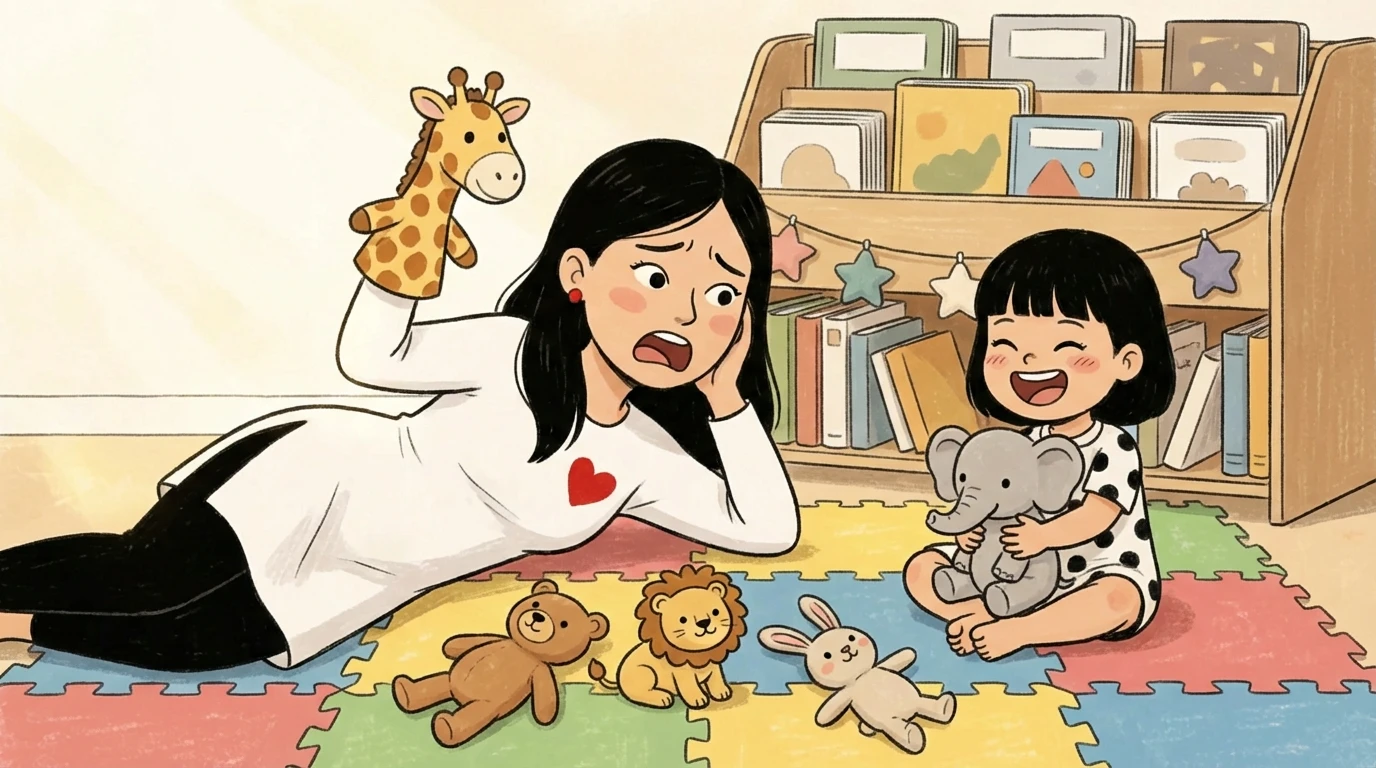
- Process the jealousy through play. Play "school" where you pretend to be the friend who wants to play with someone else. Let your child throw the stuffed-animal "rival" out of the room. As long as they are giggling, they are releasing anxiety.
How to help when your child is excluded
- Listen without fixing anythingWhen your child tells you about being left out, resist every urge to solve it. Say 'I believe you' and 'tell me more.' Your job is to witness the pain, not eliminate it.
- Separate your history from theirsNotice if your reaction is about your child's situation or your own memories of rejection. Take a breath. Respond to the child in front of you, not the child you used to be.
- Wait for calm before coachingDo not try to teach social skills while emotions are running high. Wait until the storm has fully passed. Then explore what happened, what they felt, and what they could try next time.
- Give them replacement wordsHelp your child find language for what they need. 'I want to play just us right now' works better than 'you are not my friend.' Specific scripts they can rehearse and use.
- Widen their social circle graduallyArrange time with different classmates. Point out potential friends they have not noticed. The goal is options, so no single friendship carries the weight of their entire social world.
When exclusion crosses a line
There is a difference between the normal turbulence of childhood friendships and genuine bullying. Normal conflict is two kids who both want to be first in line. Bullying is repeated, targeted, and involves a power imbalance.
Watch for these signals:
- Your child refuses to go to school
- They withdraw from friends they used to enjoy
- They say things like "nobody likes me" with a flatness that sounds like they believe it
If you are seeing these patterns, believe your child and partner with the school. Your calm, consistent presence at home is the foundation they stand on while the external situation gets addressed.
For the everyday friendship injuries (the cold shoulder at recess, the birthday party snub, the rotating alliances of third-grade girls) your child needs you to tolerate their pain without rushing to make it disappear.

The long game with friendship skills
You are going to get this wrong sometimes. You are going to jump in with solutions when your kid just needs you to listen. You are going to project your own childhood pain onto their Tuesday afternoon.
That is fine. Every time you catch yourself, pause, and just sit with your child in the discomfort, you are teaching them something: this feeling will not destroy you, and you do not have to face it alone.
The peer pressure intensifies in the teen years. The stakes feel higher. But the kid who learned at age five that a parent will sit with them through friendship pain is the kid who comes to you at fifteen when things get really complicated.
You are building a child who knows what to do when friendships get hard. And that starts with you, on the bench next to them, saying nothing except "I'm here."
Is your child ready for the social world of school? The friendship challenges that come with that transition are real, and knowing where your child stands helps you prepare.
FAQ
Completely normal for preschoolers. Think of it as a power play, the same way toddlers discover the word 'no.' But normal does not mean you ignore it. Coach them toward expressing their actual needs instead of threatening relationships. The preschool years are the window to teach better negotiating skills.
Almost never. Your first move is always to listen and validate your child's experience. Calling another parent escalates the situation and removes the opportunity for your child to develop coping skills. The exception is if the exclusion crosses into repeated, targeted bullying with a power imbalance.
This is about confidence, not friendship. Expand their social world by arranging time with other classmates. Use pretend play to process the jealousy. Do not restrict contact with the special friend because scarcity makes the desperation worse. Build options so no single relationship carries all the weight.
Normal conflict involves two kids who both have power in the situation. Bullying is repeated, targeted, and involves a power imbalance. Watch for school refusal, social withdrawal, or flat statements like 'nobody likes me.' If you see those patterns, believe your child and involve the school.