TLDR
- Playgrounds are terrible social training grounds. Unstructured settings with strangers and no adult guidance create maximum social ambiguity. Structured activities with the same kids each week work far better.
- Your child may be doing something specific that pushes kids away. Bossiness, bragging, or big emotional outbursts are the top three friendship blockers. Once you identify the pattern, you can coach around it.
- Rejection is about the other child, not yours. Teach your kid that when another child will not play, that child is not ready yet. This framing protects self-esteem and keeps the door open.
- One-on-one playdates beat group dynamics for shy kids. A child who freezes in groups can practice friendship skills with a single peer in a familiar setting. Regular playdates with the same kid build real connection.
- Your own childhood rejection pain will amplify theirs. If you were the lonely kid, your unresolved feelings make your child's situation feel bigger than it is. Process your own stuff so you can stay steady for them.
Why making friends is harder than it used to be
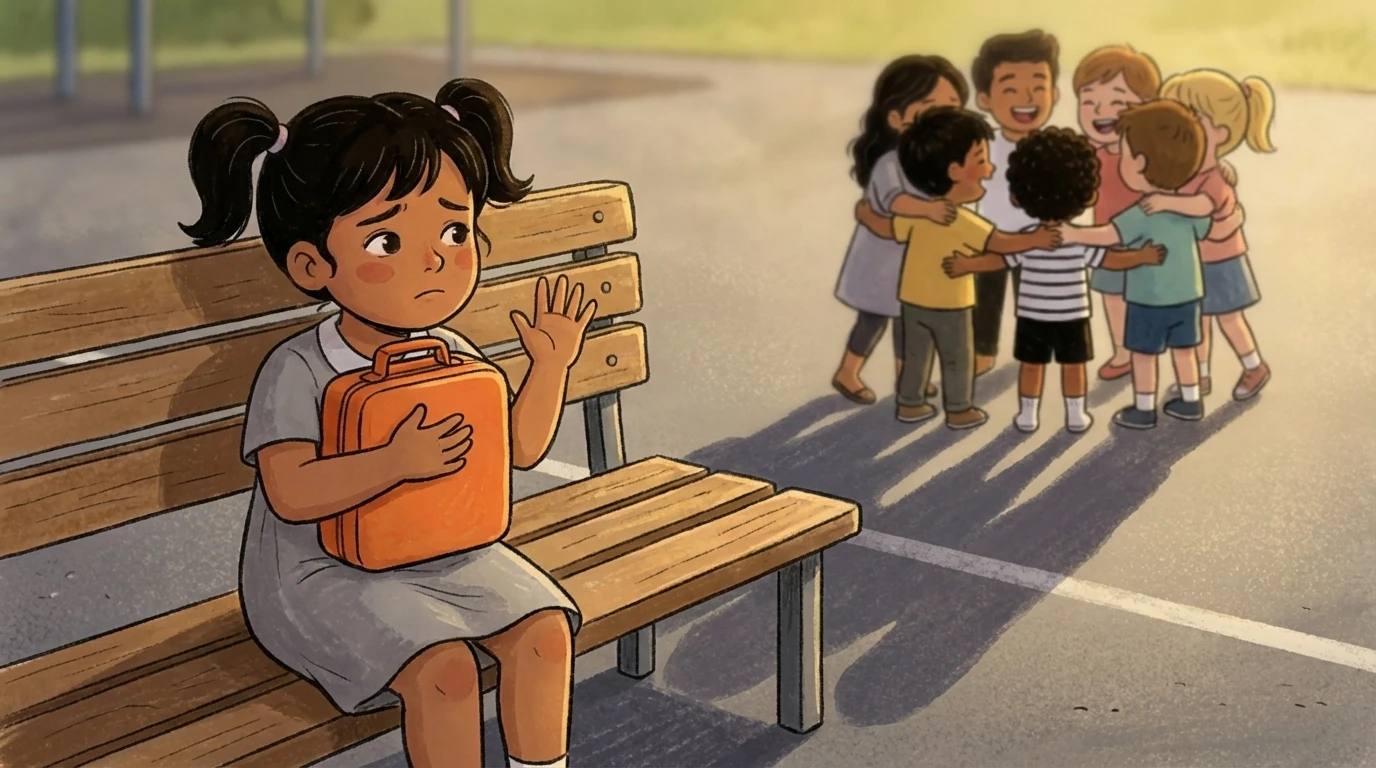
Here is a thought that will not make you feel better but might make you feel less crazy: playgrounds are objectively terrible places to learn social skills.
A random collection of kids who do not know each other, no shared rules, no adult modeling. In tribal societies, children of all ages played together and older kids naturally showed younger ones how to approach, negotiate, and recover from rejection. Modern playgrounds removed every training wheel and then blamed the kid for falling.
Add screen time that cuts face-to-face practice, stranger-danger messaging that makes kids wary of unfamiliar children, and age-segregated settings that eliminate the older-kid role models young children learn best from. The environment was never designed to teach them what they need.
No one at pickup waves
The Social Skills course will help you build a friendship pipeline from scratch
You'll move from zero playdates to a repeatable routine that puts your child in front of the right kids.
Before you do anything, gather information
The temptation is to coach immediately. Resist it. You need data from two sources first.
Talk to the teacher
The teacher watches your child in a social environment every single day. They can tell you whether the friendship difficulty is happening at school (sometimes it looks worse from home than it is), what specific behaviors might be pushing peers away, and who your child does interact with.
What parents imagine is happening often differs from the real classroom dynamics. Your kid might have a lunch buddy you have never heard about.
Talk to your child
Have conversations, not interrogations. "What did you do at recess?" works better than "Do you have any friends?" Listen for what they are feeling, not just what they are reporting. A child who says "nobody plays with me" might mean "one kid said no today and it ruined everything."
The combination of both perspectives gives you the full picture.
Three behaviors that block friendships
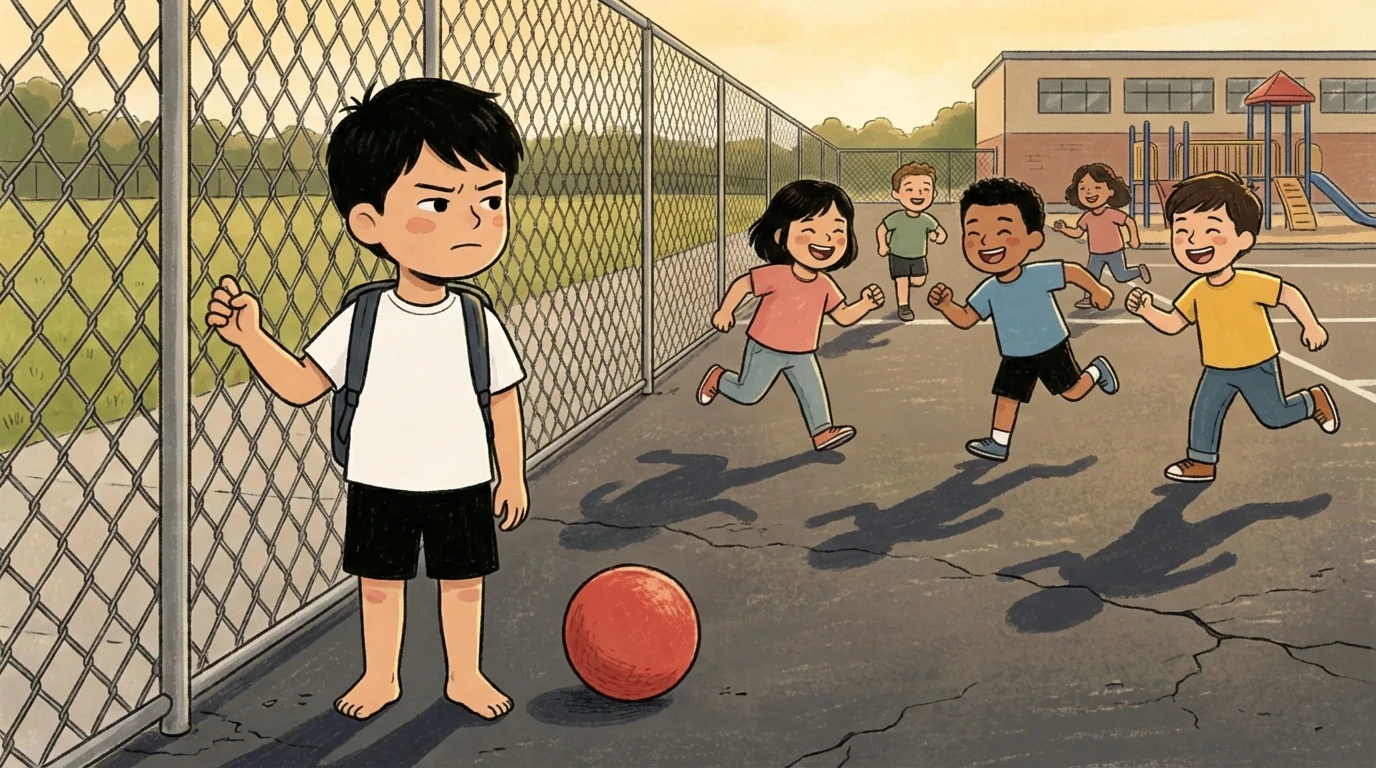
Sometimes the friendless child is more than just shy. Specific behaviors can drive peers away, and the good news is that these are fixable.
Bossiness. When your child dictates every rule and controls every game, other kids stop wanting to play. The underlying issue is usually anxiety: unstructured social situations feel threatening, and running the show is the only way they feel safe. Ask them: "Is it more important to play the game your way or to have someone to play with?" That question lands harder than any lecture.
Bragging. Kids who constantly broadcast what they have or what they can do make other children feel diminished. If your child does this, they are likely seeking validation they are not getting elsewhere. Fill that tank at home so they stop trying to fill it on the playground.
Emotional explosions. A child who melts down frequently scares peers. Other kids cannot predict what will set them off, so they keep their distance. If your child's social difficulties might signal something deeper, talk to your pediatrician. But for many kids, the meltdowns decrease as emotional regulation improves with age and practice.
How to help (without doing it for them)
Think of yourself as the assistant rather than the director. Model the skills, provide the opportunities, then step back when things are going well.
Use parallel play as an entry strategy
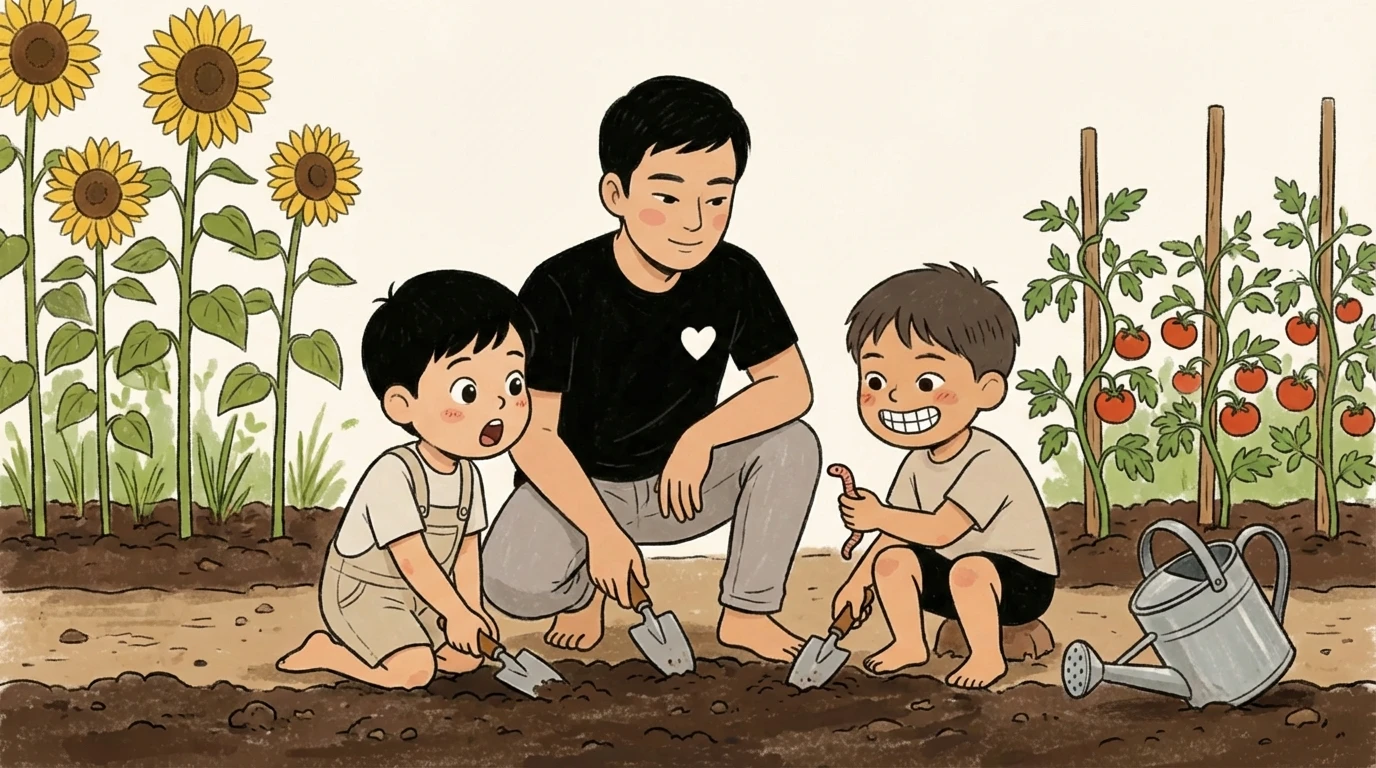
Teach your child that when another kid ignores their attempt to join, they can play nearby without demanding interaction. Start with similar toys, make comments the other child can overhear, and let proximity do the work.
You can model this yourself at the park. Sit in the sandbox with your kid, start building something, and let another child gravitate over. Your child watches how you do this. You are teaching the skill through demonstration.
Set up one-on-one playdates
Group dynamics overwhelm kids who are already struggling. A single peer, in your home, with familiar toys, is the lowest-pressure social practice available. Pick a classmate the teacher identifies as a good match. Keep it short (90 minutes) and stay nearby to coach quietly if things go sideways.
Regular playdates with the same child build familiarity, which builds comfort, which builds real friendship.
How to help your child make friends
- Gather information firstTalk to the teacher and your child separately. Find out what is happening socially before you try to fix anything. Your assumptions may be wrong.
- Identify the specific gapWatch your child during play. Are they bossy, withdrawn, explosive, or just unsure how to join in? The fix depends entirely on which skill is missing.
- Model the approach through playAt the park, show your child how to play alongside another kid without demanding interaction. Use toys to initiate connection. They learn by watching you.
- Arrange regular one-on-one playdatesPick one classmate. Invite them over weekly. Keep it short and structured. Repeated exposure to the same peer builds real friendship faster than random playground encounters.
- Reframe rejection every timeWhen another child says no, tell your kid: 'They are just in their own world right now. That says more about them than about you.' Say it until they believe it.
- Enroll in a structured group activitySports teams, art classes, music groups. Any setting where the same kids show up weekly under adult guidance gives your child a real tribe to practice with.
What to say when your child gets rejected
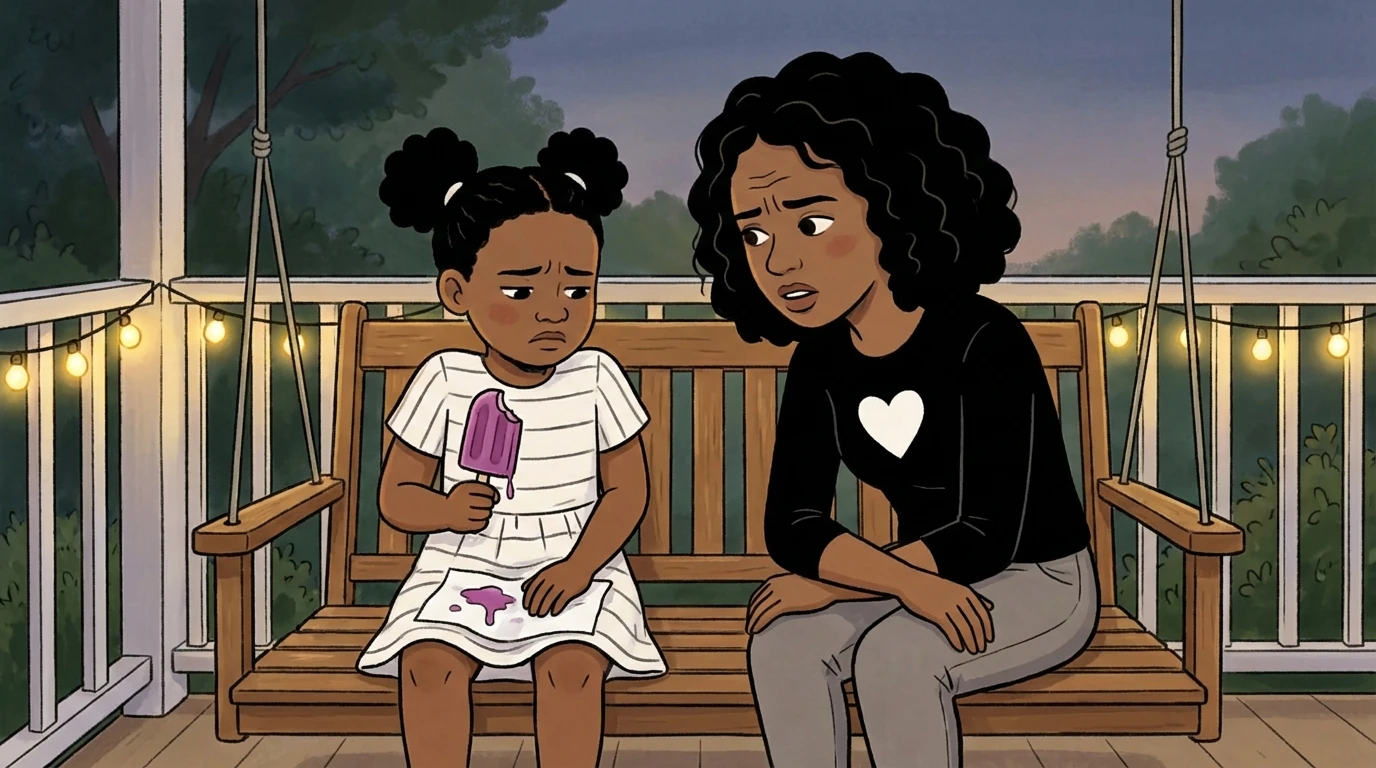
Your kid comes home and says "Nobody wanted to play with me today." Your stomach drops. Here is what to do with the next sixty seconds.
Validate first, solve second. "That sounds really lonely. I am sorry that happened." Full stop. Do not immediately launch into strategies. Let them feel heard.
Then reframe: "Sometimes kids are just in their own world. That says more about where they are than about you." This protects your child from spiraling into negative beliefs about themselves and teaches perspective-taking at the same time.
If anxiety is driving your child's avoidance of social situations, the rejection conversation will need to happen more gently and more often. Anxious kids interpret neutral social signals as negative ones. They need extra repetitions of the reframe before it sticks.
Do not demonize the other children. Instead of "Those kids are mean," try "I wonder what was going on with them today." This builds the empathy skills that make your child someone others want to be around.
The part nobody talks about: your own rejection history
If you were the kid eating lunch alone, watching your child struggle will feel like swallowing glass. Your unresolved pain will make their situation into a bigger deal than it is.
Kids absorb parental anxiety. A parent who radiates worry about their child's social life teaches the child that social situations are something to worry about. Your calm, steady presence signals safety. Your panic signals danger.
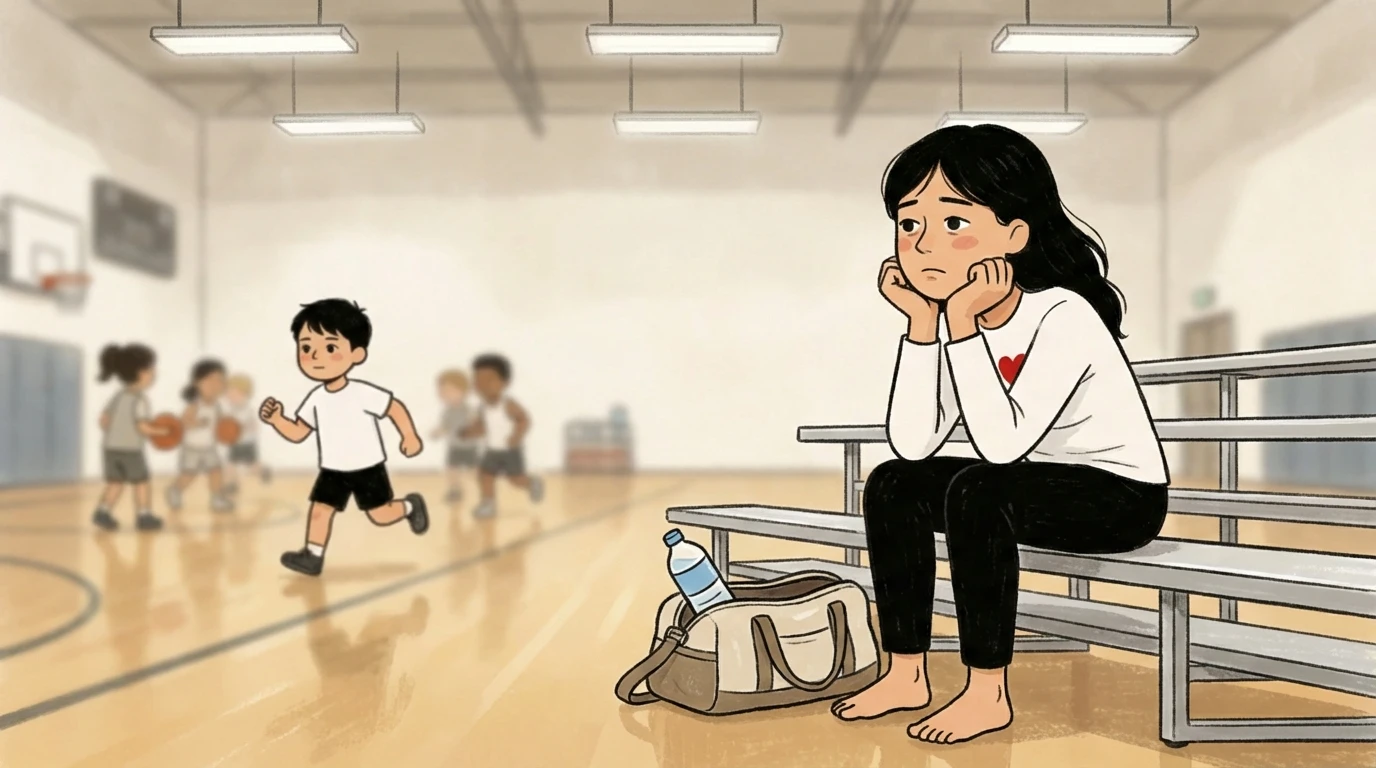
If playground rejection sends you into a grief spiral, find someone to talk to about what happened when you were little. A friend, a partner, a therapist. Tell the story. Let those feelings move through you so they stop running the show when your five-year-old gets told "you cannot play with us."
Parents who process their own childhood social wounds consistently see their children's social difficulties get lighter. The system between parent and child is that direct.
Structured groups beat random encounters
Stop relying on the public playground as your child's social training ground. What your kid needs is a real group: the same children, showing up regularly, with shared interests and adult guidance.
Sports teams, music classes, art groups, scouts. Any setting where a coach or teacher sets social expectations and kids build familiarity through repetition. These environments reduce rejecting behavior because the adults actively work to include everyone.
You can take our social confidence quiz to get a clearer picture of where your child stands and which type of group activity might fit them best.
The foundation under everything
Your relationship with your child is their template for every friendship they will ever have. A child who feels appreciated, enjoyed, and securely attached at home brings that confidence into social situations. They can tolerate rejection because they know their worth is not up for debate.
You cannot control what happens on the playground. But you can make sure your child walks onto it knowing, in their bones, that they are someone worth being friends with.
FAQ
By kindergarten, most children should be forming at least one friendship. Before that, parallel play is developmentally normal and not a cause for concern. If your child is school-aged and consistently isolated, talk to the teacher and consider a social skills group.
Almost never. Kids work out social dynamics on their own timeline, and parent involvement at that level usually makes things worse. Focus on coaching your own child and arranging positive social opportunities instead.
Some children are genuinely introverted and need less social interaction. That is fine. The concern is when a child wants friends but cannot make them, or when they claim to prefer isolation but seem sad or anxious. Watch the behavior, not just the words.
Social skills are learned behaviors. Children who struggle socially can and do improve with targeted coaching, structured practice, and consistent support. Early intervention makes the biggest difference because patterns are easier to shift before they become entrenched.