TLDR
- Intensity alone isn't diagnostic. Every toddler melts down. the real question whether the frequency, duration, and triggers follow patterns that don't match typical development.
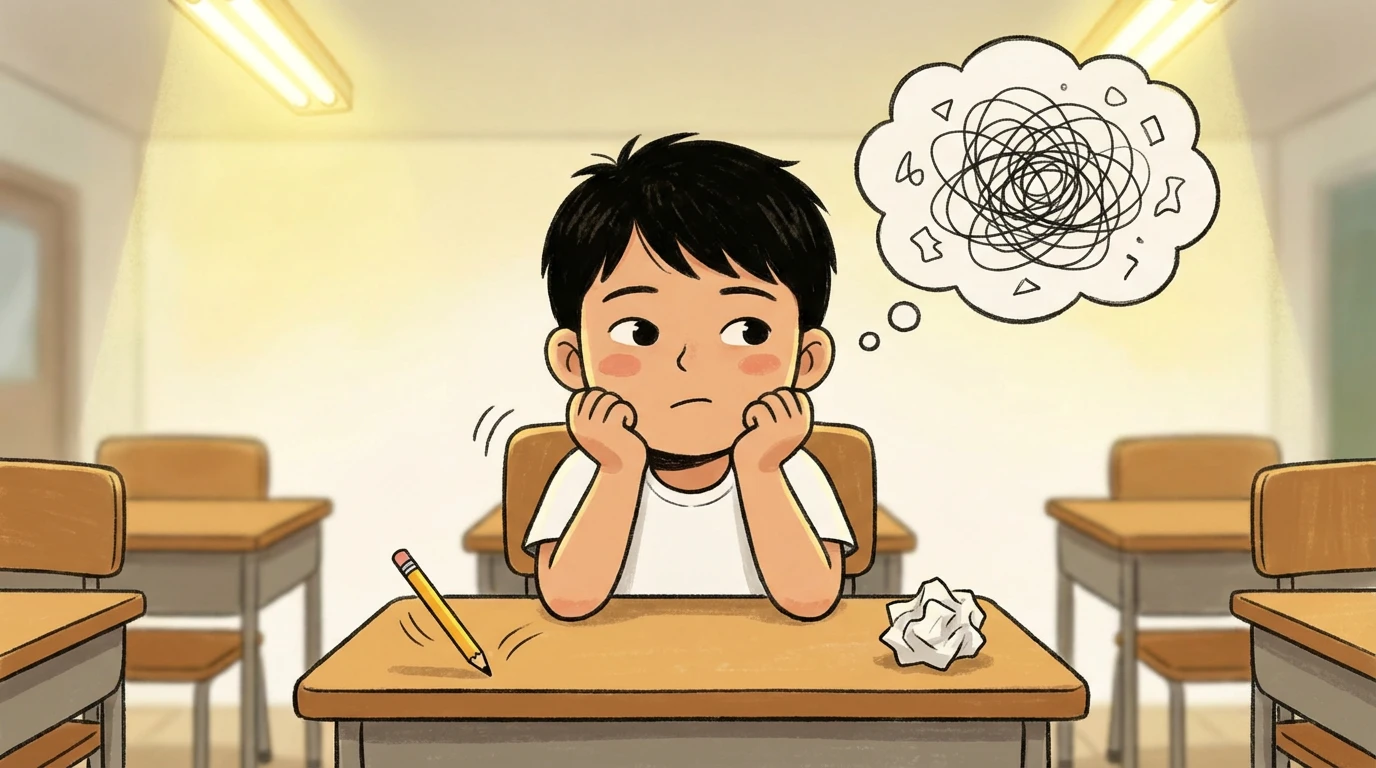
- ADHD shows up in the boring moments. Kids with ADHD can hyperfocus on preferred activities but fall apart when tasks require sustained effort on something uninteresting.
- Sensory issues have physical signatures. Clothing tags, food textures, loud noises, or constant need for movement point to a nervous system processing input differently.
- ASD patterns center on social communication. Limited eye contact, difficulty reading facial expressions, rigid routines, and intense narrow interests distinguish ASD from temperament.
- Early evaluation helps regardless of diagnosis. Whether or not your child qualifies for a formal label, the evaluation process identifies specific areas where they need support.
The question nobody wants to ask out loud
Your kid has been "a lot" since birth. The pediatrician says they're fine. Your partner says you're overthinking it. Your own mother says you were the same way.
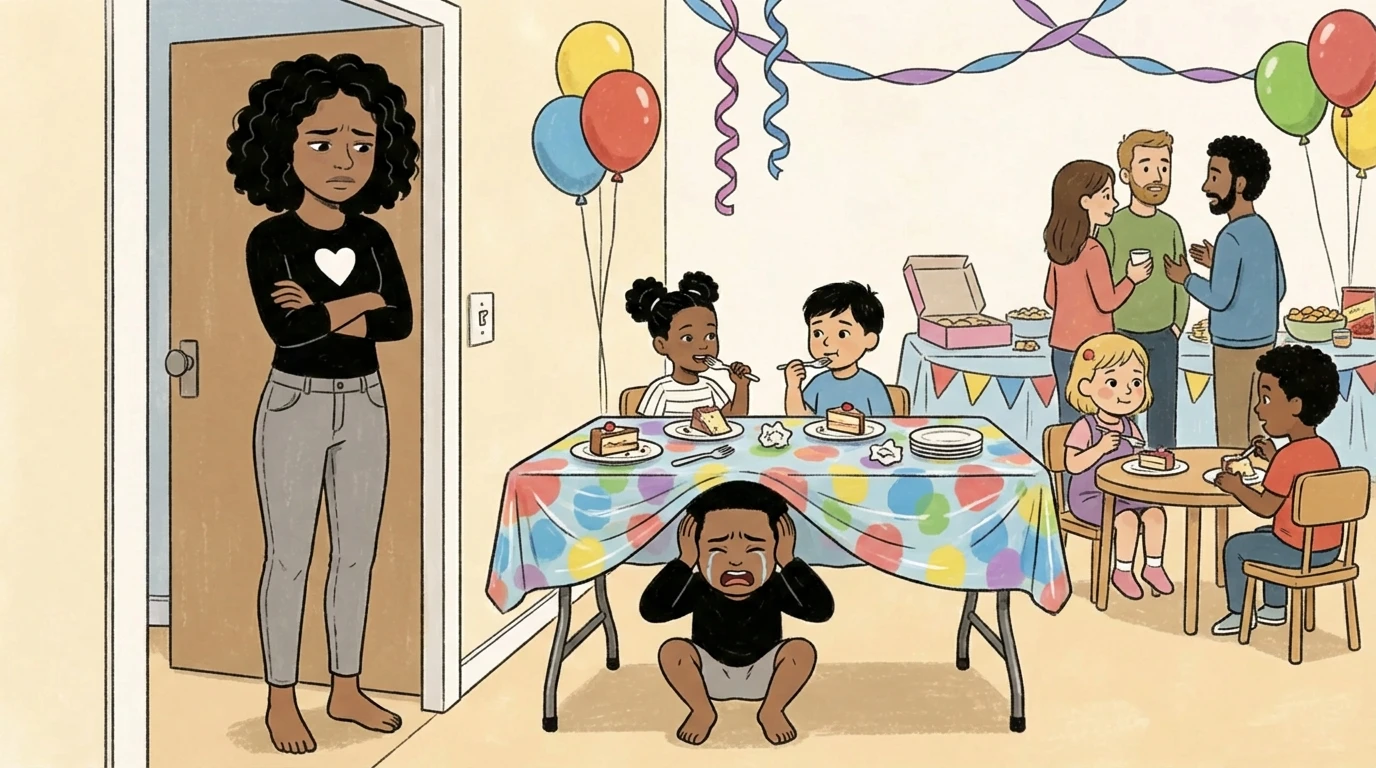
But something keeps nagging. The meltdowns at pickup are longer than anyone else's. The birthday party ended with your child under a table while every other kid ate cake. The teacher's notes say "has trouble with transitions" for the fourth month straight.
Half of who any child is traces directly to their genes. Some kids genuinely have more challenges than others, and that reality exists whether or not anyone gives it a name. The other half is how the environment responds to what that child needs. Both parts matter, and sorting out which is which changes everything about how you help.
What ADHD looks like beyond the stereotype
The stereotype is a boy who can't sit still. The reality is more specific and more varied than that.
The attention paradox
Kids with ADHD can play Minecraft for three hours without blinking. This confuses parents who then assume the child "can focus when they want to." That's a misread of how ADHD works. The brain regulates attention differently. Preferred activities with built-in rewards (video games, favorite shows) capture attention automatically. Tasks that require sustained effort without immediate payoff (homework, chores, getting dressed) demand a type of brain regulation that ADHD makes genuinely difficult.
Watch for this pattern: your child consistently falls apart around unpleasant or boring tasks, not because they're lazy, but because their executive function skills are developing on a different timeline. A bright kid who "won't do the work" might be avoiding something that's genuinely harder for their brain to do.
Impulsivity beyond normal kid stuff
All four-year-olds grab toys. But if your seven-year-old still blurts answers in class, cuts lines, and can't wait their turn in board games despite years of practice, that persistence is worth noting. They know the rule. Their brain struggles to apply the brake between knowing and doing.
Googling symptoms at midnight
The Spirited Kids course will help you parent before the label arrives
You'll stop waiting on a diagnosis to act and start responding to the child in front of you right now.
Sensory processing differences: when the world feels like too much (or not enough)
About 1 in 20 children has sensory integration challenges. Their nervous system processes input differently, which means the same environment that feels fine to you might feel unbearable to them.
Signs that point to sensory processing issues
Some kids are over-responsive. Tags in clothing feel like sandpaper. Certain food textures trigger gagging. Hand dryers in public bathrooms are terrifying. Haircuts require three adults and a prayer.
Other kids are under-responsive. They crash into furniture, seek out spinning, chew on everything, and seem to need physical impact the way other kids need air. Their body is requesting input their nervous system isn't registering normally.
The key distinction: sensory kids react to the physical environment itself. The trigger is the fluorescent lights, the texture of the marker, the sound of 20 kids talking at once, rather than being told "no" or losing a game. If your child's aggressive reactions follow sensory patterns rather than frustration patterns, that tells you something important about their nervous system.
When sensory issues disrupt bonding
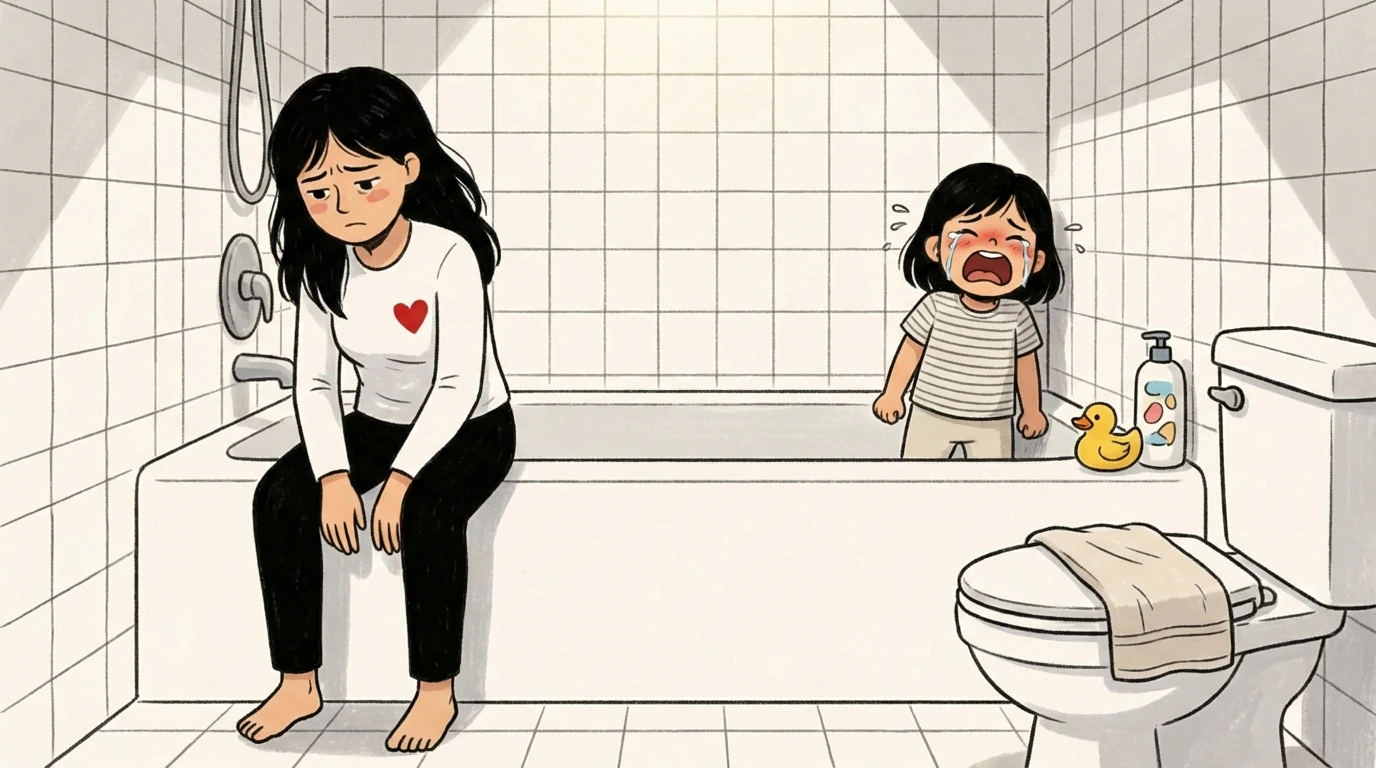
This is the part that breaks parents' hearts. Touch is how humans bond. When your child flinches at your hug, kicks when you try to snuggle, or screams during bath time, it can feel like rejection. A child with tactile defensiveness experiences certain touch as genuinely painful. Their nervous system is protecting them from what it perceives as a threat, not pushing you away.
If physical affection is consistently difficult, a pediatric occupational therapist can evaluate what's happening and teach you alternative ways to connect that work with your child's nervous system instead of against it.
ASD: the social communication piece
Autism spectrum presentations vary enormously. But the core distinction between ASD and "just spirited" lies in social communication patterns.
What to watch for
Difficulty with the unwritten social rules. Most kids absorb social norms by watching. They learn that you look at someone when they talk to you, that you adjust your voice in a library, that the other kid's face means "I don't like that game." Children on the spectrum often need these rules explicitly taught because the automatic absorption doesn't happen the same way.
Rigid routines and intense reactions to change. All toddlers like routine. But there's a difference between preferring the blue cup and having a 45-minute meltdown because the blue cup is in the dishwasher, every single time, at age five.
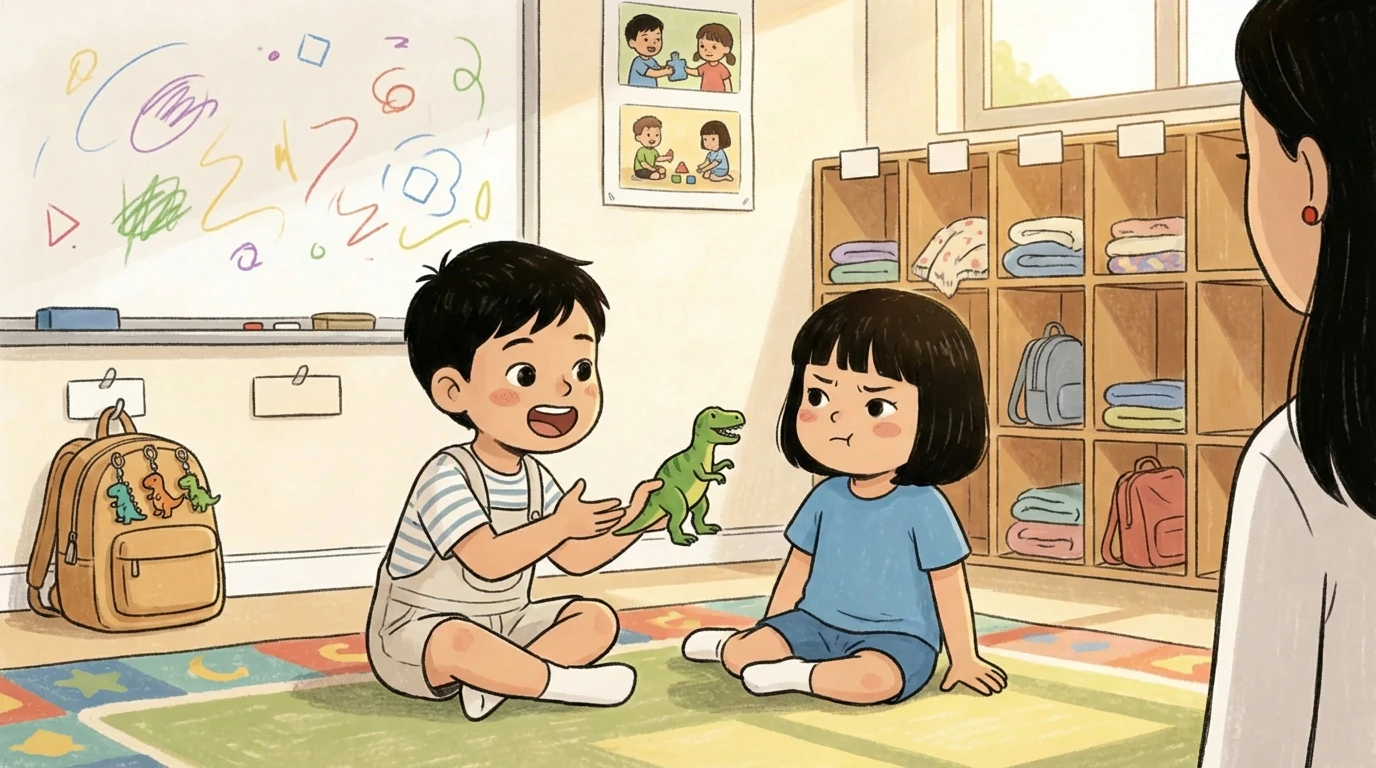
Deep, narrow interests. A kid who loves dinosaurs is typical. A kid who memorizes every species, can lecture for 30 minutes on Cretaceous period geography, but can't sustain a back-and-forth conversation about what happened at recess may be showing you something about how their brain organizes information.
The overlap problem (and why it matters)
ADHD, sensory processing differences, and ASD frequently co-occur. A child can have sensory processing issues that look like ADHD (can't sit still because the chair feels wrong). A child with ASD might also meet criteria for ADHD. A child with ADHD might have sensory sensitivities that look like ASD rigidity.
This is exactly why a family doctor shouldn't be your only stop. A pediatrician is the right person for a referral, not a diagnosis. You need someone who has evaluated hundreds of kids with these overlapping presentations and can sort out what's driving your child's behavior.
How to get an evaluation started
- Write down specific examplesTrack behaviors for two weeks. Note what happened before, during, and after each incident. Include time of day, setting, and how long the behavior lasted. Patterns are more useful than single events.
- Talk to your pediatricianBring your notes and ask for a referral to a developmental pediatrician or a pediatric psychologist. Be specific about what you're seeing rather than asking 'is my kid normal.'
- Request a thorough evaluationLook for clinics associated with universities or children's hospitals. These typically have rigorous evaluation protocols and access to specialists across disciplines.
- Include school observationsAsk teachers and caregivers to share what they notice. Children often behave differently across settings, and those differences themselves are diagnostically useful information.
- Prepare for the appointmentBring developmental history, any previous assessments, and your behavior log. The evaluator needs the full picture, not just today's snapshot.
What if the evaluation doesn't give you a clear answer
Sometimes the answer is "your child doesn't meet criteria for a formal diagnosis, but they do have these specific challenges." That's still enormously useful information. You now know that their reactions that seemed explosive have identifiable patterns. You know which sensory inputs overwhelm them. You know where their social communication breaks down.
A diagnosis is a tool for understanding your child better. It opens doors to services, accommodations, and strategies. But plenty of kids benefit from occupational therapy, social skills groups, or executive function coaching without ever receiving a formal label.
And if the evaluation does result in a diagnosis, remember: you're getting a name for something you already knew was there. The child standing in front of you is the same one who was standing there yesterday. Now you just have a better map for helping them.
When "wait and see" stops being good advice
Pediatricians love "wait and see." And sometimes that's exactly right. Kids develop unevenly. A three-year-old who doesn't talk much might be a chatterbox at four.
But here's the line. If your child's struggles are frequent, intense, and impacting daily life across multiple settings, waiting costs more than evaluating. The research is clear: early intervention produces better outcomes than late intervention for ADHD, sensory processing issues, and ASD alike.
The parent who seeks a professional evaluation is doing exactly what their child needs: looking closely enough to understand what kind of support would make the biggest difference.

FAQ
If you're consistently concerned before age three, ask for an early intervention evaluation. After age three, your school district can evaluate for free. There's no 'too early' for asking the question, and professionals can tell you whether your concerns warrant further assessment.
A diagnosis is a description of how your child's brain works, not a prediction of who they'll become. It opens access to support, accommodations, and strategies. You control who knows about it.
Yes. Co-occurring diagnoses are common. About 30-80% of children with ASD also meet criteria for ADHD. Accurate identification of both conditions leads to better-targeted support than treating just one.
Share your specific observations, not your conclusions. Two weeks of logged behaviors with times, settings, and triggers is harder to dismiss than a general feeling that something is off.
Not automatically. Medication is one tool among many. Behavioral strategies, occupational therapy, environmental modifications, and skills coaching all help. Any medication decision should follow a thorough evaluation, not precede it.