TLDR
- Clinginess is connection-seeking, not manipulation. When a child demands your attention constantly, they're telling you their emotional tank is running on fumes. The behavior is a signal, not a character flaw.
- Pushing independence backfires. Telling a clingy child to 'go play' increases their anxiety. Security comes from knowing you're available, not from being forced to separate.
- Two root causes look identical on the surface. Some kids fear losing your care if they grow up. Others are perfectionists afraid of failing at solo play. Same clinging, different fix.
- Fifteen minutes of focused connection changes everything. Research on 'enriched attention' shows that even brief daily one-on-one time dramatically reduces clingy behavior.
- Refueling check-ins build independence. When your child runs back to you mid-play, it's the process of building confidence to venture further.
What your clingy kid is telling you
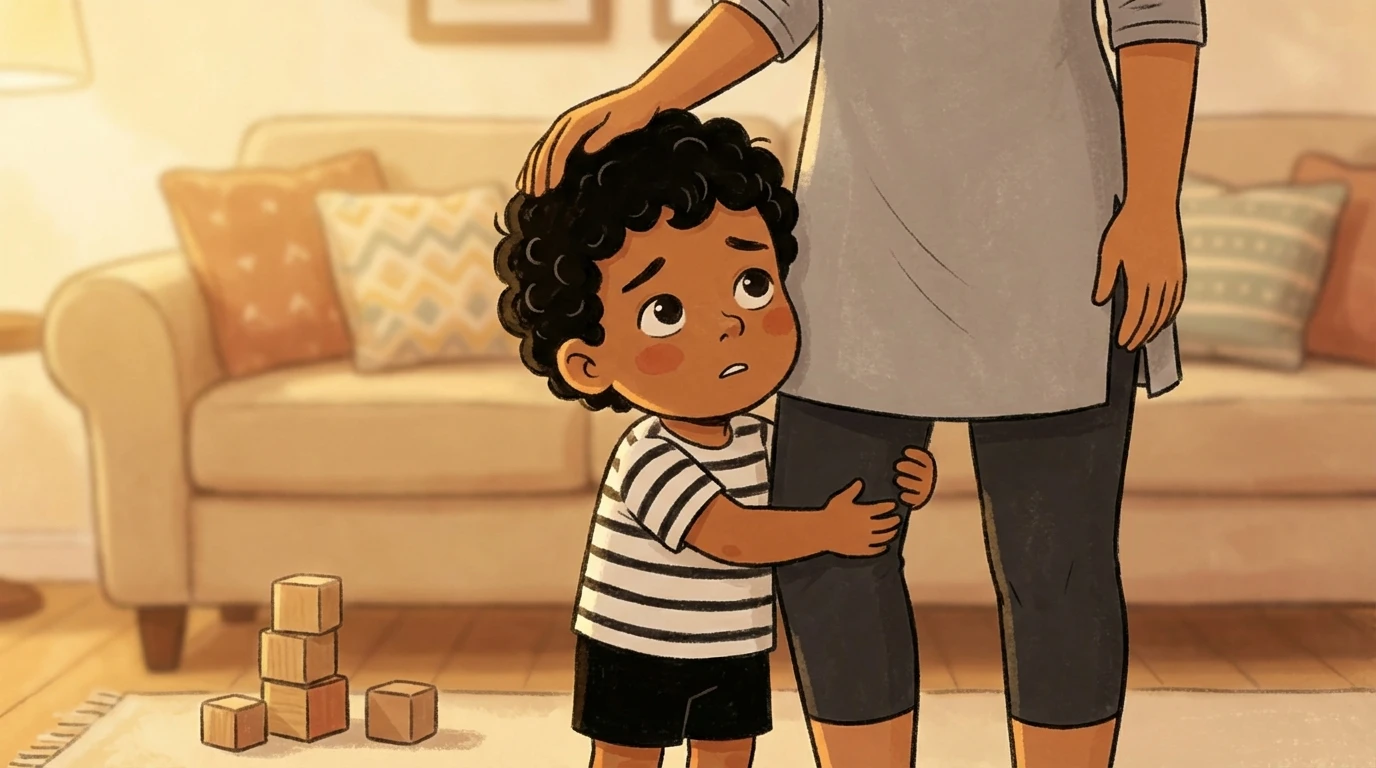
You bought the play kitchen. You set up the art station. You got the sensory bin with the colored rice and the tiny scoops. Everything a child could want for independent play sits three feet away, untouched, because your child is velcroed to your left thigh.
Well-meaning advice says "just walk away and they'll figure it out." When a child clings, they're broadcasting that their connection needs aren't met. Researchers call it "connection-seeking behavior." Your kid isn't being needy for sport. They need something specific before they can function on their own.
Think of it like a phone battery. You wouldn't expect a phone to run all day on 8% charge. But that's what "just go play" asks of a kid whose emotional tank is empty.
Why "go play by yourself" makes it worse
Every instinct says that if you keep giving in, you're creating a dependent child. The research says the opposite.
The paradox of security
Children who feel confident they have abundant care become more willing to explore independently. Children who feel the supply is uncertain cling harder. This is attachment theory in a sentence.
Shooing a child back to play when they come to check in makes them more clingy, not less. The child learns that the supply really is uncertain, which confirms their worry, which increases the clinging. A feedback loop where the very thing you do to encourage independence produces more dependence.
What "refueling" looks like
When your toddler runs back to you every four minutes during play, they're doing something researchers call refueling. Checking that you're accessible, getting a quick hit of emotional sustenance, then heading back out. A hug, a "Hi, buddy, I see you," and they're off again.
The more reliably you let them refuel, the longer their play stretches get. The fastest path to a child who plays alone for 30 minutes is a parent who never once says "go play."
Followed to the bathroom again
The Spirited Kids course will build their solo-play window gradually
You'll stretch five clingy minutes into twenty calm ones without guilt or forced separation.
Two kinds of clinging that look the same
Here's where it gets useful. Not all clinging has the same root, and the fix depends on which one you're dealing with.
Fear of lost connection
Some kids worry that growing up means losing your care. Signs: they want you to do things they can already do (zip their coat, pour their cereal). They say "I don't want to be big." They ask you to do tasks they mastered months ago.
These kids need a bigger dose of care, not a push toward independence. When your child says "you do it," do it lovingly. Say "I'm always happy to help you. And I know when you're ready, you'll want to try it yourself." The phrase "when you're ready" removes pressure and communicates that your care has no expiration date.
Perfectionism hiding as clinginess
Other kids resist solo play because they're afraid of doing it wrong. They get frustrated the instant something doesn't work on the first try. They say "I can't" about things they can do.
For these kids, collaboration beats independence training. Instead of "you can do it!" (pressure) or doing it for them entirely (avoidance), work together. "Zippers are hard. Let's do it together. You hold this part, I'll slip this in, now you pull." Mistakes become part of the process, not evidence of failure.
The same child might flip between both patterns on the same Tuesday. Read the moment, not the child.
The daily connection deposit that works
You don't need elaborate quality time. You need 15 minutes of daily one-on-one attention where the child leads and you follow. Parents who implement this report being stunned at how quickly clingy behavior drops.
What counts as "enriched attention"
The bar is lower than you think. Watching a show together counts. Coloring side by side counts. Cooking dinner while your kid stirs the batter counts. The point is that your child feels you noticing them. A casual "hey, what are you building?" while they play nearby counts. You're just being present.
The observe-and-reflect technique
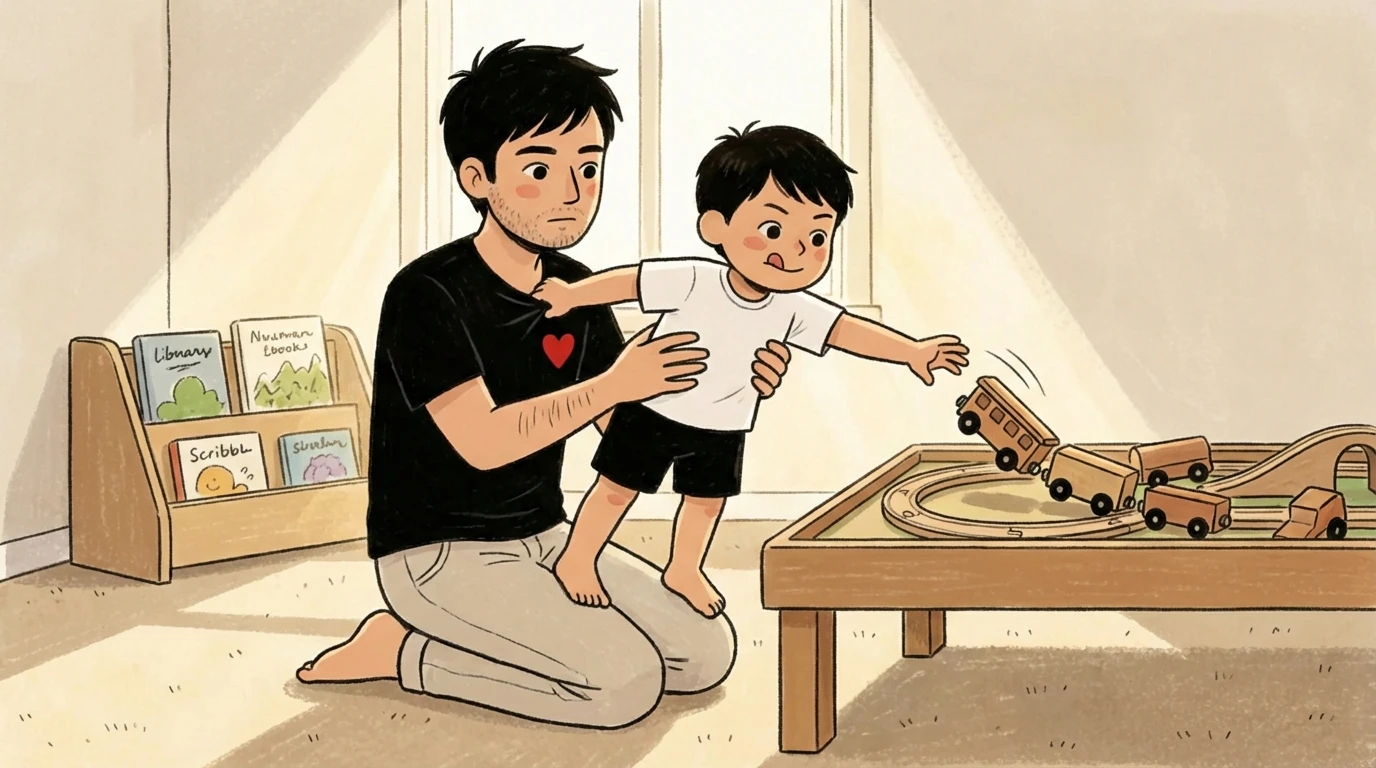
When you do play together, resist the urge to direct. Sit near your child, watch what they do, and narrate. "I see you're making the bulldozer dig a big hole. Now all the cars are driving in." Don't suggest. Don't improve. Just reflect.
This fills the connection tank (they feel seen) and teaches them to lead their own play. You're an actor in their movie. They direct.
The quieter you are, the more comfortable they become playing with you nearby but not fully engaged. That gap between "fully engaged" and "nearby" is where independent play lives.
When the crying starts (and why that's good news)
You start doing daily connection time. Your child loves it. Then you say it's time to stop, and they fall apart. Worse than before. I just gave them 15 minutes of focused attention and they're MORE upset?
This is exactly what's supposed to happen.
The backlog of unprocessed feelings
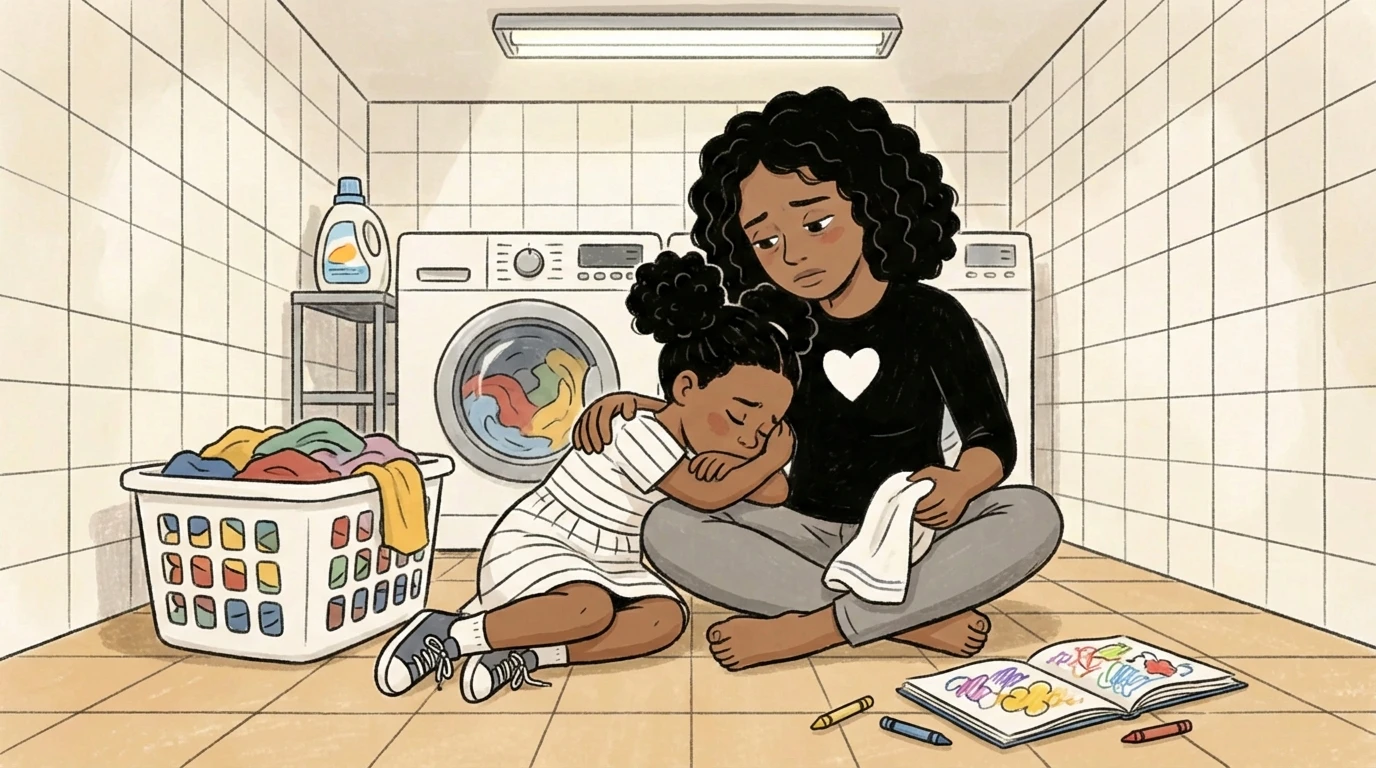
When a child who's been running on empty finally gets real connection, all the loneliness they've been stuffing comes bubbling up. The tears are about every time they wanted more of you and couldn't get it. You've made them safe enough to finally feel what they've been carrying.
What to do when they melt down
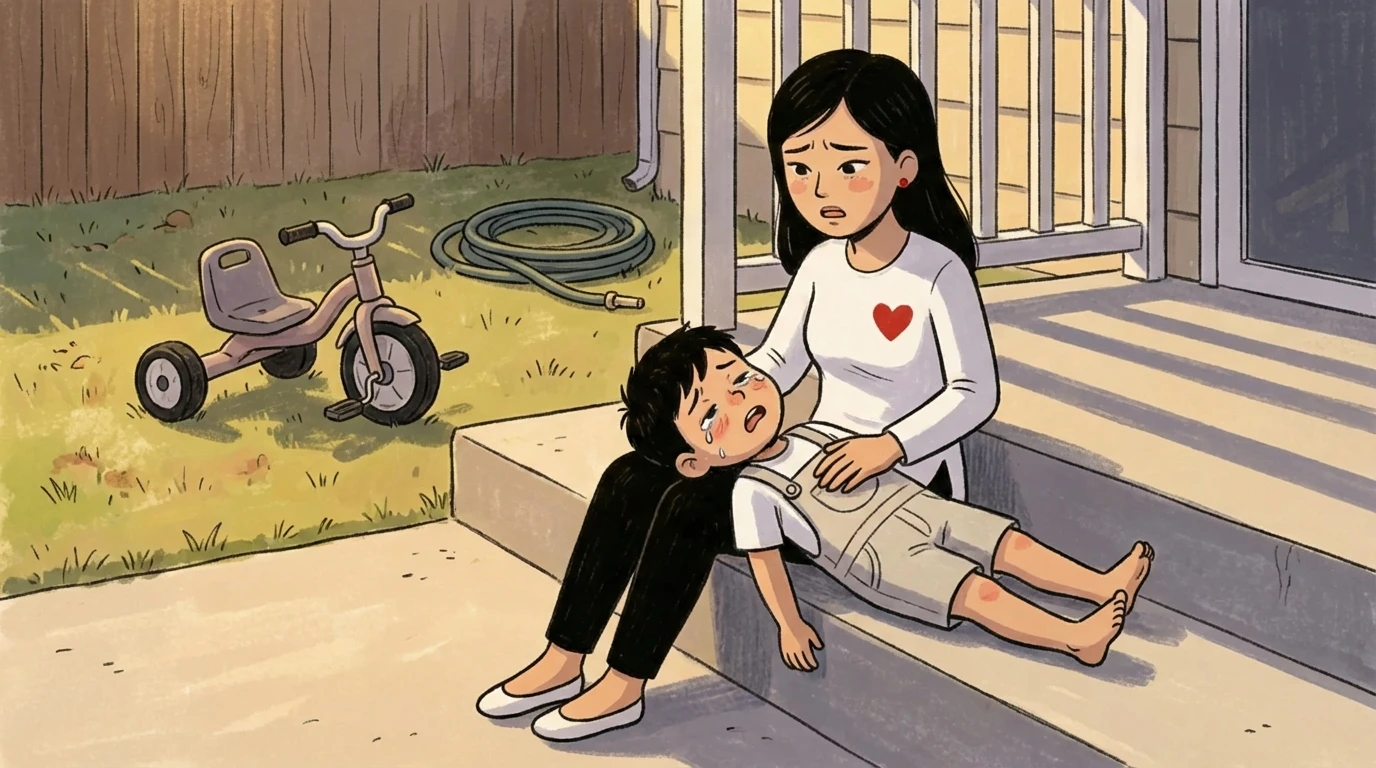
Stay. Don't extend the time (that teaches melting down = more time), but don't leave. "You're upset that we have to stop. You wish we had more time. We'll do this again tomorrow." If they cry, let them. A child crying in your safe presence is healing something real.
After the storm passes, they're lighter. More cooperative. Affectionate in a way that feels different from the desperate clinging.
What not to do (the greatest hits of backfiring strategies)
A quick tour of approaches that make clinging worse:
- "You're a big kid now." Pressure to be independent confirms their fear that growing up means losing you.
- Ignoring the bids for attention. They'll escalate. If gentle requests don't work, hitting or screaming will. Negative attention is still attention.
- Waffling. "Do you want me to sit here? Or there?" Uncertain communication makes kids anxious. Be clear: "I'm going to sit right here while you play."
- Waiting until naptime to do chores. This teaches your child they're the center of the universe, which is too much pressure. Let them watch you work, or let them "help." A toddler with a broom is learning to exist alongside you without being the main event.
How to build independent play gradually
- Start with connection, not separationSpend 10-15 minutes in child-led play before expecting any solo time. Fill the tank first. A child who feels full is a child who can let go.
- Stay visible but occupiedAfter your connection time, move to a nearby task. Fold laundry in the same room. Clean the counter. Your physical presence matters more than your active engagement.
- Narrate your availabilitySay 'I'm right here sorting socks. You can play, and I'll be right here if you need me.' This explicit reassurance removes the guessing game.
- Welcome the check-insWhen they run back, don't redirect them. Hug, smile, say 'hi.' Then let them decide when to go back. The average refueling stop takes 30 seconds.
- Stretch gradually, not dramaticallyIf they can play alone for 3 minutes today, don't shoot for 20 tomorrow. Add a minute or two per week. Independence is built in inches, not leaps.

The long game
Your clingy three-year-old will not be a clingy thirteen-year-old. Kids who get their connection needs met through separation anxiety phases end up more independent than kids who get pushed through them. The toddler who won't let go of your leg becomes the six-year-old who rides the school bus alone.
The path to independence runs straight through security. Every time you zip the coat they could technically zip, or sit on the floor and watch them stack blocks for the tenth time today, you're investing in a future where they don't need you to do any of those things.
And one day, sooner than you think, you'll be the one wishing they'd come sit next to you.
FAQ
Yes. Independent play is a skill that develops gradually, and many four-year-olds still need a parent nearby. If your child can play for even a few minutes with you in the room, that's the building block. The timeline varies enormously based on temperament and how secure they feel.
Forcing separation increases anxiety and produces the opposite result. Fill the connection need first through daily one-on-one time, then gradually increase your physical distance while staying visible. The child leads the pace, not a training schedule.
Common and normal. Children often attach most strongly to their primary caregiver. The other parent can help by spending dedicated one-on-one time with the child. Over time, the child builds separate secure attachments with each parent.
The research consistently shows the opposite. Responsive parenting produces less clinginess over time, not more. Children who feel securely attached explore more freely because they trust you'll be there when they come back.
If clinging is paired with extreme distress at any separation, persists well beyond age-typical patterns, or seriously disrupts daily functioning at school and home, talk to your pediatrician. Some children have separation anxiety that benefits from professional support.