TLDR
- ODD describes what a child does, not why. The diagnosis catalogs defiance, arguing, and anger. It says nothing about the fear, disconnection, or pain driving those behaviors.
- The relationship is usually the real problem. Children who feel safe and connected rarely stay oppositional. Chronic defiance signals a rupture in the parent-child bond that needs repair, not more control.
- Behavior modification programs often backfire. Reward charts and escalating consequences treat the symptoms while ignoring what's fueling them. The child learns to perform compliance, not to feel safe.
- Your own regulation is the first intervention. When you can stay steady while your child escalates, you break the reactive cycle that keeps both of you stuck.
- Professional help should target the relationship. Family therapy beats individual therapy for oppositional kids because the problem lives between people, not inside one person.
What ODD means (and what it leaves out)
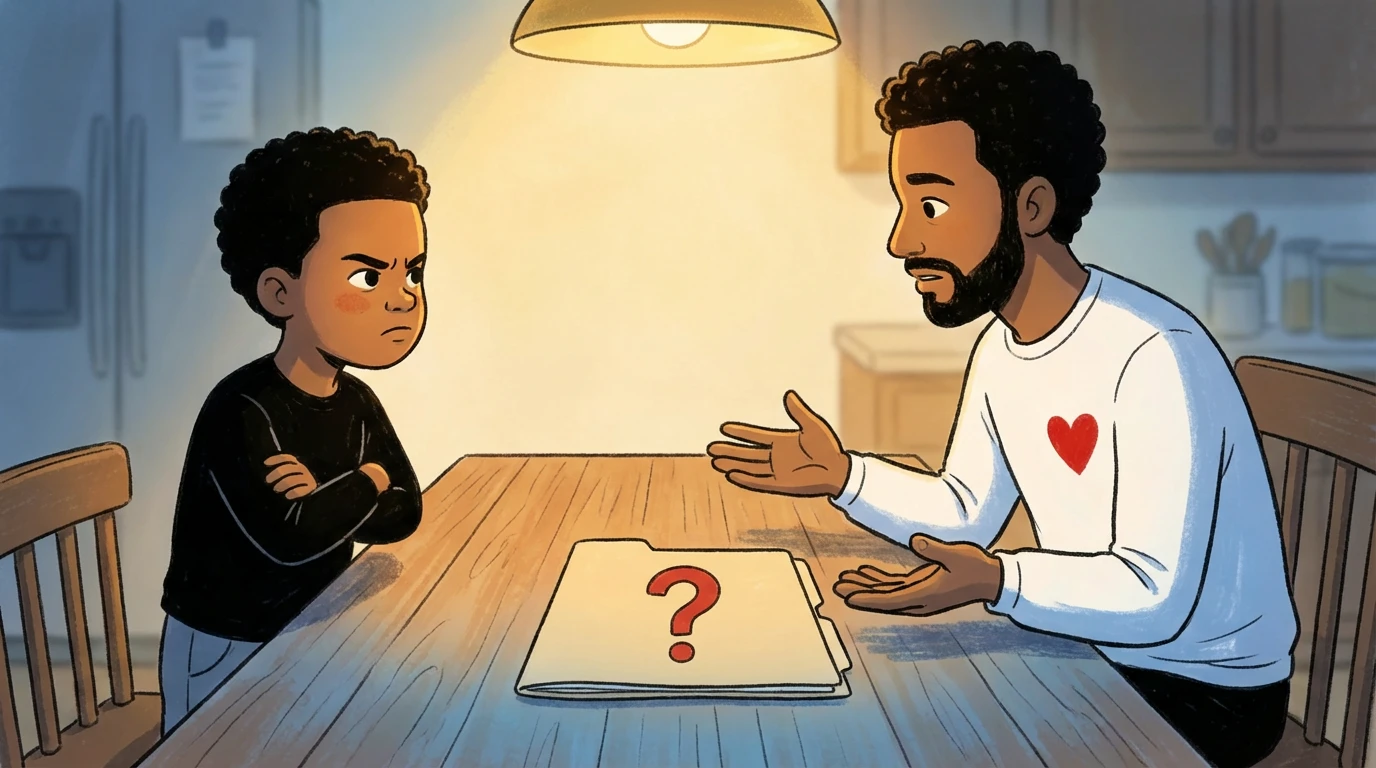
Oppositional Defiant Disorder shows up in the DSM-5 as a pattern of angry, irritable mood combined with argumentative, defiant behavior and vindictiveness lasting at least six months. Read that description again. It tells you what the child is doing. It tells you nothing about why.
This is the core problem with the ODD label. A diagnosis that names the symptom and skips the cause points treatment in the wrong direction. A child who argues constantly, refuses requests, and blows up at small frustrations gets labeled oppositional. The treatment plan typically involves behavior charts, token economies, and escalating consequences.
But ask any parent living this: did the sticker chart work? Did the 1-2-3 system hold up past Tuesday?
Why the label sticks to the wrong thing
When you tell a parent their child has ODD, something subtle shifts. The problem moves from "something is wrong between us" to "something is wrong with him." That shift feels like relief at first. You have a name. You have a diagnosis code. Insurance might cover something.
The trade-off is that you've just located the entire problem inside your child. And once you do that, every intervention targets the child: change the child's behavior, modify the child's responses, teach the child to comply. The relationship between you and your child, which is almost always where the friction lives, goes unexamined.
ODD on the referral form
The Spirited Kids course will show you the relationship underneath the label
You'll shift from managing a diagnosis to repairing the dynamic, and the opposition will lose its grip.
The relationship underneath the defiance
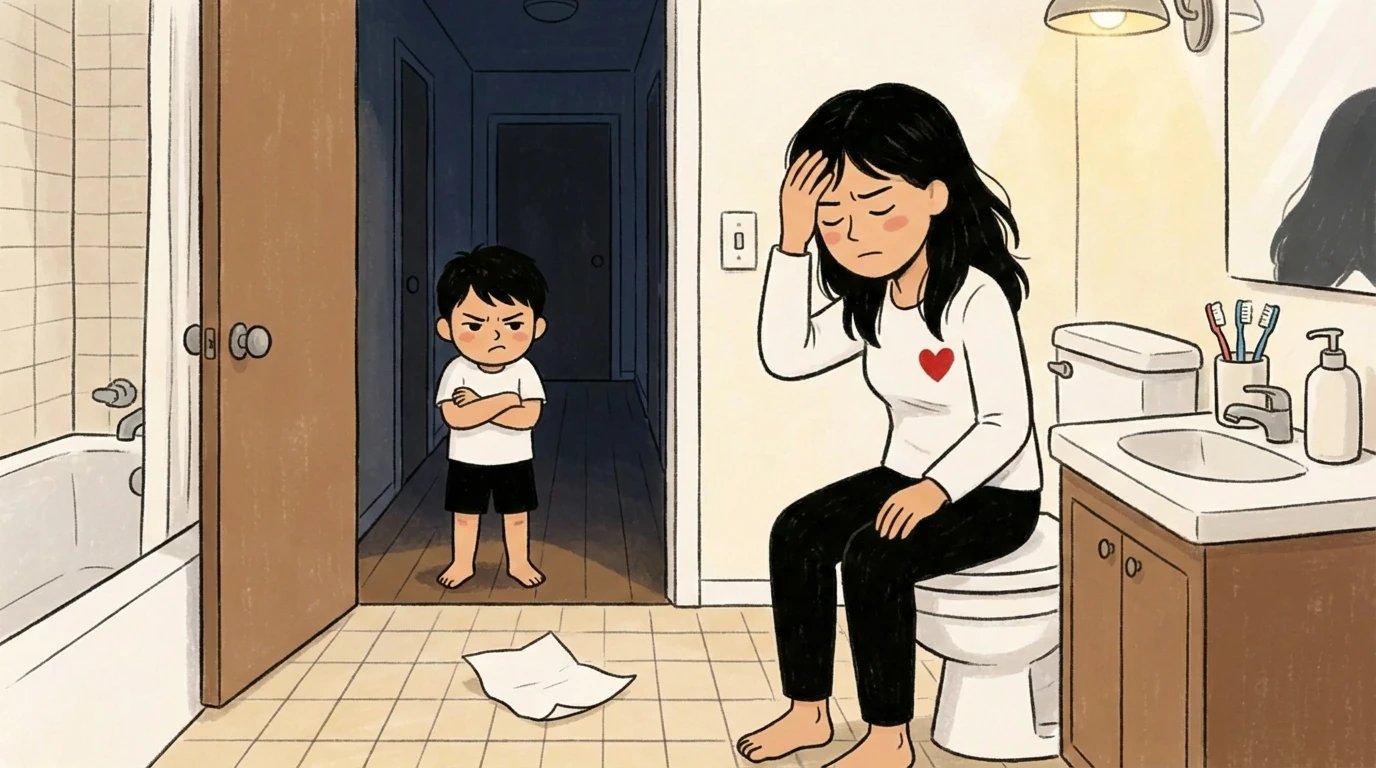
Here's what oppositional behavior looks like when you zoom out. A child who feels disconnected from their parent, or who carries unprocessed emotional pain, or whose nervous system is perpetually activated by stress, has very limited options for expressing that distress. Young children don't say "I feel unsafe in this relationship" or "I'm carrying pain I don't have words for." They say no. They argue. They slam doors. They hit.
Defiance as a distress signal
The anger you see on the surface is covering fear, sadness, or pain underneath. Children have far fewer tools for processing what's happening inside them than adults do. A child who has witnessed domestic violence, experienced a chaotic home life, or felt chronically misunderstood doesn't have the vocabulary to articulate any of that. What they have is opposition.
The paradox that breaks parents' hearts: children often direct their worst behavior toward the person they feel safest with. If your child saves all the fury for you while behaving for teachers and grandparents, that's not manipulation. It's your child showing you exactly where the unprocessed stuff lives, because you're the only person they trust enough to show it to.
When the relationship itself is under pressure
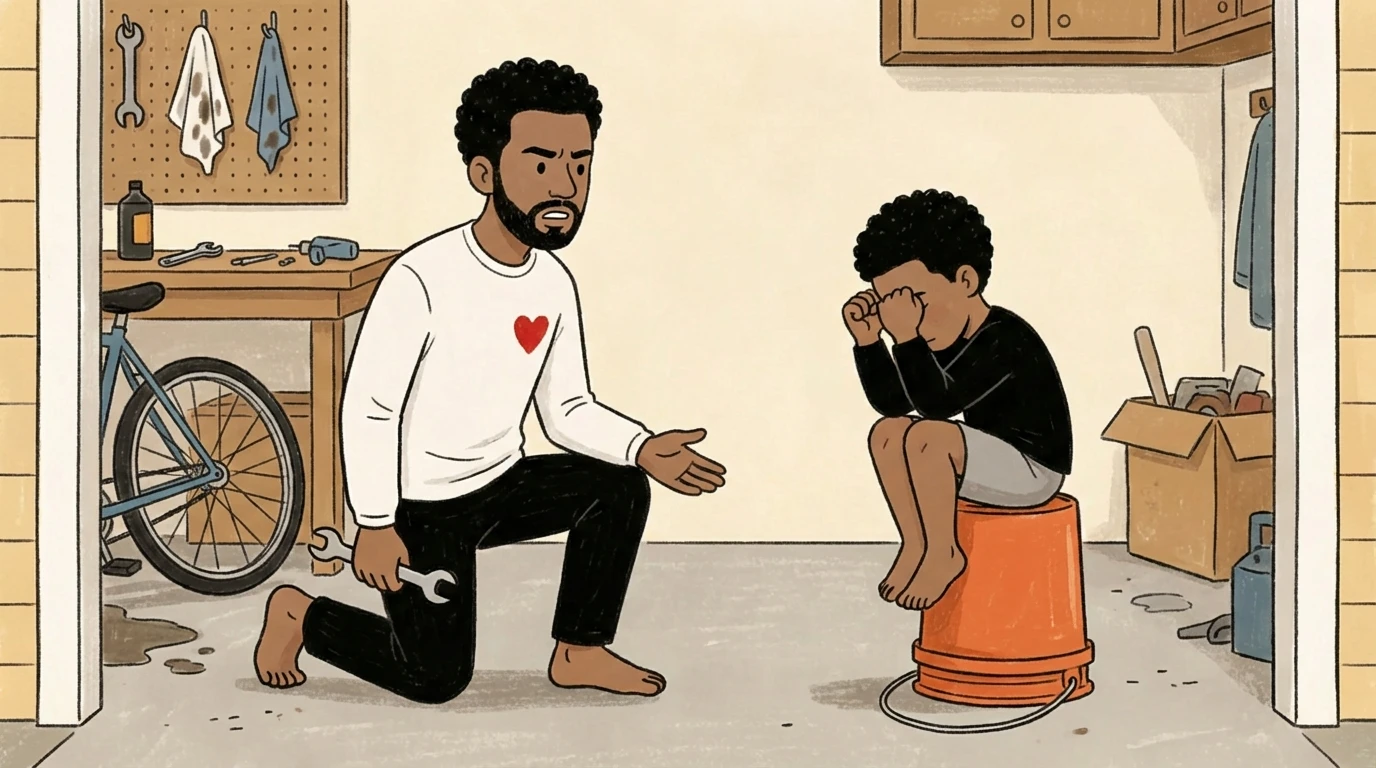
Sometimes the wounds exist inside the parent-child dynamic. Chronic stress, marital conflict, a parent's own unresolved trauma, financial pressure: all of these erode the connection between parent and child. The child feels the erosion even when nobody talks about it. Their nervous system registers the tension, the short fuse, the distraction. And they push back against it the only way they know how.
This is where the trauma connection matters. If your own childhood included harsh discipline, emotional neglect, or chaos, your nervous system reads your child's defiance through that old lens. Your child says "no" and your body hears a threat from 1994. The reaction that follows, the yelling, the rigidity, the withdrawal, makes perfect sense for the threat your body remembers. It makes no sense for the seven-year-old standing in front of you right now.
Why behavior modification keeps failing
If your child has been labeled ODD, someone has probably recommended a behavior modification program. Rewards for compliance. Loss of privileges for defiance. Clear consequences. Consistent follow-through.
These programs work beautifully for kids whose primary issue is not knowing the rules. They fail reliably for kids whose primary issue is emotional pain or relational disconnection. You can't reward a child into feeling safe. You can't consequence them into trust.
The child learns to perform compliance when the stakes are high enough, but the underlying distress stays exactly where it was. And the moment the reward system is removed, or the consequences lose their sting, the defiance returns. Often worse than before, because now the child has also learned that their pain doesn't matter to the people managing them.
How to shift from managing behavior to repairing the relationship
- Fill your own cup firstYou cannot stay regulated through your child's explosions if you're running on empty. Identify one thing that restores your capacity and protect time for it, even fifteen minutes a day.
- Stop matching their escalationWhen your child explodes, your job is to not explode back. Stay physically present. Lower your voice. Let their anger wash over you without retaliating. This is the hardest skill in parenting.
- Name what's underneath the angerSay it out loud: 'You seem really scared right now' or 'Something is hurting and I want to understand.' You may be wrong. That's fine. The attempt to understand matters more than accuracy.
- Hold the boundary without the lectureYou can refuse to accept abusive behavior while still connecting. 'I won't let you hit me, and I'm not leaving' communicates both the limit and the relationship in one sentence.
- Pursue family therapyIndividual therapy for the child treats them as the problem. Family therapy treats the dynamic between you. Look for therapists trained in attachment-based or relational approaches.
The trajectory warning parents need to hear
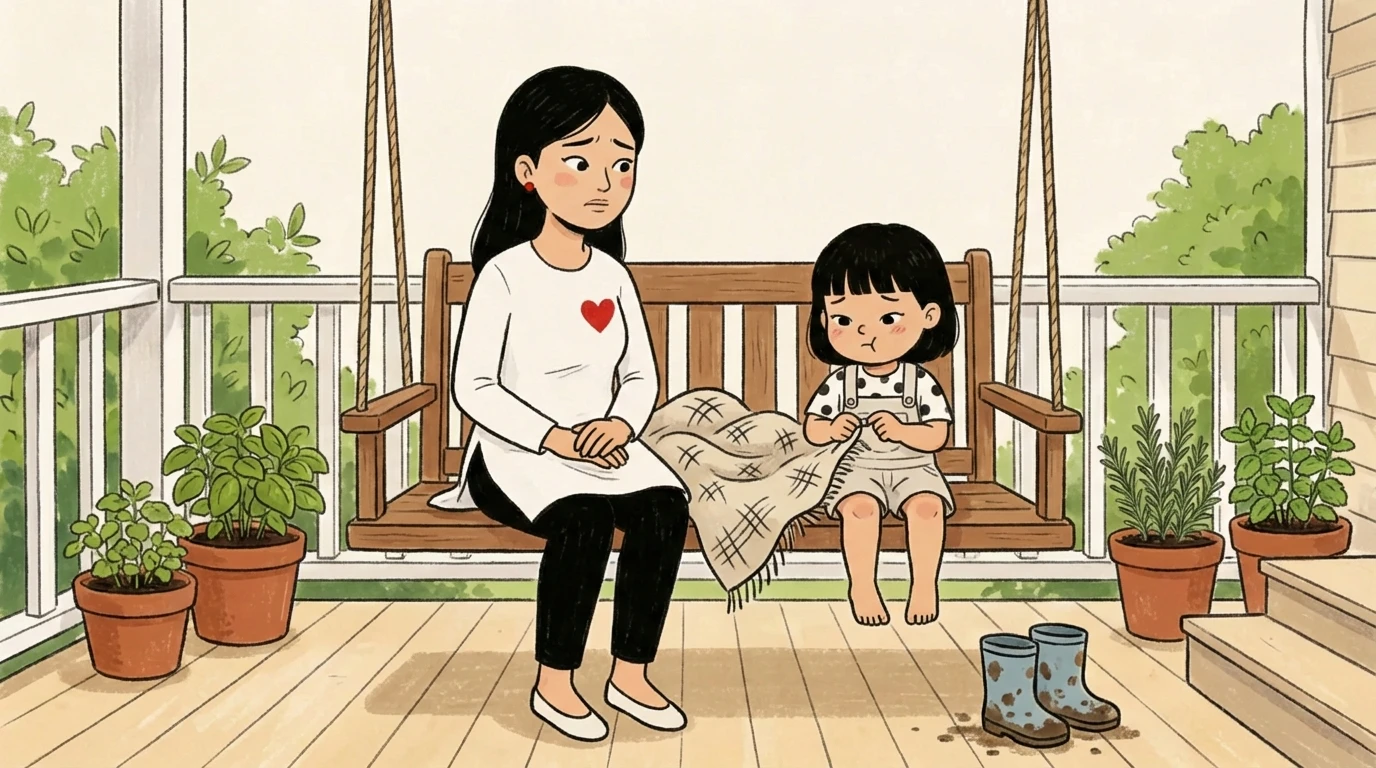
This situation worsens with time. Children's brains are still developing, but behavioral patterns groove deeper as they age. A defiant five-year-old becomes a more sophisticated defiant ten-year-old. Add puberty, peer influence, and increasing autonomy, and the window for relational repair narrows.
Waiting is not neutral. Every month of unaddressed disconnection adds another layer of pattern. The urgency here is real, but the urgency is for connection, not for stricter consequences.
What "holding" their emotions means in practice
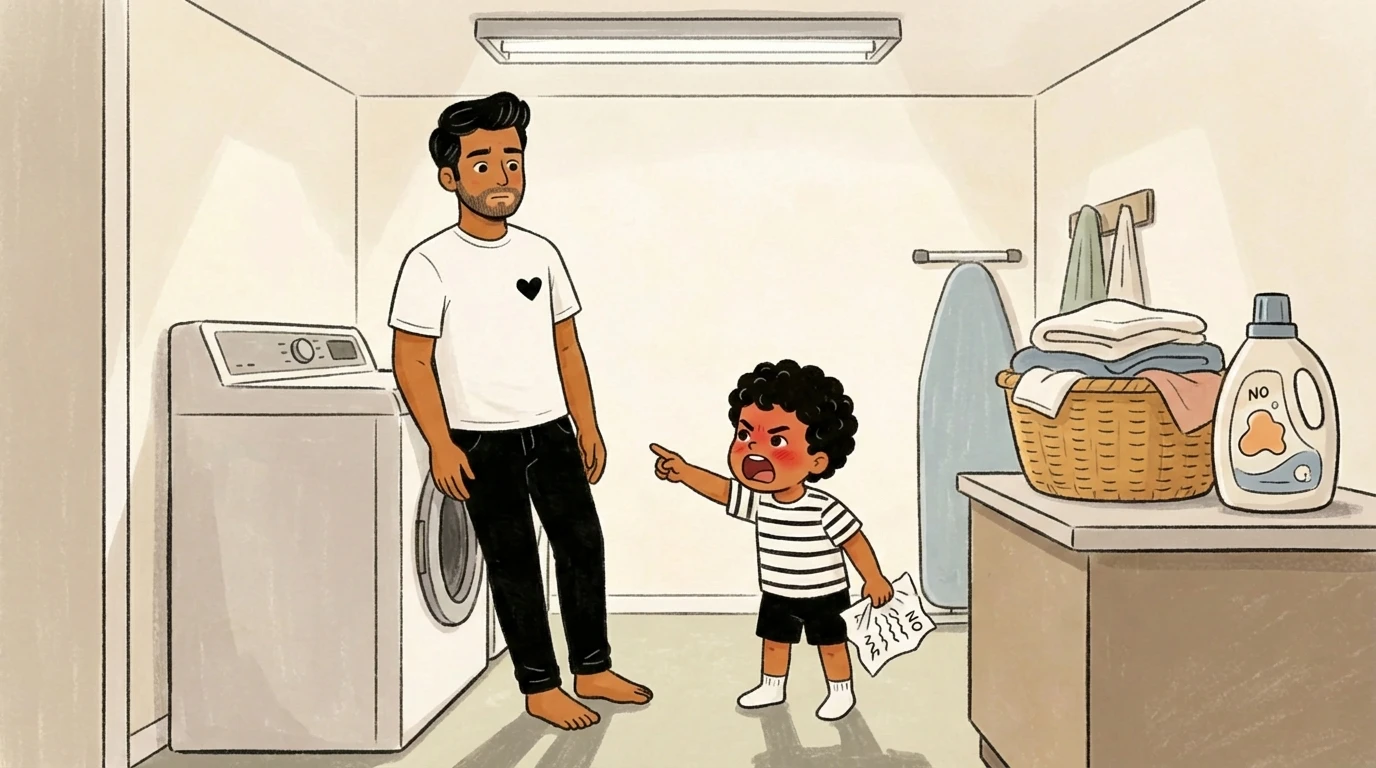
The most effective thing you can do with an oppositional child is learn to receive their explosions without matching them. Clinicians call this "holding." In practice, it means:
- Letting your child rage while you stay present and steady
- Recognizing that the anger is a surface layer over deeper pain
- Not retaliating, not lecturing, not withdrawing
- Staying in the room (physically and emotionally) even when every cell in your body wants to leave
When you can do this consistently, much of the oppositional behavior begins to dissolve. The defiance exists partly because the child doesn't feel received. When the underlying feelings are acknowledged and held, the need for explosive expression shrinks.
This doesn't mean accepting abuse. You can block a hit, leave a room to stay safe, and set firm limits on what strong-willed behavior you will and won't tolerate. Holding emotions and accepting violence are two different things. Family therapy helps you find that line.
When to get serious about professional help
If your child's oppositional behavior includes physical aggression toward you that is escalating, if traditional therapy hasn't changed anything, or if you find yourself describing your child's behavior as worse than what you'd tolerate from any other person in your life, the level of intervention needs to increase.
What to look for
Family therapy is the starting point, not individual therapy for the child alone. The pattern lives in the relationship. That's where it needs to be treated. Look for therapists trained in PCIT (Parent-Child Interaction Therapy), attachment-based family therapy, or collaborative problem-solving approaches.
If the situation involves physical violence, consider an Intensive Outpatient Program. Parents often underestimate how much support their child needs because acknowledging the severity feels like failure. Seeking intensive help when the situation demands it is the most responsible thing you can do.
FAQ
It's a real diagnostic category in the DSM-5 that describes a pattern of behavior. The debate is about whether calling it a disorder helps or hurts. The label identifies what's happening but doesn't explain why, which matters for choosing the right treatment approach.
Some children do, especially if their environment changes for the better. But banking on a child outgrowing it is a gamble with poor odds. The patterns that drive oppositional behavior typically deepen without intervention, and adolescence makes everything harder.
Be careful with this. Telling a child 'you have a disorder that makes you oppositional' can become a self-fulfilling identity. Better to describe what you're working on together: 'We're going to learn how to fight less and understand each other more.'
Start with shared observations, not competing theories. Track specific incidents for two weeks together. When both parents see the same data, the conversation shifts from 'who's right' to 'what helps.' Family therapy can also align parenting approaches.
There's no medication specifically for ODD. When medication is prescribed, it's typically targeting a co-occurring condition like ADHD or anxiety. Address the relational component first, then evaluate whether additional support is needed.