TLDR
- Shyness has real causes, none of which are your fault. Some kids are born slow-to-warm. Others learned caution from watching you, or from a bad experience with another child. Knowing the root helps you pick the right approach.
- Pushing harder makes it worse. Forcing a shy child into a birthday party or scolding them for not saying hello increases anxiety and damages trust. Their nervous system reads pressure as threat.
- Role-play at home is the single best tool. Practice social scenarios with stuffed animals or with you playing the other kid. Rehearsal in a safe space builds the muscle memory your child needs for the real thing.
- One-on-one beats group settings. Start with a single familiar child at your house. Groups are overwhelming. Your child needs to succeed with one kid before they can handle five.
- Your presence is the safety net. Staying nearby while your child practices gives them the scaffolding to take risks they would never attempt alone.
The kid who watches from the edge
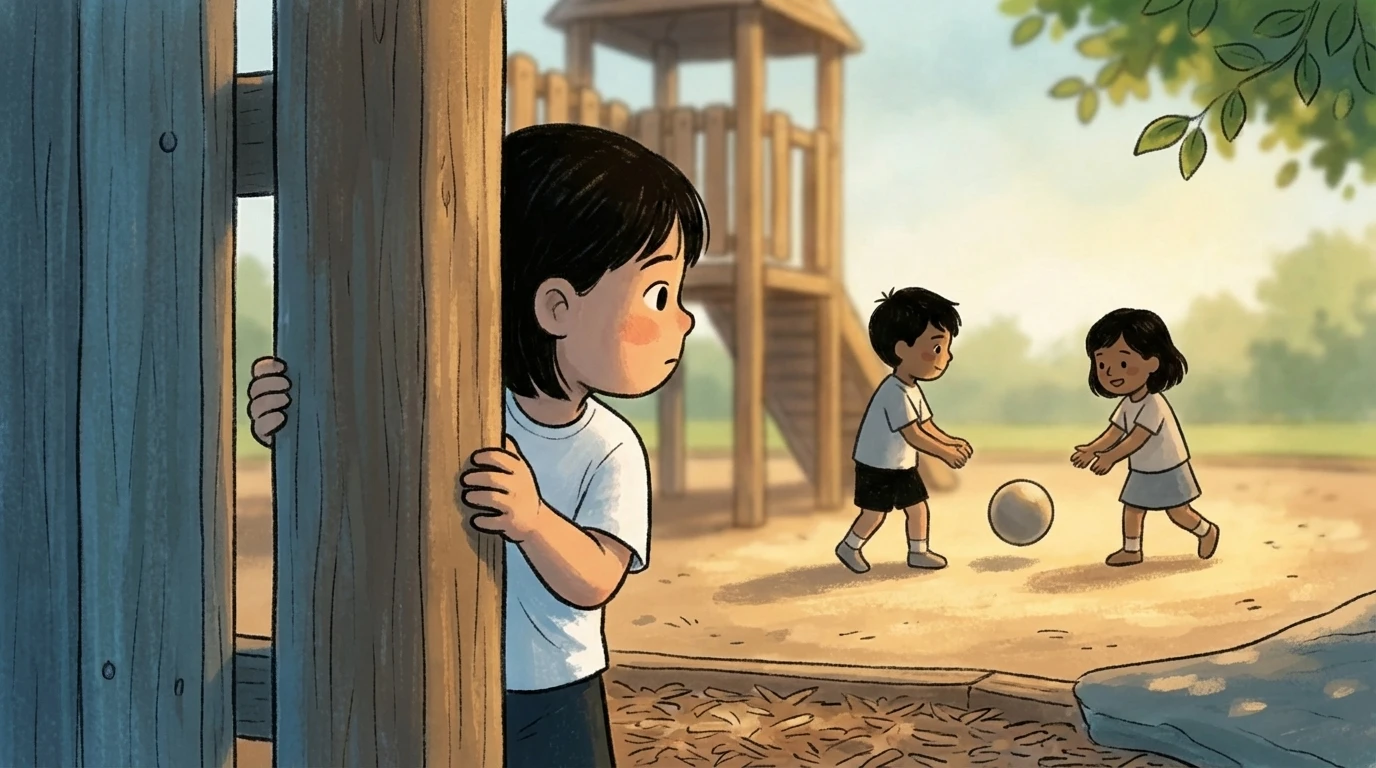
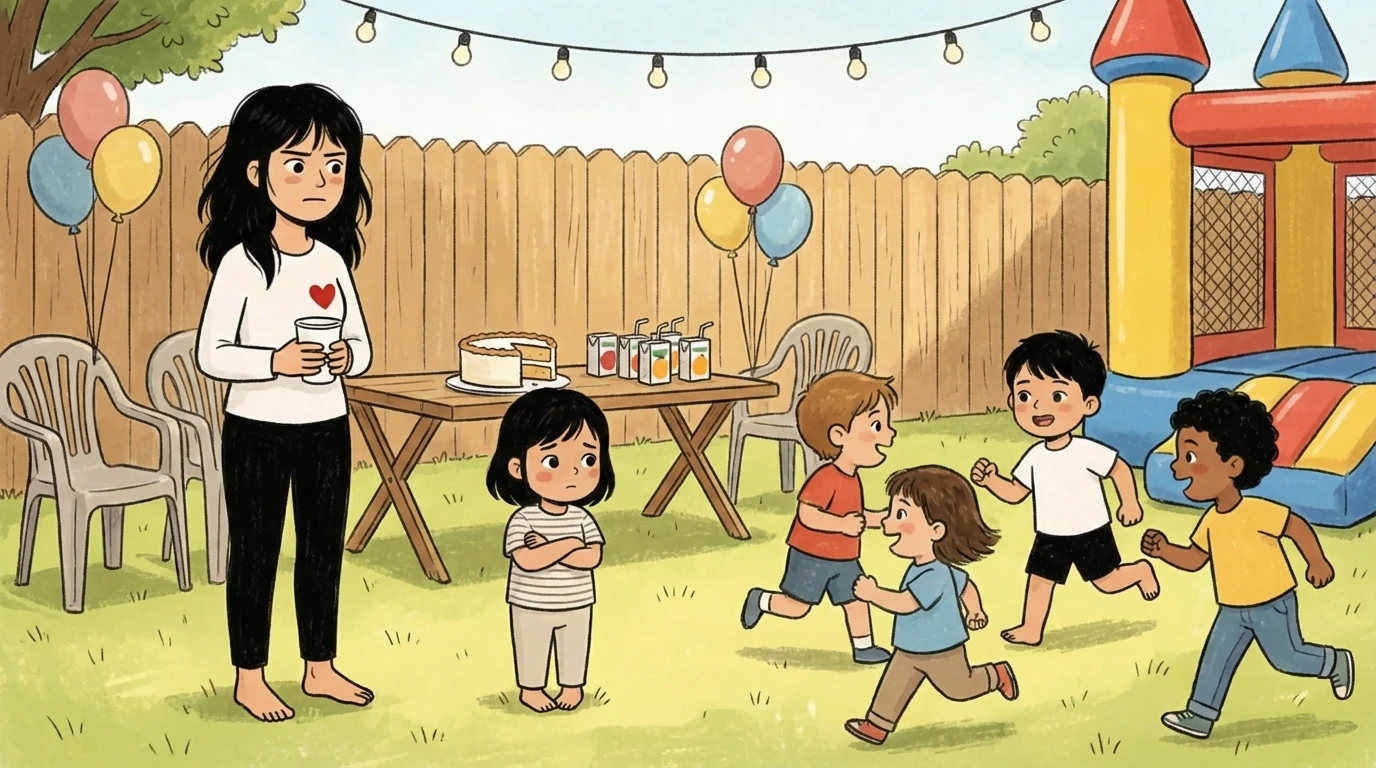
Your daughter has been at the birthday party for forty minutes. Every other child is chasing each other through the sprinklers. She is standing next to the cooler, gripping her juice box, studying the chaos like a wildlife researcher observing an unfamiliar species.
You feel the pull. Just go play. What are you afraid of? But you swallow it because somewhere in your mind you know that sentence will make things worse.
Your child's nervous system is running a threat assessment. New people, unpredictable movement, loud noises. For a kid whose temperament leans cautious, this is a lot of data to process before the body says "safe." Some children are wired to watch before they wade in. That wiring is doing exactly what it was designed to do.
Three things typically drive this pattern:
- Innate temperament. Some kids come into the world slow-to-warm. They have always been this way. Researchers call it behavioral inhibition, visible as early as four months old, long before parenting style could be the cause.
- A protective response. A bad experience with another child or too many new faces at once triggered the caution.
- Learned behavior. If you tend toward social caution yourself, your child may be mirroring what they absorbed from watching you.
Clinging at the party door
The Social Skills course will help you ease them in without pushing
You'll have a warm-up sequence that gets your child off your leg and into the room at their own pace.
What not to do (and why it backfires)
Telling a child "don't be shy" is the social equivalent of telling someone with insomnia to just fall asleep. It communicates that something is wrong with them, which spikes the anxiety, which deepens the shyness.
Do not label them
"She is just shy" becomes an identity every time your child hears it. Instead, name the pattern: "She likes to watch for a while before she joins in." Same observation, different message entirely.
Do not throw them in
Sending a socially anxious child to a crowded party without you is like dropping a non-swimmer in a pool. Negative experiences confirm fears rather than dispelling them.
Do not speak for them
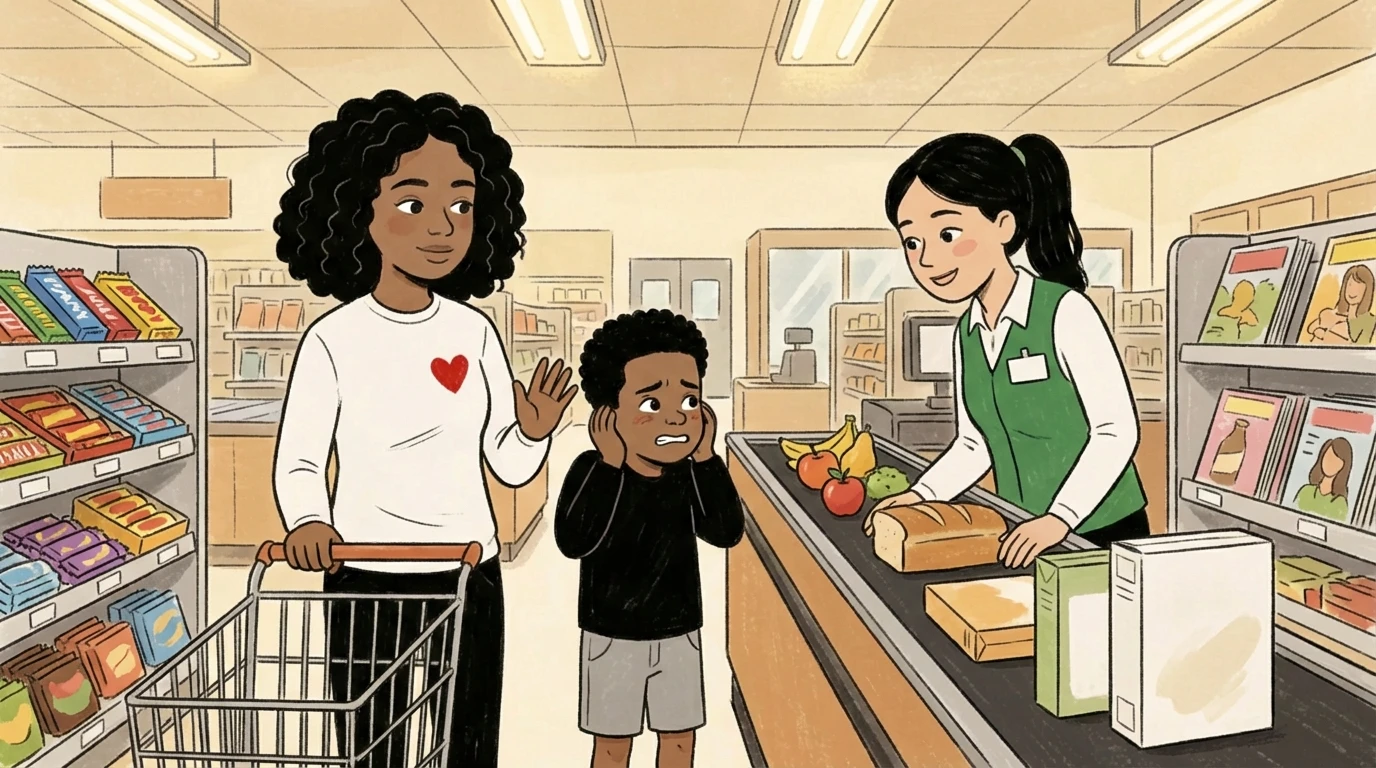
When the cashier asks your child a question and you jump in with the answer, the message is: I do not think you can do this. Wait. Offer options if they need them ("You can tell her or you can wave"), but do not do it for them.
Role-play: the skill-builder that works
You would not send your kid to a piano recital without rehearsal. Social skills work the same way. They need a consequence-free environment where the stakes are zero.
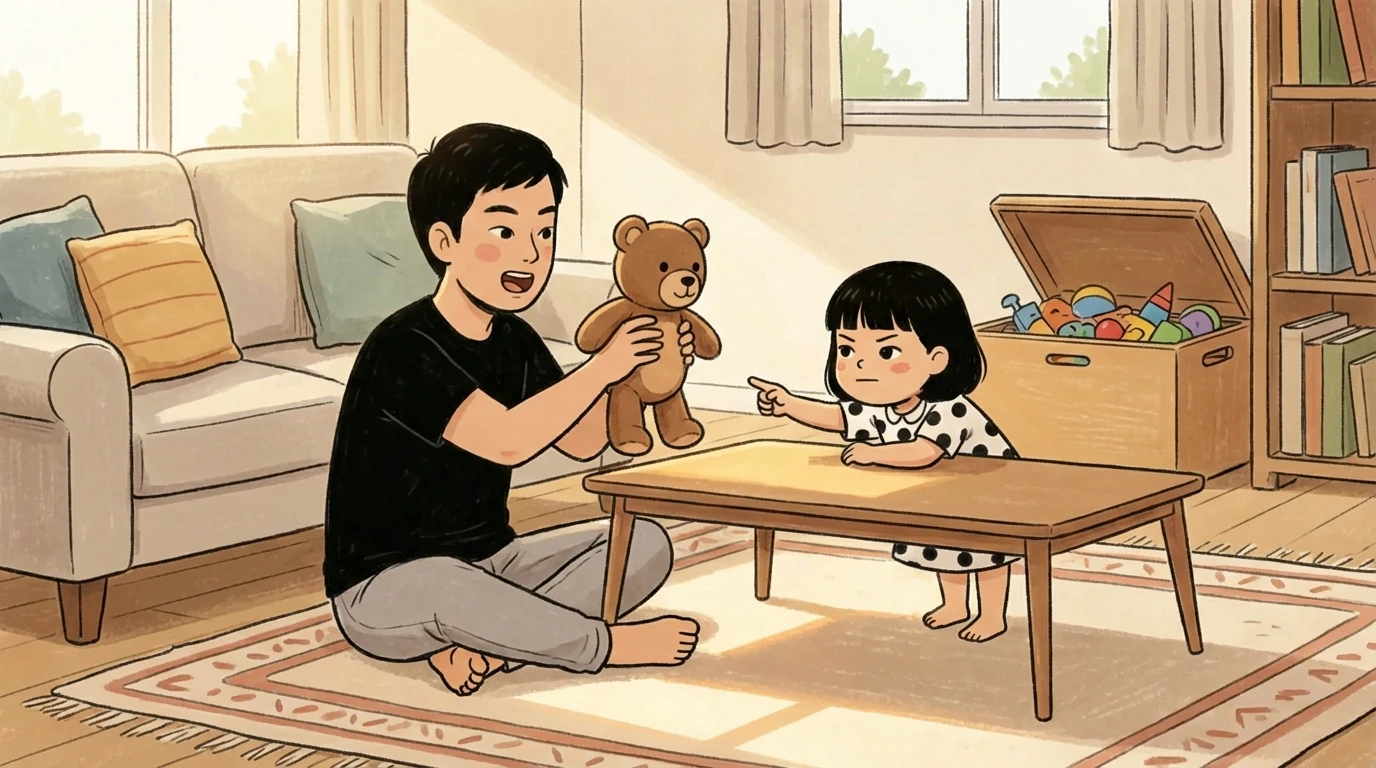
Set up a real scenario: the playground, the lunch table, the classroom door. You play the shy child first. Let your kid watch you fumble, feel nervous, take a breath, and try anyway. Then ask: "What should I say to the kid on the swings?"
When your child is the advisor, they problem-solve without the pressure of being the one in the spotlight. Once they are warmed up, switch roles. You be the other kid. If they freeze, offer two options rather than scripting it all: "You could say 'can I play?' or you could stand near them and watch."
After the role-play, name the specific thing they did. Skip generic praise and go concrete: "You looked right at me and asked if you could join. That took guts." The more precise your words, the more your child believes you were paying attention, and that belief is what makes them want to try again.
How to help a shy child practice social skills at home
- Set up the scene togetherPick a real scenario your child struggles with: joining a game at recess, saying hi to a new kid, asking to share a toy. Describe it out loud so the scene feels concrete.
- You play the shy child firstAct out being nervous and unsure. Let your child watch you fumble, take a breath, then try. This shows them that nervousness is normal and survivable.
- Invite them to suggest a solutionAsk 'What should I do next?' or 'What could I say to the kid on the swings?' Let them problem-solve from the safe position of advisor before they have to be the actor.
- Switch roles when they are readyLet your child play themselves while you play the other kid. Keep it light. If they freeze, offer two options rather than scripting the whole thing for them.
- Name the specific win afterwardSkip generic praise. Say exactly what they did: 'You looked right at me and said can I play. That took guts.' Concrete recognition lands harder than 'good job.'
Building the ladder: from your couch to the playground
Social confidence builds in a specific order. Skip a rung and the whole thing wobbles.
Start at home with one kid
Invite a single child over to your house. Your home is where your child feels safest, and one-on-one is less overwhelming than a group. If your child can have fun with one kid on their own turf, that is the foundation everything else builds on.
Keep the first few playdates short, around an hour, and have a structured activity ready: building with blocks, drawing, baking cookies. Free play asks shy kids to generate social momentum from scratch, while a shared task gives them something to focus on besides each other. Once the activity breaks the ice, free play tends to happen on its own.
Experiment with ages. Your child might relax more around a slightly older kid who takes the lead, or a younger one who is less threatening. Any age that gets them interacting counts.
Move to familiar territory outside
Once home playdates are going well, try a familiar park or library. Same kid, same low pressure, new setting. Your child is learning that the skill transfers.
Add the group last
Groups come last. And when they do, stay physically close enough that your child can check in with a glance. Your presence is what makes risk-taking possible. You are the base camp they return to between expeditions.
The discomfort reframe
Your child thinks the knot in their stomach at a party means something is wrong. They need a different interpretation: discomfort is what new things feel like.
Teach your child a quick check: "Am I in danger, or is this just new?" Danger is rare. Newness is everywhere. And on the other side of newness is usually someone interesting to meet.
Before events, brainstorm together. "If you feel nervous at the party, what could you do?" Maybe they find the one kid they already know. Maybe they help set out the cups. The plan matters less than having one. A child with a plan feels less ambushed by their own anxiety.
A phrase worth teaching: "You do not have to be interesting. You just have to be interested." A child who learns to ask another kid a question and listen to the answer has most of the social confidence they will ever need.
What you are building
You are going to watch your child stand at the edge of the playground fifty more times. You are going to bite your tongue when the silence stretches at the checkout counter. You are going to role-play the same recess scenario until you could do it in your sleep.
But somewhere between the fourth playdate and the tenth role-play, your child is going to walk up to another kid and say something. It might be quiet. It might be awkward. That is still a victory.
Every small step your child takes on their own terms builds a brain that says: I can handle this. That belief, accumulated over hundreds of tiny moments, is what turns a kid who watches from the edge into a kid who walks in when they are ready.
FAQ
Shyness is a temperament. The child warms up slowly but gets there. Social anxiety is persistent dread that does not ease with familiarity and starts interfering with daily life. If your child avoids school, refuses all social contact, or shows physical symptoms like stomachaches before events, talk to your pediatrician.
Yes. Labels become identities. Instead of saying 'she is shy,' try 'she likes to watch for a while before she joins in.' This describes the behavior without turning it into a fixed trait. Your child will internalize whichever framing you use.
One good friend is plenty. Your child needs at least one person they feel connected to, someone they want to sit with at lunch or play with at recess. Quantity does not matter. Connection does.
Some children genuinely prefer solitary play and are perfectly content. If your child is not distressed about being alone, not being excluded by peers, and has the skills to connect when they want to, solo play is fine. Introversion is a valid way to be in the world.