TLDR
- If your kid has internet access, they will see porn. Most children encounter pornography by age eight. By eleven, nearly all have been exposed. the real question whether they've been prepared or blindsided.
- Talking about it protects innocence. Avoiding it doesn't. Kids who've had the conversation come to their parents afterward. Kids who haven't carry the confusion, shame, and fear alone.
- You don't need to mention sex to start. The earliest conversations are pure safety talks: 'If you see something yucky on a screen, come get me. You're never in trouble.'
- Frame porn as a business that targets kids. Teens respond to feeling manipulated. Explaining that the industry specifically targets adolescent brains shifts their relationship to the content.
- Filters help but don't replace the conversation. Parental controls buy time. The real protection is the relationship and trust you've built so your child comes to you instead of hiding.
The conversation you're avoiding is the one they need most
Your kid is going to see pornography. Maybe a friend shows them something on a bus. Maybe a search for "Minecraft tips" takes a wrong turn. Maybe they're ten and curious and the algorithm does the rest.
The average age of first exposure is eight. By eleven, the vast majority of children have encountered it. And the free content accessible today (no credit card required) includes violence that would traumatize most adults, let alone a kid with zero context for understanding what they're seeing.
When an unprepared child stumbles on pornography, they get hit with fear, disgust, possible arousal that conflicts with the disgust, confusion about whether this is normal, shame, and often a compulsion to go back and look again, trying to process feelings they can't name.
If you've talked to your child beforehand, they come to you. If you haven't, they carry all of that alone.
Something in the browser history
The Screen Sanity course will prepare you for the conversation most parents avoid
You'll know what to say, what filters work, and how to keep the door open without shaming.
Why silence backfires
The instinct to protect kids by not talking about pornography makes intuitive sense. If I don't bring it up, maybe they won't think about it. But silence doesn't create innocence. It creates isolation.
A child who encounters porn without any framework will assume this is forbidden territory. Something they can't ask about. Something that makes them a bad person for having seen it. The shame doesn't come from the exposure. It comes from having nobody safe to process it with.
And the harm compounds. Research shows that children exposed to pornography at younger ages have higher rates of anxiety and depression into adulthood. Early exposure correlates with risky sexual behavior and reduced capacity for empathy. Boys develop distorted beliefs about what girls want. Girls describe porn sites as the best way to learn how to be "appealing."
None of this is inevitable. But it requires you to get there first with honest, age-appropriate conversations about bodies and sexuality before the internet does it for you.
Age-by-age scripts that work
You don't need to deliver a TED talk. You need a few sentences, delivered calmly, repeated over time. Here's what that looks like at each stage.
Ages three to five: the "yucky feelings" talk
You're not mentioning sex or pornography. You're building the reflex to come to you.
Say this: "When you're using a screen, you might see something that feels yucky or scary or makes your tummy feel funny. Maybe someone isn't wearing clothes, or someone looks hurt. If that happens, stop watching and come get me right away. I'll help you. You're never in trouble."
This works because it uses the child's own body as the detection system. They don't need to understand what they saw. They just need to know that weird feeling means "go find a grown-up."
Ages six to nine: naming what they might see
Kids this age understand categories. You can be more specific.
Say this: "The internet has a lot of great things, but sometimes you might see something that isn't for kids. People without clothes on, or videos that feel scary or confusing. These videos are made by adults and can be really upsetting. If you ever see anything like that, just stop and come find me. You won't be in trouble. I'll help you understand."
Ages ten to twelve: reality versus fiction
Preteens are curious. Peer influence is ramping up. They need help distinguishing what's real.
Say this: "There's stuff online about bodies and sex, and not all of it is true or healthy. Pornography is videos made by adults that show people doing sexual things. The people are actors. The bodies are often digitally altered. Real bodies don't look like that. Real relationships don't work like that. If you see something like this, by accident or even on purpose, come talk to me. You're not in trouble. I want to help you make sense of it."
This is also the age where talking openly about sex as a protective factor starts paying real dividends.
How to porn-proof your child
- Start the safety conversation earlyBefore your child has regular internet access, establish the reflex: if something feels yucky or scary on a screen, come get me. You're never in trouble. This builds the trust pathway before they need it.
- Name what they might encounterAs kids grow, get more specific. By age six, you can mention people without clothes or scary videos. By ten, use the word pornography and explain it's acted, edited, and not real.
- Explain porn as a businessPornography is a multi-billion dollar industry that targets young people because developing brains are more vulnerable to addiction. Teens especially respond to understanding they're being manipulated for profit.
- Make reporting safe and easyTell your child to leave whatever they saw on the screen and come find you immediately. Repeat that they will never be punished. Remove every barrier between them and telling you what happened.
- Install filters but don't rely on themUse parental controls, safe search, and keep devices in common areas. Technical measures buy time, but the relationship is the real protection. Filters fail. Trust doesn't.
The alcohol analogy that reframes everything
If your kid asks "why can't I watch that?" or you need a quick framework, try this: "Just like some adults drink alcohol but that isn't good for kids, some adults look at these kinds of videos. But they change your brain and the way you think about sex and relationships. And your brain is still growing."
This framing works because it removes moral panic from the equation. You're not saying porn is evil. You're saying it's an adult thing that harms developing brains, just like alcohol. Kids understand that framework. They've heard it before about beer and wine.
The "leave it on screen" rule
When you tell your child what to do if they encounter pornography, include this: leave whatever you saw on the screen and come find me.
It removes the pressure to hide evidence. A kid who thinks they need to close the tab and clear the history has already entered shame mode. A kid whose only job is "walk away and find a parent" has a simple, doable action. And you get to see exactly what they encountered.
Teens: when curiosity is normal and the stakes are highest
By thirteen or fourteen, assume your teen knows pornography exists. Many have seen it. Some have sought it out. Curiosity at this age is developmentally normal, which is exactly why this conversation matters most now.
The industry specifically targets adolescent brains. During puberty, the brain rewires rapidly. Any repeated experience at this age has outsized impact because the brain shapes itself around those experiences. Porn producers understand this. They want lifelong customers.
Tell your teen this. Directly. "The people who make this content are targeting you specifically because your brain is at the age where it's easiest to get hooked. They want your attention now so they have it forever." Teenagers who feel manipulated push back against the manipulator. That's the response you want.
This is similar to other conversations about harmful content teens may encounter online and offline. The principle is the same: give them real information and trust them to think.
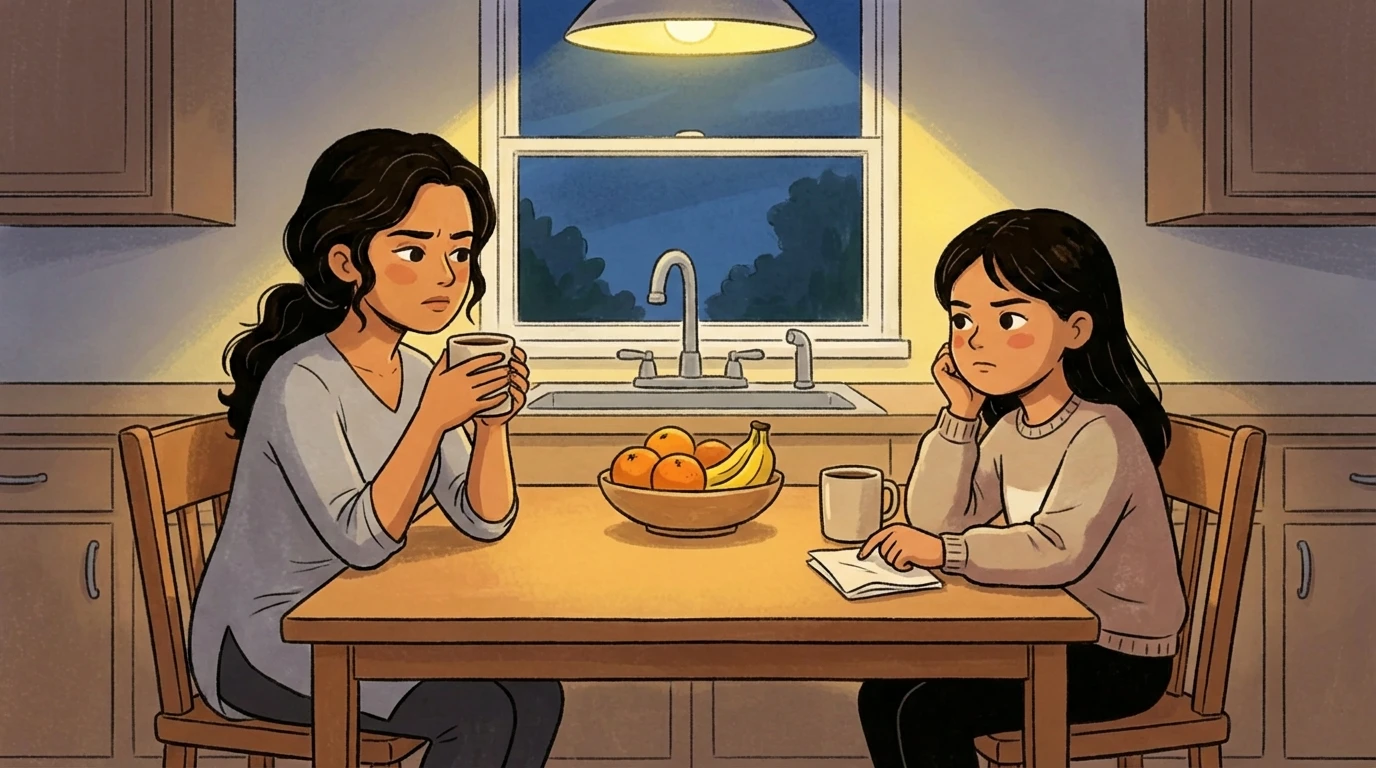
Filters are a seatbelt, not a force field
Install parental controls. Set up safe search. Keep devices in common areas, not bedrooms. Monitor activity.
And know that all of it can be bypassed by a determined twelve-year-old or a friend's unsecured phone. Technical controls are a seatbelt. The relationship is the car. You need both, but the seatbelt alone isn't getting anyone anywhere.
The real protection is a child who thinks "I need to tell my parent" instead of "I need to hide this." Every time you respond to disclosure with calm instead of panic, you reinforce that reflex.
FAQ
As soon as they have any internet access, even supervised. For kids aged three to five, you don't mention pornography or sex at all. You simply establish the reflex: if something on a screen feels yucky or scary, come get me. The specificity increases as they grow older.
Research shows the opposite. Children who have been prepared by a parent are more likely to report exposure and less likely to seek it out compulsively. The conversation reduces curiosity-driven seeking by removing the forbidden-fruit effect and giving them a framework for understanding what they might see.
Start now. Say something like: 'I should have talked to you about this sooner, and I'm sorry I didn't. I want you to know that if you've seen things online that confused or upset you, you can always talk to me. No judgment, no punishment.' It's never too late to become the safe person.
Punishment drives the behavior underground and destroys the trust you need. Instead, stay calm, acknowledge their curiosity is normal, and have an honest conversation about why pornography is harmful to developing brains. The goal is keeping communication open, not shutting it down with consequences.
They help but they're not foolproof. A determined older child can often find workarounds, and their friends' devices won't have your filters. Use controls as one layer of protection alongside ongoing conversations, device placement in common areas, and a relationship where your child feels safe telling you what they've encountered.