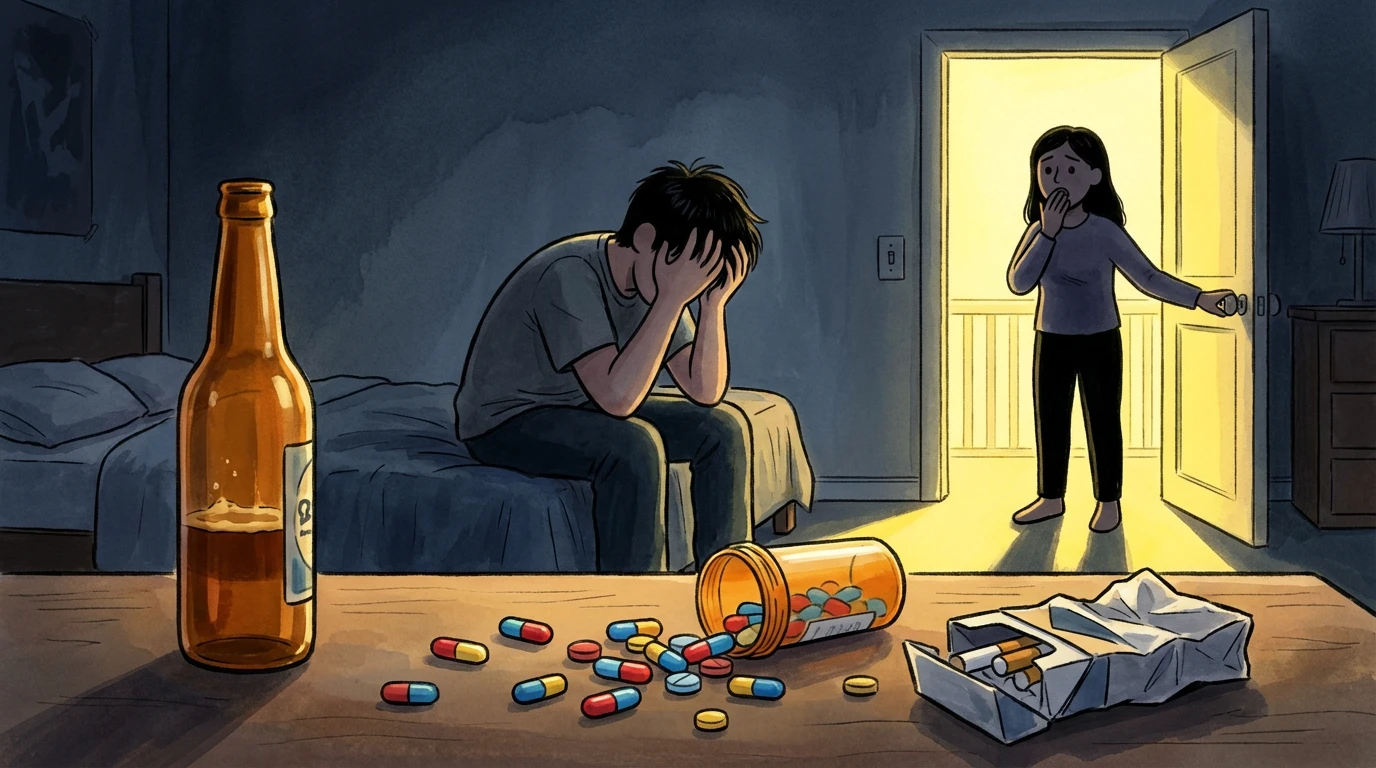
TLDR
- You are the biggest influence on whether your teen uses substances. Kids whose parents actively talk to them about drugs and alcohol are half as likely to use them. Your conversations carry more weight than you think.
- The brain argument beats the rules argument. Telling a teen 'because it is illegal' invites debate. Explaining that alcohol and cannabis physically alter how a developing brain wires itself tends to land harder.
- Start these conversations by age seven or eight. Early conversations build understanding before peer pressure starts. A nine-year-old who already knows why substances matter will handle a thirteen-year-old party better.
- Rehearse refusal scripts out loud. Having pre-planned responses (no thanks, I am the designated driver) reduces in-the-moment pressure. Practice turns a hard conversation into a remembered line.
- An emergency pickup system can prevent a tragedy. Agree on a code word or emoji that means 'come get me now.' Your teen texts it, you show up, no punishment. Remove the barrier between your kid and safety.
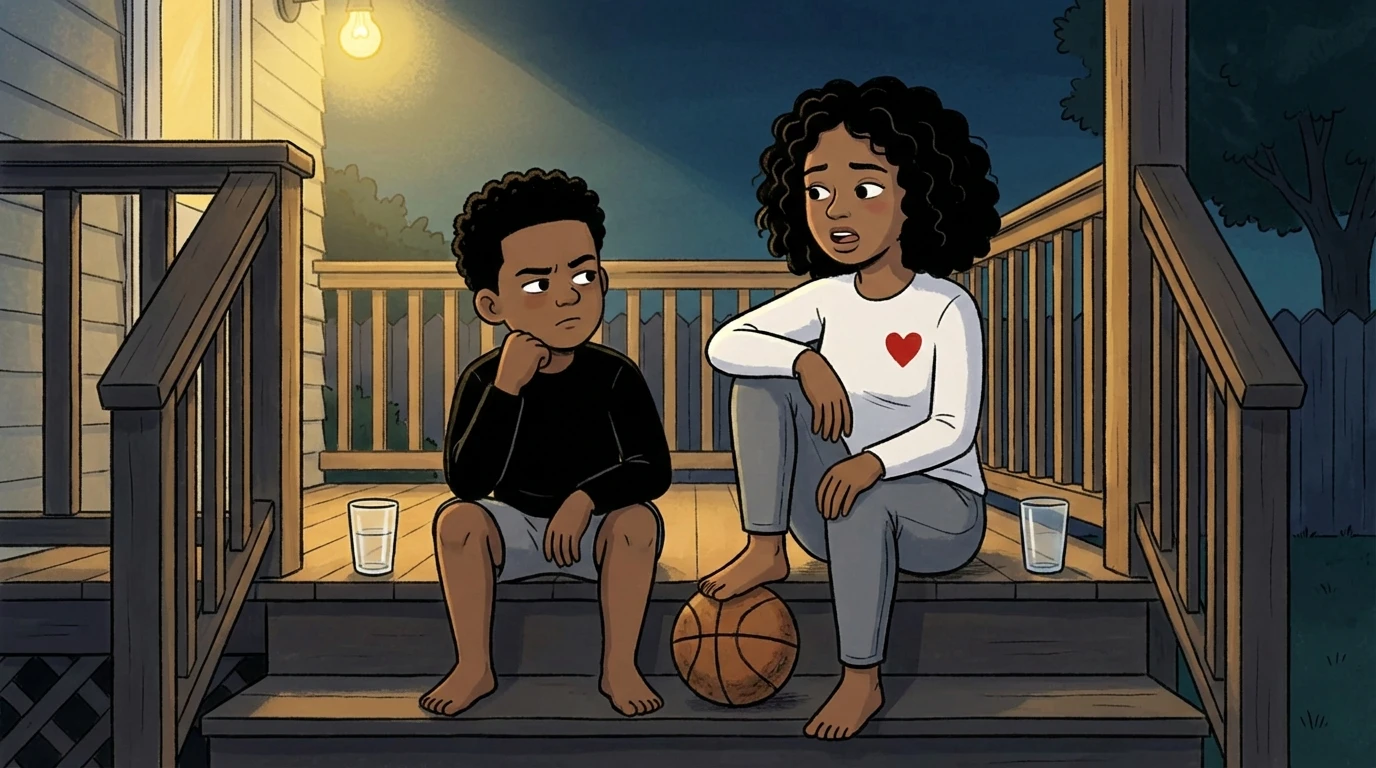
Why your words carry more weight than the internet's
About 60% of teenagers across all ages report they do not drink. That number has been declining from previous generations. But some of those teens have swapped alcohol for marijuana, especially as recreational use becomes legal for adults in more states.
Here is the part that matters to you: kids whose parents actively talk to them about drugs and alcohol are half as likely to use them. You are the influence. The conversations you start now build the frame your teen will use when someone hands them a cup at a party.
The biggest mistake is waiting until the teen years. The same skill that helps you talk about puberty applies here: early, low-pressure conversations build a foundation before the stakes feel real.
The brain argument that lands with teenagers
Why "because it is illegal" does not work
Teenagers love pointing out hypocrisy. Tell them alcohol is illegal for minors and they will remind you that marijuana is legal for adults now. Tell them it is dangerous and they will name an uncle who drinks every weekend and seems fine.
The argument that consistently works is the brain development one. When an adult drinks moderately, the brain changes are temporary. Thinking and reaction time shift, then return to normal once the substance clears. But a teen brain is still building itself. Alcohol and cannabis do not just impair it temporarily. They change the architecture.
The numbers that make teens pause
Kids who try alcohol before age 15 are four times more likely to develop alcoholism than those who wait until after 20. This is not about willpower. Early use during the construction phase creates a vulnerability that stays.
Cannabis is its own problem. It rewires the dopamine system in a developing brain, making the person more likely to feel depressed and more stressed by ordinary life unless they are high. Because this happens during construction, the changes become structural.
When your eleven-year-old says "but adults do it too," agree. Adults who use moderately recover fully. Young people do not. The restriction exists because their brain is in a window where the damage sticks.
The talk you keep postponing
The Parenting Teens course will teach you how to discuss hard topics without shutting them down
You'll raise alcohol and drugs in a way that keeps your teen talking instead of hiding.

How to have the conversation without getting shut out
They are testing you before they trust you
Your teen will share small things to see how you react. "Oliver snuck vodka into school today in a Starbucks cup." If you explode with judgment ("That is terrible! I hope he got expelled!"), your teen files that reaction under not safe to tell and you never hear the bigger stuff.
Take a breath. Ask questions. "Wow, how could you tell? What did the other kids do? Did anyone try it? What did you think?" The progression moves from factual (what happened) to reflective (what did you think) to values-based (what would you do). You are coaching your teen to think it through, not lecturing them into silence.
This is the same principle behind staying calm when your kid tells you something that scares you. Your face is the first thing they read. If it says panic, the conversation is over.
Age-matched scripts that work
At seven: Keep it simple. "When is it okay to drink alcohol? Right, when you are a grown-up." Category established. Done.
At eleven: "Lots of kids around you will try alcohol or drugs, and you will be curious. You can always tell me and ask me anything. We can figure out together what you will say to your friends. But I need you not to drink or use drugs right now, because it will hurt your brain while it is still growing."
At fifteen: "When you are an adult, whether you drink is your call. Right now, my job is to help you protect yourself. Alcohol and marijuana are not just illegal for minors, they are damaging to your brain specifically because of your age. I want you to have the best shot at the life you want."
Rehearse refusal scripts (this part is practical)
Having a pre-planned response strips away the in-the-moment pressure. Your teen does not have to invent something clever while a red cup is being pushed toward them. They already know what to say because you practiced it at the kitchen table.
How to rehearse refusal scripts
- Pick a quiet moment togetherBring it up casually, not as a formal sit-down. Car rides and walks work well because there is no eye contact pressure. Say: 'Let us practice what you would say if someone offers you a drink.'
- Run through specific scenariosDescribe a realistic scene: a party, a friend's house, a car. Ask what they would say. If they freeze, offer starters: 'No thanks, I am driving.' 'No thanks, I do not drink.' 'No thanks, I am allergic.' Let them pick what fits their personality.
- Practice the buddy systemHelp them identify one friend who also does not drink. Going to parties with an ally means they have someone to leave with and someone who backs up their refusal. Two kids saying no feels easier than one.
- Role-play the pushy friendPlay the person who will not take no for an answer. 'Come on, one drink will not kill you.' Let your teen practice holding the line when it gets uncomfortable. This is where the real skill builds.
- Set up the emergency exitAgree on a code word or emoji that means 'come get me, no questions asked.' When your teen sends it, text back that there is a family emergency and come immediately. No punishment. The exit plan removes the biggest barrier between your kid and safety.

The conversation after they have already tried it
Here is the realistic part: most kids will try alcohol before they turn 21, regardless of your parenting. The goal is not perfection. The goal is two things: push that day as far into the future as possible, and keep communication open enough that when it happens, you know about it.
Because when you know, you can help them think through safety. "You want to try drinking. Your body might react in ways you do not expect. What is your plan to stay safe? Who will be sober? How will you get home?" This is harm reduction, not permission. You are shifting from "do not do this" to "if you do this, how will you survive it."
The alternative is they hide it and face everything alone. That is where tragedies happen.
Raise a kid who can say no to anyone
When your child argues with you about a rule, that is the same muscle they will use to refuse a drink. Kids raised to obey without question sometimes cannot assert themselves when a peer acts like an authority.
When your teen pushes back, listen. You are building a person who cooperates willingly AND follows their own compass when someone pushes. The assertiveness that drives you crazy at dinner is the assertiveness that keeps them safe at a party.
Your behavior teaches more than your lectures
Kids watch what you do with alcohol more than they listen to what you say about it. If you drink heavily, your child is statistically more likely to start earlier and drink more. The pattern transmits through observation.
Model how you handle stress, frustration, and sadness without reaching for a drink. Teens who lack healthy emotional regulation skills use substances as a substitute. When you show your kid that you can have a terrible day and process it without alcohol, you are teaching a skill that protects them for decades. That is the same foundation behind talking openly about bodies and safety with your kids: honest modeling beats perfect lectures.

FAQ
Around seven or eight. Keep it simple at first: alcohol is for grown-ups because kids' brains are still growing. Then build on that conversation as they get older, matching the detail to their developmental stage and social world.
Do not panic in front of them. Say something like: 'Thank you for telling me. That took guts. Let us talk about how you felt and what your plan is to stay safe going forward.' Keep the door open so they tell you next time too.
Acknowledge the legal shift directly. Then explain that legal for adults and safe for teens are two different things. Their brain is still building, and cannabis changes how the dopamine system develops. When they are adults, the choice will be theirs.
Point out that about 60% of teens report they do not drink. Their perception is skewed because the kids who drink are louder about it. Then pivot: 'Even if everyone were doing it, your brain chemistry is still yours to protect.'
Research does not support this. Kids whose parents allow drinking at home do not drink less outside the home. They drink more. The message 'it is okay sometimes' gets generalized. Hold the line on no use until their brain finishes developing.