TLDR
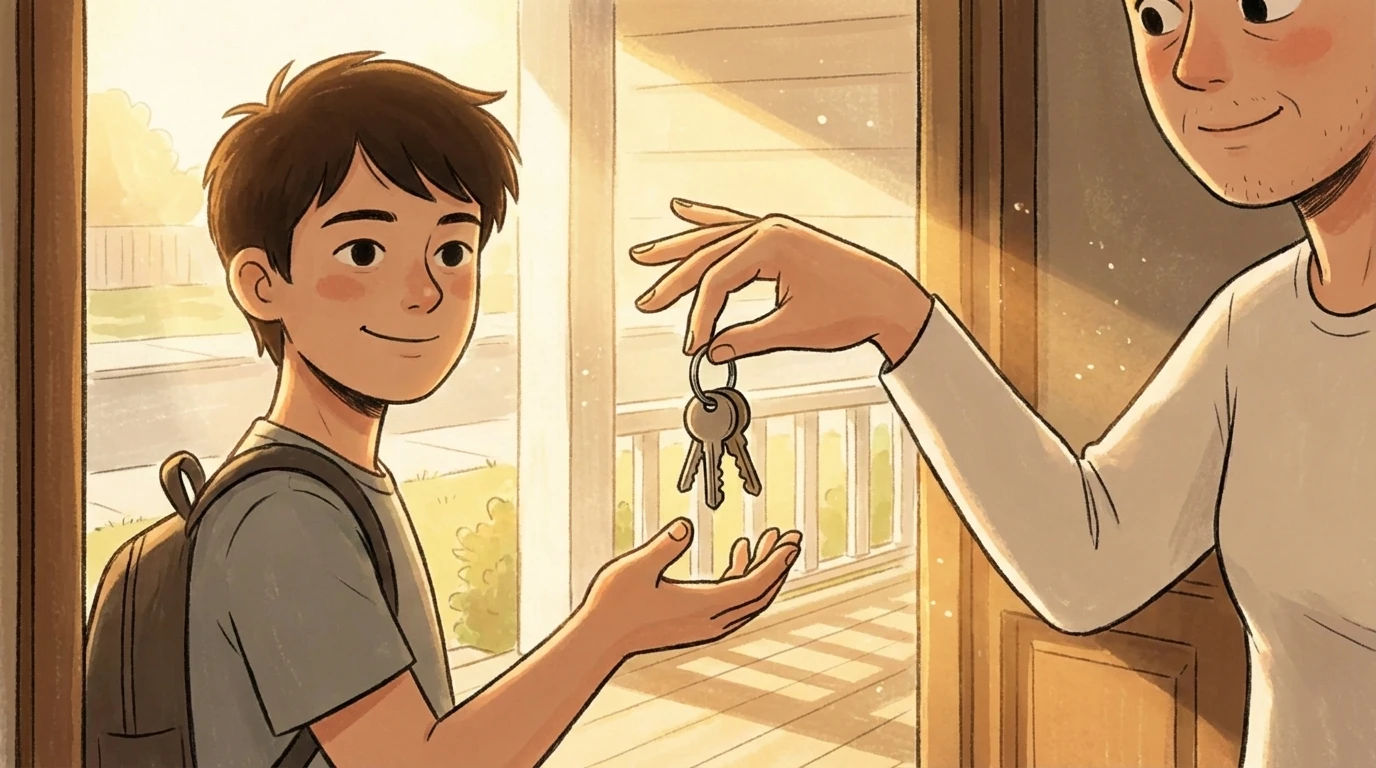
- Independence is a muscle your teen builds, not a gift you hand over. Every time you let them handle something alone and they follow through, their capacity for self-governance grows. Skip this step and they arrive at adulthood without any practice.
- Trustworthiness develops through small, low-stakes tests. Start with manageable freedoms: walking to a friend's house, managing their own homework schedule, choosing their own clothes. Watch what happens before expanding the range.
- Letting go does not mean checking out. You stay close, stay interested, stay available. The difference is that you stop managing and start observing. Your teen needs to know you are right there, even when you are not steering.
- The teens who rebel hardest are often the ones who never got to practice freedom. A child who is micromanaged until sixteen will blow the doors off the moment they can. Gradual release prevents the explosion.
- Your discomfort is not a reason to hold on tighter. It is normal to feel anxious when your teen makes choices you would not make. That anxiety belongs to you. Their choices belong to them.
Your teen is supposed to pull away from you
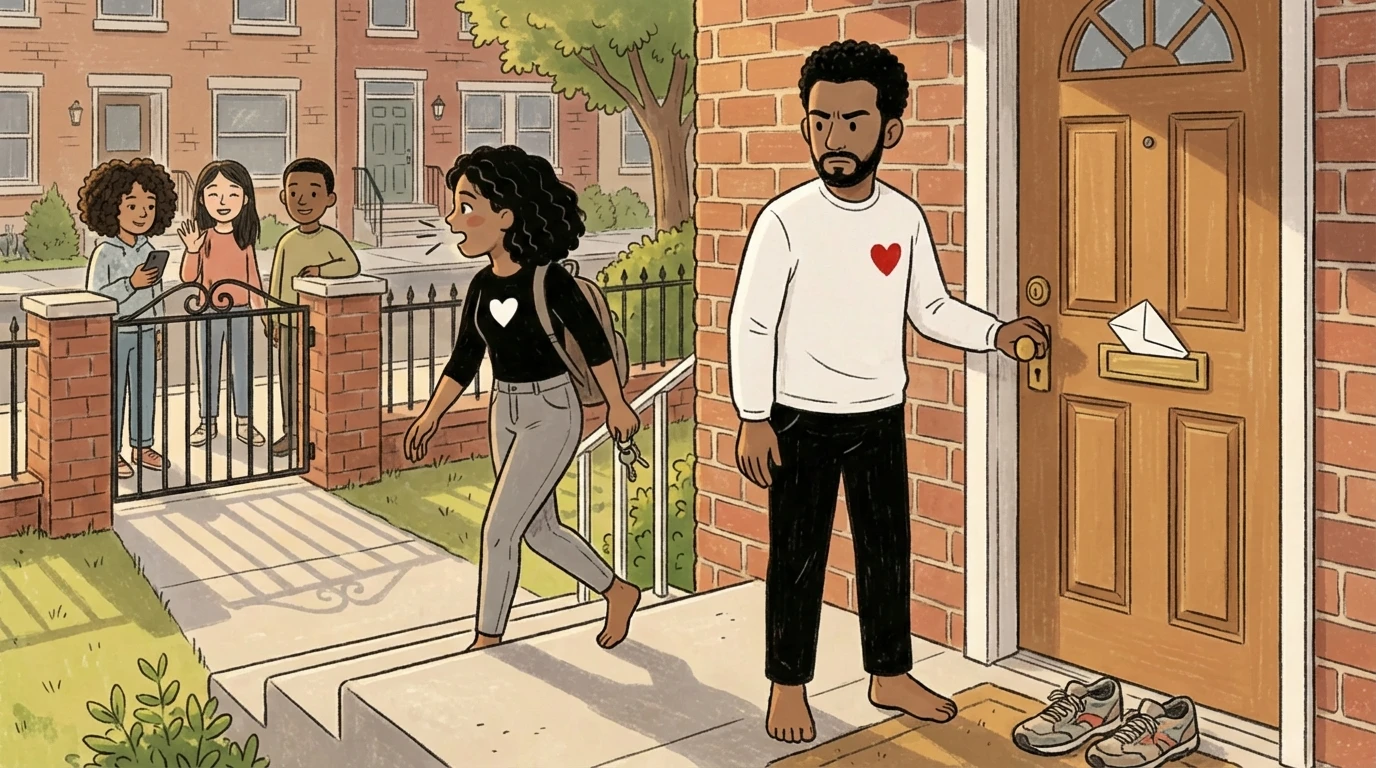
This is the part nobody warns you about. You spend twelve years building closeness, teaching them to need you, making yourself the answer to every problem. And then biology flips a switch and your kid starts treating your presence like a mild inconvenience.
The drive toward independence is as hardwired as the drive toward language. Your teen is doing exactly what human development requires: separating from the people who raised them so they can figure out who they are on their own.
The trouble is that this process looks and feels like rejection. They stop telling you things. They close their bedroom door. They answer questions with sounds that barely qualify as words. And your instinct, because you love them, is to lean in harder, ask more questions, tighten the grip.
That instinct will backfire every time.
Trustworthiness is built, not assumed
Here is the thing parents get wrong most often: they treat trust as binary. Either you trust your teen or you don't. Either they have earned it or they have not.
Trust works more like a credit score. It builds slowly through consistent small actions and can drop fast with one bad decision. Your job is to create opportunities for your teen to build credit.
Start small and boring
Nobody's first trust test should be "can I go to an unsupervised party two towns over." Start with choices that have low stakes and clear outcomes. Can they get themselves to school on time without you hovering? Can they manage a phone within the boundaries you agreed on together without you checking every five minutes?
When they succeed at the boring stuff, you have data. When they fail at the boring stuff, the consequences are small and the conversation is easy.
Name what you see
Teens are terrible at recognizing their own growth. When your fourteen-year-old handles a scheduling conflict without your help, say it out loud. "You figured that out yourself. I noticed." Naming competence is how you help them see themselves as capable, and a teen who sees themselves as capable will act like it.

The freedom ladder
Think of independence as a ladder with rungs. Each rung represents a slightly bigger freedom. Your teen climbs one rung at a time, and they only move up when they have shown they can handle the current one.
What the rungs look like
The bottom rungs are things like choosing their own after-school activities, managing their homework without reminders, or picking what to wear. Middle rungs include going places without you, having their own money to spend, and handling disagreements with teachers or coaches directly. The top rungs are the ones that keep you up at night: driving, staying out late, making decisions about substances and relationships.
The mistake most parents make is skipping rungs. They hold tight through all the low-stakes stuff, then suddenly the teen is sixteen and has zero practice making independent decisions. This is how you end up with a kid who goes to college and falls apart in the first semester, because they never got to practice being independent without being entitled while you were still nearby to catch them.
When they slip
They will slip. This is guaranteed. Your teen will break a curfew, lie about where they were, or make a choice that horrifies you. This will happen. What matters is what you do next.
The wrong move is to yank them back down to the bottom of the ladder. "Well, clearly you can't handle any freedom." That teaches them nothing except that one mistake erases all progress. The right move is to drop them back one rung. "You had permission to go out until ten, and you came home at midnight. So this weekend you are home by nine. We will try ten again next week."
One rung back. Temporary. Recoverable. That is how you keep the system functional.
They asked for more freedom
The Parenting Teens course will help you calibrate trust and autonomy step by step
You'll give freedom in doses your teen can handle and pull back only when the evidence says to.
Letting go versus giving up
There is a real difference between letting go and checking out, and your teen can feel it.
Letting go means you stop controlling the outcome but you stay present for the process. You let them choose their friends, but you meet the friends. You let them manage their grades, but you ask how the semester is going. You let them fail at something, but you sit with them after the failure and ask what they learned.
Checking out means you stop paying attention. You stop asking. You stop showing up. And a teen who senses that you have stopped caring will either spiral or shut down entirely.
Your teen wants you to let go of the steering wheel. They do not want you to get out of the car.
The hardest part is your own anxiety
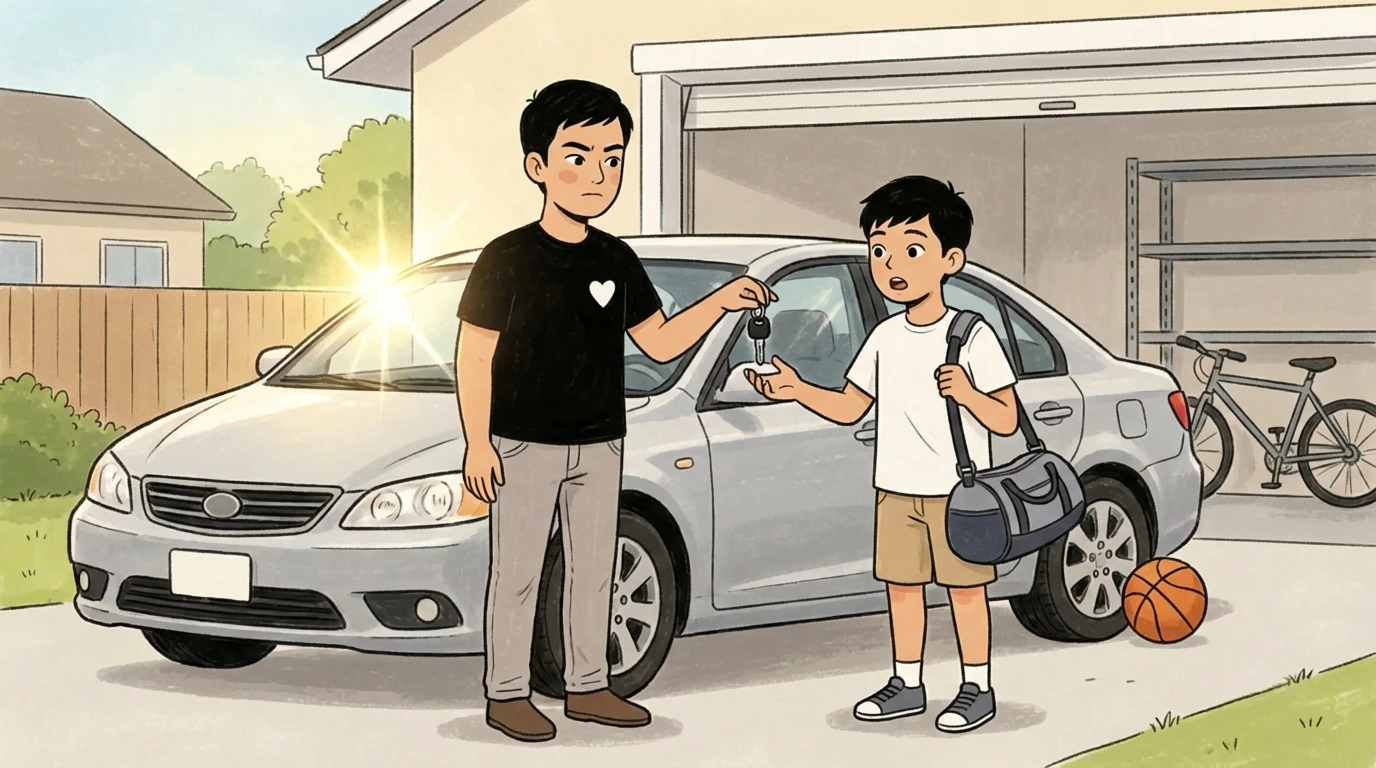
Let's be honest about what makes this so hard. Your teen's growing independence is a grief process as much as a parenting challenge. The child who needed you for everything is becoming a person who needs you for less and less, and that loss is real even when it is exactly what should happen.
Your anxiety about what they might do, who they might become, what mistakes they might make belongs to you. It is valid. It deserves attention. But it cannot be the reason you hold on tighter.
Manage your fear, not their behavior
When you find yourself wanting to check their phone, track their location, or interrogate them after every outing, pause. Ask yourself: is this about their safety, or about my comfort? Sometimes the answer is genuinely safety. A teen preparing to leave for college needs real-world practice, and that means you have to tolerate some risk.
The teens who become the most trustworthy adults are the ones whose parents learned to sit with discomfort instead of passing it along as control.
How to expand your teen's independence
- Identify the current rungWhat freedoms does your teen already handle well? Name them. That is your baseline. Every expansion builds from here.
- Offer one new freedomPick one thing they have been asking for. Make it specific: 'You can walk to the coffee shop after school on Tuesdays.' Not a blanket permission, a defined test.
- Set a check-in, not a check-upTell them you will ask how it went. Not to interrogate, but because you are interested. A check-in says 'I care.' A check-up says 'I do not trust you.'
- Let the result speakIf it goes well, say so. If it goes badly, drop back one rung and try again in a week. No speeches. No 'I told you so.'
- Repeat with a bigger freedomEach success earns the next rung. Over months, your teen accumulates a track record that both of you can see. Independence stops being a fight and starts being a process.
They are going to be fine
Your teen does not need you to manage their life. They need you to believe they can manage it themselves. That belief, expressed through gradually expanding freedom, through trust that gets rebuilt after mistakes, through a relationship that survives disagreements, is the single best predictor of a young adult who can handle the world.
The kid who storms out of the room tonight is learning something. Let them.

FAQ
Drop them back one rung on the freedom ladder, not to the bottom. Make it temporary and specific: 'You missed curfew twice, so this week you are home by nine instead of ten. We try again next Friday.' Consistency without escalation is what rebuilds the pattern. If the same trust break keeps happening, the conversation shifts from rules to what is going on underneath.
Watch for signs your teen is overwhelmed, not just testing limits. Dropping grades, new anxiety, withdrawing from family, or suddenly hanging out with a very different crowd can signal they have more freedom than they can manage right now. Pull back one rung and stay curious about what is driving the change.
Be direct: 'Trust builds through evidence. Here is what I see you handling well. Here is where I still need more data.' Name the specific freedoms they have earned and the specific area where you need to see more before expanding. Teens respect honesty more than reassurance.
If the mistake is not dangerous, yes. A bad haircut, a friend who will disappoint them, a class they will regret dropping: these are the mistakes that build judgment. Your job is to stay available for the aftermath, not to prevent every stumble. Save your veto for situations involving genuine safety risk.