TLDR
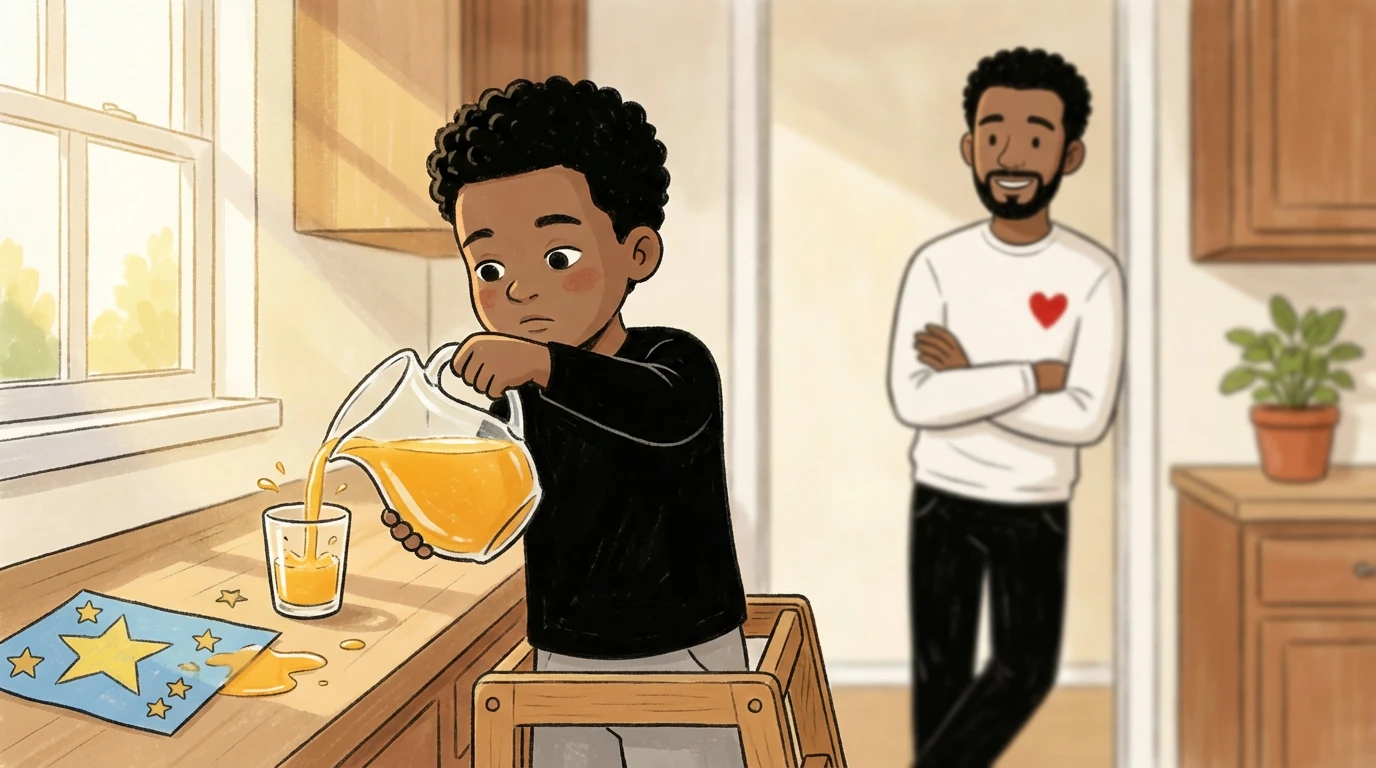
- Independence is built through struggle, not speeches. You can't lecture a child into self-sufficiency. They have to practice it. That means letting them fail at small things while the stakes are still low.
- Entitlement grows in the gap between comfort and contribution. When kids receive everything and are responsible for nothing, they learn that the world owes them ease. Contribution closes that gap.
- Boredom is a feature, not a problem to solve. A child who learns to fill their own unstructured time is practicing the exact skill that builds independence. Entertaining them constantly does the opposite.
- Age-appropriate chores build identity. A kid who sets the table every night is learning that they matter to the functioning of the household. That belonging builds confidence.
- Rescuing feels like love but teaches helplessness. Every time you intervene before your child has a chance to problem-solve, you send the message: I don't think you can handle this.
The independence trap most parents fall into
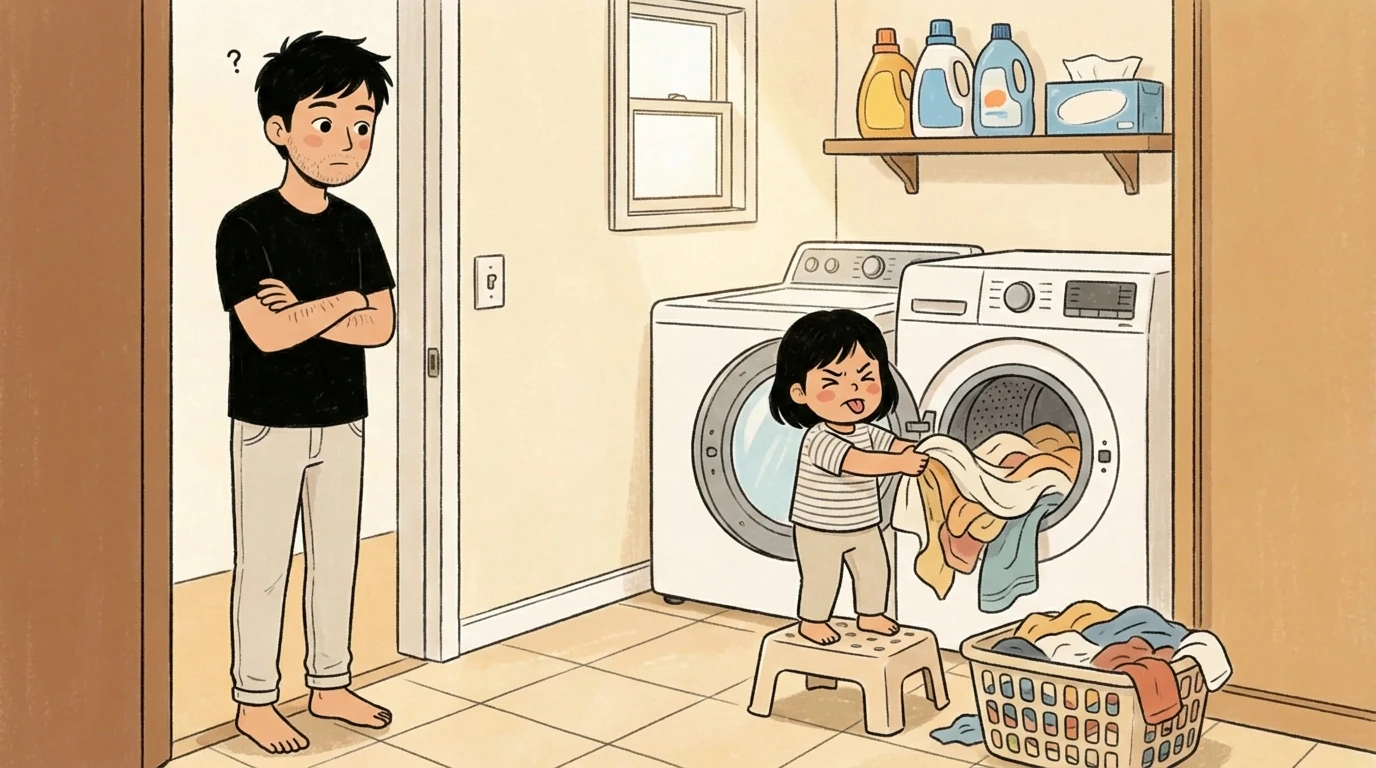
You want your kid to be independent. Resourceful. The kind of person who figures things out. And then you tie your eight-year-old's shoes because it's faster, pack their backpack every morning because they'll forget something, and step in during every playground disagreement because someone might cry.
The thing you're optimizing for (speed, smoothness, no tears) is working against the thing you say you want. Independence is assembled piece by piece, starting long before eighteen, through thousands of small moments where a child is allowed to try, mess up, and try again.
But pull back too much support without adding structure, and you get a kid who feels abandoned. Push responsibility without connection, and you get resentment. Stay close, but keep your hands in your pockets.
Wrong snack on the floor
The Intentional Parenting course will help you raise capable kids who respect limits
Your child will hear no and handle it, because you'll know how to build autonomy without accidentally teaching entitlement.
What entitlement looks like (and where it comes from)
Entitlement is really just a prediction error. An entitled child has learned, through consistent experience, that comfort arrives without effort and problems get solved by someone else.
This doesn't happen because you bought them too many toys at Christmas. It happens through a pattern:
- The child encounters a challenge (a difficult puzzle, a boring afternoon, a friend who won't share)
- The parent removes the challenge before the child engages with it
- The child never learns that discomfort is survivable and temporary
- Repeat this a few hundred times, and the child's working model of the world becomes: other people handle the hard parts
The comfort paradox
Here's what makes this hard. Removing discomfort from your child's life feels like good parenting in the moment. You're responsive. You're attentive. You're making sure they're happy. The problem is that happiness and competence are different goals, and they sometimes require opposite strategies.
A child who has never been bored doesn't know how to generate their own engagement. A child who has never been frustrated by a task doesn't know that frustration is a temporary state they can push through.
The role of contribution (and why chores matter more than you think)
There's a conversation about age-appropriate responsibilities and how they build real competence that every family needs to have. Chores as membership dues, without punishment or payment attached.
Contribution builds identity
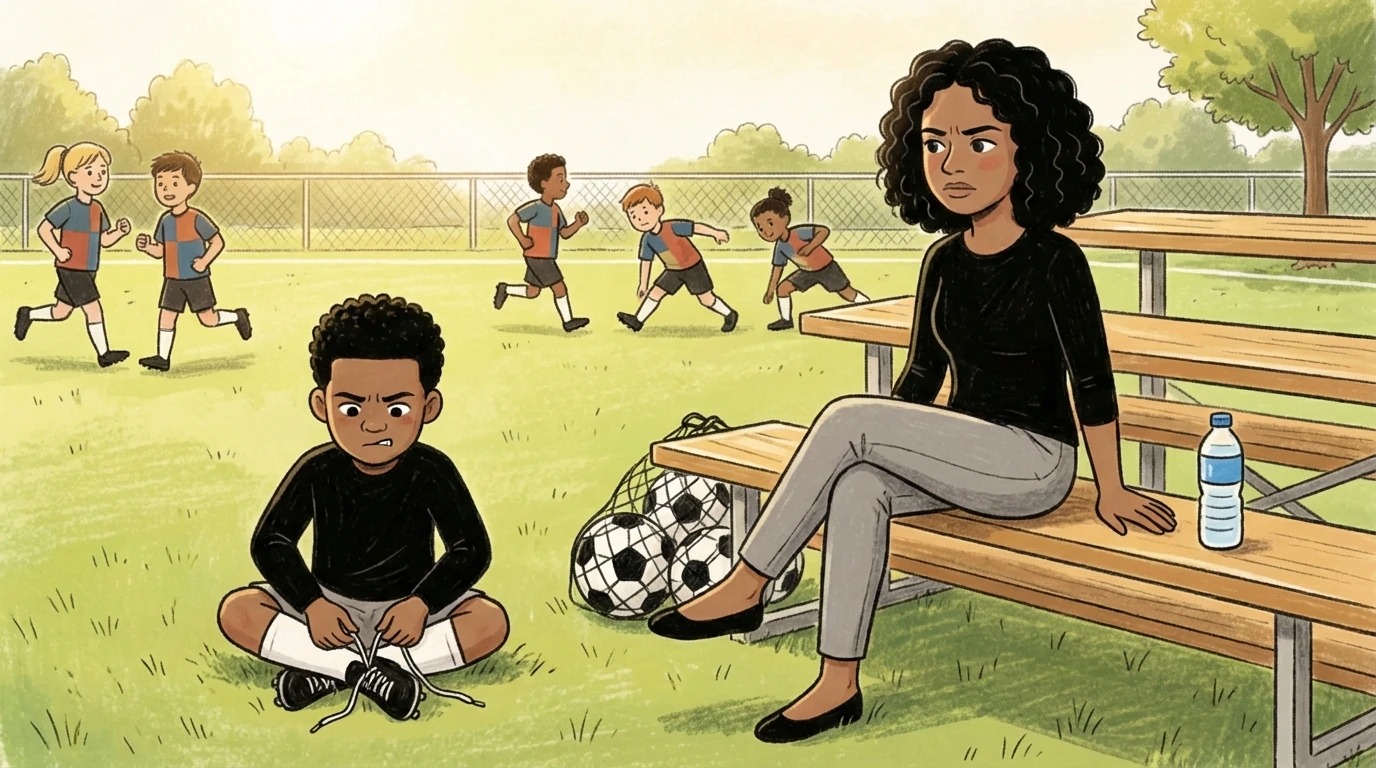
When a four-year-old puts napkins on the table every night, something happens beyond napkin placement. They internalize: I am a person who does things that matter. That's an identity statement. And identity statements are far more powerful than instructions.
Kids who contribute to the household develop what psychologists call "self-efficacy," which is the belief that your actions produce results. Self-efficacy is the engine behind independence. Without it, a child might have every skill in the world and still freeze when faced with a new situation, because they've never tested themselves against something real.
What contribution looks like by age
You don't hand a three-year-old a lawnmower. But you do hand them a cloth and point at a table. You can take our quiz on age-appropriate responsibilities to see where your child fits, but the general idea is simple: if they can physically do it and it won't endanger them, let them try. Lower your standards for the outcome. Raise your expectations for the attempt.
A two-year-old can put dirty clothes in a hamper. A five-year-old can make their own bed (badly, and that's fine). A seven-year-old can pack their own lunch. A ten-year-old can cook a simple meal. Each of these is a brick in the wall of "I can handle things."
Letting natural consequences do the teaching
You can explain a lesson twenty times, or you can let reality explain it once.
Natural consequences are what happen when you don't intervene. Your kid forgets their lunch, they're hungry at school. Your kid refuses to wear a coat, they're cold at recess. These are the world's built-in feedback system.
Your job is to resist the urge to stand between your child and the consequence. Not the dangerous ones, obviously. You grab a toddler running toward traffic. But you don't drive back home to deliver a forgotten homework folder to a ten-year-old. That one afternoon of facing a teacher without their assignment teaches more about responsibility than six months of reminders.
One caveat: natural consequences only work when the child understands the connection between choice and result. A two-year-old doesn't connect "refused coat" with "cold later." A six-year-old does.
The difference between support and rescue
This is where most parents get confused, and it's worth being precise about it.
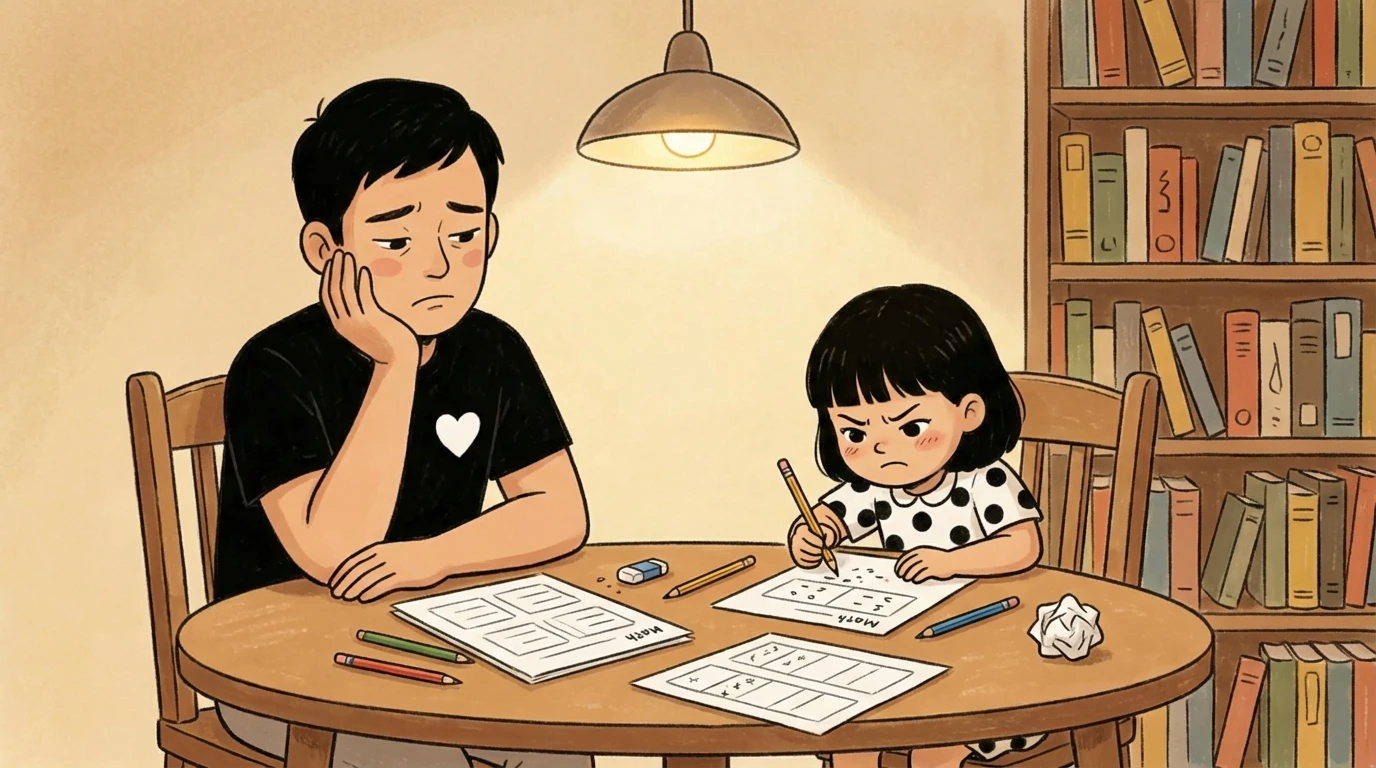
Support sounds like: "That looks hard. What have you tried so far?" It keeps the problem in the child's hands while signaling you're available.
Rescue sounds like: "Here, let me do it." It moves the problem from the child's hands into yours. The child feels immediate relief and learns nothing.
Scripts that support without rescuing
When your kid is struggling with a task:
- "What part is giving you trouble?" (narrows the problem)
- "What would happen if you tried it the other way?" (prompts problem-solving)
- "I'll be right here if you need me, but I think you can figure this out." (expresses confidence)
When your kid is upset about a social situation:
- "That sounds rough. What do you want to do about it?" (validates, then returns agency)
- "What are your options?" (builds decision-making muscles)
When your kid is bored:
- Nothing. Say nothing. Let the boredom sit there until they solve it themselves.
How this connects to the teen years
Everything you do (or don't do) between ages two and twelve shows up in full color during adolescence. A teenager who was never allowed to make small decisions as a child will either become paralyzed by choice or make reckless ones just to feel the thrill of agency.
A teen who grew up contributing and experiencing the results of their choices has a running start. The stakes get higher in high school, but the skill is the same: assess the situation, make a call, deal with the outcome.
The parents who struggle most with teenagers are often the ones who ran the tightest ship during childhood. Every decision made for them. The child reaches sixteen with the life skills of a seven-year-old.
The one question to keep asking yourself
When you're about to step in, pause and ask: "Whose problem is this?"
If it's your child's problem and they're not in danger, let them hold it. Let them feel the weight of it. Kids prove they're capable by doing hard things, not by hearing you say so.
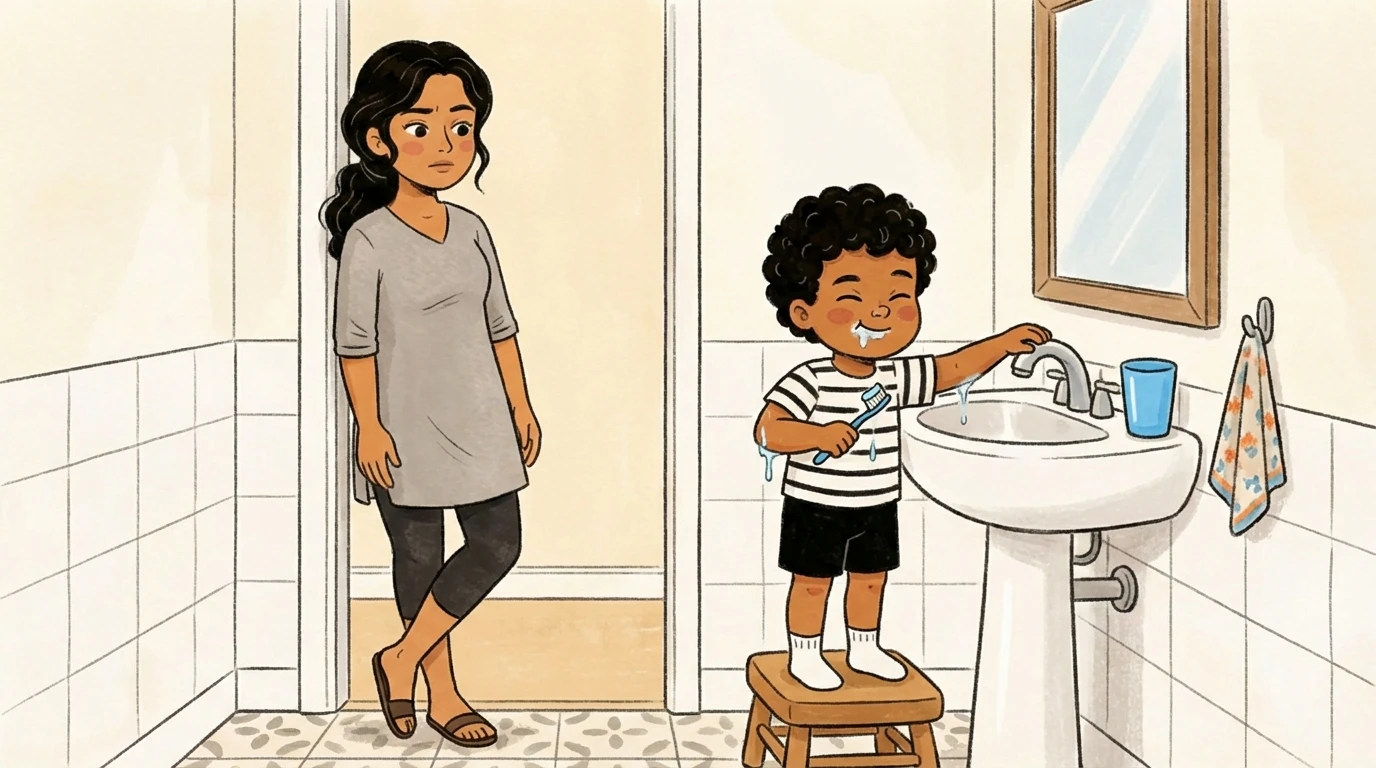
How to build independence without entitlement
- Match responsibility to capabilityFind tasks your child can physically do and assign them consistently. A three-year-old can clear their plate. A seven-year-old can make their bed. Start small, stay consistent, and lower your standards for the outcome.
- Let boredom existWhen your child says 'I'm bored,' resist the urge to fix it. Boredom is the starting line for creativity and self-direction. Say 'I bet you'll figure something out' and walk away.
- Ask before helpingWhen your child struggles, ask 'Do you want help or do you want to keep trying?' This simple question gives them agency and communicates your confidence in their ability.
- Allow natural consequencesWhen the stakes are low and the child is old enough to understand cause and effect, step back. Forgot lunch? Hungry afternoon. Didn't practice? Rough recital. Reality is a better teacher than you are.
- Replace praise with observationInstead of 'good job,' say 'you stuck with that even when it was hard.' Observations build internal motivation. Praise builds dependence on external approval.
- Require contribution, not perfectionThe goal is participation, not a spotless kitchen. A badly folded towel still teaches that the household runs because everyone pitches in. Accept the attempt.
FAQ
Around eighteen months, children start wanting to do things themselves. That's your cue. Let a two-year-old carry their own sippy cup. Let a three-year-old choose between two outfits. Independence develops through hundreds of small decisions, starting as early as toddlerhood.
Track how often you do something for your child that they could do themselves. If you're tying shoes they can tie, answering questions they could figure out, or solving social problems they could attempt, you're likely in rescue mode. The discomfort you feel watching them struggle is your signal to stay put.
Being present without intervening is not the same as being absent. Stay nearby. Say 'I'm right here.' Express confidence in their ability. Kids feel loved when you believe they're capable, not just when you make things easier for them.
Don't turn it into a power struggle. State the expectation calmly: 'In this house, everyone contributes.' Then connect privileges to participation. Screen time, playdates, and treats happen after responsibilities are handled. Be consistent, and the resistance fades.
It's harder but not too late. Start with small responsibilities and build from there. A teen who has never done laundry can learn. The conversations will be different, but the principle is the same: competence comes from doing, not from being told you should.