TLDR
- Kindness starts with your self-regulation, not theirs. Children learn emotional management by watching you handle frustration and conflict. Your behavior is the live demonstration they study every day.
- Secure connection is the launchpad for empathy. A child who feels safe in their relationship with you has the bandwidth to notice other people's feelings. Insecure kids are too busy surviving to be kind.
- Coach, don't control. Telling kids what to do produces compliance. Helping them think through problems produces judgment. The second one travels with them when you leave the room.
- Responsibility grows from contribution, not lectures. Kids who participate in household tasks develop a sense of belonging that translates into caring about their community.
- Rules they understand become values they keep. When children know WHY a rule exists, they internalize it. When they only know the punishment for breaking it, they learn to avoid getting caught.
The kid who shared without being told
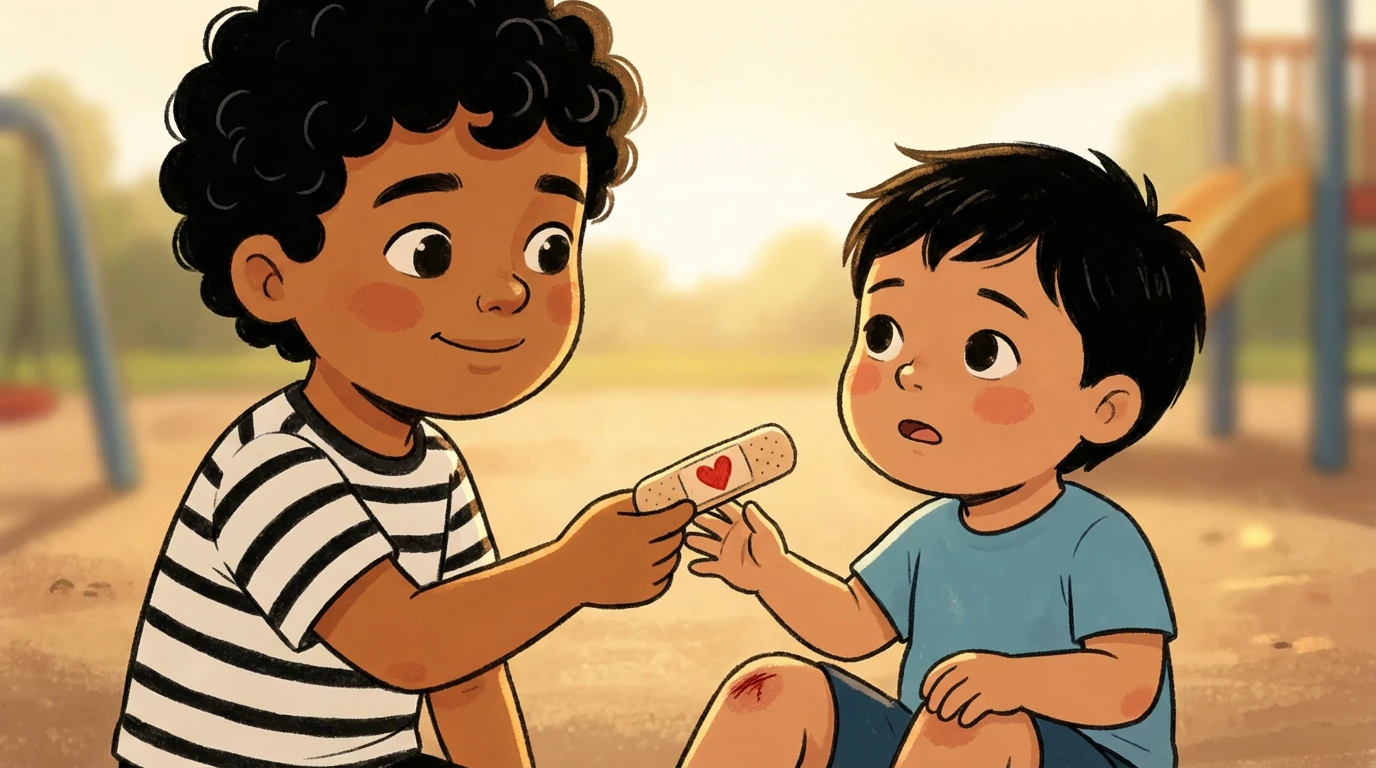
You've seen it happen. Two kids at a playground, one falls down, and one particular child walks over and offers a hand. No parent hovering behind them whispering "go help." No sticker chart. The kid just did it.
And you thought: What are those parents doing that I'm not?
Three things, specifically, and none of them involve inspirational posters about being kind. The research on raising prosocial children keeps landing on the same framework: regulate yourself, build connection, then coach instead of control. Those three pillars produce kids who share the snack, include the lonely kid, and eventually become adults who do the right thing when nobody's watching.
Walking past a crying kid
The Intentional Parenting course will teach you how empathy develops
Your child will notice someone hurting and move toward them, not because you lectured but because you modeled it daily.
Your regulation is their first classroom
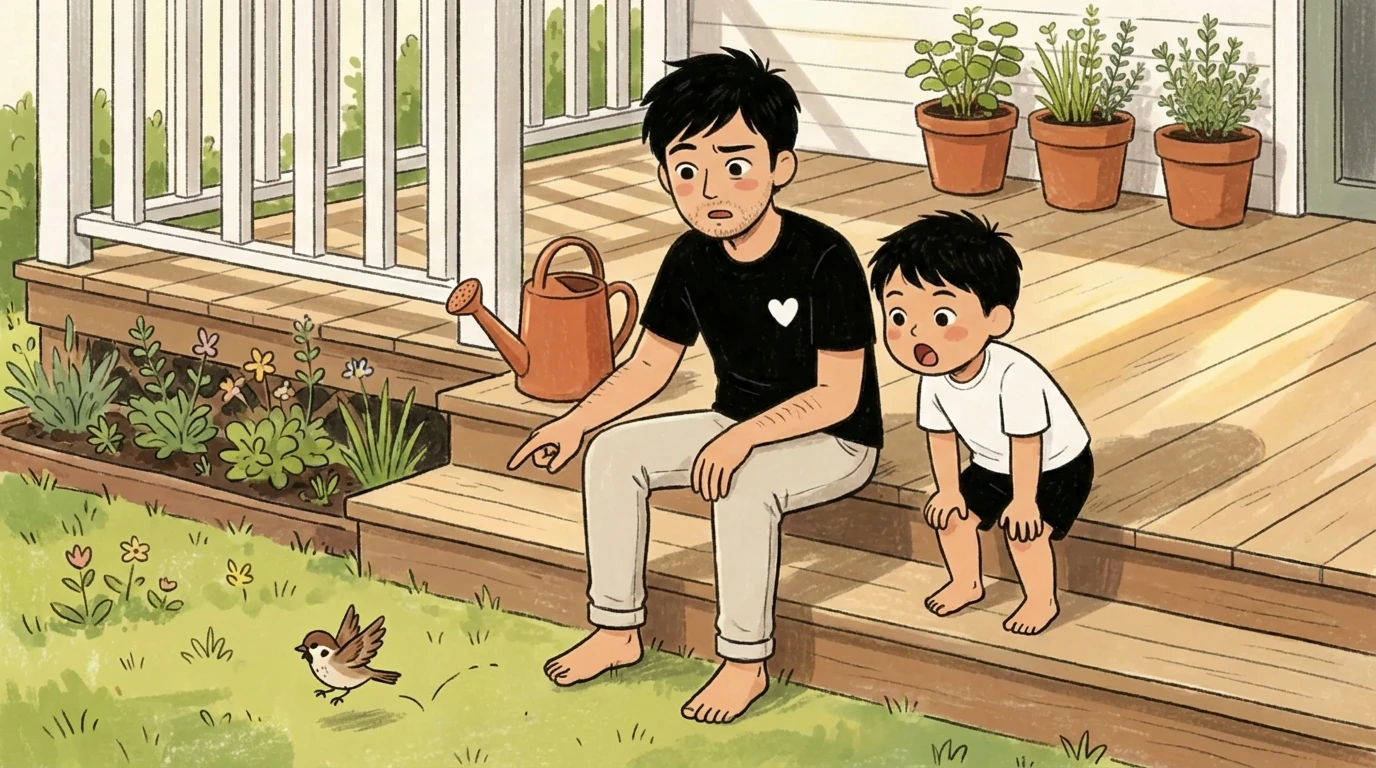
Before you can teach your kid anything about kindness, you need to look at what you're teaching them without trying. Every time you lose your temper in traffic, slam a cabinet, or snap at your partner, your child files that under "how people handle hard feelings."
Kids learn emotional regulation from living with someone who does it in front of them.
When your four-year-old dumps water on the floor for the third time today and you take a breath instead of yelling, you just delivered a better lesson than any book could. That pause between impulse and action is the entire curriculum. Your child doesn't know the word "regulation," but they know what it looks like when someone gets frustrated and doesn't explode.
What they're absorbing
Children watch how you handle difficult moments and internalize those strategies as their own emotional toolkit. When you stay regulated during stress, you create a safe environment where your child can:
- Recognize their own emotions without panic
- Start understanding other people's emotions
- Practice strategies for building empathy in low-stakes moments
A child who can name their own feelings is a child who can eventually recognize those feelings in someone else. Empathy develops because safety came first.
Connection before curriculum
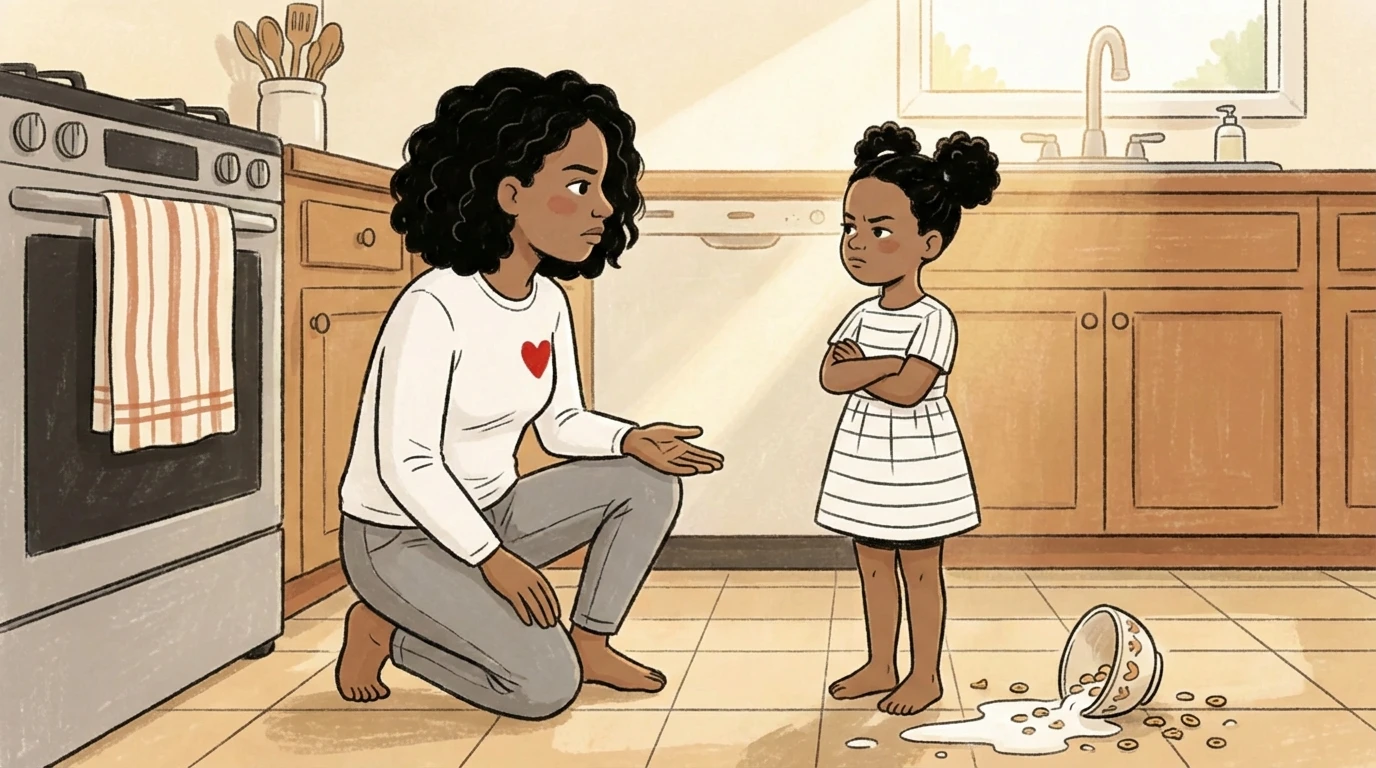
You can't coach a kid who doesn't trust you. Connection is the prerequisite for everything else, and it's more specific than "spending time together." It means building a relationship where the child feels genuinely secure.
Why security matters for kindness
A securely attached child has something that an anxious child doesn't: spare bandwidth. When a kid's basic need for safety and belonging is met, they can afford to look outward. They notice the other child crying. They wonder what's wrong. They feel moved to help.
An insecure child is doing threat assessment. Is this adult going to be warm today or cold? Am I in trouble? That internal monitoring eats up the exact cognitive resources that empathy requires.
Research shows that empathy development directly reduces aggressive behavior over time, and the starting point is always that base of secure connection.
Communication as a kindness skill
Your child learns to express themselves clearly (because you listen) and to listen to others (because you model it). The child who can say "I don't like that" instead of hitting, or "are you okay?" instead of walking past, learned those scripts at home first. These small exchanges at the dinner table or during bedtime are where the vocabulary of kindness gets built, one conversation at a time.
Coach, don't control
This is where most parents trip up. The instinct is to direct: say sorry, share the toy, be nice. And those directives work in the moment. The child complies. The other parent sees you handling it.
Except nothing was learned. The child performed kindness without practicing it.
Coaching means guiding a child to figure out the right response, not handing it to them pre-packaged. It's the difference between "go say sorry" and "your friend is crying. What do you think happened? What could you do?"
How to coach kindness instead of commanding it
- Ask before you tellWhen your child hurts someone, start with a question: 'What happened?' and 'How do you think they feel?' Let them reason through it before you offer the answer.
- Explain the why behind rulesInstead of 'we share,' try 'when you share the blocks, your friend gets to build too.' Children who understand reasons internalize values. Children who only understand punishment internalize avoidance.
- Let them make real choicesGive options: 'Do you want to share now or when you're done with your turn?' Autonomy builds responsibility because the child owns the decision.
- Practice conflict resolution at homeWhen siblings disagree, resist the urge to referee. Help them name the problem, brainstorm solutions, and pick one together. These reps build the skill for every future disagreement.
- Name what you see, not what they areSay 'you noticed your friend was sad and brought her a tissue' instead of 'you're such a kind kid.' Describing the action teaches kindness. Labeling their character creates pressure to perform.
Responsibility starts with a dish towel
You want a kid who does the right thing? Give them something real to be responsible for. Skip the reward chart. Just let them participate in keeping the household running.
When a three-year-old puts napkins on the table, they're learning something that no lecture can teach: I am a contributing member of this family. My help matters.
Getting kids involved in household tasks builds a sense of capability that extends far beyond the kitchen. A child who knows they can do useful things becomes a child who believes they can make a difference.
When it looks like it isn't working
Your five-year-old snatches a toy at a playdate. Your seven-year-old says something mean to their sibling. These moments don't mean you failed. They mean your child is a child.
Prosocial behavior develops unevenly. Kids can be incredibly kind on Tuesday and shockingly selfish on Thursday. Fatigue, hunger, and developmental stage all affect whether a child can access empathy in any given moment.
What matters is the trend line, not the individual data point.
The correction without shame
When your child does something unkind, the instinct to say "that was mean" is strong. But labeling the act as a character trait activates shame, and shame shuts down the exact brain regions responsible for empathy.
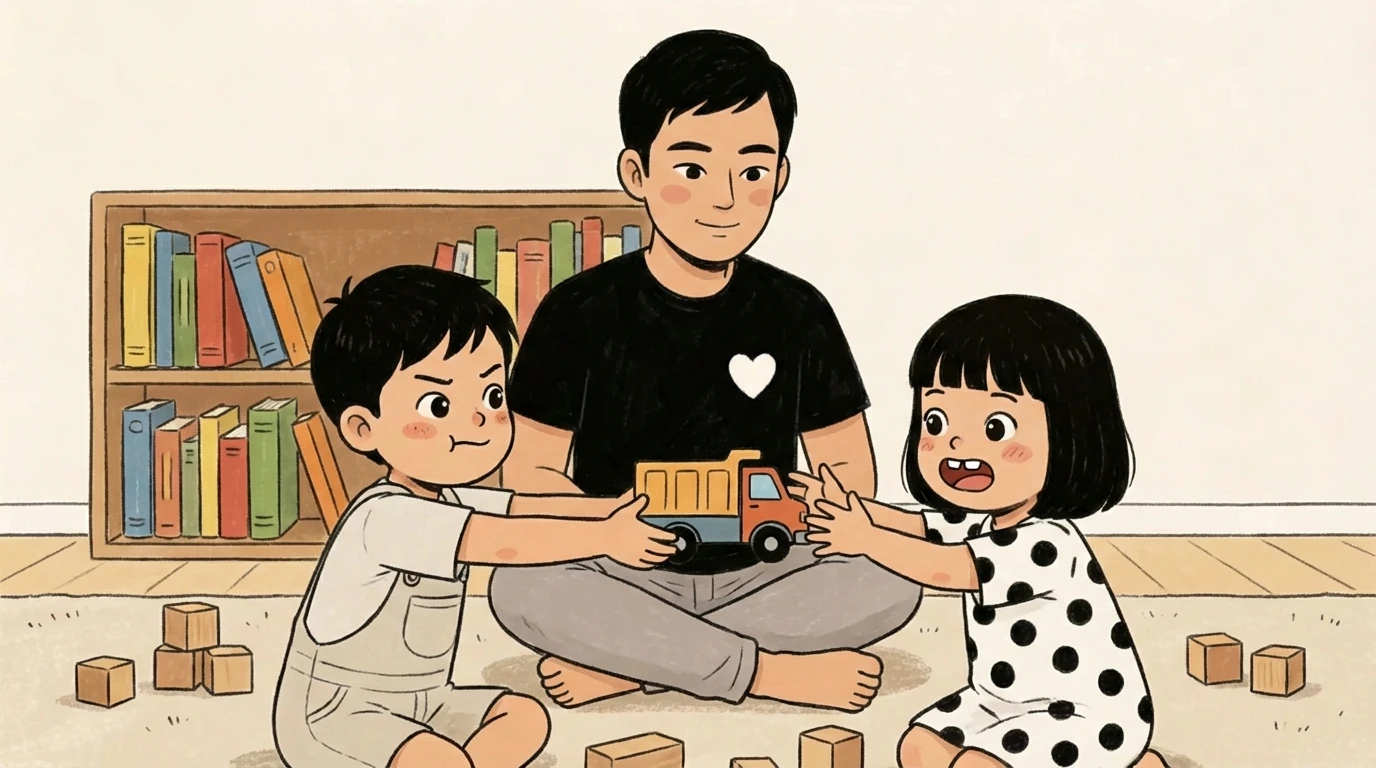
Instead: describe what happened and what it caused. "You grabbed the truck and now Maya is crying. She wanted a turn." Then coach: "What could you do to help her feel better?"
This approach takes longer in the moment, but it builds something that punishment never can: a child who thinks about how their actions affect other people, not just whether they'll get in trouble.
The long game
Every parent wants a child who discovers their own strengths and uses them for good. The shortcut (rewards, punishments, forced apologies) produces a child who performs goodness when an authority figure is watching. The long road (modeling, connecting, coaching) produces a child who does the right thing because they understand why it's right.
The three-pillar approach builds internal motivation:
- Your self-regulation gives them the emotional tools
- Your connection gives them the security to care about others
- Your coaching gives them the judgment to act on that caring
These don't require perfection. They require consistency. You will lose your temper. You will default to "because I said so" at 7 PM on a Wednesday.
And then you'll repair, reconnect, and try again tomorrow. Because that, too, is a lesson: people who care about doing the right thing still mess up. The difference is they come back.
FAQ
Children show early empathy signs around age two, when they might pat a crying friend or bring you a blanket. True perspective-taking develops between four and six. By seven or eight, most children can understand that someone else's experience differs from their own and respond to it.
Kindness and boundaries coexist. Teach your child that being kind means treating people with respect, not agreeing to everything. Practice scripts like 'I don't want to do that' alongside 'how can I help?' A child with strong boundaries and strong empathy is resilient.
Forced apologies teach performance, not empathy. Help your child understand what happened and how the other person feels. Then ask 'what could you do to help them feel better?' Sometimes the answer is sorry. Sometimes it's a hug or fixing what was broken. Sincerity matters more than the word.
Children save their worst behavior for their safest relationships. Being mean to a sibling usually signals exhaustion or unmet needs rather than a character flaw. Address the underlying cause, coach the conflict resolution, and trust that the kindness they show at school is the real baseline.